Why Your Dog Has Low Energy and When to Worry

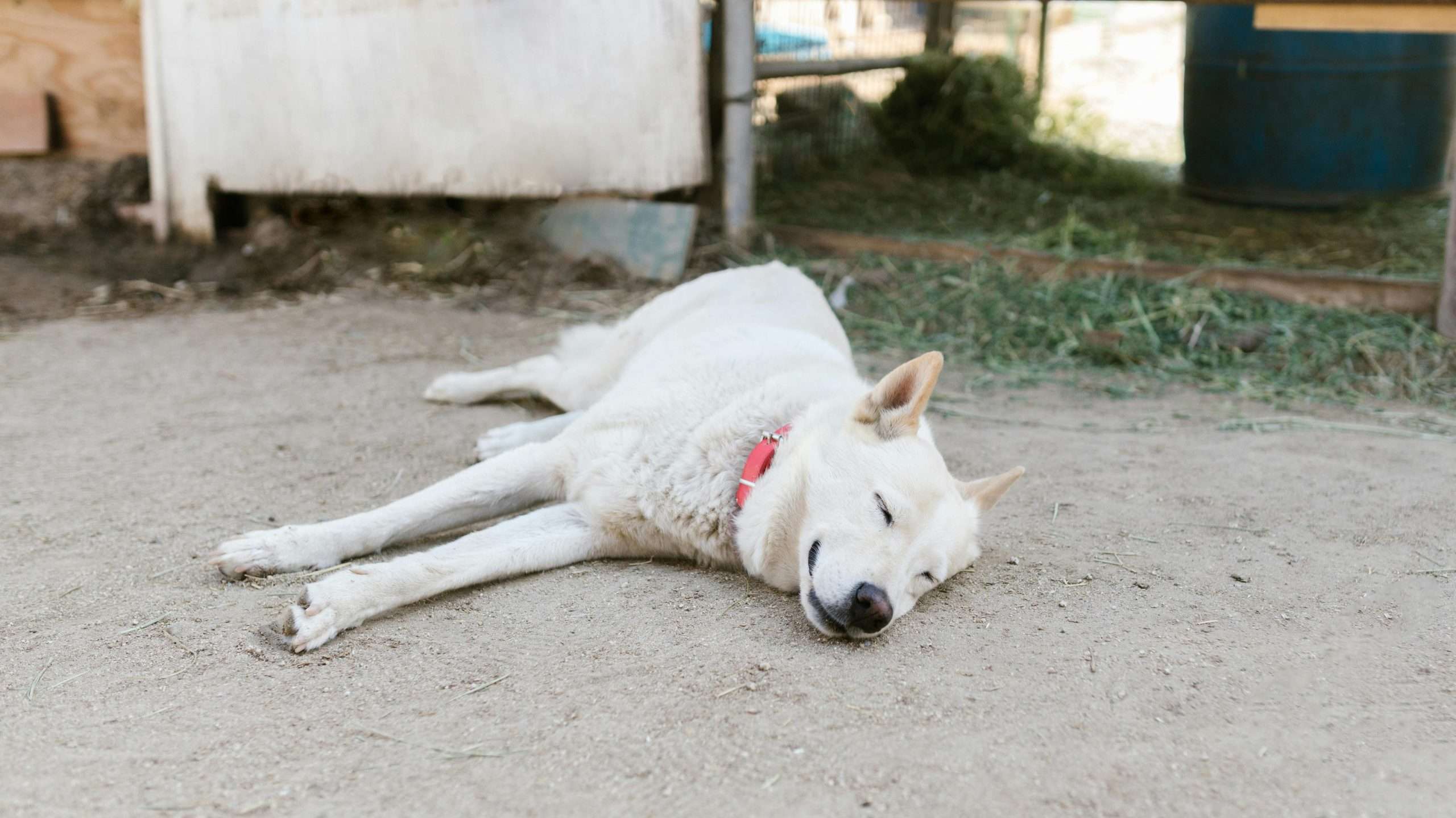
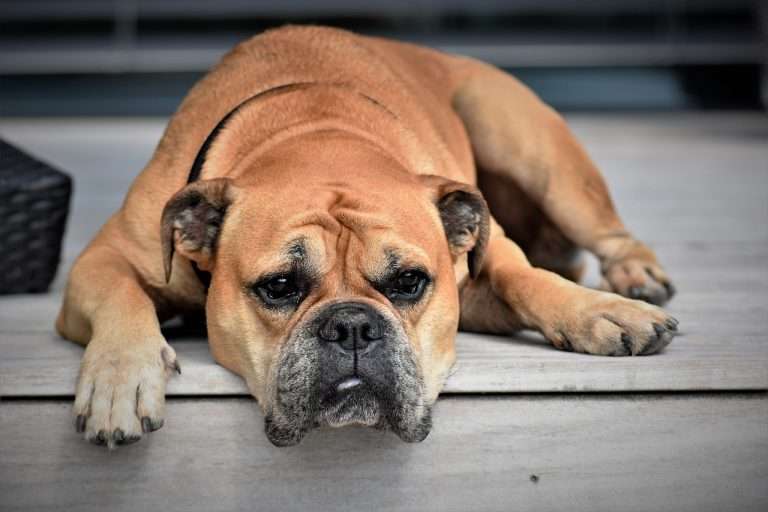
Every dog has lazy days, but when your dog has low energy for longer than usual, it can leave you wondering if something’s wrong. Maybe your playful pup is suddenly uninterested in walks or seems unusually tired. While some causes are harmless, others can signal health issues that need attention. Understanding why your dog has low energy helps you take the right steps to bring back their spark and ensure their well-being.
Understanding What It Means When Your Dog Has Low Energy
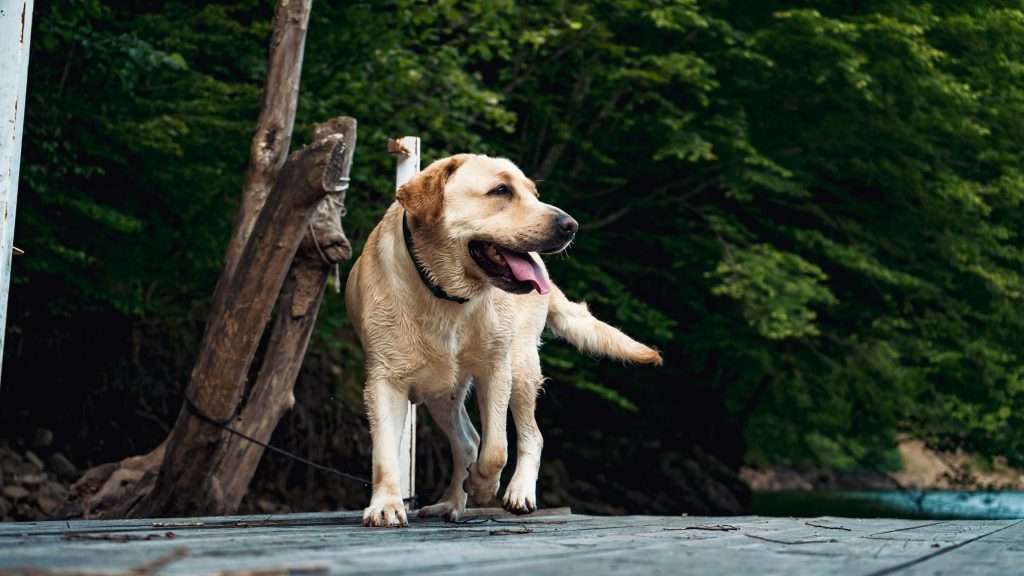
Low energy doesn’t always mean illness. Like humans, dogs can have quieter days, especially after a busy one. But if your dog has low energy for more than a day or two, it’s worth observing closely.

Normal tiredness vs true low energy
A dog might rest more after intense exercise or excitement. That’s normal recovery. However, when your dog has low energy despite enough rest, avoids playtime, or seems disinterested in food or surroundings, it points to something beyond fatigue.
Tracking your dog’s energy baseline
Every dog has its own rhythm. Some breeds are naturally more relaxed, while others are constantly active. Keep track of how much your dog typically eats, plays, and sleeps. This helps you spot changes early. If your dog has low energy compared to their usual behavior, it’s time to find out why.
Common Lifestyle and Age-Related Factors
Sometimes, a dog has low energy due to everyday factors that can be easily managed.
Growth, senior years, and activity changes
Puppies use up energy quickly and need plenty of rest, so brief low-energy periods are normal. As dogs age, their metabolism slows, joints may ache, and they tire faster. A senior dog has low energy not necessarily because they’re sick, but because their body naturally slows down. Still, keep an eye out for any sudden drops in energy, which could point to pain or underlying disease.
Nutrition, hydration, and environment
Diet plays a huge role in your dog’s energy levels. A poor-quality diet, lack of protein, or dehydration can all make a dog has low energy situation worse. Heat or cold can also affect activity. Dogs in hot climates often become lethargic to conserve energy. Ensure your pet has fresh water, balanced meals, and a comfortable environment.
Over-exercise, boredom, or routine changes
Dogs thrive on consistency. A sudden change in your schedule, a move to a new home, or even the absence of a family member can make your dog has low energy. Similarly, dogs that exercise too much without proper rest can also appear sluggish. A balance between activity and downtime helps maintain steady energy.
Related reads:
Early Signs of Aging in Dogs You Shouldn’t Ignore – 2025
Medical and Health Causes for When Your Dog Has Low Energy

If lifestyle factors don’t explain the drop in activity, there could be a medical reason your dog has low energy.
Infections, viruses, and acute illnesses
Infections like kennel cough, parvovirus, or tick-borne diseases can quickly drain your dog’s energy. If your dog has low energy along with fever, loss of appetite, or vomiting, seek veterinary care immediately.
Chronic or internal diseases
Conditions affecting the liver, kidneys, or heart often show up as fatigue before more obvious symptoms appear. For instance, heart disease limits oxygen flow, making your dog has low energy even after small activities. Kidney or liver problems can cause toxins to build up, which also leads to lethargy.
Hormonal or endocrine issues
Dogs can suffer from hormone imbalances just like people. Hypothyroidism is a common cause of persistent low energy, weight gain, and dull coat in dogs. Cushing’s disease, caused by excess cortisol, also makes a dog has low energy despite eating more. Routine blood tests can detect these issues early.
Pain, injury, joint, or musculoskeletal problems
Arthritis, hip dysplasia, or even a small sprain can make movement painful. Some dogs hide pain well and simply act quiet instead. If your dog has low energy and is reluctant to climb stairs, jump, or play, pain may be the culprit.
Toxins or poisoning
Exposure to toxic foods or chemicals can cause sudden lethargy. If your dog has low energy and has recently eaten something unusual, such as chocolate, grapes, or household cleaners, go to the vet right away. Early treatment can make all the difference.
When You Should Worry – Red Flags to Watch
It’s normal for your dog to slow down after a big day, but certain signs mean it’s time to act fast.
Persistent low energy plus appetite change or vomiting
If your dog has low energy and also loses interest in food, vomits, or has diarrhea, it’s a clear sign something is wrong. These symptoms together may indicate infection, digestive trouble, or even organ issues.
Breathing difficulty, coughing, or sudden collapse
A dog has low energy paired with labored breathing, coughing, or collapse could signal serious heart or lung problems. These situations require immediate veterinary care.
Still tired after normal rest
When your dog has low energy even after sleeping through the night or resting for days, it’s not typical fatigue. Long-lasting tiredness usually means a deeper health concern that needs checking.
What You Can Do Before and After Seeing the Vet

If your dog has low energy, there are steps you can take at home while preparing for a vet visit.
At-home checks and supportive measures
Make sure your dog is hydrated and has access to clean water. Offer small, nutritious meals and encourage light activity if possible. Record any other symptoms like coughing, limping, or changes in urination. This helps the vet get a full picture of why your dog has low energy.
What your vet will ask and tests they might run
Your vet may ask about your dog’s diet, recent behavior, and exercise levels. Blood and urine tests can check for infection, organ function, and hormonal balance. Imaging tests like X-rays or ultrasounds help identify hidden issues. Sharing your observations about when your dog has low energy started can help narrow down the cause.
Treatment and recovery
Once the cause is known, treatment could include medication, diet changes, or rest. Some chronic conditions may need long-term management. Follow your vet’s instructions carefully and watch for signs of improvement. When your dog has low energy due to something minor, recovery is often quick with proper care.
Final Thoughts
A day or two of rest isn’t unusual, but when your dog has low energy that lasts, it’s a signal you shouldn’t ignore. Observe patterns, check their diet and hydration, and visit your vet if something feels off. With the right care and early action, most dogs bounce back quickly. Being attentive to subtle changes ensures your pet stays healthy, happy, and full of life once again.