Why Some Dogs Hate Being Touched (And How to Build Trust Slowly)

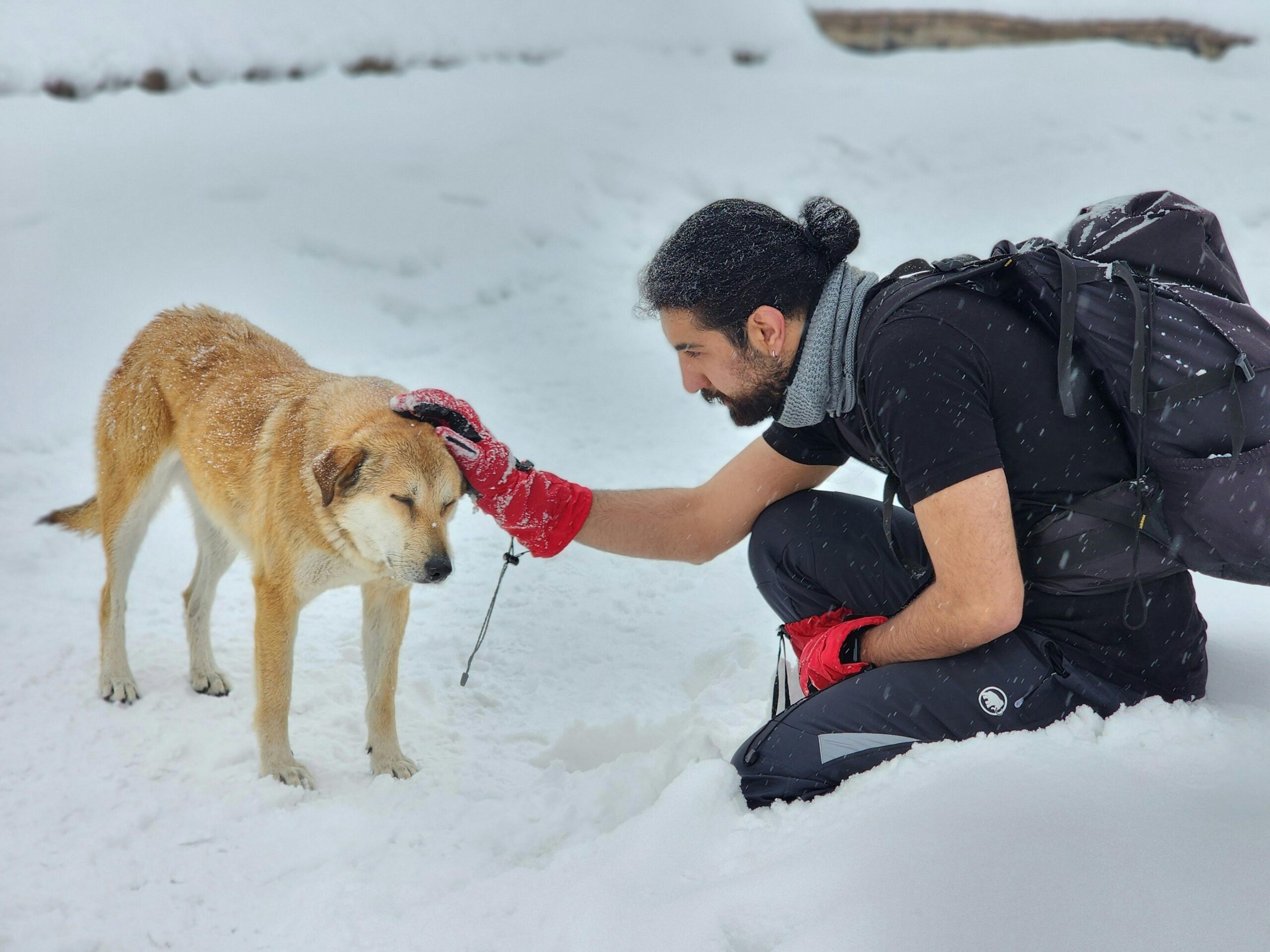
Not every dog enjoys being petted, hugged, or handled, even if they look calm on the outside. Many dog parents feel confused or even hurt when their dog pulls away, stiffens, or growls during touch. The truth is simple and often misunderstood. Dogs hate being touched for reasons that have nothing to do with disobedience or lack of love. Touch is communication, and for some dogs, it carries fear, discomfort, or bad memories.
Understanding why dogs hate being touched is the first step toward building trust. When you stop forcing affection and start listening to what your dog is telling you, the relationship shifts. Trust grows slowly, but it grows strong.

Why Some Dogs Hate Being Touched
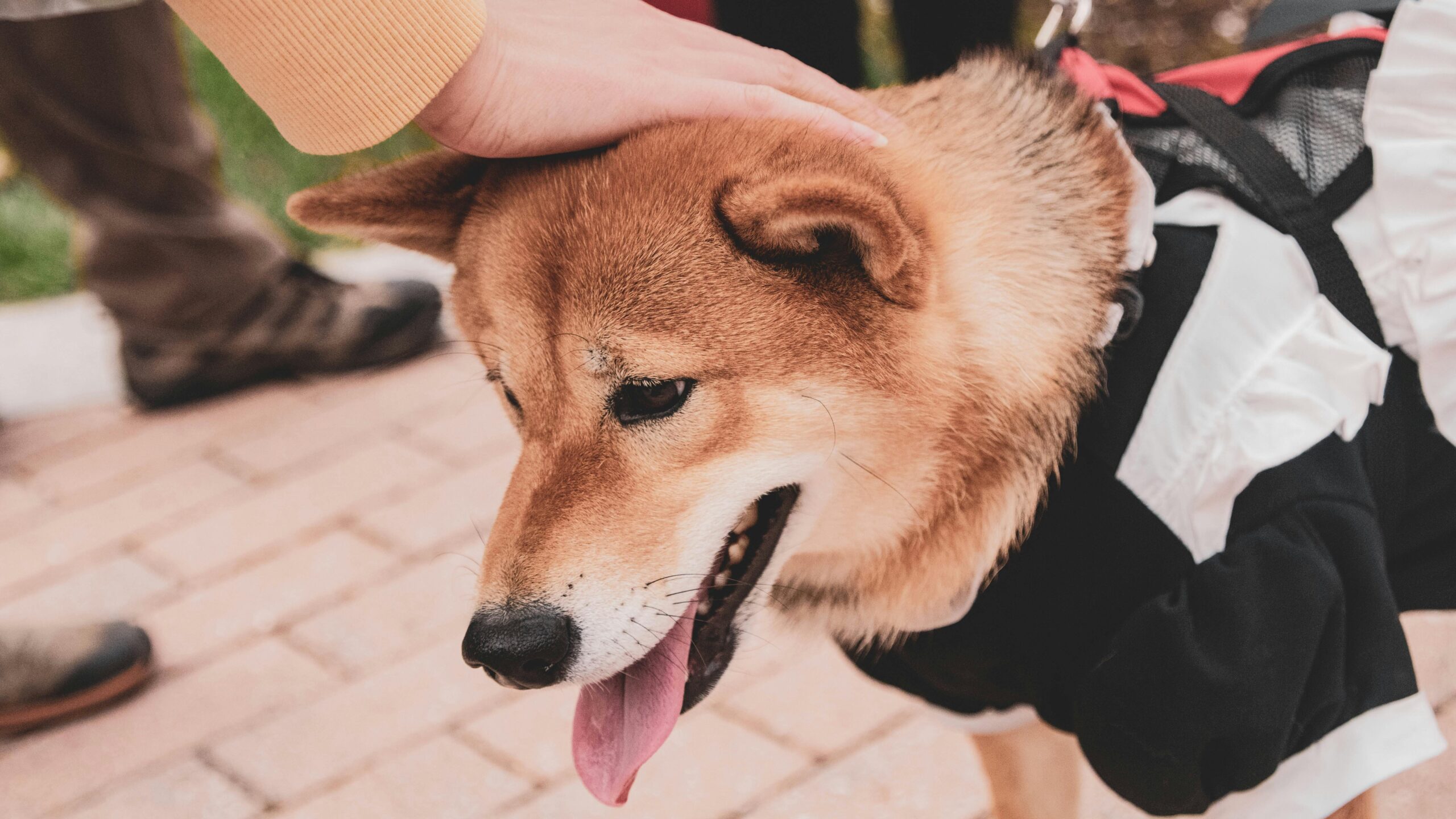
It surprises many people to learn that enjoying human touch is not a natural trait for all dogs. While some dogs crave constant physical contact, others tolerate it at best or actively avoid it. When dogs hate being touched, they are communicating boundaries in the only way they know how.
Dogs rely on body language far more than physical contact to express affection. Sitting near you, following you from room to room, or resting calmly in your presence can mean far more than being petted. When touch feels threatening or overwhelming, avoidance becomes self protection.
Natural Instincts and Evolutionary Background
Dogs evolved to survive, not to be cuddled. In the wild, unexpected touch often meant danger. Even friendly contact from another animal could turn into a fight within seconds. That instinct still lives beneath the surface.
For many dogs, being touched on the head, grabbed suddenly, or restrained triggers a defensive response. This is especially true if the dog cannot see the hand approaching. When dogs hate being touched, it is often rooted in instinct rather than attitude.
Common Reasons Dogs Hate Being Touched
Past Pain and Medical Issues
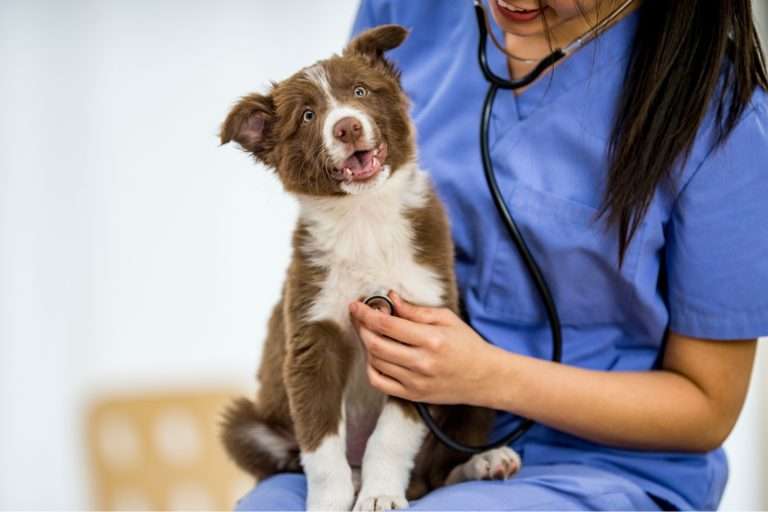
Pain changes behavior. Dogs are experts at hiding discomfort, but touch can expose what they are trying to manage quietly. Arthritis, hip pain, dental problems, ear infections, and old injuries can all make physical contact unpleasant.
If a dog suddenly starts avoiding touch, flinching, or growling, pain should always be ruled out first. Many cases where dogs hate being touched are actually silent medical issues waiting to be addressed.
Fear and Anxiety From Negative Experiences
Dogs remember experiences through emotion. A single frightening incident can leave a lasting impression. Rough handling, forced restraint, painful grooming sessions, or past abuse can teach a dog that hands are not safe.
Rescue dogs often fall into this category, but even dogs raised in loving homes can develop fear if they associate touch with something unpleasant. When dogs hate being touched, they may be protecting themselves from what they believe could happen next.
Insufficient Early Socialisation
Puppyhood is a critical learning phase. Dogs that are gently handled during their early weeks usually grow up more comfortable with touch. Dogs who miss this exposure may struggle later.
This does not mean change is impossible. It simply means progress must happen slowly. When dogs hate being touched due to limited socialisation, patience becomes the most important tool.
Sensitivity in Certain Body Areas
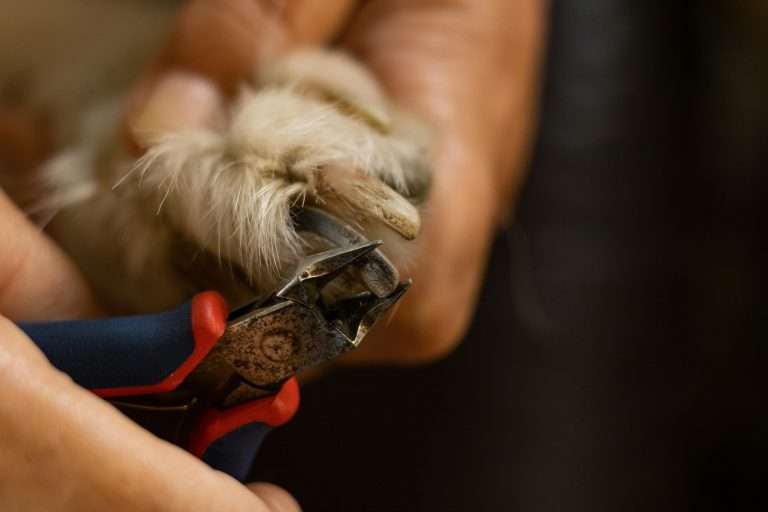
Not all touch is equal. Many dogs tolerate petting on the chest or shoulders but dislike hands near their paws, tail, ears, or belly. These areas are vulnerable and sensitive.
Some dogs allow touch only on their terms. When dogs hate being touched, it is often about where and how the touch happens, not the person doing it.
Individual Personality and Preferences
Just like people, dogs have preferences. Some dogs are affectionate observers rather than physical cuddlers. They show attachment through loyalty, eye contact, and calm presence.
A dog who avoids touch is not broken or unfriendly. When dogs hate being touched, they are simply being themselves.
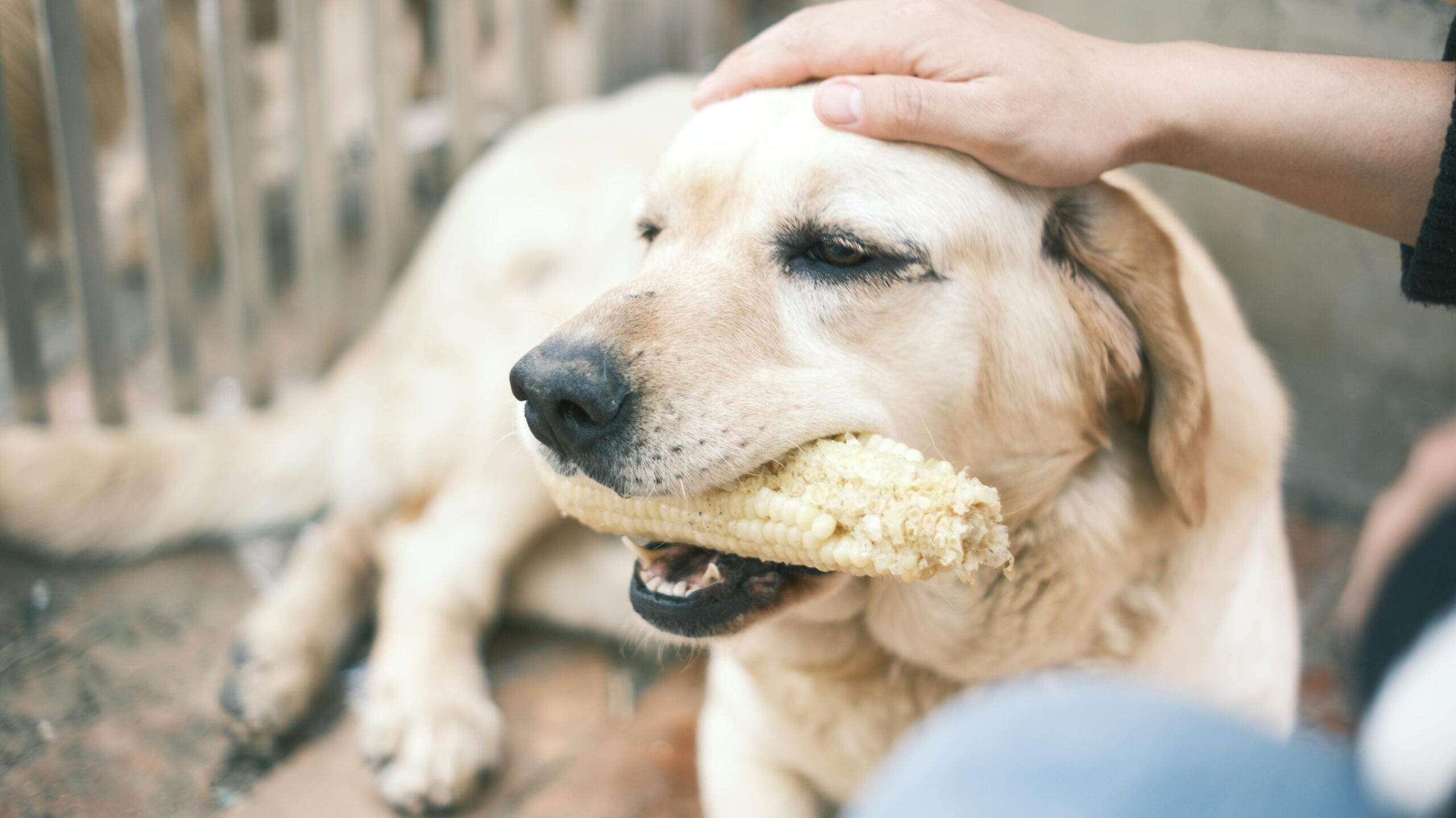
Reading Your Dog’s Body Language
Dogs almost always communicate discomfort before they growl or snap. The problem is that these signals are subtle and often missed.
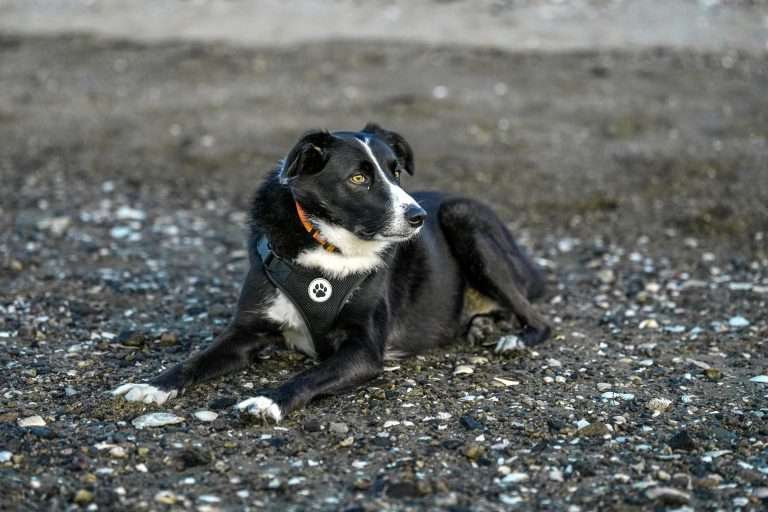
Common signs that a dog is uncomfortable with touch include turning the head away, licking lips, yawning when not tired, freezing in place, stiffening the body, showing the whites of the eyes, or slowly backing away.
When dogs hate being touched, ignoring these signs teaches them that polite communication does not work. Eventually, they may escalate their response.
Learning to read body language allows you to stop before the dog feels the need to defend themselves.
Related reads:
Mental Health Benefits of Owning a Dog
How to Build Trust Slowly When Dogs Hate Being Touched
Respect Boundaries First
Trust starts with choice. If your dog moves away, let them. Do not follow with your hands or try to coax affection. When dogs learn that their signals are respected, anxiety decreases.
When dogs hate being touched, the fastest way to build trust is by proving that touch is optional.
Positive Reinforcement and Associations
Touch should predict good things. Start pairing brief, gentle contact with treats or calm praise. Keep sessions short and end before the dog becomes uncomfortable.
The goal is not to force enjoyment but to create positive associations. Over time, many dogs begin to relax when they realise nothing bad follows the touch.
When dogs hate being touched, progress often looks slow, but every calm interaction matters.
Desensitization Done Right
Desensitization means breaking the process into tiny steps. Begin by simply sitting near your dog without touching. Then rest your hand nearby. Eventually, lightly touch an area your dog already tolerates.
Move at your dog’s pace, not your own. If the dog shows discomfort, go back a step. When dogs hate being touched, rushing the process can undo weeks of progress.
Start With Less Sensitive Areas
Most dogs feel safer with touch on the chest, side of the neck, or shoulders. Avoid reaching over the head or touching paws early on.
Let the dog see your hand coming. Predictability builds confidence. When dogs hate being touched, feeling in control of the interaction changes everything.
Build Trust Beyond Touch
Trust is not built through petting alone. Calm walks, predictable routines, play, and quiet companionship all strengthen the bond.
Many dogs who dislike touch still form deep emotional connections. When dogs hate being touched, affection may simply look different.
Common Mistakes That Slow Progress
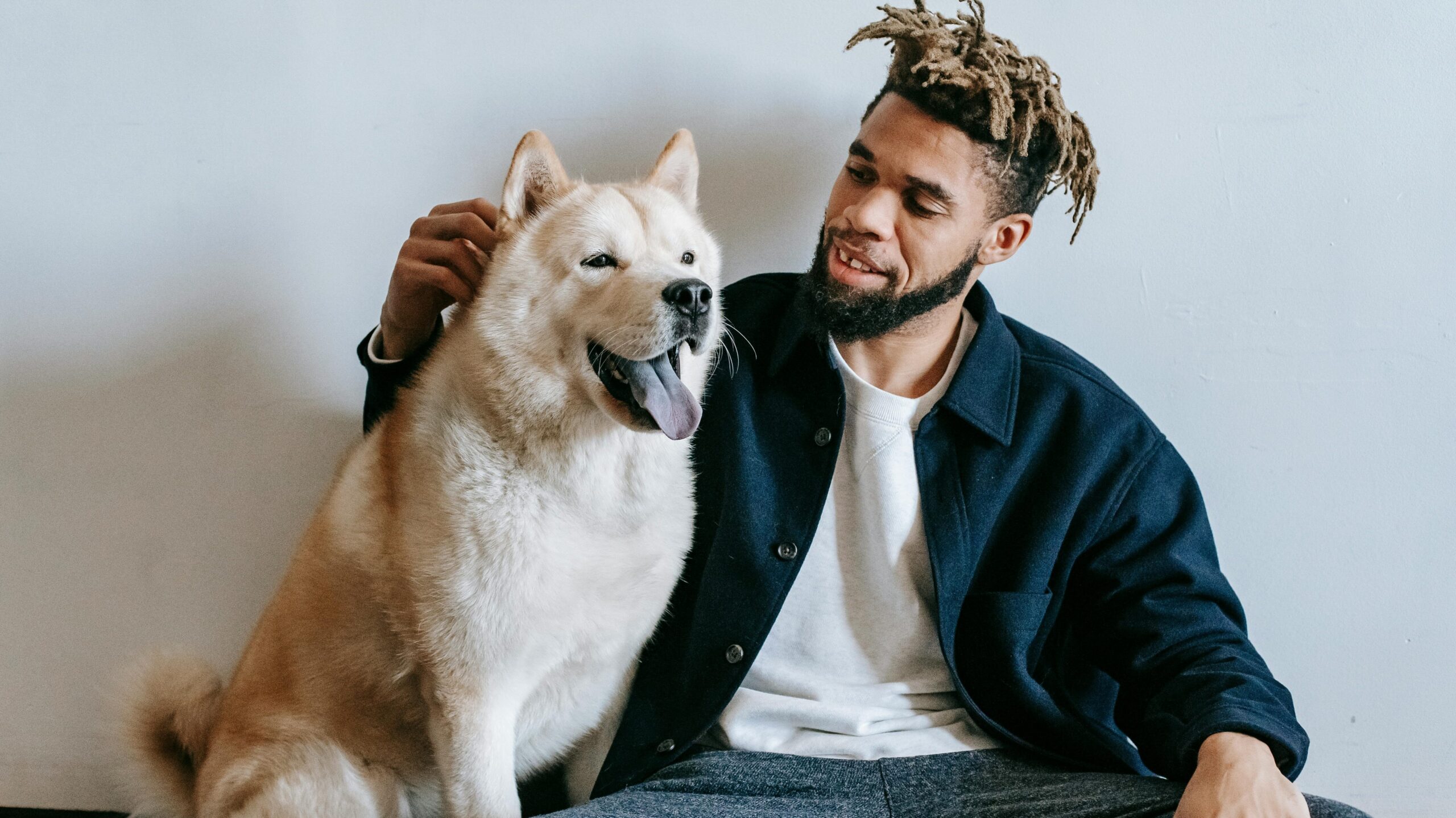
One of the biggest mistakes is forcing affection because you believe love should look a certain way. Hugging, restraining, or holding a dog still often increases fear.
Another mistake is punishing warning signs. Growling is communication, not misbehavior. When you punish it, you remove the warning without removing the fear.
When dogs hate being touched, ignoring their voice damages trust far more than respecting it.
Final Thoughts
When dogs hate being touched, they are not rejecting you. They are asking to be understood. Respecting those boundaries does not weaken your bond. It strengthens it.
Trust grows through patience, observation, and empathy. When you meet your dog where they are, rather than where you want them to be, you create a relationship built on safety and mutual respect.
![Fever in Dogs: Tips to Comfort Them [2024]](https://100dogbreeds.com/wp-content/uploads/2024/10/dog-fever-featured-768x512.jpg)