Urban Foraging for Dogs: Safe, Local Plants & Sniff Walks

City walks with your dog don’t have to be just about sidewalks and street crossings. There’s an entire world of scent, discovery, and natural curiosity that lies just beneath the surface of your daily routine. That’s where urban foraging for dogs comes in. This mindful practice is growing in popularity among dog parents who want to enrich their pups’ outdoor experiences while connecting with their local environment.
Why Urban Foraging for Dogs Matters: Sniff Walks and Canine Enrichment
Dogs experience the world primarily through scent. A sniff walk gives your dog a chance to investigate their surroundings at their own pace, which offers mental stimulation, lowers anxiety, and helps tire them out just as much as physical exercise. Adding elements of urban foraging for dogs turns these sniff walks into even more engaging adventures. When your dog is allowed to explore natural elements like local weeds, tree barks, herbs, and wildflowers (safely), the outing becomes a sensory buffet that supports natural behaviors.

Unlike rural or forest foraging, urban foraging for dogs focuses on what’s available locally — from sidewalk cracks to empty lots to community green spaces. The goal isn’t to feed your dog wild plants, but to let them engage with safe, non-toxic nature using their strongest sense.
How to Identify Dog-Safe Local Plants When Urban Foraging for Dogs

Not all plants are created equal, and what may seem harmless to us can pose serious risks to our pets. The first step in responsible urban foraging for dogs is identifying what’s safe and what isn’t. Luckily, many cities are full of dog-safe greenery that dogs can sniff or occasionally nibble under supervision.
Plants Dogs Can Safely Sniff (And Sometimes Nibble)
Some common safe options include:
- Dandelion (Taraxacum officinale): Great for sniffing, and in small amounts, even beneficial if consumed.
- Plantain (Plantago major): Not the banana – this weed is common in footpaths and open spaces.
- Clover (Trifolium): Often found in lawns and fields. Harmless when sniffed.
While foraging, let your dog sniff freely but discourage chewing unless you’ve positively identified the plant as safe.
Plants to Avoid During Urban Foraging for Dogs
Urban environments can also host toxic species. Stay away from:
- Oleander
- Lantana
- Sago Palm
- Castor Bean
- Nightshade varieties
Also avoid areas that are sprayed with pesticides or herbicides. If you’re unsure whether a plant is safe, don’t take the risk.
Related reads:
10 Common Household Items Toxic to Dogs You Might Overlook
Setting up Safe Sniff Walks: Combining Foraging Knowledge With Dog Routines
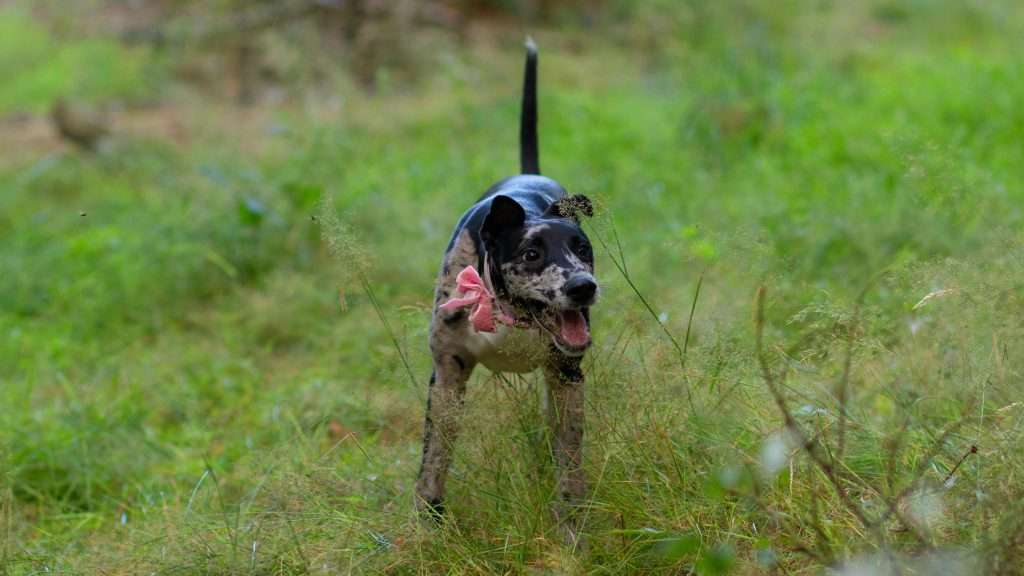
Sniff walks work best when they are slow, calm, and open to exploration. Rather than focusing on distance, allow your dog to decide the pace. Integrate urban foraging for dogs by choosing routes rich in plant life and low in traffic or trash.
Choosing the Right Route: Avoiding Contaminated Zones
Stay away from the bases of walls, lamp posts, and trees that are common urination spots for other dogs. These areas may carry parasites or bacteria. Instead, aim for:
- Tree-lined boulevards
- Community gardens (with permission)
- Park peripheries
- Urban nature trails
Make sure your dog doesn’t eat anything off the ground unless you’re confident it’s clean and safe.
Gear and Timing for Urban Foraging for Dogs Sniff Walks
A few helpful items to carry include:
- A short leash for better control
- Water and collapsible bowl
- Unscented wipes (in case they sniff something questionable)
- A plant ID app like PictureThis
- Dog-safe treats to redirect if needed
Morning walks are ideal before urban activity ramps up and temperatures rise. Wet seasons may expose more greenery, but also more mold and pathogens, so use caution.
Risks and Contamination: Poisons, Pathogens, Pollution
While urban foraging for dogs can be enriching, it’s important to be aware of city-specific risks. Plants growing near roads may absorb pollutants like heavy metals. Areas with stagnant water can be breeding grounds for harmful bacteria like Leptospira or parasites such as Giardia.
Other contamination sources include:
- Fertilizer and pesticide residues
- Dog and animal feces
- Human trash (chewing gum, broken glass, leftover food)
Always supervise your dog closely during urban foraging. If your dog licks or mouths an unknown plant, monitor for signs of distress like vomiting, drooling, or lethargy, and contact your vet immediately.
Urban Foraging for Dogs: Seasonal and Regional Plant Calendars

Depending on your city and climate, different safe plants flourish during different seasons. In many parts of India:
- Spring/Early Summer: Fresh clover, small weeds, and grasses
- Monsoon: Dandelions thrive
- Autumn/Winter: Hardy weeds like plantain often persist
Take pictures, note patterns, and learn from local foraging communities to understand what grows where and when. This turns urban foraging for dogs into a continuous learning journey.
Educate Yourself: Plant ID Tools and Local Guidelines
Technology makes it easier than ever to be a responsible forager. Download apps like:
- PictureThis
- iNaturalist
- PlantSnap
These tools help you verify plant names and potential toxicity. Also, familiarize yourself with local municipal guidelines. Some public parks prohibit picking plants or venturing off designated paths. Always practice leave-no-trace etiquette, and don’t dig or disturb plant roots unless permitted.
Integrating Urban Foraging for Dogs Into Regular Dog Care
Make urban foraging for dogs a weekly ritual. Your dog will begin to recognize familiar scents and become more confident exploring them. You might notice improved behavior, focus, and even calmer energy at home.
- Keep sessions short initially (20–30 minutes)
- Avoid high-traffic or overly crowded areas
- Document plants your dog shows interest in
- Watch for plant allergies (itching, sneezing, rashes)
Urban foraging is not a substitute for proper nutrition or vet care. It’s an enrichment tool, not a feeding method.
Final Thoughts
Incorporating urban foraging for dogs into your walking routine is a great way to break away from repetitive, hurried walks and turn everyday environments into rich, rewarding experiences. With the right plant knowledge, safety precautions, and respect for public spaces, your dog can enjoy their natural instincts in a modern city setting.
By observing, learning, and sharing what you find with other dog parents, urban foraging for dogs can grow into a community-oriented practice that connects both people and pets more deeply with nature — even in the middle of a busy city.