Toys for Dogs: Why They’re Essential for Your Dog’s Happiness

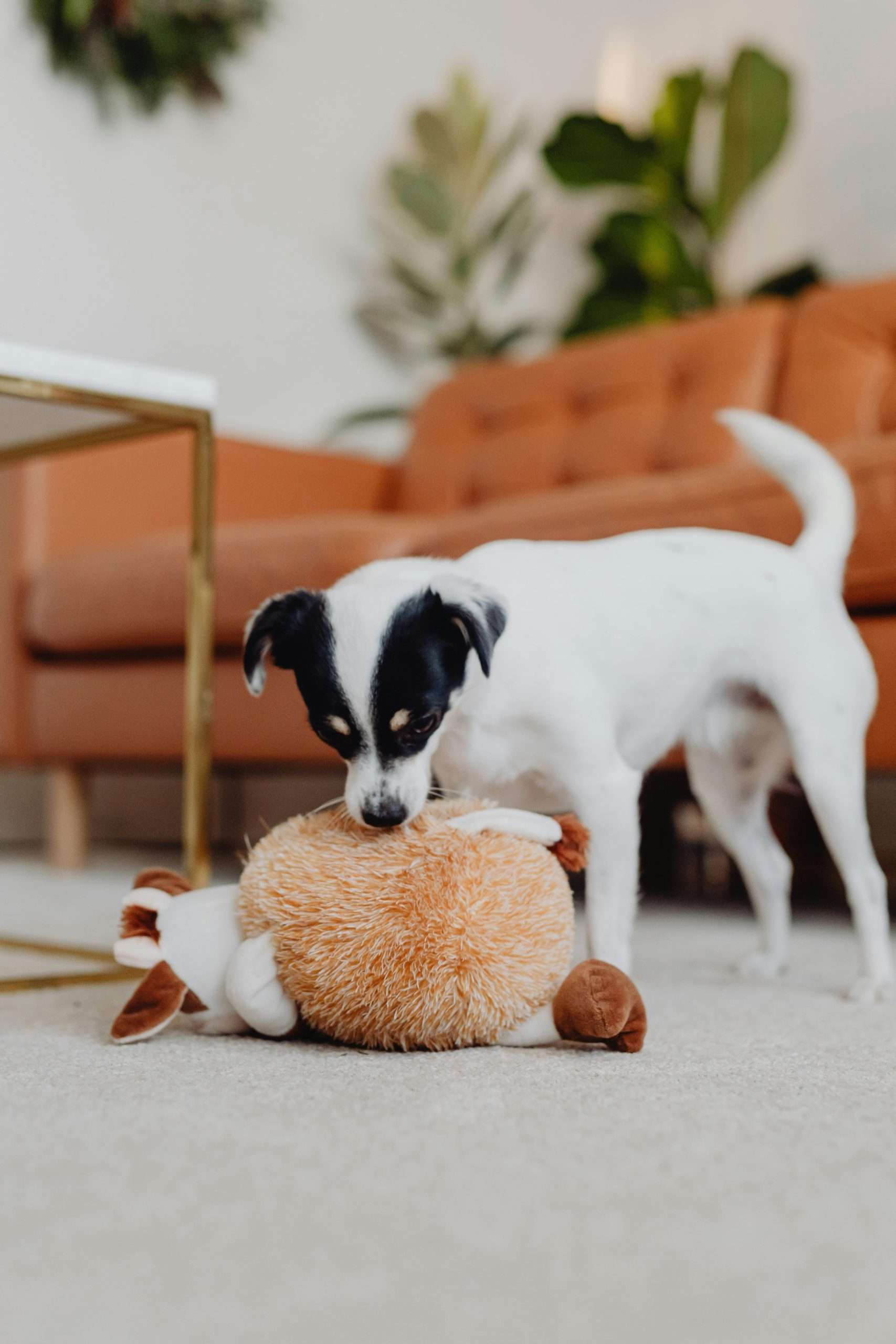
Your dog’s tail wags frantically as you reach for their favorite toy. But have you ever stopped to wonder why that simple object brings them so much joy? It turns out, toys for dogs are far more than just playthings – they’re essential tools for your canine companion’s well-being and happiness.
This isn’t just pet owner lore. The importance of these toys is reflected in the booming pet toys market, set to grow from US$ 2.89 billion in 2023 to an impressive US$ 5.90 billion by 2033. But what’s behind this explosive growth? What makes these seemingly simple objects so valuable?

From boosting mental sharpness to preventing destructive behaviors, the right toys for dogs can be game-changers in your pet’s life. Let’s uncover the surprising benefits that make these playthings crucial for your furry friend’s health and happiness. You might discover that the next toy you choose could unlock a whole new level of joy for your dog.
How Toys for Dogs Helps in Their Happiness
Mental Stimulation
Just as humans need mental challenges to keep their minds sharp, dogs require cognitive stimulation to stay happy and healthy. Dog toys, especially puzzle toys and interactive games, provide this crucial mental workout. These toys for dogs challenge your dog’s problem-solving skills, keeping their mind engaged and active. For instance, treat-dispensing puzzles can keep a dog occupied for hours, working their brain as they figure out how to access the hidden rewards.
Physical Exercise
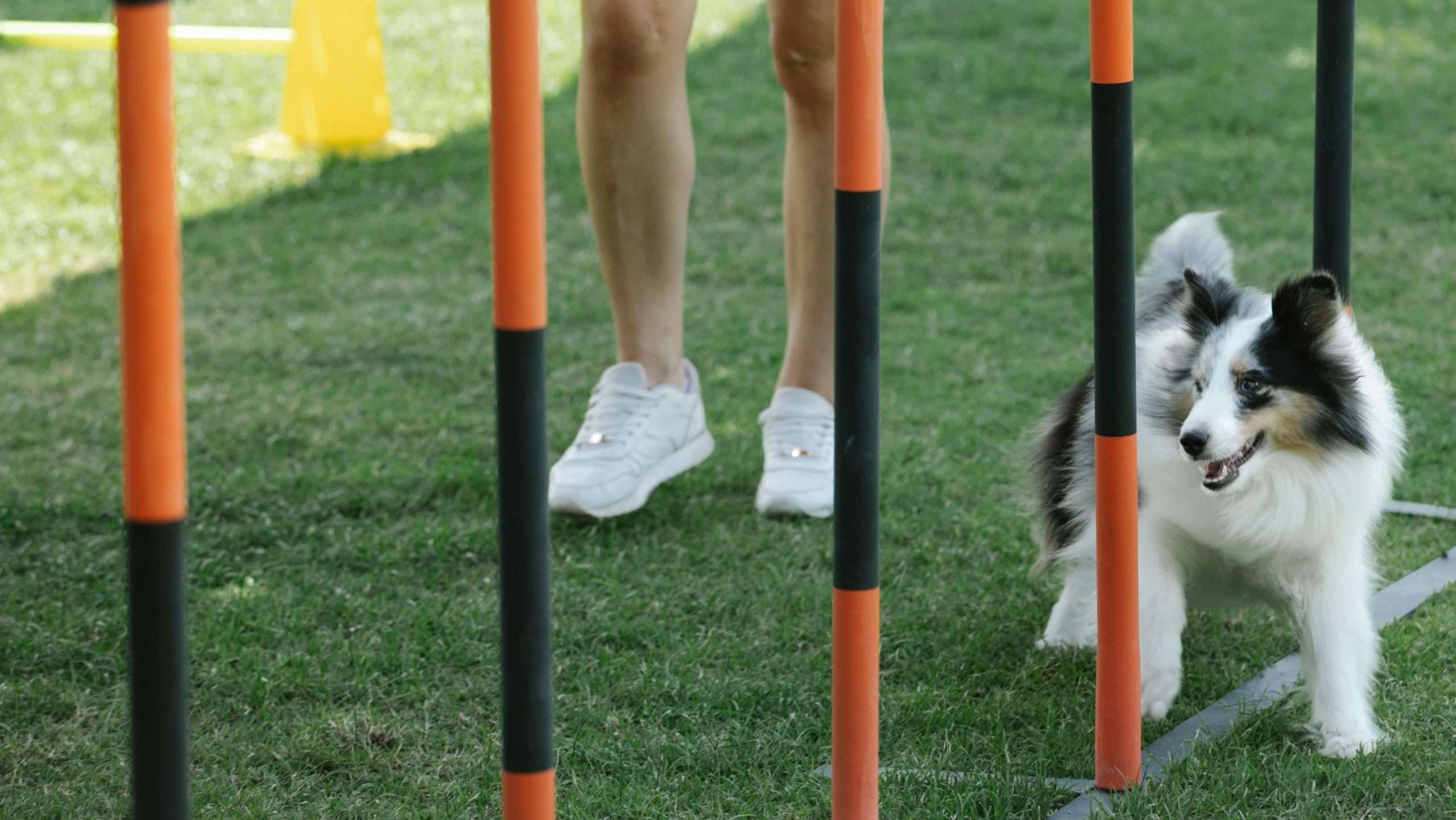
Regular physical activity is vital for a dog’s health, and dog toys play a significant role in encouraging active play. Fetch toys, frisbees, and tug ropes all promote different types of movement, helping your dog stay fit and maintain a healthy weight. Active play with toys for dogs also helps in releasing pent-up energy, which is particularly important for high-energy breeds or dogs that spend a lot of time indoors.
Emotional Well-being
Toys for dogs are more than just fun distractions; they can be a source of comfort and security for your pet. Soft plush toys, for example, can provide a sense of companionship, especially when dogs are left alone. The act of playing itself is a natural stress-reliever for dogs, helping to reduce anxiety and promote a sense of contentment.
How Dog Toys Contribute to a Dog’s Overall Health
Dental Health

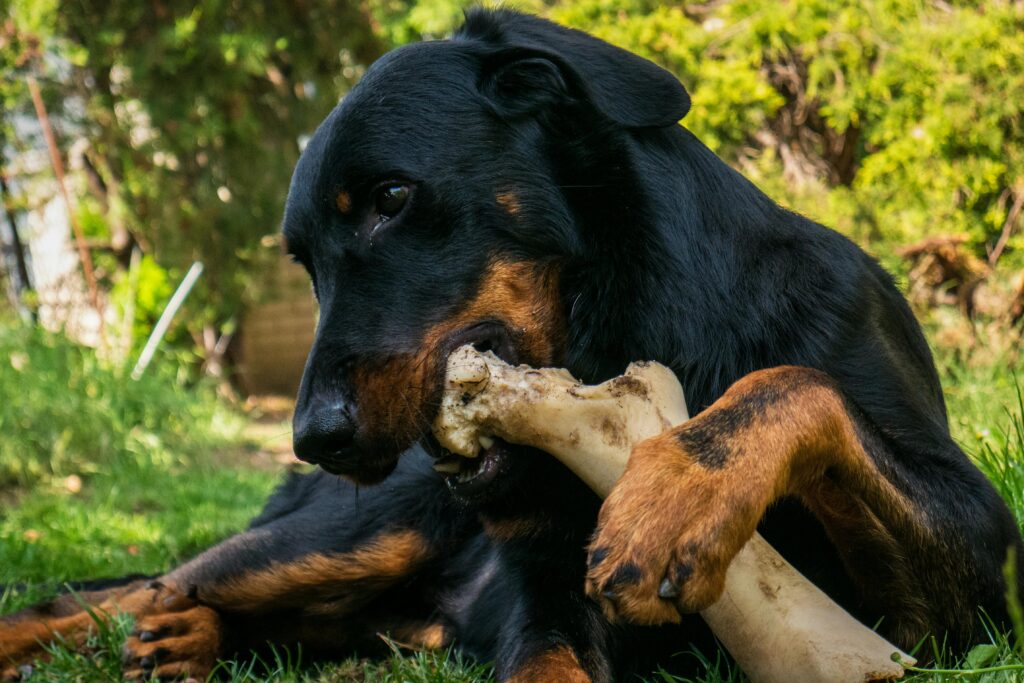
Chew toys serve a dual purpose: they satisfy a dog’s natural urge to chew while promoting dental health. Dog toys designed for chewing can help reduce plaque and tartar buildup, massaging gums and keeping teeth clean. This can contribute to better overall health, as poor dental hygiene in dogs can lead to more serious health issues.
Behavioral Benefits
Providing your dog with appropriate toys can prevent destructive behaviors that often stem from boredom or excess energy. Dog toys give your pet an outlet for natural behaviors like chewing and digging, redirecting these instincts away from your furniture or garden. Moreover, toys can help dogs develop independence and cope better with alone time, reducing separation anxiety.
Social Development
Interactive play with dog toys strengthens the bond between dogs and their human companions. When you engage in play with your dog, you’re not just having fun; you’re building trust, improving communication, and reinforcing positive behaviors. This social interaction is crucial for your dog’s emotional development and overall happiness.
Choosing the Right Dog Toys
Age-Appropriate Selections
When selecting dog toys, it’s important to consider your pet’s age. Puppies, for instance, might benefit from softer toys that soothe teething gums, while adult dogs may prefer more durable options. Senior dogs might appreciate softer toys that are gentle on aging teeth and jaws.
Breed-Specific Needs
Different dog breeds have different play styles and preferences. Herding breeds might enjoy toys that allow them to ’round up’, while terriers might prefer toys they can ‘hunt’ and shake. Consider your dog’s size, jaw strength, and natural instincts when choosing toys to ensure they’re both enjoyable and safe.
Safety Considerations
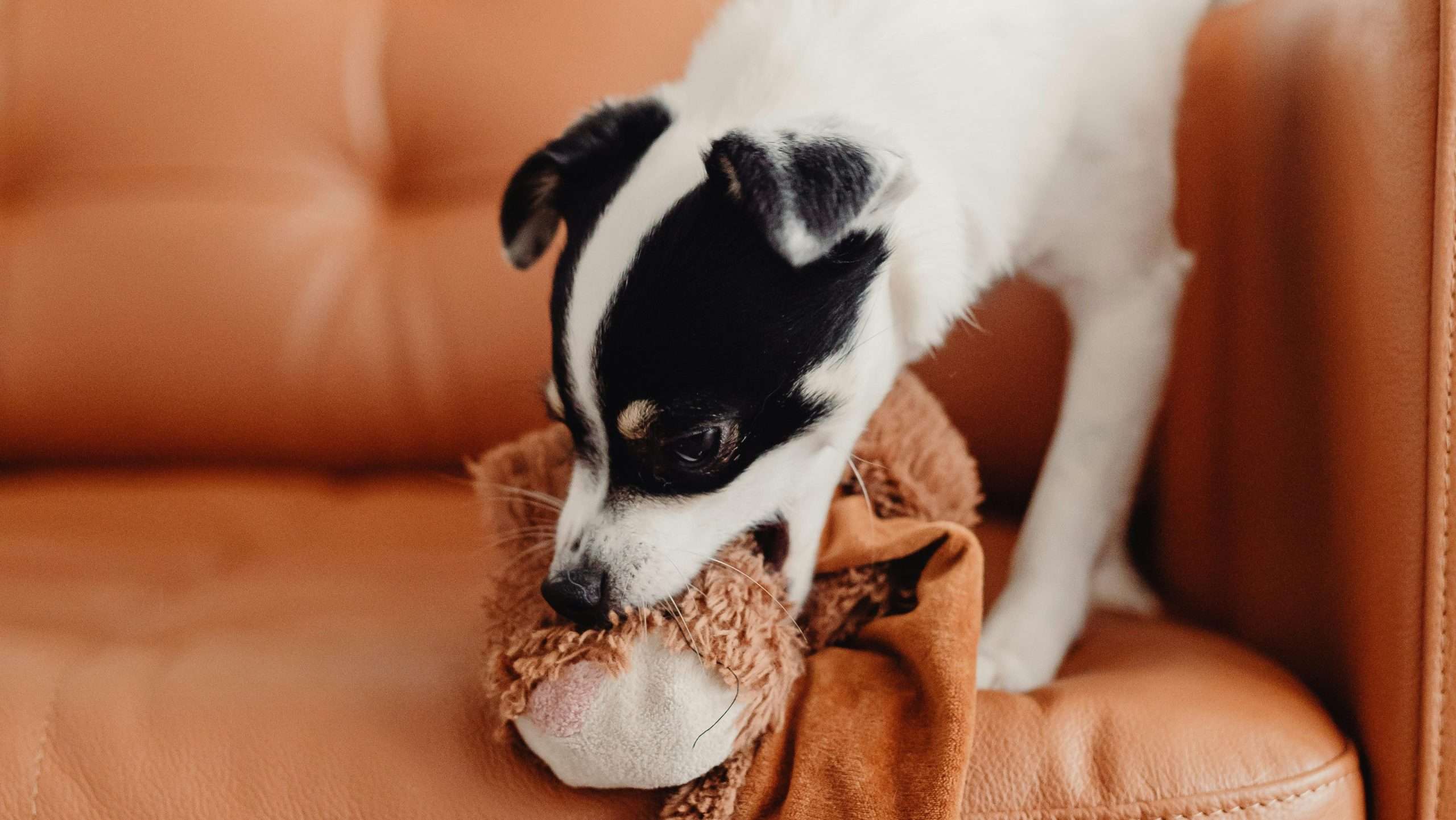
Always prioritize safety when selecting dog toys. Avoid toys with small parts that could be swallowed, and regularly inspect toys for wear and tear. Replace any damaged toys promptly to prevent choking hazards or ingestion of toy fragments.
Types of Dog Toys for Maximum Happiness
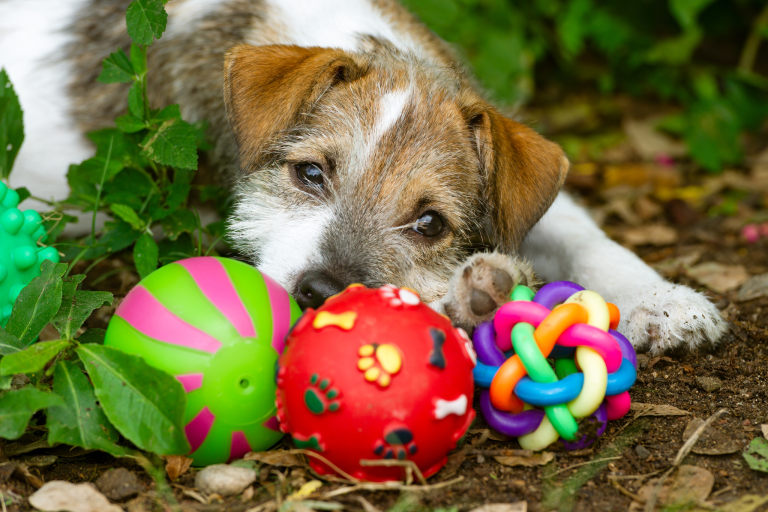
- Chew Toys: Durable rubber or nylon toys for heavy chewers.
- Puzzle Toys: Interactive toys that challenge your dog’s mind.
- Fetch Toys: Balls, frisbees, and other throwable toys for active play.
- Tug Toys: Rope toys for interactive play and dental health.
- Plush Toys: Soft toys for gentle play and comfort.
- Interactive Electronic Toys: Modern toys that move or make sounds to engage your dog.
Related reads:
All About the Different Types of Dog Toys – [2024]
Incorporating Dog Toys into Daily Routines
To maximize the benefits of dog toys, integrate them into your pet’s daily life. Rotate toys regularly to maintain interest and prevent boredom. Use toys as rewards during training sessions to reinforce positive behaviors. Balance supervised play with opportunities for independent exploration of toys.
Saying Goodbye
Dog toys are far more than just fun accessories; they are essential tools for promoting your dog’s happiness and overall well-being. From providing mental stimulation and physical exercise to offering comfort and preventing behavioral issues, the right toys can significantly enhance your dog’s quality of life. By understanding the importance of dog toys and choosing them wisely, you can ensure that your furry friend leads a joyful, healthy, and fulfilling life.
FAQs
- How often should I replace my dog’s toys?
Regularly inspect toys for wear and tear. Replace chew toys when they become small enough to swallow, and discard any toys that are falling apart.
- Are there any household items that can be safe dog toys?
Some household items like tennis balls or cardboard boxes can be safe for supervised play, but always prioritize toys designed specifically for dogs to ensure safety.
- How many toys does a dog need?
The number varies, but having a variety of 5-10 toys that serve different purposes (chewing, fetching, mental stimulation) is generally sufficient.
- Can dog toys help with separation anxiety?
Yes, certain toys can provide comfort and distraction, helping dogs cope better when left alone. Interactive toys that dispense treats can be particularly effective.
- What are the best dog toys for aggressive chewers?
Look for toys made from durable materials like robust rubber or nylon. Many brands offer specific lines designed for heavy chewers.

![All About the Different Types of Dog Toys – [2024]](https://100dogbreeds.com/wp-content/uploads/2024/06/types-of-dog-toys-768x512.jpg)
![DIY Dog Toys to Keep Them Busy [2024]](https://100dogbreeds.com/wp-content/uploads/2024/07/DIY-dog-toys-featured-768x512.jpg)