How to Teach Your Dog Not to Bark at Strangers: 7 Tips

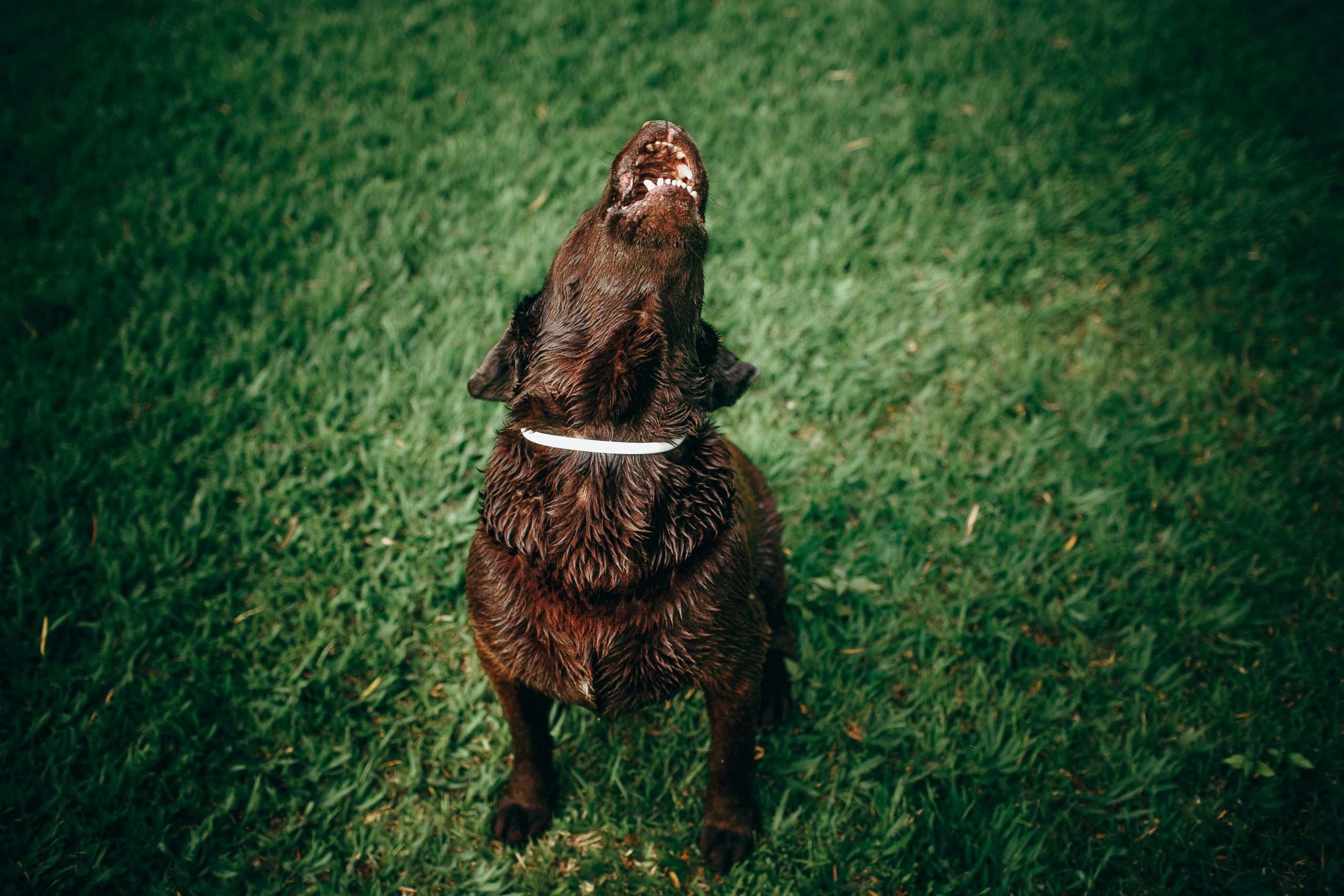
Are you tired of cringing every time someone walks by your house, knowing your dog is about to bark continuously? You’re not alone. Excessive barking at strangers is a common frustration for many dog owners, but what if there was a way to transform your dog into a calm, quiet companion?
In this guide, we’ll uncover the secrets on how to teach your dog not to bark at strangers. From understanding the root causes of this behavior to implementing proven training techniques, you’re about to discover how to restore peace to your home and walks. Ready to turn those barks into peaceful wags? Let’s dive in.

Understanding Why Dogs Bark at Strangers

Before we dive into training techniques, it’s crucial to understand why your dog might be barking at strangers in the first place. Dogs may bark at unfamiliar people for several reasons:
Territorial Behavior
Many dogs view their home and surrounding area as their territory. When a stranger enters this space, your dog may bark to alert you of the potential “intruder” and to warn the stranger to stay away.
Fear or Anxiety
Some dogs bark at strangers out of fear or anxiety. This is especially common in dogs that weren’t properly socialized as puppies or those who have had negative experiences with unfamiliar people.
Excitement or Over-stimulation
Not all barking is negative. Some dogs bark at strangers simply because they’re excited and want to greet the new person. However, this can still be problematic if not controlled.
Lack of Socialization
Dogs that haven’t been exposed to a variety of people during their critical socialization period (between 3 and 16 weeks of age) may be more likely to bark at strangers out of uncertainty.
Basic Training Techniques to Teach Your Dog Not to Bark at Strangers
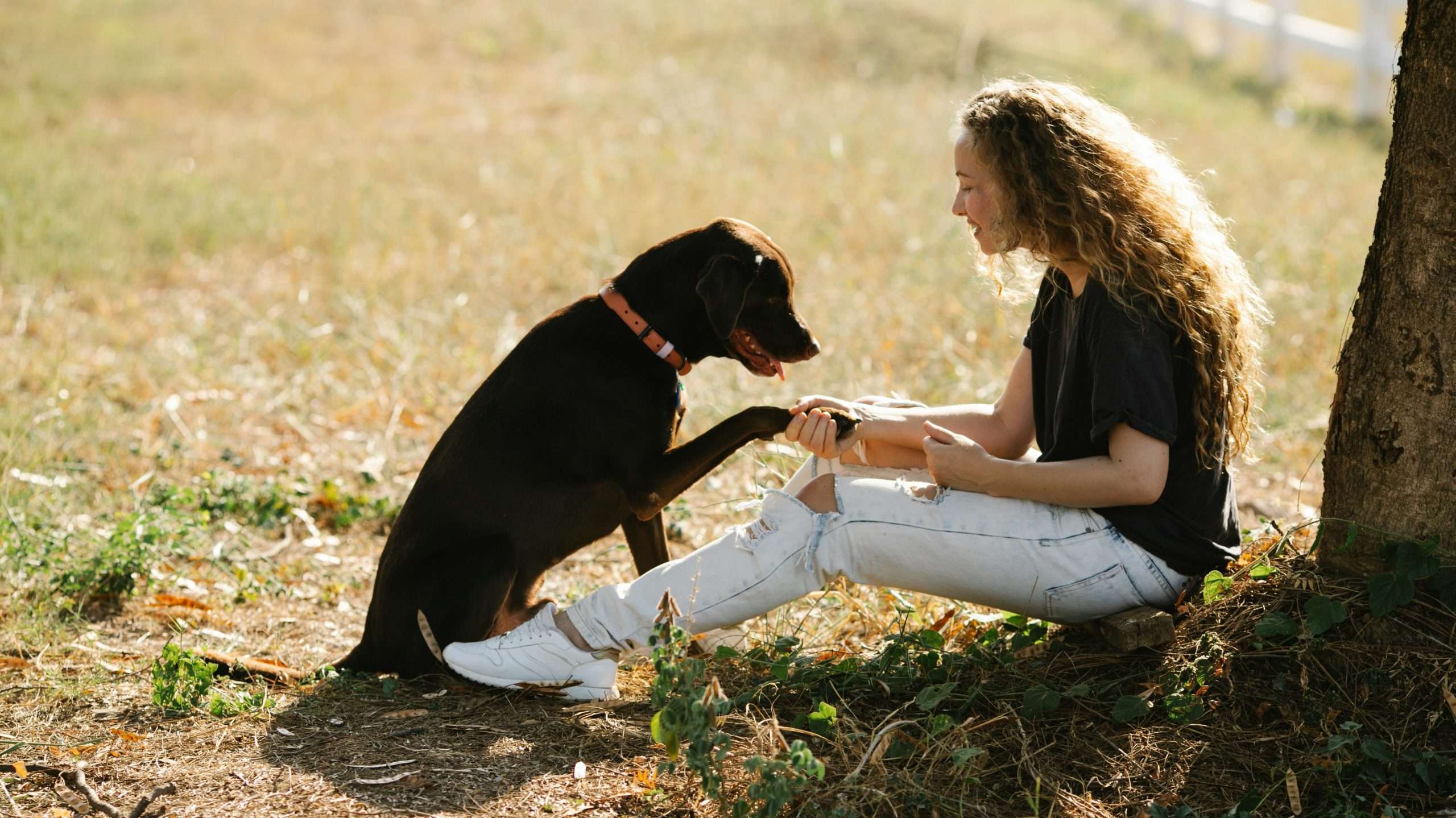
Now that we understand the ‘why’, let’s focus on the ‘how’. Here are some fundamental training techniques to help teach your dog not to bark at strangers:
The “Quiet” Command
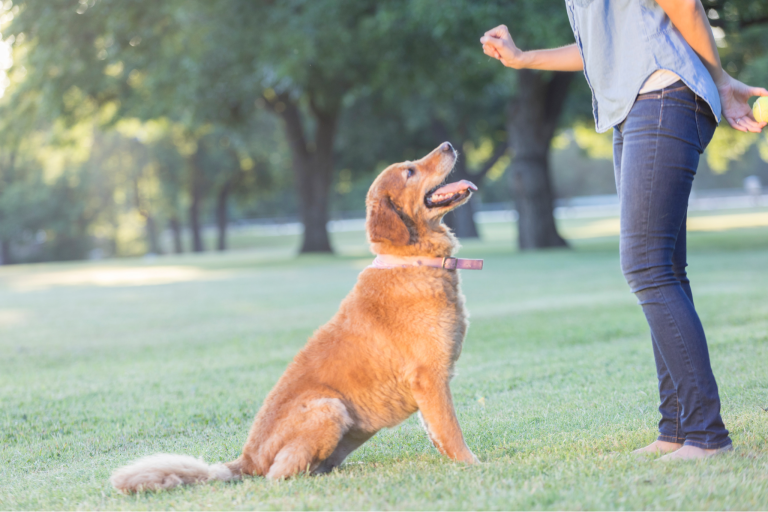
Teaching your dog a “quiet” command is a valuable tool in managing barking behavior.
- When your dog starts barking, say “quiet” in a calm, firm voice.
- Wait for them to stop barking, even if just for a moment.
- Immediately reward them with a treat and praise.
- Repeat this process, gradually increasing the duration of quiet time before rewarding.
Positive Reinforcement
Positive reinforcement is key when you teach your dog not to bark at strangers. Reward your dog for calm behavior around strangers with treats, praise, or their favorite toy. This helps them associate strangers with positive experiences.
Consistency is Key
Consistency is crucial in all dog training, especially when you’re trying to teach your dog not to bark at strangers. Ensure all family members are on board with the training methods and use them consistently.
Specific Methods to Teach Your Dog Not to Bark at Strangers
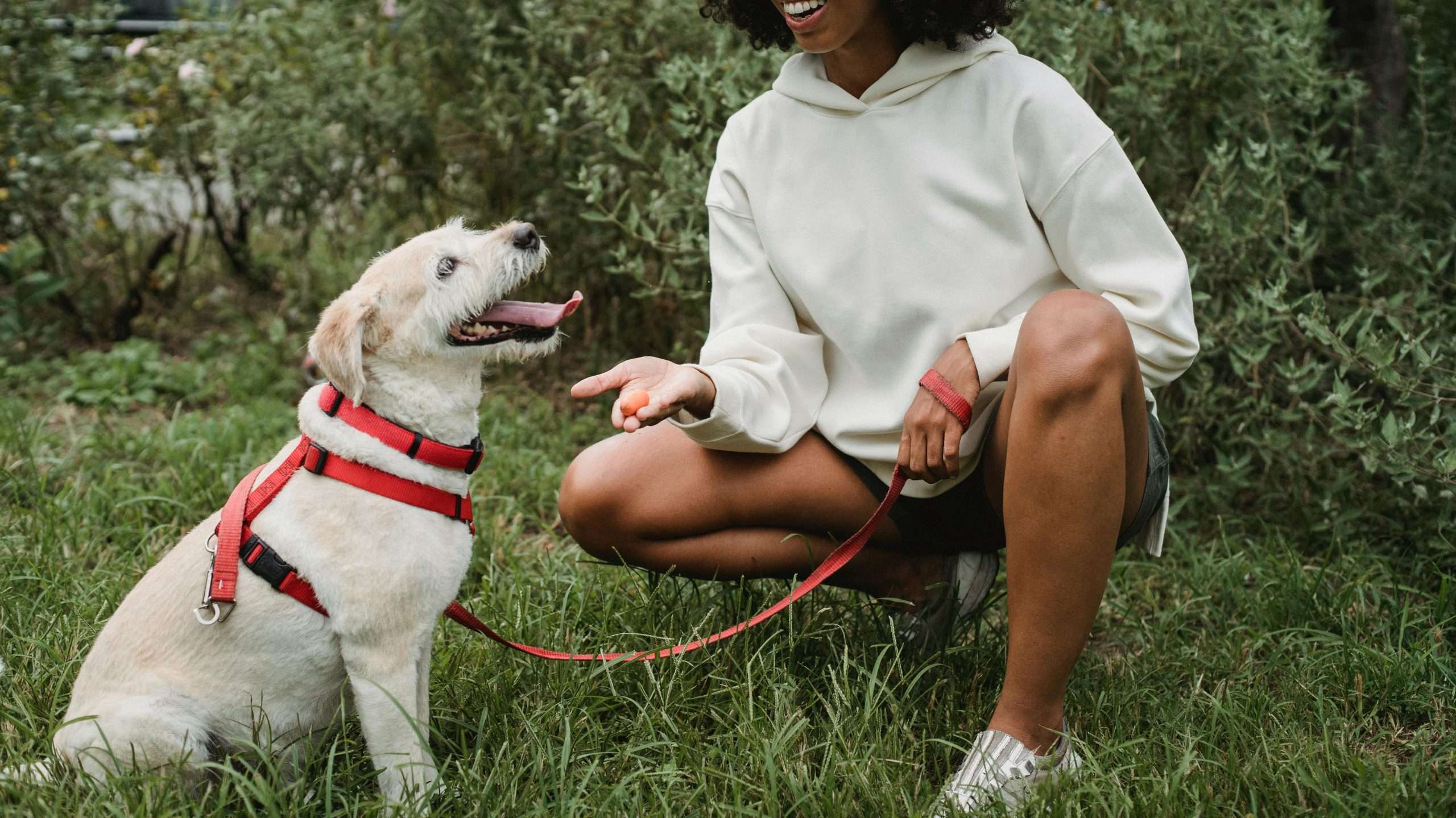
Desensitization Technique
Desensitization involves gradually exposing your dog to the stimulus that triggers barking (in this case, strangers) in a controlled way.
- Start with the trigger (a stranger) at a distance where your dog notices them but doesn’t bark.
- Reward your dog for calm behavior.
- Gradually decrease the distance between your dog and the stranger, always rewarding calm behavior.
- If your dog starts to bark, increase the distance and start again.
Distraction Method
When you spot a stranger before your dog does:
- Get your dog’s attention with a toy or treat.
- Keep them focused on you as the stranger passes.
- Reward them for remaining calm and focused on you.
“Go to Your Spot” Training
Teaching your dog to go to a specific spot when strangers arrive can be very effective:
- Choose a spot (like a mat or bed) away from the door.
- Train your dog to go to this spot on command.
- When someone arrives, tell your dog to go to their spot.
- Reward them for staying there calmly.
Leash Training for Walks
When you teach your dog not to bark at strangers during walks:
- Keep your dog’s attention on you with treats or toys.
- If they start to bark at a passing stranger, turn and walk in the opposite direction.
- Once they’re calm, turn back and reward them for quiet behavior.
Managing the Environment to Teach Your Dog Not to Bark at Strangers
Limiting Visual Triggers
If your dog barks at strangers they see through windows:
- Close curtains or blinds.
- Use window film that obscures the view while letting in light.
- Restrict access to rooms with street-facing windows.
Creating a Calm Home Atmosphere
A relaxed dog is less likely to bark excessively. Create a calm environment by:
- Using calming scents like lavender.
- Playing soft, classical music.
- Providing comfortable resting areas away from high-traffic zones.
Proper Exercise and Mental Stimulation
A tired dog is often a quiet dog. Ensure your pet gets enough physical exercise and mental stimulation:
- Regular walks and playtime.
- Puzzle toys and treat-dispensing games.
- Training sessions that challenge their mind.
Advanced Strategies to Teach Your Dog Not to Bark at Strangers
Controlled Exposure to Strangers
Gradually expose your dog to more people in controlled settings:
- Invite friends your dog doesn’t know to visit.
- Ask them to ignore your dog initially.
- Reward your dog for calm behavior around these “strangers”.
Socialization Exercises
Even adult dogs can benefit from socialization:
- Take your dog to dog-friendly public places.
- Reward calm behavior around strangers.
- Gradually increase the duration and complexity of these outings.
Professional Training Options
If you’re struggling to teach your dog not to bark at strangers on your own, consider:
- Group training classes for socialization.
- One-on-one sessions with a professional dog trainer.
- Behavior modification programs for severe cases.
Common Mistakes to Avoid When You Teach Your Dog Not to Bark at Strangers

Yelling or Punishing
Yelling at your dog for barking can be counterproductive:
- Your dog may interpret yelling as you joining in.
- Punishment can increase anxiety, potentially worsening the barking.
Inconsistent Responses
Inconsistency can confuse your dog:
- Sometimes allowing barking and sometimes discouraging it sends mixed signals.
- All family members should use the same approach.
Reinforcing the Barking Behavior Unintentionally
Be careful not to accidentally reward barking:
- Giving attention (even negative) can reinforce the behavior.
- Allowing your dog to “bark it out” can make the habit harder to break.
Related reads:
Learn The Top 6 Methods of Positive Reinforcement in Dog Training
Tail End
Teaching your dog not to bark at strangers is a process that requires patience, consistency, and understanding. Remember, your dog’s barking is a form of communication, and it’s your job to teach them when it’s appropriate. By understanding the reasons behind the barking, using positive reinforcement techniques, and managing your dog’s environment, you can help your furry friend become a calmer, more confident companion.
Stay patient and consistent in your efforts to teach your dog not to bark at strangers. With time and practice, you’ll notice significant improvements in your dog’s behavior, leading to a more peaceful home and enjoyable walks for both of you.
Frequently Asked Questions
Can you teach an older dog not to bark at strangers?
Yes, while it may take more time and patience, older dogs can learn new behaviors. Consistency and positive reinforcement are key.
How long does it take to train a dog not to bark at strangers?
The time frame can vary greatly depending on the dog’s personality, the consistency of training, and the severity of the behavior. Some dogs may show improvement in a few weeks, while others may take months.