6 Ways to Stop Your Dog from Peeing in the House

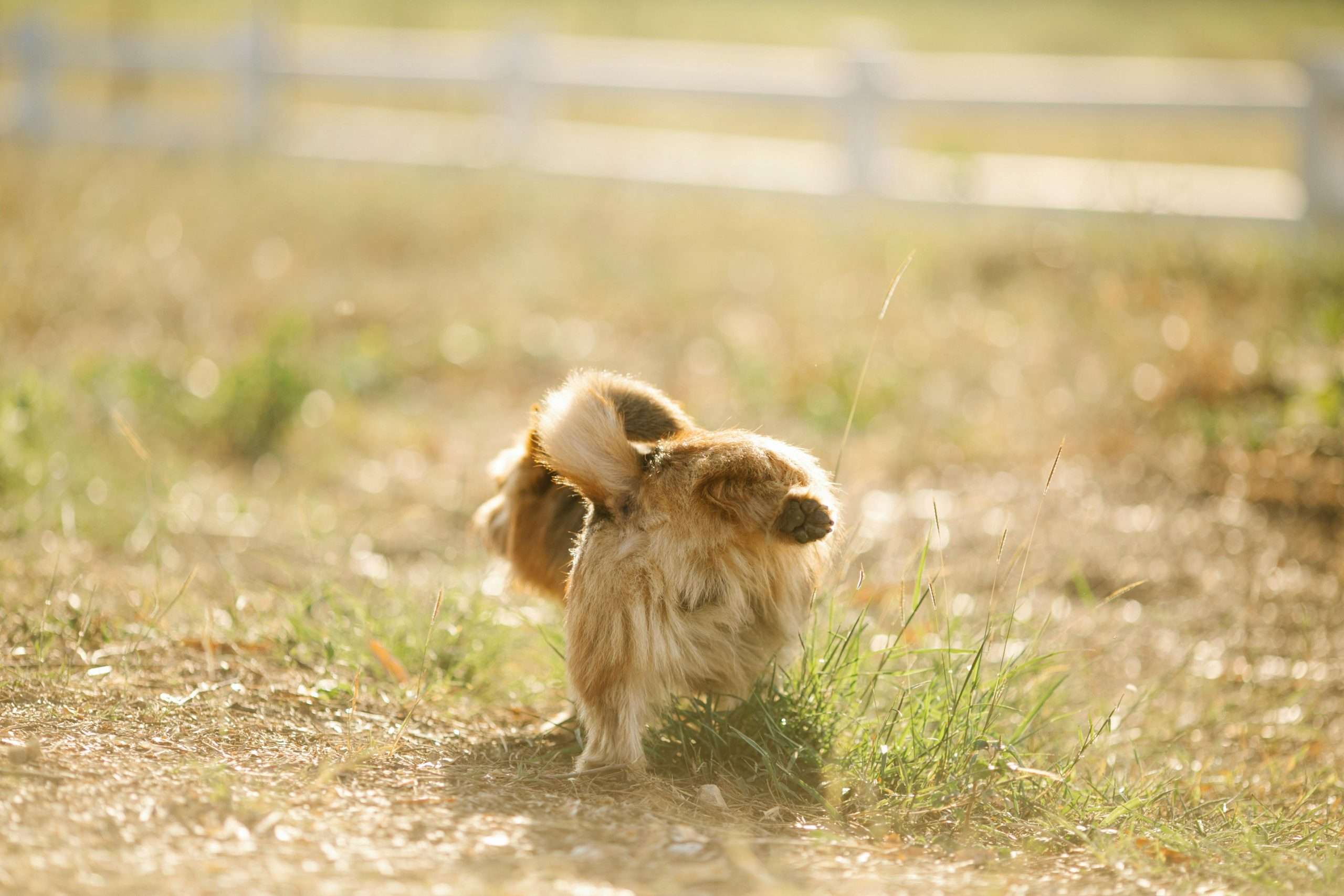
Tired of coming home to unwelcome puddles on your floor? Countless dog owners face this exact challenge. Trying to stop your dog from peeing in the house can feel like an uphill battle, leading to frustration, embarrassment, and endless cleaning.
But what if you could solve this problem for good?

In this guide, we’ll uncover why your furry friend might be using your home as a bathroom and reveal six proven strategies to end this messy issue. Whether you’re dealing with a puppy, an adult dog with new bad habits, or an aging pet, we’ve got the solutions you need.
Ready to reclaim your clean, fresh-smelling home? Let’s dive in and discover how to stop your dog from peeing in the house once and for all.
Understanding Why Dogs Pee in the House
Before we dive into solutions, it’s crucial to understand why your dog might be urinating indoors. There are several potential reasons, both medical and behavioral, that could be causing this issue.
Medical Reasons
- Urinary Tract Infections (UTIs): Just like humans, dogs can suffer from UTIs, which can cause frequent and urgent urination.
- Incontinence: This is especially common in older dogs or spayed females and can lead to involuntary urination.
- Age-related Issues: Senior dogs may develop cognitive dysfunction or physical limitations that make it difficult to control their bladder.
Behavioral Reasons
- Lack of House Training: Puppies or dogs from shelters may not have been properly house trained.
- Marking Territory: This is more common in unneutered males but can occur in any dog.
- Anxiety or Stress: Changes in the household or other stressors can lead to inappropriate urination.
Now that we understand the potential causes, let’s explore 6 proven ways to stop your dog from peeing in the house.
6 Proven Ways to Stop Your Dog from Peeing in the House
1. Establish a Consistent Routine
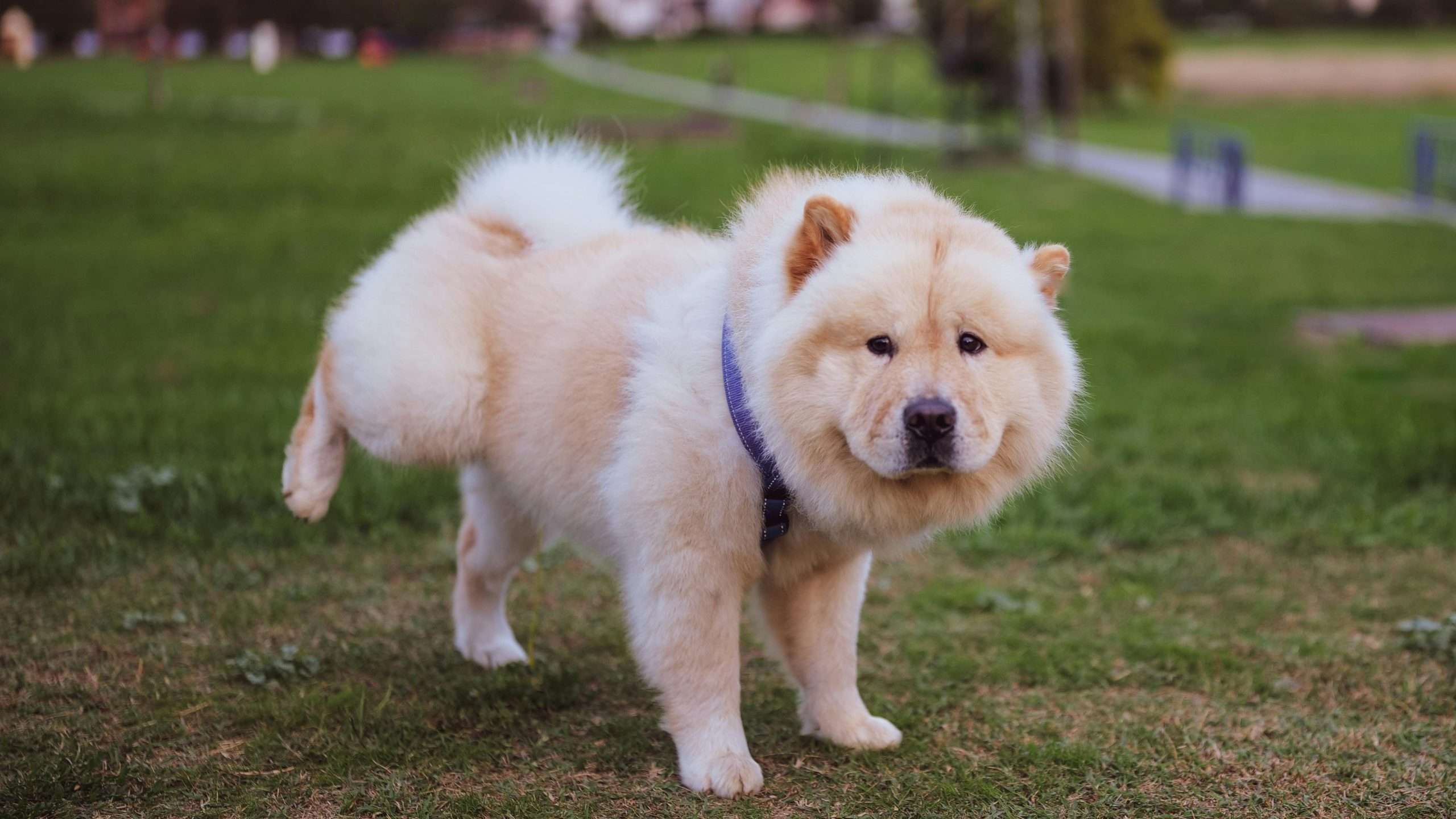
One of the most effective ways to stop your dog from peeing in the house is to establish a consistent routine. This includes:
- Regular feeding times: Feed your dog at the same times each day.
- Scheduled potty breaks: Take your dog out first thing in the morning, after meals, before bedtime, and at regular intervals throughout the day.
By creating a predictable schedule, you’re helping your dog learn when it’s time to eliminate and reducing the chances of accidents.
2. Supervise and Manage Your Dog
Close supervision is key when you’re trying to stop your dog from peeing in the house. Here’s how:
- Use crates or baby gates to limit your dog’s access to certain areas of the house when you can’t supervise them directly.
- Watch for signs that your dog needs to go, such as sniffing, circling, or whining.
- If you catch your dog in the act of peeing inside, interrupt them calmly and immediately take them outside.
3. Positive Reinforcement Training
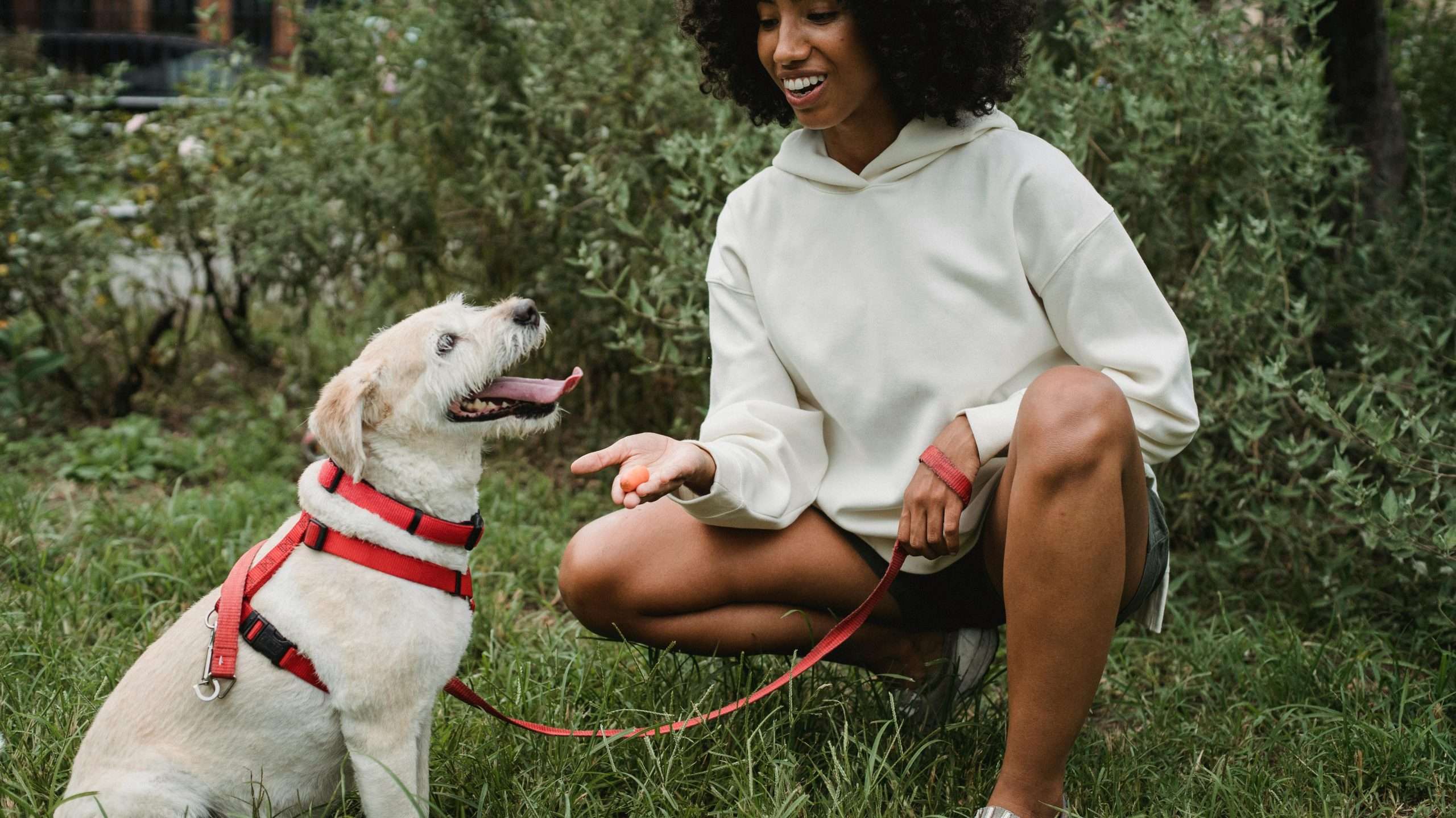
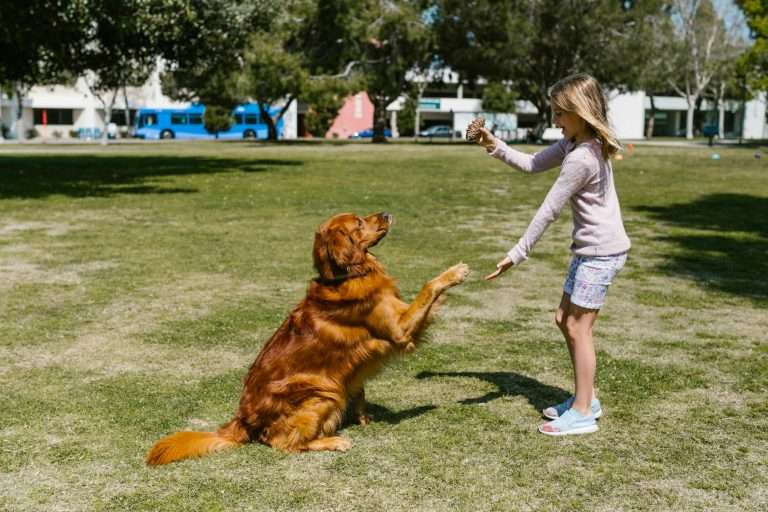
Positive reinforcement is a powerful tool in house training your dog:
- Reward your dog with treats, praise, or playtime immediately after they eliminate outside.
- Never punish your dog for accidents indoors. This can create anxiety and make the problem worse.
- If you find an accident after the fact, simply clean it up without scolding your dog.
Related reads:
Learn The Top 6 Methods of Positive Reinforcement in Dog Training
4. Address Medical Issues
If you suspect a medical issue might be causing your dog’s indoor urination:
- Schedule regular check-ups with your veterinarian.
- If your dog suddenly starts peeing inside after being house trained, consult your vet to rule out medical causes.
- Follow through with any treatments prescribed for conditions like UTIs or incontinence.
5. Eliminate Odors
Dogs are drawn to pee in areas where they smell urine. To prevent repeat accidents:
- Use enzymatic cleaners specifically designed to eliminate pet urine odors.
- Avoid ammonia-based cleaners, which can smell similar to urine and encourage remarking.
- Consider using a blacklight to find old urine stains that might be encouraging your dog to pee in the same spot.
6. Create a Stress-Free Environment
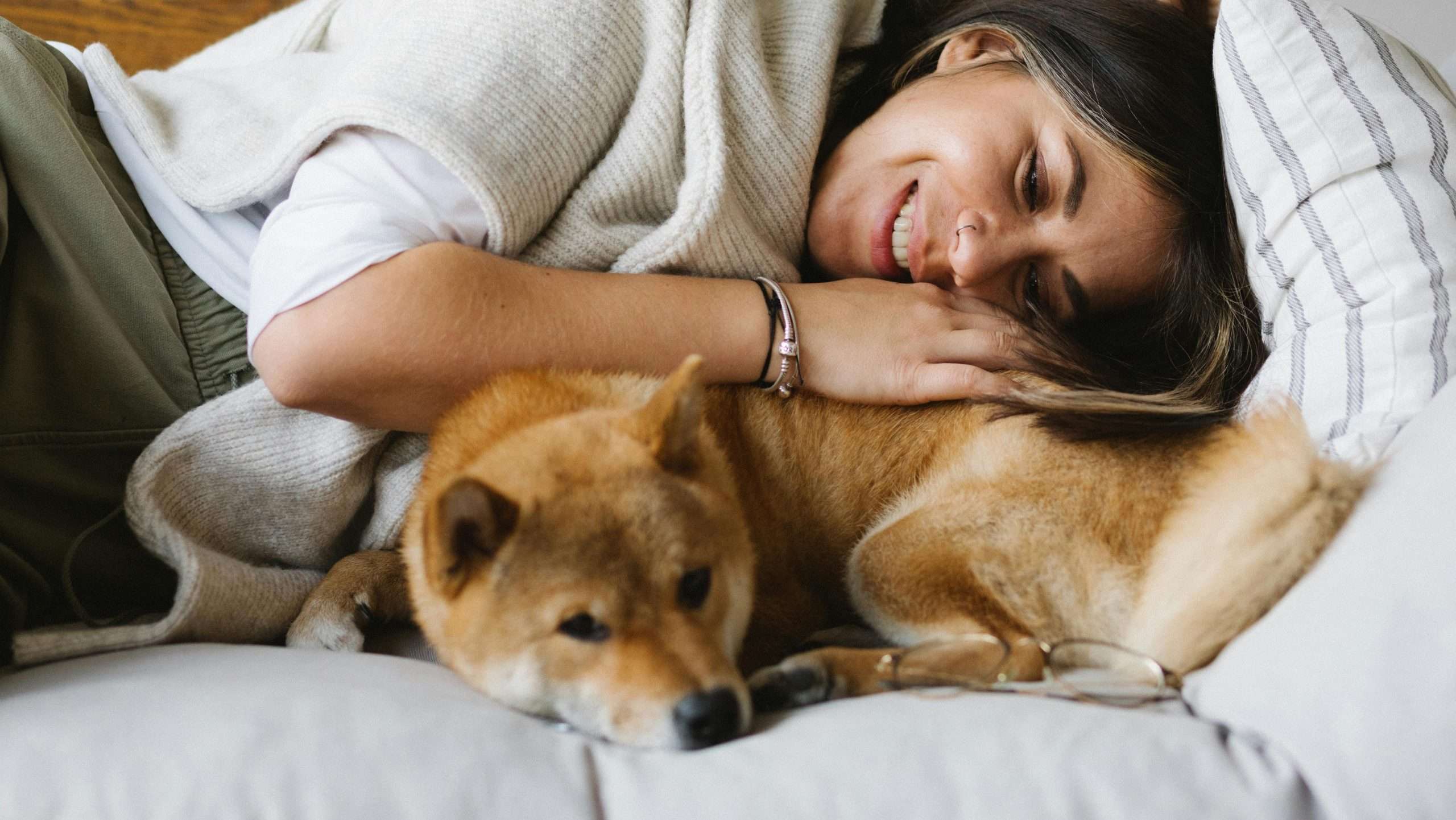
Stress and anxiety can lead to indoor urination. To help your dog feel more secure:
- Identify and reduce potential stressors in your dog’s environment.
- If there have been recent changes in the household (new baby, new pet, moving house), give your dog extra attention and reassurance.
- Consider using pheromone diffusers or calming supplements if your dog seems anxious.
Additional Tips for Stopping Dog Peeing in the House
While the above six methods are your primary tools for stop your dog from peeing in the house, here are some additional tips that can help:
- Increase potty breaks: If your dog is having frequent accidents, try taking them out more often.
- Spay or neuter: This can reduce marking behavior, especially in male dogs.
- Consider professional help: If you’re struggling to make progress, a professional dog trainer or behaviorist can provide personalized advice.
Dealing with Specific Scenarios
Nighttime Accidents
If your dog is peeing in the house at night:
- Limit water intake a few hours before bedtime.
- Take your dog out for a final potty break right before bed.
- For puppies or older dogs, you might need to set an alarm for a middle-of-the-night potty break.
Peeing When Left Alone
If your dog only pees indoors when left alone:
- Gradually accustom your dog to being alone for longer periods.
- Provide plenty of exercise and mental stimulation before you leave.
- Consider using a dog walker or doggy daycare if you’re away for long periods.
Submissive Urination
For dogs who pee when excited or scared:
- Avoid looming over or making direct eye contact with your dog during greetings.
- Keep greetings low-key to prevent over-excitement.
- Build your dog’s confidence through positive training experiences.
Until Next Time!
Stopping a dog from peeing in the house requires patience, consistency, and understanding. Remember that every dog is unique, and what works for one might not work for another. The key is to stay positive, be patient, and celebrate the small victories along the way.
By implementing these strategies and addressing any underlying medical or behavioral issues, you can help your dog learn to eliminate outside consistently. With time and effort, you’ll be able to enjoy a clean, odor-free home and a happier, more confident dog.
FAQs
How long does it take to stop a dog from peeing in the house?
The time it takes can vary greatly depending on the dog’s age, previous training, and any underlying issues. With consistency, most dogs show significant improvement within a few weeks to a few months.
Can I use puppy pads to stop my dog from peeing on the floor?
While puppy pads can be a temporary solution, they can also confuse dogs about where it’s appropriate to eliminate. It’s generally better to focus on outdoor training from the start.
My older dog has started peeing in the house. What should I do?
First, consult with your veterinarian to rule out medical issues. If it’s age-related incontinence, your vet may recommend medication or other management strategies.