How to Stop resource guarding in dogs Safely

Dogs form strong attachments to things they value. For some dogs, that attachment turns into a protective behavior known as resource guarding in dogs. This behavior often appears when a dog tries to protect food, toys, sleeping areas, or even people from being approached. It may start with subtle signals such as stiff body posture or eating faster when someone walks nearby.
While it can be concerning, resource guarding in dogs is actually a natural instinct rooted in survival. In the wild, animals needed to protect resources to survive. Domestic dogs still carry that instinct, although it can create challenges in a home environment.

The good news is that this behavior can be improved with the right approach. Instead of punishment or force, safe training methods focus on building trust and teaching dogs that people approaching their belongings is a positive experience. Understanding why resource guarding in dogs happens is the first step toward helping your dog feel secure and relaxed.
What Is resource guarding in dogs?
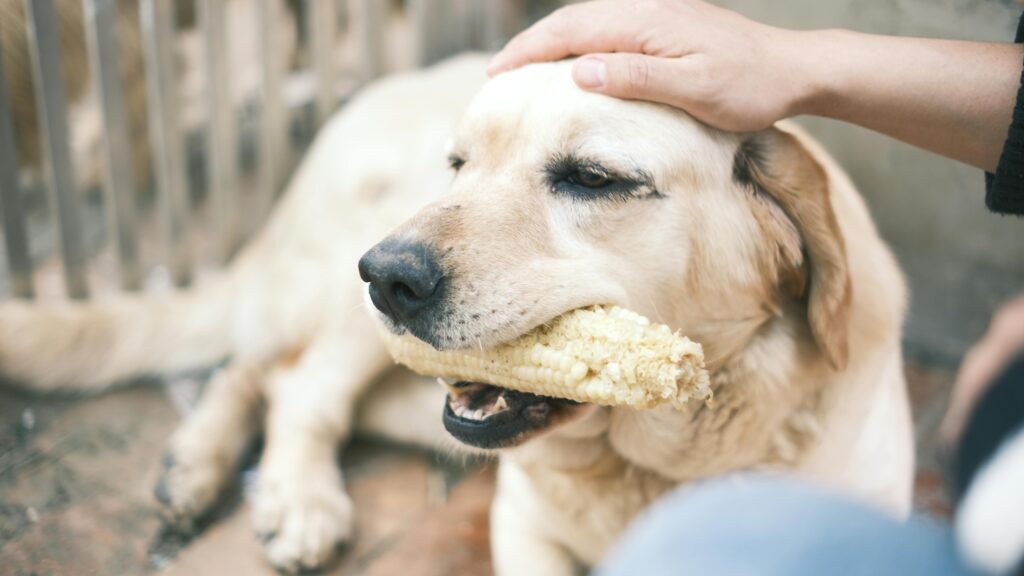
Resource guarding in dogs refers to a behavior where a dog tries to protect something they consider valuable. The resource can be almost anything. Common examples include food bowls, treats, toys, bones, beds, or even a favorite human companion.
A dog displaying resource guarding in dogs behavior may attempt to control access to the object by showing warning signals. These signals may begin subtly. The dog might hover over the object, eat faster, or position their body in a way that blocks others from getting close.
In more serious cases, resource guarding in dogs can involve growling, snapping, or lunging if someone approaches the guarded item. This behavior is not necessarily a sign that the dog is aggressive by nature. Often, it is simply a sign that the dog feels worried about losing something important.
Understanding the motivation behind resource guarding in dogs helps owners respond calmly and choose training methods that build confidence instead of fear.
Common Signs of resource guarding in dogs
Dogs usually give warning signals before the behavior escalates. Recognizing these signs early can help prevent accidents and make training easier.
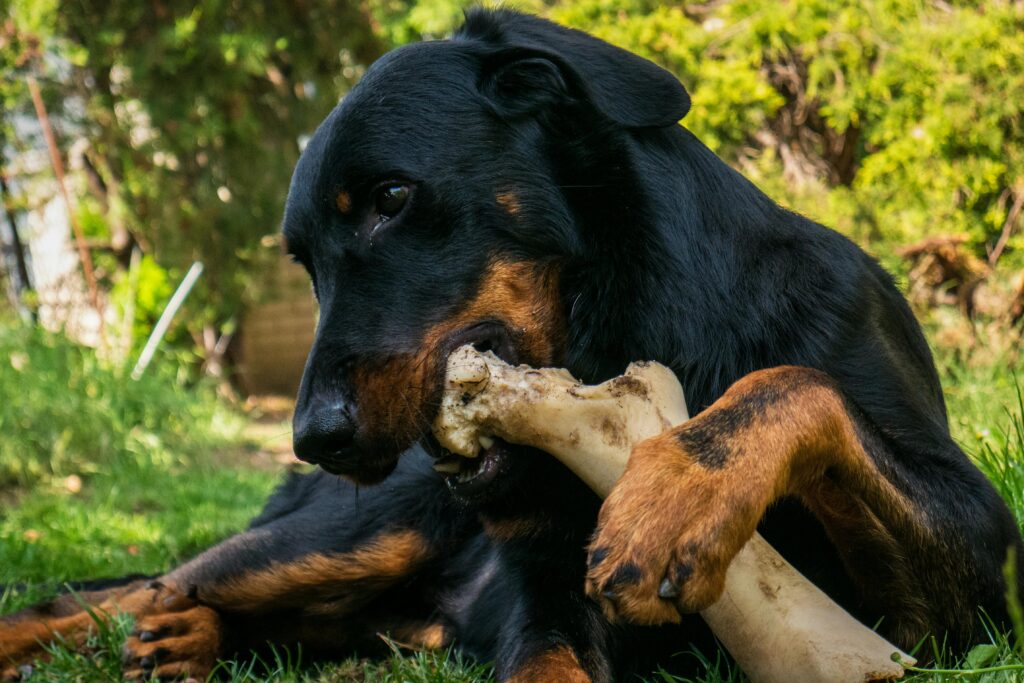
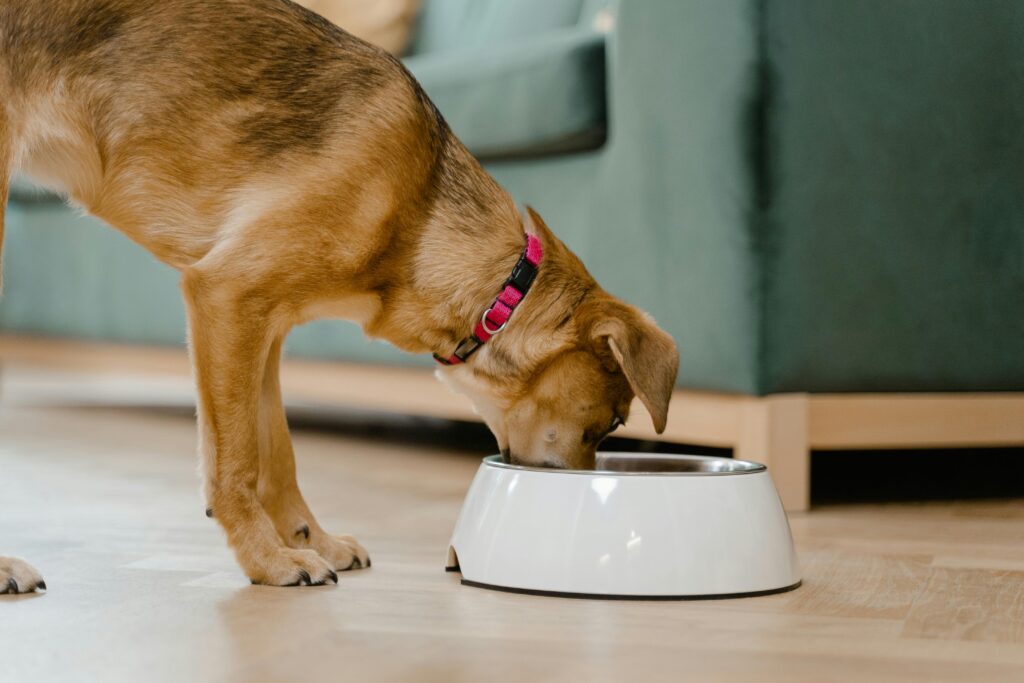
Some of the most common signs of resource guarding in dogs include growling when someone approaches a food bowl or toy. The dog may stiffen their body while holding an item or place their paw over it to prevent access. Another common signal is eating very quickly when someone walks nearby.
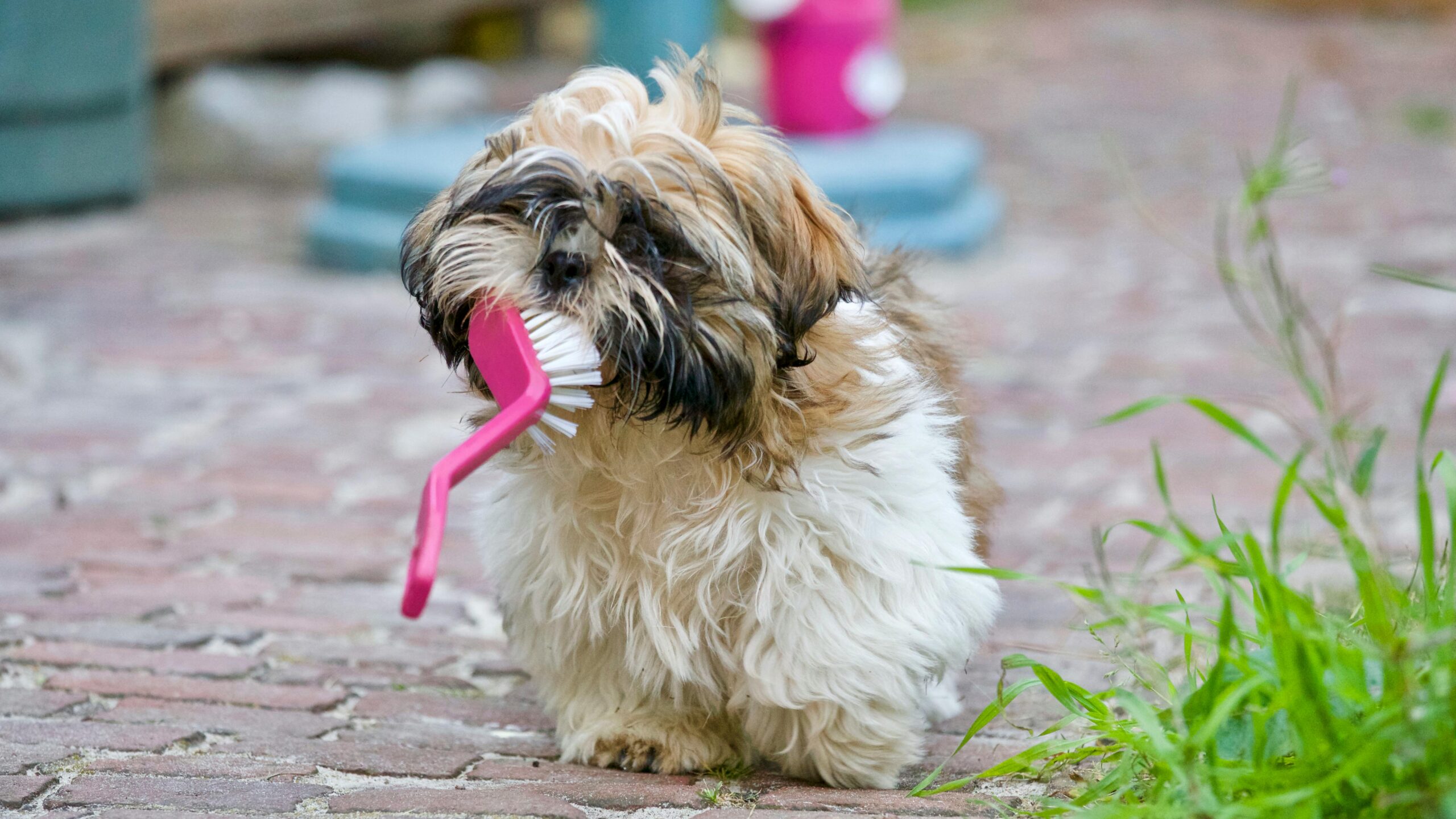
Some dogs run away with objects to hide them in a corner or under furniture. Others may show their teeth or snap when someone attempts to take the item away. These reactions often happen because the dog expects the resource to be removed.
Early signs of resource guarding in dogs may look small, but they should not be ignored. Addressing the behavior early makes training more effective and prevents the situation from becoming more serious.
Why resource guarding in dogs Happens
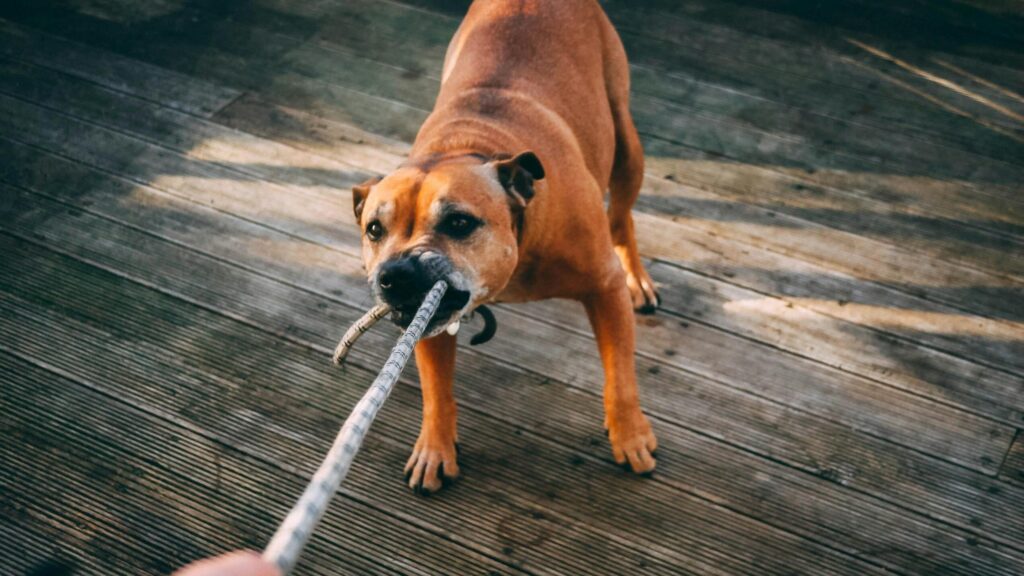
There is rarely just one reason behind this behavior. Several factors can contribute to resource guarding in dogs, and understanding the cause can make training easier.
One common cause is fear or insecurity. A dog that feels uncertain about their environment may guard resources because they worry the item will disappear. Dogs that have experienced food scarcity in the past may be especially sensitive about meals.
Another reason for resource guarding in dogs is early competition. Puppies raised in large litters sometimes learn to guard food because they must compete with siblings. Shelter dogs or rescues may also develop this habit after spending time in environments where resources were limited.
Human behavior can also contribute to the problem. If a dog frequently has toys or food taken away suddenly, they may learn that people approaching means losing something valuable. Over time, this can strengthen resource guarding in dogs.
Routine and structure also play a role. Dogs that experience inconsistent feeding schedules or chaotic environments may become more protective of their belongings.
How to Stop resource guarding in dogs Safely
Training a dog with guarding tendencies requires patience and consistency. The goal is to change how the dog feels about people approaching their belongings.
Teach the Trade Game
One of the safest ways to reduce resource guarding in dogs is by teaching a simple exchange game. When the dog has a toy or object, offer a treat or another valuable item in exchange. Once the dog drops the item, reward them and calmly return the object.
This exercise teaches the dog that giving up an item leads to something positive. Over time, the fear that drives resource guarding in dogs begins to decrease.
Add Treats When Approaching
Another helpful technique involves walking past the dog while they are eating or playing and dropping a small treat nearby. The dog learns that people approaching their food or toy actually means something good will happen.
This positive association gradually reduces the anxiety connected to resource guarding in dogs.
Train “Drop It” and “Leave It”
Basic obedience cues are very helpful when managing resource guarding in dogs. Teaching commands such as “drop it” or “leave it” provides a safe way to control situations without forcing the dog.
These commands should always be taught using rewards and positive reinforcement.
Provide Enough Resources
Dogs are less likely to guard items when they feel that resources are plentiful. In homes with multiple dogs, provide separate toys, feeding areas, and resting spaces.
This approach helps lower competition and reduces the chances of resource guarding in dogs developing between pets.
Create Calm Feeding Routines
Feeding schedules should be predictable and peaceful. Avoid disturbing a dog during meals unless you are intentionally doing positive training exercises.
A calm routine helps dogs feel secure and can reduce resource guarding in dogs during feeding time.
Related reads:
When to begin puppy training: A Comprehensive Guide
Mistakes That Make resource guarding in dogs Worse
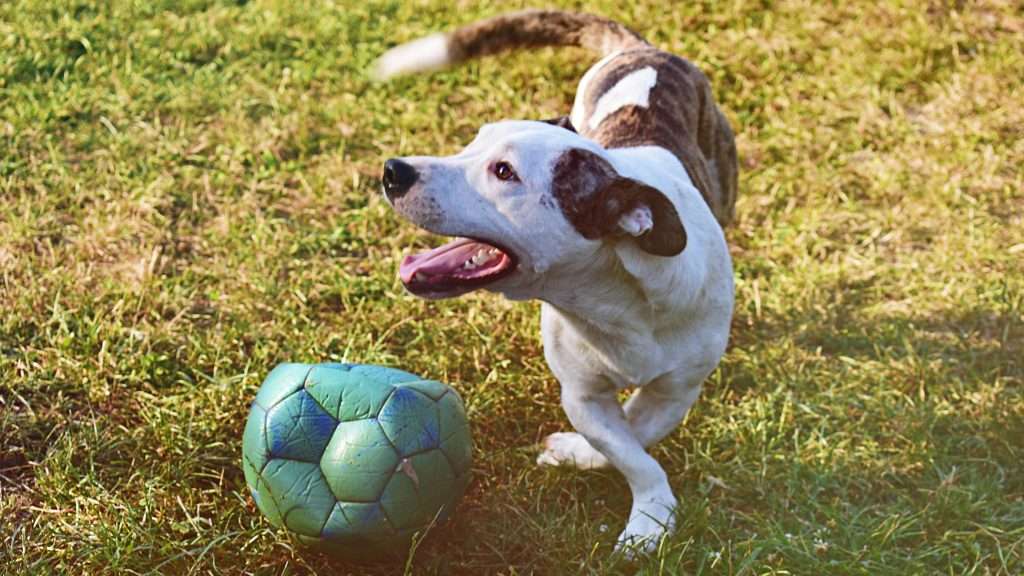
Certain reactions from owners can unintentionally increase guarding behavior. Understanding these mistakes can help prevent the problem from escalating.
One common mistake is trying to pull an object directly from the dog’s mouth. This often confirms the dog’s fear that the item will be taken away. Instead of reducing resource guarding in dogs, this approach usually strengthens it.
Punishing a dog for growling is another serious mistake. Growling is a warning signal that helps prevent bites. If a dog learns that growling is punished, they may skip the warning and move straight to biting.
Another mistake is repeatedly testing the dog. Some owners approach the dog again and again just to see if the behavior still happens. This repeated pressure can make resource guarding in dogs stronger instead of weaker.
Training should always focus on building trust rather than forcing the dog into uncomfortable situations.
Final Thoughts
Living with a dog that shows resource guarding in dogs behavior can feel stressful, but improvement is possible with patience and consistent training. The key is to focus on changing the dog’s emotional response rather than trying to control the behavior through force.
When dogs learn that people approaching their belongings leads to rewards instead of loss, their anxiety begins to fade. Over time, the behavior becomes less intense and easier to manage.
With positive reinforcement, predictable routines, and gentle training methods, many owners see significant improvement in resource guarding in dogs. If the behavior becomes severe, professional help can provide additional support and ensure the training process remains safe.