Stop Dog Leash Reactivity: Proven Tips That Actually Work


Walks are supposed to be calm, refreshing breaks in your day. But when your dog starts barking, lunging, or growling the moment another dog appears, it can feel stressful and embarrassing. Dog leash reactivity is more common than many owners realize, and the good news is that it can be managed with the right approach.
In this guide, you will learn what dog leash reactivity really is, why it happens, and proven steps to reduce it using positive, science based training methods.

What Is Dog Leash Reactivity?
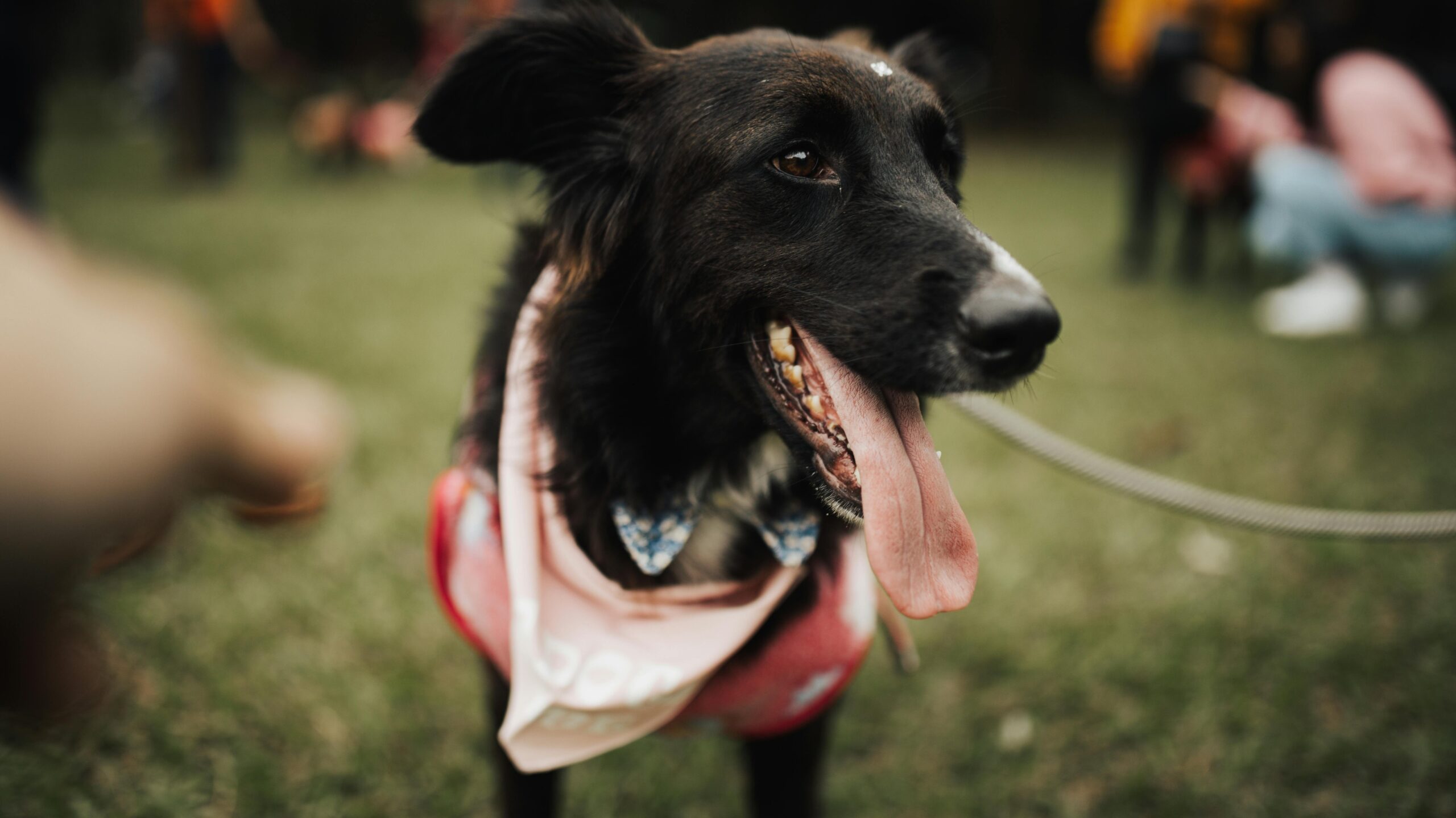
Dog leash reactivity refers to an exaggerated emotional and behavioral response that happens specifically when a dog is on a leash. The reaction is usually triggered by another dog, but it can also happen with people, bicycles, cars, or other moving objects.
Common signs include:
- Barking and growling
- Lunging forward
- Snapping at the air
- Intense staring or stiff body posture
- Pulling hard toward or away from the trigger
It is important to understand that dog leash reactivity is not automatically the same as aggression. Many reactive dogs are not trying to attack. Instead, they are overwhelmed by fear, frustration, or excitement and do not know how to cope while physically restrained by a leash.
Why Does Dog Leash Reactivity Happen?
Understanding the cause makes it easier to fix the problem. Dog leash reactivity usually develops for one of these reasons.
Fear and Anxiety
Some dogs feel unsafe when they see another dog approaching. When they are off leash, they can move freely, sniff, or create distance. On a leash, they feel trapped. Barking and lunging becomes their way of saying, stay away.
Frustration
Other dogs love meeting new friends. When they are restrained and cannot greet, that excitement turns into frustration. Over time, that frustration can escalate into full blown dog leash reactivity.
Lack of Early Socialization
Dogs that were not exposed to different environments, dogs, and people during their early months may feel uncertain in new situations. This uncertainty can show up strongly during walks.
Previous Negative Experiences
A single bad encounter while on leash can create lasting tension. If your dog was once rushed or attacked while restrained, they may now react defensively every time they see another dog.
Early Warning Signs of Dog Leash Reactivity
Most dogs give subtle signals before a full reaction. Learning to spot these signs allows you to intervene early.
- Body stiffens
- Ears move forward
- Tail becomes rigid
- Intense staring
- Slow freezing before barking
If you notice these signs, your dog is approaching their threshold. Threshold is the point at which they lose focus and react. Managing dog leash reactivity starts with keeping your dog under that threshold.
Distance Is Your First Tool Against Dog Leash Reactivity
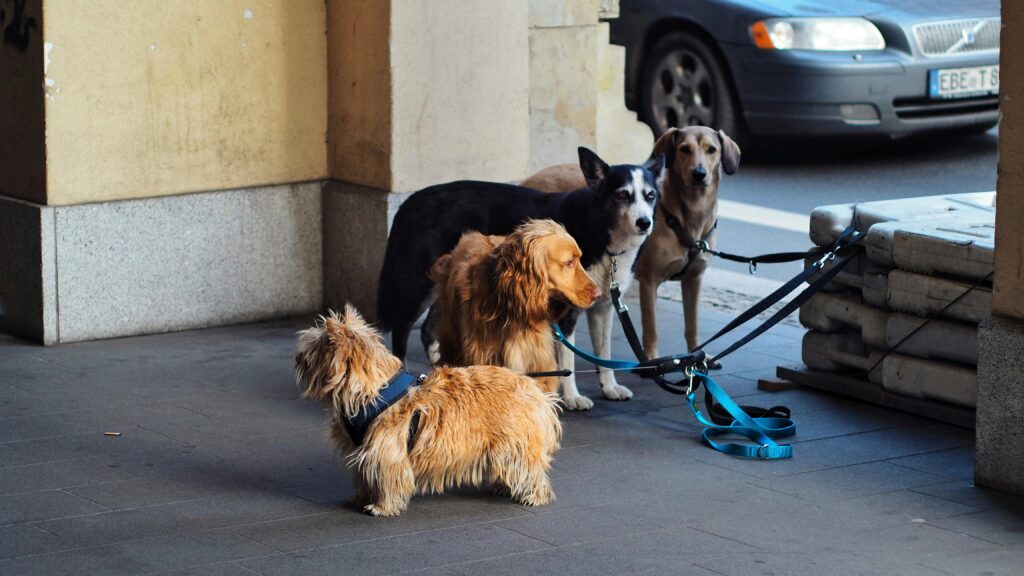
One of the most effective ways to reduce dog leash reactivity is simple. Create distance.
When your dog sees a trigger but remains calm, reward them. If they start to tense up, calmly increase distance by crossing the street, turning around, or stepping behind a parked car.
Distance reduces pressure. When the emotional intensity drops, your dog can think and respond to you. Without distance, training becomes much harder.
Spend time identifying your dog’s safe distance. For some dogs, it may be 10 feet. For others, it may be 50 feet or more. There is no correct number. The goal is calm focus.
Counterconditioning and Desensitization for Dog Leash Reactivity
These two methods are the foundation of behavior change.
Counterconditioning
This means changing your dog’s emotional response. When your dog sees another dog at a safe distance, immediately offer a high value treat. The appearance of the trigger predicts something positive.
Over time, your dog begins to associate the trigger with good outcomes instead of stress. This gradually reduces dog leash reactivity.
Desensitization
This involves exposing your dog to triggers at a very low intensity and slowly increasing difficulty. Start far away. Once your dog remains calm consistently, reduce the distance slightly.
Progress should be slow and steady. Rushing increases setbacks.
Teaching Alternative Behaviors to Replace Dog Leash Reactivity
You cannot simply tell a dog what not to do. You must teach them what to do instead.
Look at Me
Train your dog at home to make eye contact when you say a cue such as look. Reward instantly. Once reliable, practice outside at a safe distance from triggers.
When your dog sees another dog, ask for eye contact before tension builds. This interrupts the early stages of dog leash reactivity.
Leave It
This cue teaches your dog to disengage from something tempting or stressful. Start indoors with low distractions and slowly increase difficulty.
Hand Targeting
Teach your dog to touch your palm with their nose. This gives them a simple task and redirects their focus during walks. Replacing dog leash reactivity with trained responses builds confidence and control.
Related reads:
Mastering Essential Dog Commands: A Step-by-Step Guide to Teaching Sit, Stay, Down, and More
Leash Handling Matters More Than You Think
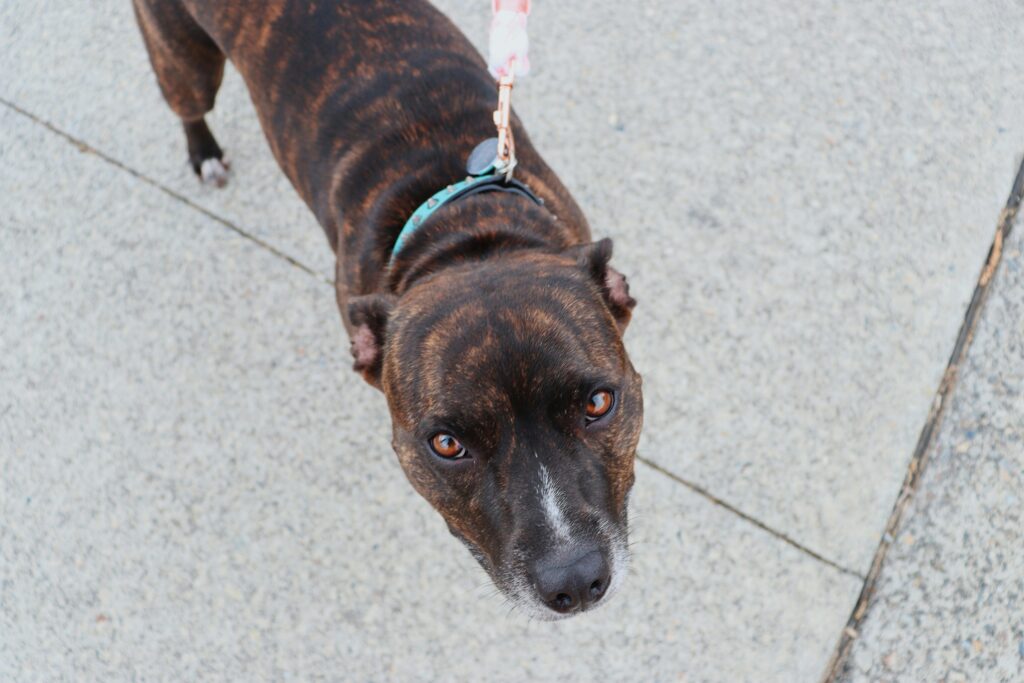
Many owners accidentally increase tension. A tight leash sends a signal that something is wrong. Dogs sense this physical pressure and may react more intensely.
Keep the leash loose whenever possible. Avoid wrapping it tightly around your hand. Stay calm and breathe normally. Your body language influences your dog’s emotional state. Avoid retractable leashes if your dog struggles with dog leash reactivity. They provide inconsistent feedback and reduce control.
Choosing the Right Equipment
The right tools make training safer and more effective. Front clip harnesses can help reduce pulling without causing pain. Head halters may offer additional control for larger dogs when used correctly.
Avoid choke chains, prong collars, and shock devices. These tools can suppress behavior temporarily but often increase fear and worsen dog leash reactivity over time. Positive reinforcement builds trust. Punishment often increases anxiety.
Pattern Games to Reduce Dog Leash Reactivity
Structured games create predictability, which helps anxious dogs. One example is a simple counting pattern. Say one, two, three, then give a treat. Repeat while walking. The predictable rhythm keeps your dog engaged.
Another method involves marking calm glances at triggers. When your dog looks at another dog and then looks back at you, reward immediately. This teaches that disengagement is valuable.
Pattern games reduce mental overload and gradually decrease dog leash reactivity.
Building a Daily Routine That Supports Progress
Consistency matters. Work on short training sessions several times a week. Keep walks structured rather than chaotic.
Choose quieter routes at first. Avoid crowded dog parks until your dog shows consistent improvement.
Track small wins. Maybe your dog stayed calm at 40 feet today instead of 60 feet last week. That is progress.
Reducing dog leash reactivity takes time, but daily practice compounds results.
When to Seek Professional Help for Dog Leash Reactivity
If your dog’s reactions are intense or you feel unsafe, consult a certified professional dog trainer or veterinary behaviorist.
Professional guidance is especially important if:
- Your dog has attempted to bite
- The reactions are escalating
- You feel anxious handling your dog
A professional can create a customized plan and prevent setbacks in managing dog leash reactivity.
Saying Goodbye
Living with dog leash reactivity can feel overwhelming, but it is manageable with the right knowledge and approach. Focus on distance, positive reinforcement, and teaching alternative behaviors. Stay consistent and patient.
Over time, those stressful walks can become calmer and more enjoyable. Your dog is not being difficult on purpose. With structured support, you can guide them toward better responses and rebuild confidence on every walk.