Effective Tips to Soothe Dry Skin in Dogs

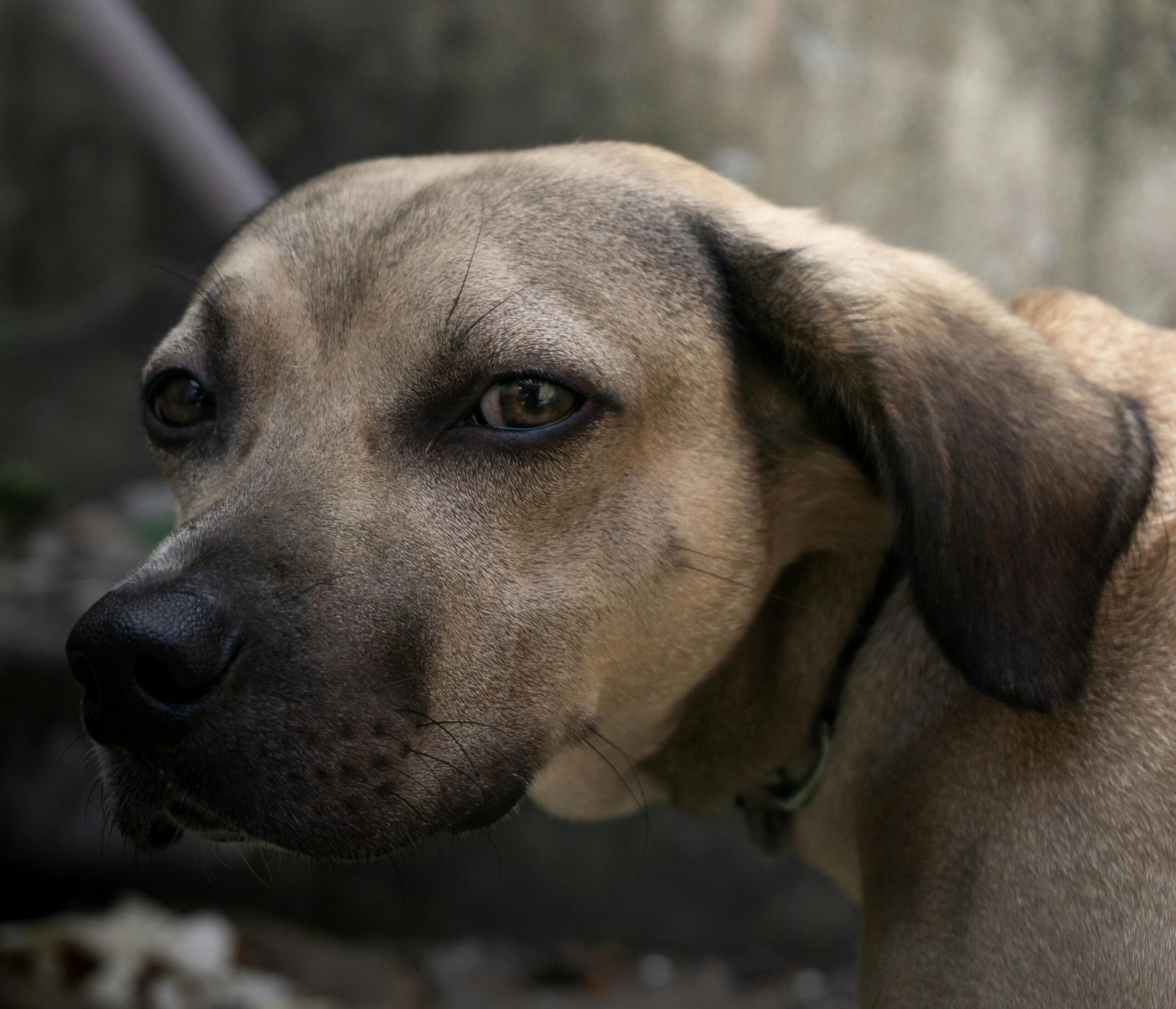
If your dog has been scratching more than usual, leaving flakes behind on their bed, or showing signs of irritation, there is a good chance you are dealing with dry skin. While it may look like a minor issue at first, untreated dryness can quickly turn into discomfort, infections, and long term skin problems.
The good news is that most cases of dry skin in dogs can be managed and improved with the right care, grooming habits, and nutrition. Understanding what causes dry skin and knowing how to soothe it effectively can make a noticeable difference in your dog’s comfort and overall health.

This guide walks you through the real reasons behind dry skin, practical ways to calm it, safe home remedies, and when it is time to seek veterinary help.
What Is Dry Skin in Dogs?
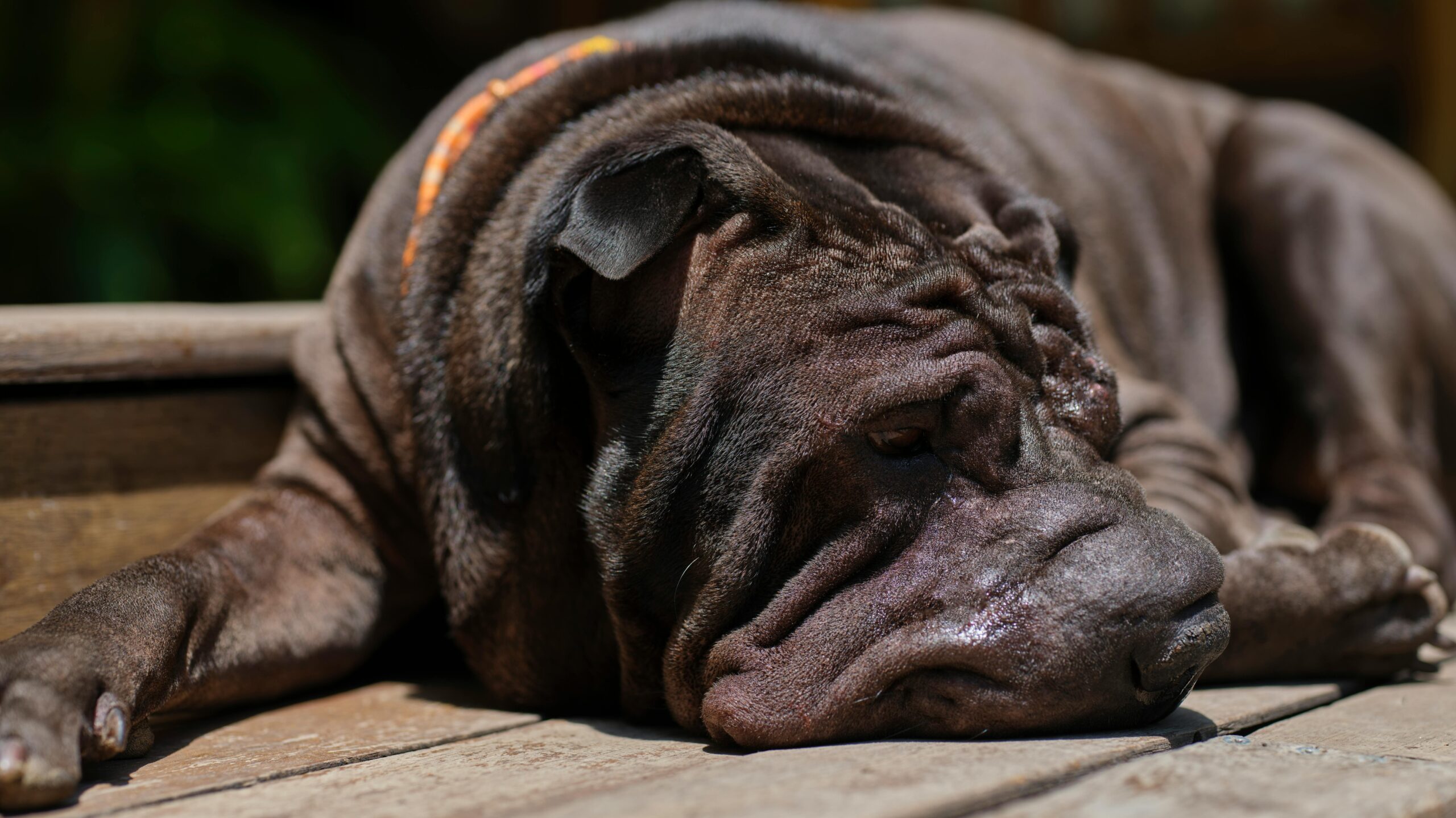
Dry skin in dogs occurs when the skin loses its natural moisture and protective oils. A healthy dog’s skin acts as a barrier that locks in hydration and keeps out irritants, bacteria, and allergens. When that barrier weakens, the skin becomes flaky, itchy, and sensitive.
Unlike human skin, a dog’s skin has a different pH balance and relies heavily on natural oils produced by the body. Even small changes in grooming, diet, or environment can disrupt this balance and lead to dryness.
Common Causes of Dry Skin in Dogs
Understanding the cause is the first step toward soothing dry skin in dogs, because treatment often depends on what triggered the problem.
Environmental Factors
Cold weather, dry climates, and indoor heating can strip moisture from your dog’s skin. During winter months, dry skin becomes more common because the air lacks humidity. Dogs that spend most of their time indoors with heaters running are especially affected.
Overbathing and Harsh Grooming Products
Bathing too often or using shampoos meant for humans can wash away essential oils. Many cases of dry skin in dogs are caused by well meaning owners who bathe their pets frequently without realizing the damage it can cause to the skin barrier.
Poor Nutrition
Skin health starts from the inside. Diets lacking essential fatty acids, vitamins, or high quality protein can lead to dull coats and dry skin in dogs. Omega fatty acids play a major role in maintaining skin hydration and elasticity.
Allergies and Parasites
Food allergies, environmental allergens like pollen, and parasites such as fleas or mites can trigger inflammation that results in dry skin in dogs. In these cases, dryness is often paired with redness and intense itching.
Underlying Health Conditions
Hormonal imbalances, thyroid issues, and certain infections can show up as persistent dry skin in dogs. When dryness does not improve with basic care, a deeper health issue may be involved.
Signs Your Dog Has Dry Skin in Dogs
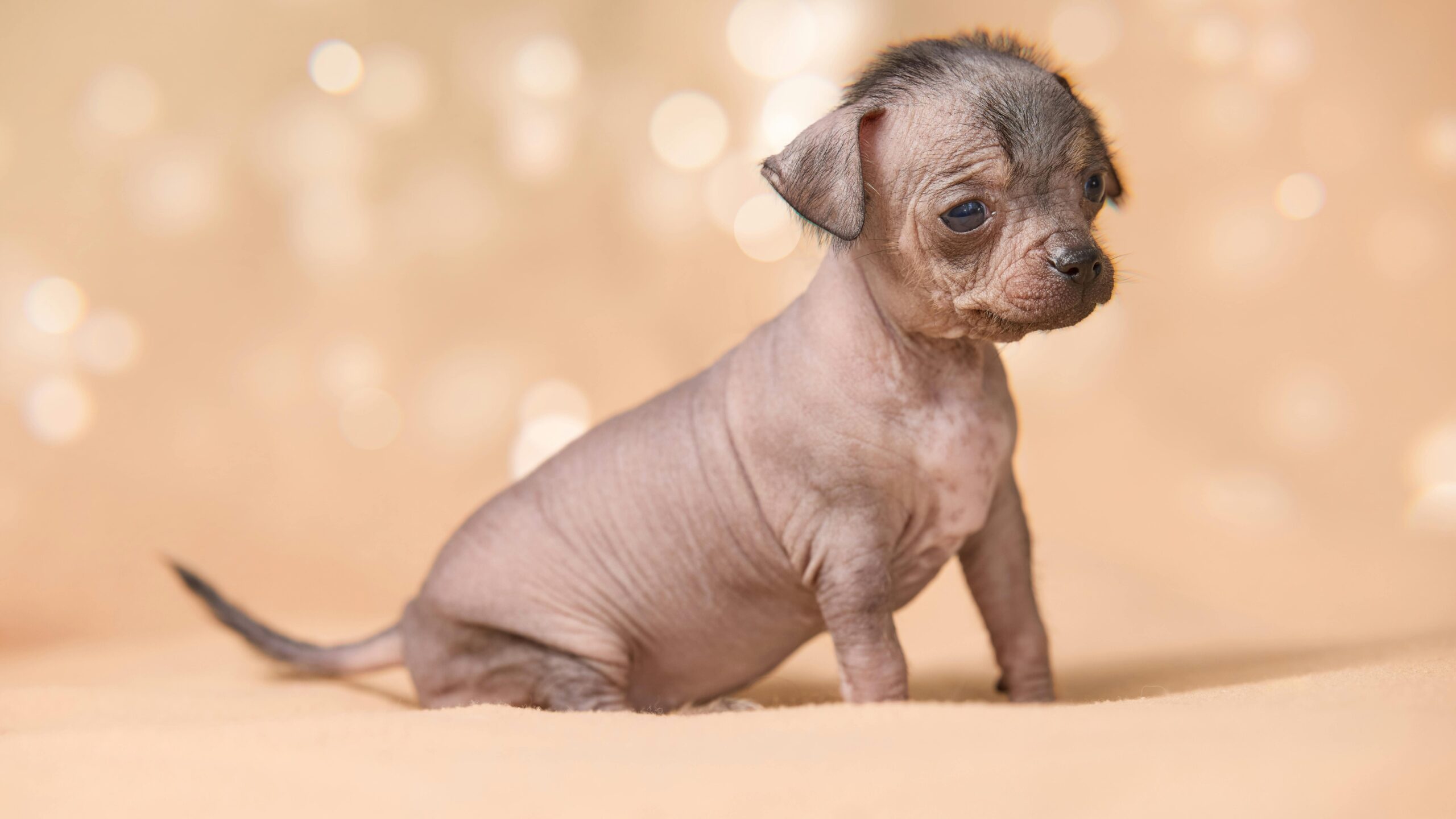
Recognizing the symptoms early helps prevent complications. Common signs of dry skin in dogs include visible flakes or dandruff, excessive scratching or licking, rough or scaly patches, redness, irritation, hair thinning, and a dull coat. Some dogs may also develop small sores from constant scratching.
Practical Tips to Soothe Dry Skin in Dogs
Managing dry skin in dogs requires a mix of proper grooming, nutrition, and environmental care. These tips focus on long term relief rather than quick fixes.
Adjust the Bathing Routine
Bathing your dog too frequently is one of the most common causes of dry skin in dogs. Most dogs only need a bath once every three to four weeks unless advised otherwise by a vet. When bathing, always use lukewarm water and rinse thoroughly to avoid residue that can irritate the skin.
Choose Skin Friendly Shampoos
Always use shampoos formulated specifically for dogs. Oatmeal based and hypoallergenic shampoos are especially helpful for soothing dry skin in dogs. Avoid products with strong fragrances, alcohol, or harsh chemicals, as these can worsen dryness.
Improve Diet for Better Skin Health
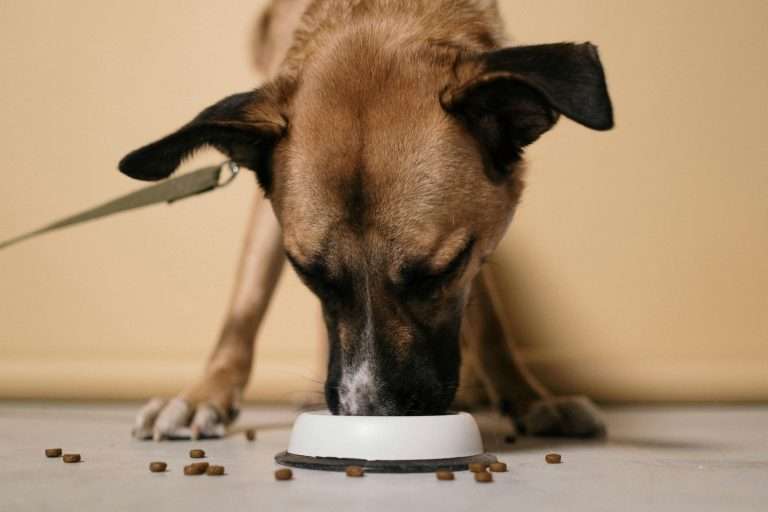
Nutrition plays a major role in preventing and improving dry skin in dogs. Foods rich in omega 3 and omega 6 fatty acids help strengthen the skin barrier and reduce inflammation. Fish oil supplements, flaxseed, and certain high quality dog foods can support healthier skin, but supplements should always be given with veterinary guidance.
Encourage Proper Hydration
Dehydration can contribute to dry skin in dogs, even if the dog appears otherwise healthy. Make sure your dog has access to fresh water at all times. Some dogs drink more when water bowls are placed in multiple locations around the house.
Use a Humidifier Indoors
If you live in a dry climate or use indoor heating, adding a humidifier can help combat dry skin in dogs. Moist air supports skin hydration and reduces flaking, especially during colder months.
Regular Brushing and Gentle Grooming
Brushing helps distribute natural oils across your dog’s coat and removes dead skin cells. Regular grooming supports healthier skin and reduces the buildup that can worsen dry skin in dogs. Use a brush suited to your dog’s coat type and be gentle to avoid irritation.
Apply Vet Approved Topical Moisturizers
Certain topical treatments can help soothe dry skin in dogs, but they should always be pet safe. Small amounts of coconut oil or aloe based products may help moisturize mild dryness, as long as the skin is not broken or infected.
Home Remedies That Support Recovery from Dry Skin in Dogs

Home remedies can complement daily care when used correctly and safely.
Oatmeal baths are one of the most effective natural ways to soothe dry skin in dogs. Finely ground plain oatmeal mixed into warm bathwater can calm itching and irritation.
Vitamin E oil may help nourish dry skin when applied sparingly to affected areas. Always test a small patch first to ensure there is no reaction.
Chamomile or green tea rinses can help reduce inflammation linked to dry skin. Once cooled, the tea can be gently poured over the coat or applied with a cloth.
Apple cider vinegar diluted with water may help balance skin pH, but it should never be applied to raw or irritated skin, as it can sting and worsen dry skin.
Related reads:
Dog Skin Allergies: Causes, Symptoms & Treatments
When to See a Veterinarian for Dry Skin in Dogs
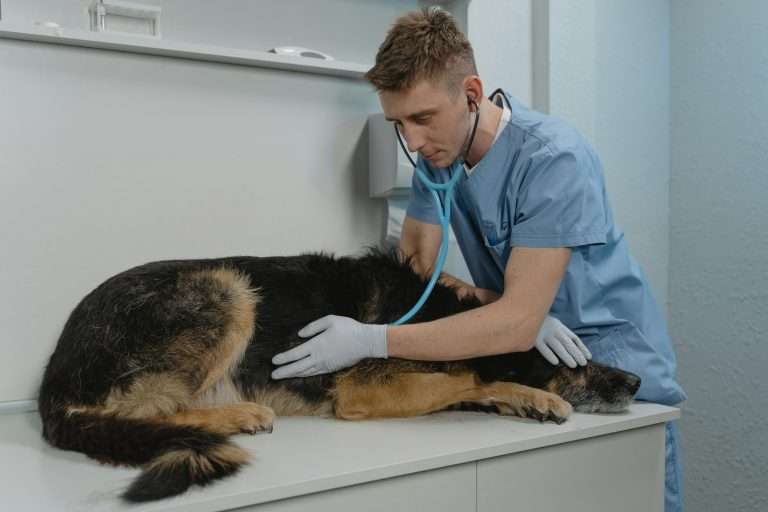
While mild dry skin often improves with home care, certain signs indicate the need for professional help. If dryness persists for weeks, worsens despite treatment, or is accompanied by hair loss, open sores, swelling, or a strong odor, a veterinary visit is essential.
A vet can identify allergies, infections, or underlying conditions that cause chronic dry skin in dogs and recommend targeted treatments such as medicated shampoos or prescription diets.
Wrapping Up
Dry skin in dogs is a common issue, but it does not have to become a long term problem. With the right balance of nutrition, grooming, hydration, and environmental care, most dogs experience noticeable improvement. Paying attention to early signs and making small adjustments can go a long way in keeping your dog comfortable and healthy.
If dryness persists or seems severe, professional guidance ensures that dry skin is treated safely and effectively.