5 Signs Your Dog is Pregnant & What To Do

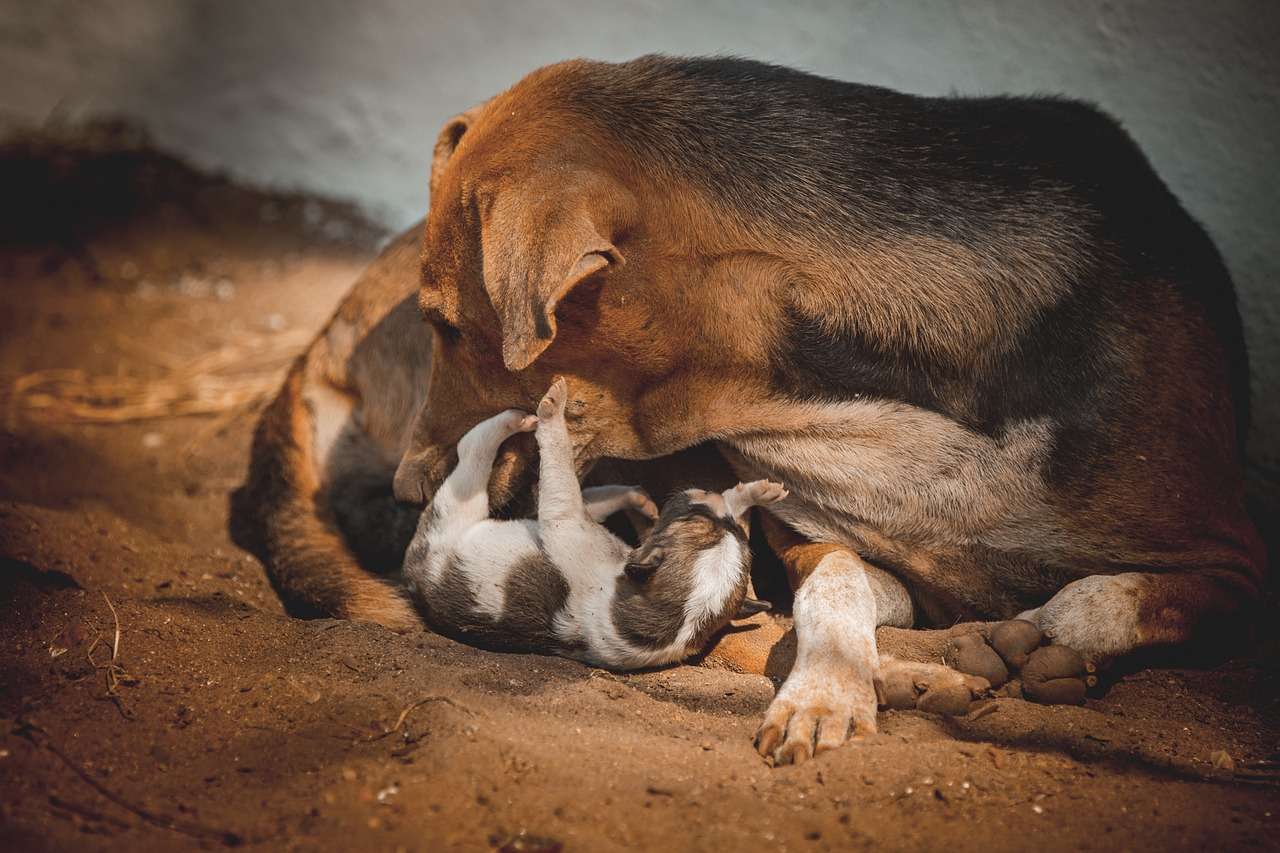
Welcoming a litter of puppies can be exciting, but as a responsible pet owner, you need to recognize the early signs of pregnancy and know how to care for your dog throughout the process. Let us see how to determine if your dog is pregnant, what to do next, and how to prepare for the birth of puppies.
Signs Your Dog is Pregnant
Detecting pregnancy in dogs can be challenging, especially in the early stages. Some key signs to look for include appetite changes, decreased energy, nipple enlargement, weight gain, and behavioral changes.

1. Appetite Changes
A dog is pregnant when she exhibits noticeable changes in her eating habits. Some dogs experience increased appetite due to the extra energy needed to support the pregnancy, while others may eat less in the early weeks because of nausea. As she gets closer to labor, she might again show a decreased appetite.
2. Decreased Energy & Fatigue
If your dog starts sleeping more than usual or seems less enthusiastic about playtime, she might be pregnant. This decrease in energy is due to hormonal changes that occur as her body prepares for pregnancy. You may notice this lethargy as early as the second week of pregnancy.
3. Physical Changes in Nipples
One of the earliest physical signs is a change in the nipples. They become larger, darker, and more prominent due to increased blood flow. Around the third week, the milk glands begin to develop in preparation for nursing. These changes become more evident as the pregnancy progresses.
4. Weight Gain & Swollen Belly
Another clear sign that a dog is pregnant is a swollen belly. As the puppies grow, her abdomen will expand, and you may even feel the puppies move inside her by the later stages. Weight gain is also a natural result of pregnancy, with most dogs appearing noticeably larger by the second or third week.
5. Behavioral Changes
Behavioral changes are common during pregnancy. Some dogs become more affectionate and seek constant attention from their owners, while others may become irritable and prefer solitude. Nesting behavior is another clear indication, where your dog may start rearranging bedding or looking for a quiet place to give birth.
Related reads:
When to begin puppy training: A Comprehensive Guide
What To Do If You Think Your Dog is Pregnant
If you suspect that your dog is pregnant, follow these steps to ensure her health and the well-being of her puppies.
1. Schedule a Veterinary Appointment
A vet can confirm pregnancy via ultrasound at four weeks or through blood tests at around 35 days. These check-ups help ensure that your dog remains healthy and that there are no complications.
2. Adjust Your Dog’s Nutrition
Proper nutrition is crucial for a pregnant dog. Around the fourth week of pregnancy, switch to a high-calorie, nutrient-rich diet designed for pregnancy. Avoid large breed puppy food, as it may not have the necessary nutrients. Instead of feeding large meals, provide smaller, more frequent meals to accommodate her growing belly and ensure she receives the essential nutrients.
3. Create a Comfortable Nesting Area
Since your dog is pregnant, you should prepare a cozy, quiet, and warm nesting area where she can give birth. This space should be away from loud noises, other pets, and excessive human interaction to make her feel safe.
4. Limit Contact with Other Dogs
Keeping your pregnant dog isolated is important, especially in the last three weeks before birth and three weeks after. This precaution helps prevent infections, such as canine herpes virus, which can be fatal to newborn puppies.
5. Monitor Her Temperature
A useful way to predict when labor will begin is by checking your dog’s rectal temperature. When her temperature drops below 100°F, labor will likely start within 24 hours. Keeping a close watch during this period will allow you to be prepared for delivery.
When Your Dog is Giving Birth
Understanding the birthing process can help you ensure a safe delivery. Labor consists of three stages: early labor, active labor, and after-birth care.
1. Early Labor (6-12 Hours)
During early labor, your dog may seem restless, pant excessively, and refuse food. She may also start nesting, pacing, or digging in her bedding area.
2. Active Labor (Puppy Delivery)
This is when contractions intensify, and puppies begin to be delivered. Puppies should be born every 45 to 60 minutes, but occasional breaks of up to four hours are normal. If your dog is pregnant and straining for more than an hour without delivering, contact a vet immediately.
3. After Birth (Expelling Membranes)
After each puppy is born, greenish-black fetal membranes should pass naturally. If they do not, there may be complications. Keep an eye on your dog’s condition and ensure she is comfortable throughout the process.

Post-Birth Care: Ensuring Mom & Puppies Stay Healthy
After birth, monitoring the health of both the mother and puppies is essential.
1. Watch for Health Issues in the Mother
Some warning signs that require veterinary attention include fever, lethargy, excessive vaginal discharge, inflamed mammary glands, and loss of appetite. If your dog is pregnant and experiences complications, immediate medical intervention may be necessary.
2. Caring for the Newborn Puppies
Newborn puppies require care, especially if the mother does not clean them after birth. If she does not remove the protective fetal membrane, you must wipe away the fluids and ensure their airways are clear. Puppies cannot regulate their body temperature for the first few weeks, so keeping them warm is vital.
3. Weaning & Socializing Puppies
At 3-4 weeks, start introducing soft puppy food. By 5-6 weeks, they should transition to solid food. Puppies should stay with their mother for at least 10 weeks before being rehomed.
Bidding Farewell
If you suspect that your dog is pregnant, early detection and proper care are crucial for a safe and healthy delivery. Recognizing the signs of pregnancy, ensuring proper nutrition, and creating a comfortable environment will help your dog through this journey. By preparing in advance, you can support your dog through pregnancy and welcome a litter of healthy puppies into the world.
FAQs About Dog Pregnancy
1. How long is a dog pregnant?
A dog is pregnant for approximately 62-64 days, though the exact timeline varies based on breed and individual health.
2. Can I spay my dog if she is pregnant?
Spaying a pregnant dog is possible, but consult with a veterinarian to discuss the risks and implications.
3. Should I be concerned if my pregnant dog isn’t eating?
Mild nausea is common in early pregnancy. However, if she refuses food for more than 24 hours, consult a vet.
4. How do I know if my dog is done giving birth?
If she appears relaxed, nurses her puppies, and shows no signs of discomfort, she is likely finished. If in doubt, consult your vet.
5. When should I call the vet during labor?
If more than four hours pass between puppies, if she strains for over an hour without delivering, or if she shows signs of distress, excessive bleeding, or fever, seek immediate veterinary assistance.