Should I Get a Second Dog?

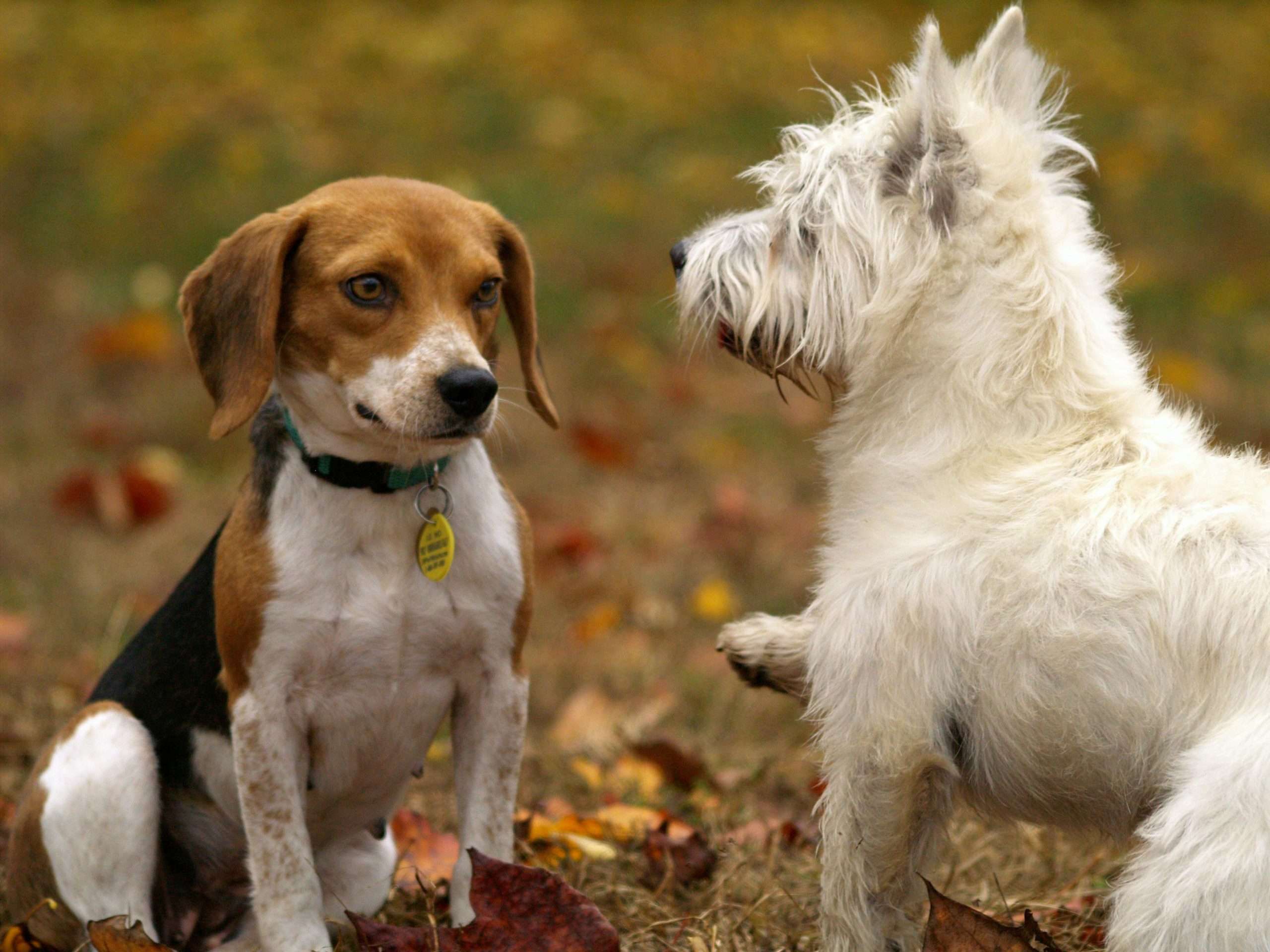
Adding another furry friend to your family can sound exciting – twice the cuddles, twice the fun, right? But before jumping into pet parenthood all over again, it’s worth pausing to ask: Should I get a second dog? The answer isn’t always straightforward. It depends on your lifestyle, your current dog’s needs, and your expectations.
Let’s explore the upsides and potential challenges of bringing home a second dog, and how to prepare if you decide to move forward.

Is Your Current Dog Ready?
The first step in deciding should I get a second dog? is understanding how your existing dog might feel about a new companion. Dogs are social animals, but that doesn’t mean all of them enjoy sharing their space.
Ask yourself:
- Does your dog get along well with other dogs?
- Have they ever shown resource guarding with food, toys, or people?
- Are they generally calm and well-adjusted?
If your dog shows signs of aggression, fear, or nervousness around other dogs (especially in your home) it might be better to address those behaviors first. A second dog could either help or worsen the issue, depending on how you introduce them and whether they’re a good match.
Why You Might Want a Second Dog
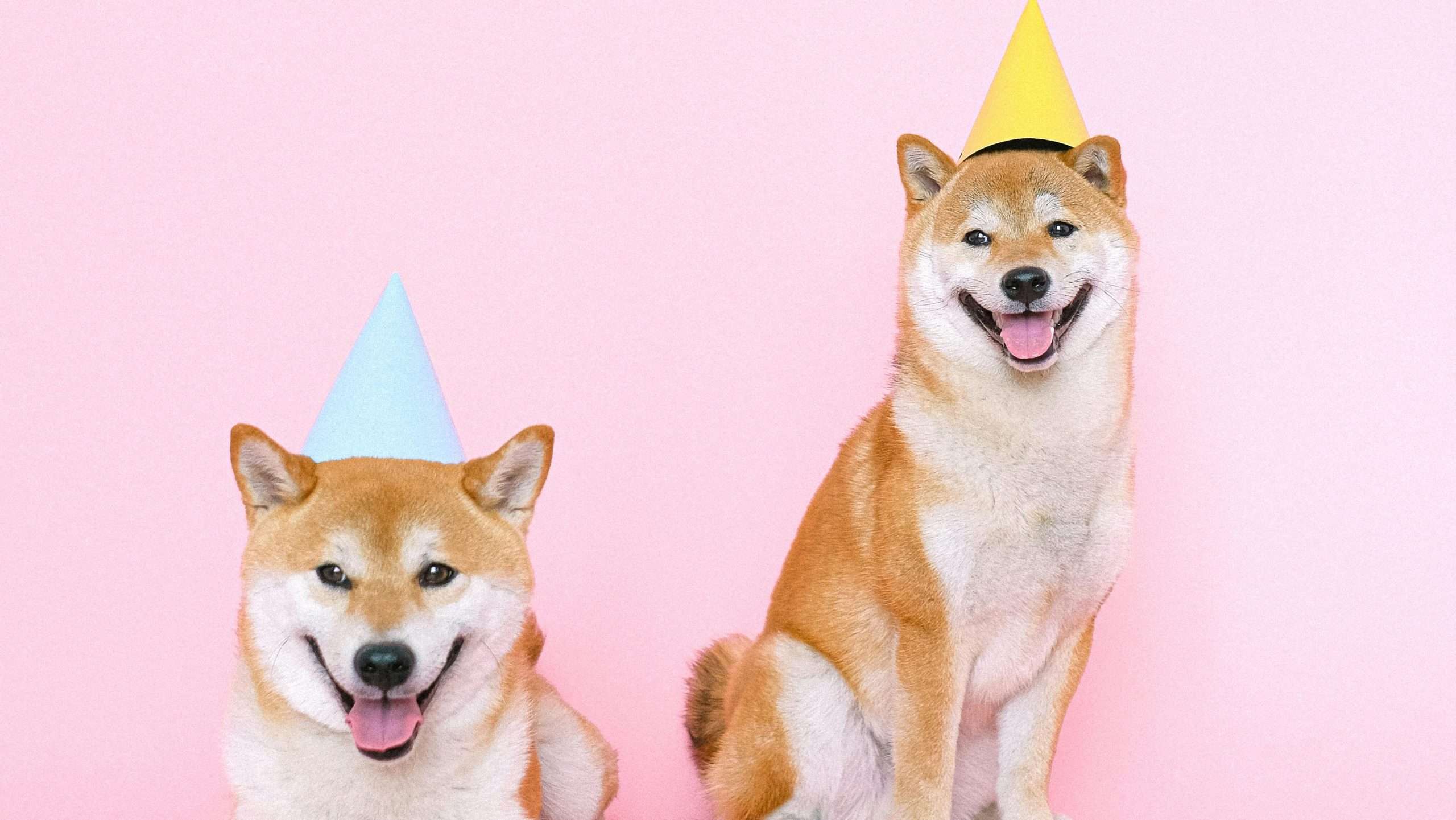
For many pet parents, the desire to get a second dog comes from love and joy. Here are a few compelling reasons you might be thinking, should I get a second dog? and why it could be a great idea:
1. Built-in companionship
Dogs are pack animals by nature. A second dog can offer company to your current pup, especially when you’re out of the house. It can help reduce boredom and even mild separation anxiety (though it’s not a cure).
2. Shared playtime and enrichment
If your current dog is active and loves to play, a second dog with similar energy levels can help them stay stimulated and fit. Wrestling, chasing, and tug-of-war are more fun with a partner.
3. More love to go around
From morning snuggles to afternoon walks, another dog adds more warmth and laughter to your home. For families, it can also help teach kids responsibility and empathy.
4. Saving a life
If you adopt your second dog from a shelter or rescue, you’re giving a homeless animal a second chance—and freeing up space for others in need.
Relatable reads:
The Ultimate First Time Dog Owner Checklist [2024]
Why a Second Dog Might Not Be the Right Move
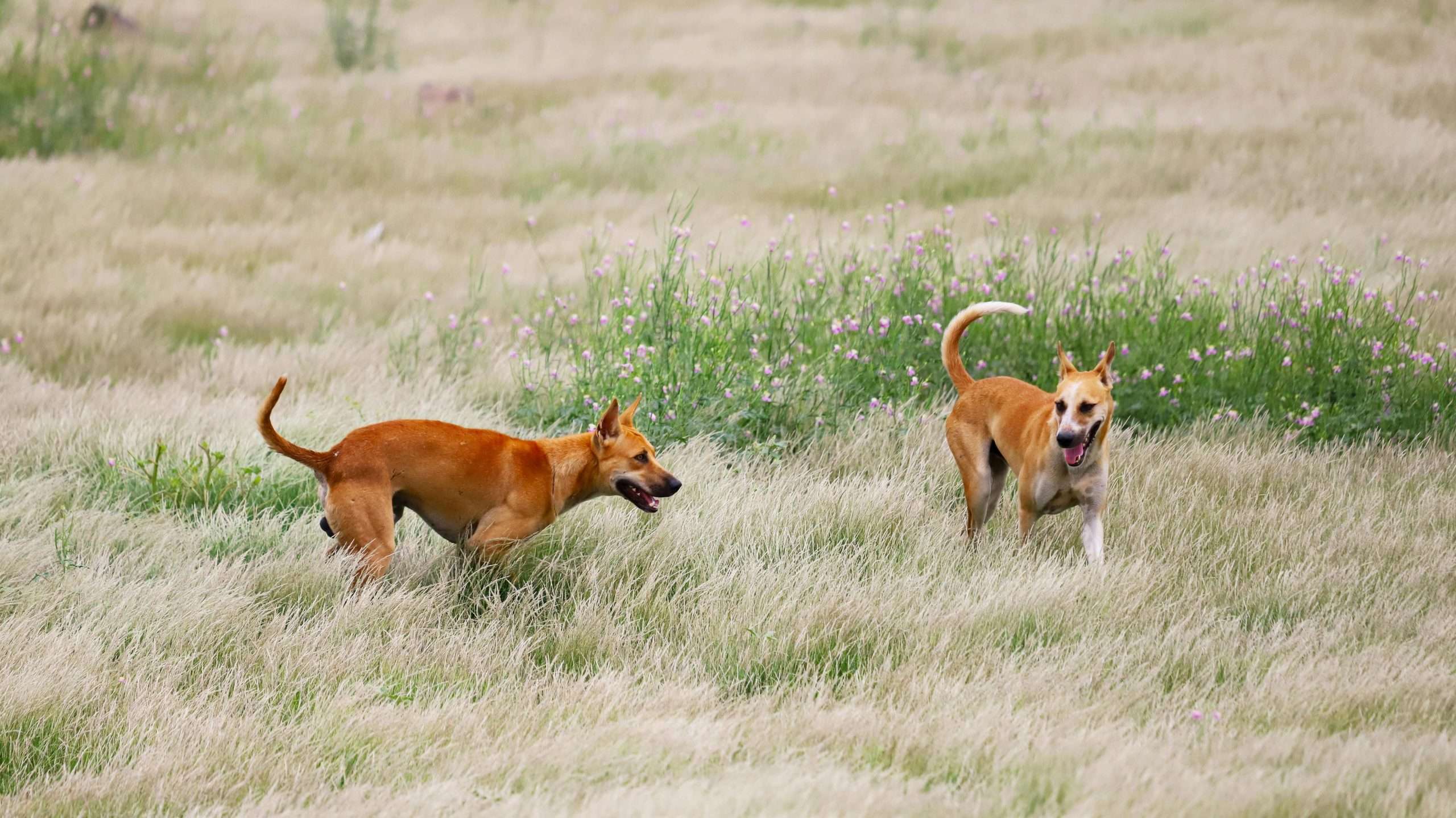
As heartwarming as it sounds, doubling your dog crew also doubles your responsibilities. Before answering should I get a second dog?, consider the potential downsides.
1. More time, more effort
Two dogs don’t just magically fit into one routine. They may need different diets, training approaches, walking speeds, or play styles. Even if your first dog is low-maintenance, the second might not be.
2. Increased cost
Food, grooming, veterinary bills, pet insurance, boarding, and training—all of these expenses add up. Make sure you’re financially prepared for another long-term commitment.
3. Behavioral complications
Some dogs love having a friend. Others… not so much. If not properly introduced or matched, the new addition could lead to fights, stress, or even behavior regression in your first dog.
4. “Second dog syndrome”
This is a common scenario: your first dog is easygoing, but your second turns out to be a handful. Pet parents may compare the two, which can lead to frustration and unrealistic expectations.
Choosing the Right Companion for Your Dog
If your answer to should I get a second dog? is leaning toward yes, choosing the right match is crucial.
Gender and size
Behavior experts often recommend pairing opposite-sex dogs, as same-sex pairs (especially two females) may be more prone to conflict. Similarly, dogs of comparable size and energy levels tend to play more safely and harmoniously.
Personality
Your dog’s temperament should guide your choice. Is your current dog playful, or laid-back? Do they like roughhousing or quiet cuddles? A mismatched energy level can create tension instead of companionship.
Age
Puppies require lots of attention, training, and supervision. If your current dog is older or has health issues, a high-energy pup may overwhelm them. In that case, consider adopting a calmer adult dog.
Preparing for the Transition
Even the most compatible dogs need time to adjust. If you’re confident in your decision and feel ready to say “yes” to should I get a second dog?, here’s how to set them up for success.
1. Introduce them on neutral ground
Don’t bring your new dog straight into your home. Instead, introduce them to each other in a neutral location like a park. Let them sniff, walk together, and observe how they interact.
2. Keep early meetings short and positive
Monitor body language. Look for signs of tension like growling, raised hackles, or avoidance. Praise calm, curious, or friendly behavior from both dogs.
3. Provide individual attention
Both dogs will need their own one-on-one time with you to build trust. This is especially important in the early weeks, when jealousy or resource guarding can surface.
4. Duplicate resources
Give each dog their own food and water bowls, beds, toys, and crates. Avoid situations that might trigger competition, and supervise meals or high-value items.
5. Use baby gates or barriers
Allow for decompression time. Gates, pens, or crates can give each dog a break and a sense of security. Don’t force interaction—let it grow gradually.
What If It Doesn’t Work Out?
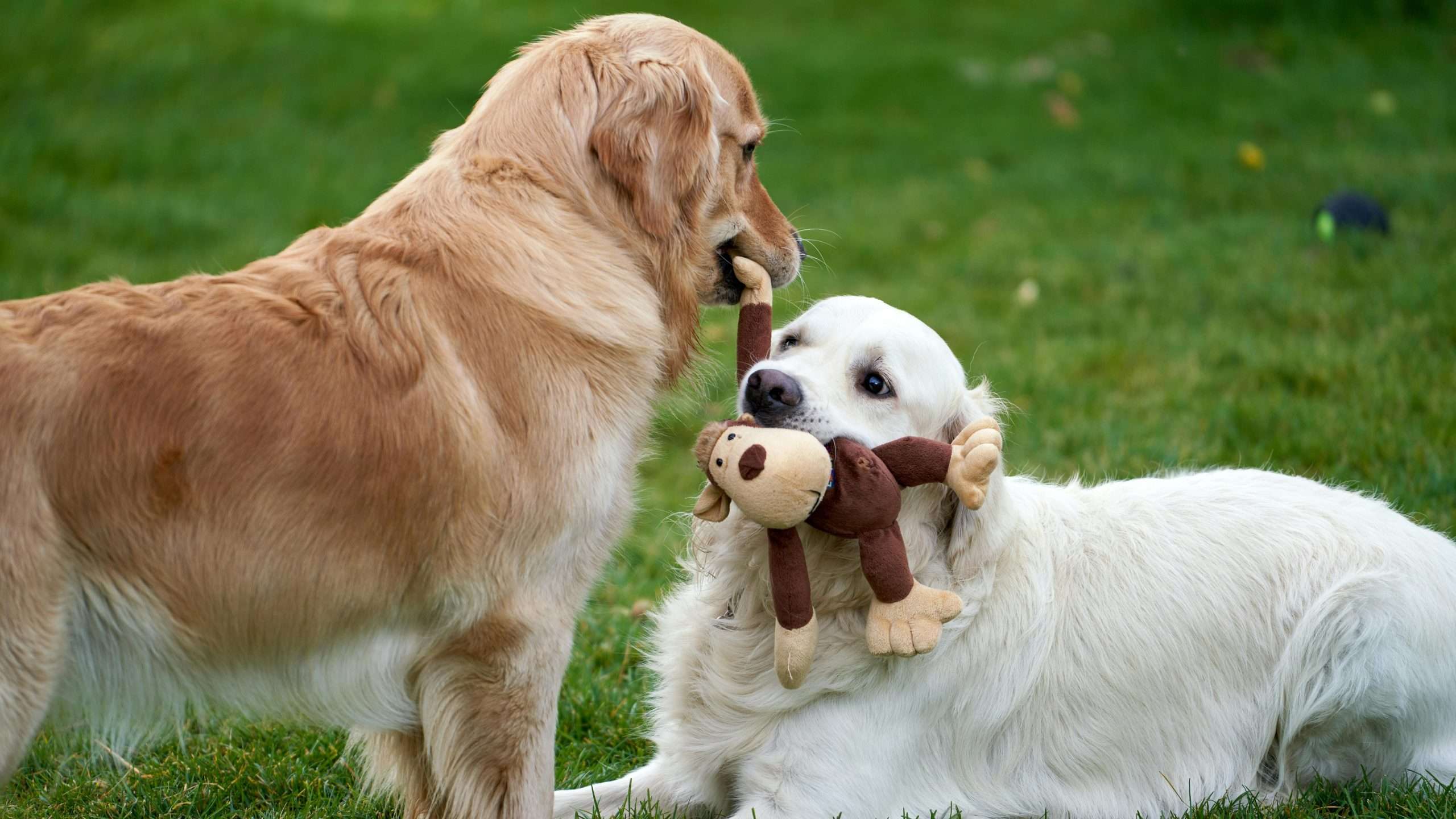
It’s possible to do everything “right” and still find that your dogs aren’t compatible. Maybe one is too dominant, or the other too fearful. In that case:
- Seek help from a certified dog behaviorist or trainer
- Consider fostering before fully adopting a second dog
- Prioritize your current dog’s mental and physical well-being
Remember, asking should I get a second dog? also means being honest enough to say “not right now” if things don’t feel right.
Is It the Right Time for You?
Beyond your dog’s readiness, think about your own life. Are you going through a big transition – moving homes, starting a new job, expecting a baby? These changes can make it harder to give both dogs the time and attention they need.
If you’re unsure, there’s no harm in waiting. Your current dog may be perfectly content as an only pet. There’s no rule that says every dog needs a sibling.
Final Thoughts: Should I Get a Second Dog?
So, should I get a second dog? The best answer depends on you, your lifestyle, and your current dog’s personality. A second dog can bring joy, companionship, and energy into your life – but only when the timing, match, and preparation are right.
Take the time to evaluate your household, budget, and schedule. Watch your current dog’s behavior around others. Talk to your vet or a professional trainer. And if everything lines up – go for it with love, patience, and a plan.
A well-thought-out second dog can be the best decision you make for your fur family. But never forget: one happy dog is always better than two unhappy ones.



![What Can French Bulldogs Eat? A Detailed Guide [2024]](https://100dogbreeds.com/wp-content/uploads/2024/09/French-bulldog-eat-featured-768x432.jpg)