Reverse Sneezing in Dogs: What It Is and When to Worry

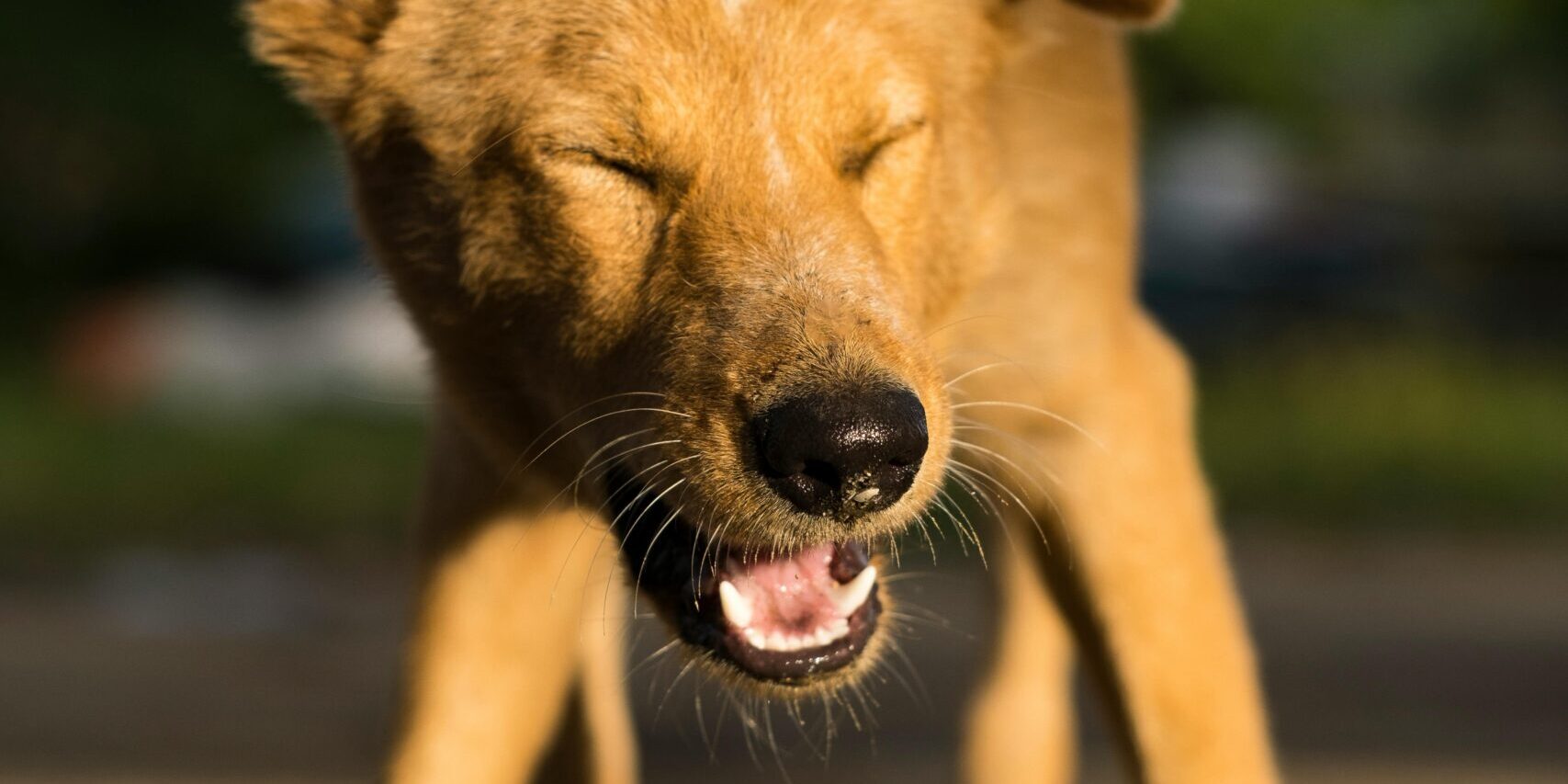
If you have ever seen your dog suddenly freeze, stretch their neck, make loud snorting or honking sounds, and look like they are struggling to breathe, it can be genuinely scary. Many pet parents assume their dog is choking or having a serious respiratory problem. In most cases, what you are witnessing is reverse sneezing in dogs, a fairly common condition that looks dramatic but is usually harmless.
That said, not every episode should be ignored. Understanding what reverse sneezing in dogs really is, why it happens, and when it crosses the line from normal to concerning can help you respond calmly and make the right decisions for your dog’s health.

What Is Reverse Sneezing in Dogs
Reverse sneezing in dogs is a respiratory reflex where the dog rapidly pulls air into the nose instead of pushing it out, which is what happens during a regular sneeze. This sudden inward airflow causes the soft tissues at the back of the throat, especially the soft palate, to vibrate and spasm. The result is the loud snorting, gagging, or honking sound that often alarms owners.
During reverse sneezing in dogs, the airway is not blocked. Your dog is still able to breathe, even though it may not look that way. Episodes typically last anywhere from a few seconds to under a minute and then stop on their own.
What Reverse Sneezing in Dogs Looks Like
When reverse sneezing in dogs happens, the signs are often very specific. Most dogs will stand still with their elbows slightly spread apart, extend their neck forward, and pull air in through their nose rapidly. Their mouth is usually closed, and their chest may move quickly as they inhale.
Many owners describe the sound as snorting, honking, or gasping. Because the dog may look tense or panicked, it is easy to confuse reverse sneezing in dogs with choking, coughing, or even an asthma attack. The key difference is that once the episode ends, the dog usually returns to normal behavior almost immediately.
Common Causes of Reverse Sneezing in Dogs
There are several triggers that can lead to reverse sneezing in dogs, and most of them involve irritation of the nasal passages or throat.
Environmental irritants are a major cause. Dust, pollen, smoke, perfumes, cleaning sprays, and air fresheners can all irritate the sensitive tissues inside a dog’s nose. Seasonal allergies can also play a role, especially in dogs that reverse sneeze more often during certain times of the year.
Excitement is another common trigger. Some dogs experience reverse sneezing in dogs when they get overly excited, such as during playtime, greetings, or walks. Pulling on a collar can also put pressure on the throat and trigger an episode.
Other causes may include nasal mites, foreign particles like grass seeds, infections, or anatomical features that make certain dogs more prone to this reflex.
Breeds More Prone to This
While reverse sneezing in dogs can happen to any breed, it is more commonly seen in small dogs and those with shorter noses. Brachycephalic breeds such as Pugs, French Bulldogs, Shih Tzus, and Boston Terriers are especially prone because of their facial structure.
These dogs often have elongated soft palates or narrower nasal passages, which makes irritation more likely. Small breeds like Chihuahuas, Yorkshire Terriers, and Dachshunds are also frequently affected. That said, large dogs can experience reverse sneezing in dogs too, especially if allergies or irritants are involved.
Signs and Symptoms
The symptoms of reverse sneezing in dogs are usually easy to recognize once you know what to look for. Common signs include loud snorting or honking sounds, rapid inhalation through the nose, neck extension, and stiff body posture.
Episodes often come on suddenly and end just as abruptly. Most dogs do not show any lingering signs afterward. There is usually no coughing, no blue or pale gums, and no loss of consciousness. These details are important because they help distinguish reverse sneezing in dogs from more serious respiratory problems.
Related reads:
The Importance of Regular Vet Check-Up for Your Dog
How to Help Your Dog During This
Watching reverse sneezing in dogs can be unsettling, but staying calm is one of the most helpful things you can do. In many cases, the episode will stop on its own without any intervention.
Some owners find that gently stroking the dog’s throat helps relax the muscles and shorten the episode. Briefly covering the dog’s nostrils can encourage swallowing, which may also help stop reverse sneezing in dogs. Speaking softly and reassuring your dog can reduce anxiety, especially if excitement triggered the episode.
It is important not to panic or try aggressive interventions. Never force your dog’s mouth open or attempt to pull the tongue forward unless directed by a veterinarian.
When Is Reverse Sneezing Normal
Occasional reverse sneezing in dogs is generally considered normal, especially if it happens infrequently, lasts less than a minute, and your dog appears perfectly fine afterward. Many dogs will experience a few episodes throughout their lives without any underlying health issues.
If your dog is eating well, exercising normally, and does not show signs of respiratory distress between episodes, there is usually no cause for concern. In these cases, reverse sneezing in dogs is more of an odd reflex than a medical problem.
When to Worry About Reverse Sneezing
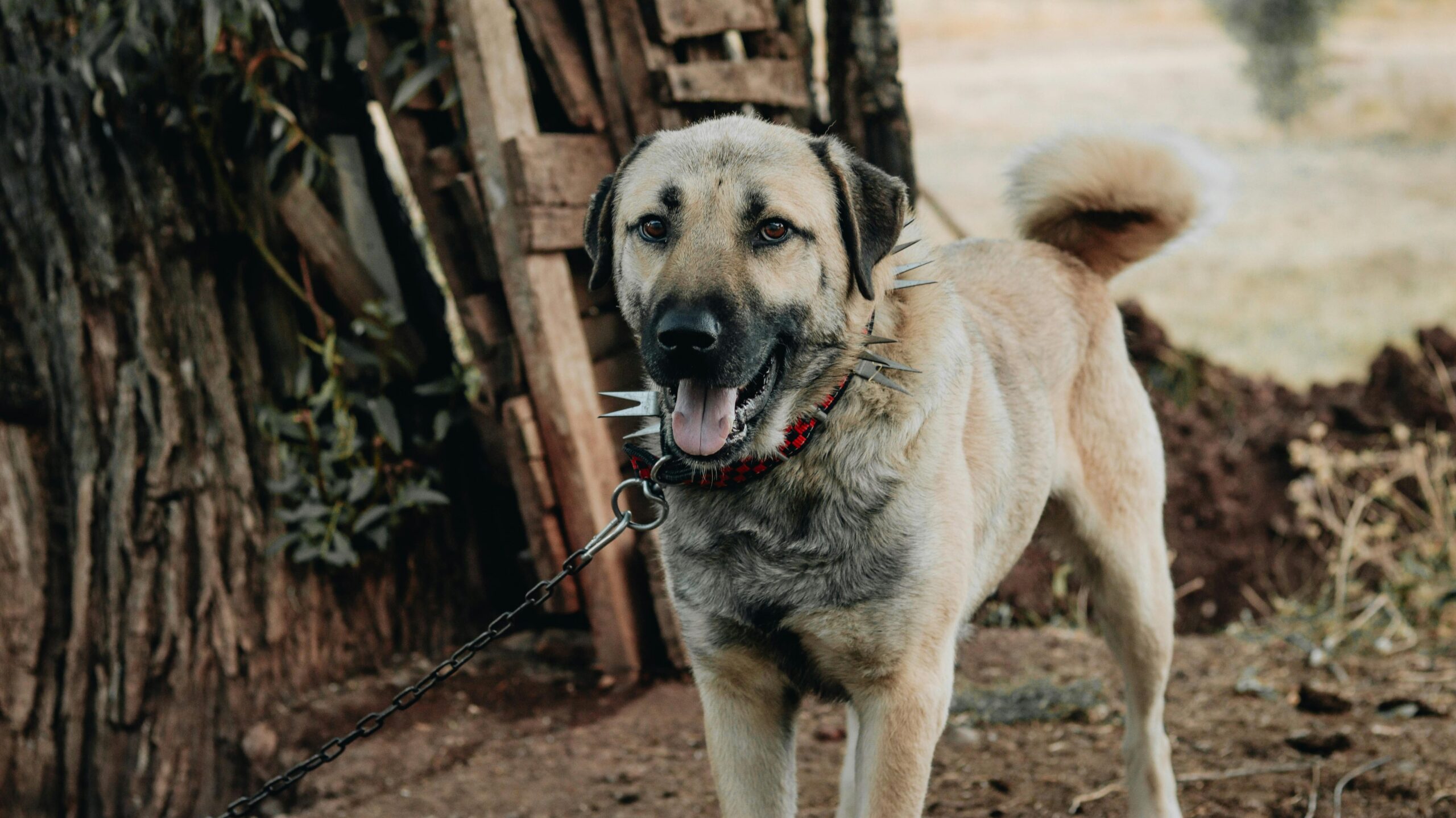
While reverse sneezing in dogs is often harmless, there are situations where it deserves closer attention. If episodes become more frequent, more intense, or longer in duration, it may signal an underlying issue that needs veterinary evaluation.
You should be concerned if reverse sneezing in dogs is accompanied by nasal discharge, especially if it is thick, yellow, green, or bloody. Other warning signs include coughing, wheezing, lethargy, loss of appetite, difficulty breathing outside of episodes, or changes in gum color.
If your dog seems distressed, collapses, or struggles to recover after an episode, it is important to seek veterinary care promptly. In these cases, what looks like reverse sneezing in dogs may actually be something more serious.
Conditions That Can Be Confused With Reverse Sneezing
Several health conditions can look similar to reverse sneezing in dogs, which is why persistent or unusual symptoms should not be ignored. Collapsing trachea, kennel cough, nasal tumors, sinus infections, and foreign objects lodged in the nasal passages can all cause abnormal breathing sounds.
Unlike typical reverse sneezing in dogs, these conditions often come with ongoing symptoms such as chronic coughing, fatigue, or nasal discharge. A veterinarian can help differentiate between a harmless reflex and a medical problem through examination and diagnostic tests.
Treatment Options for Reverse Sneezing in Dogs
Most dogs do not need treatment for reverse sneezing in dogs. When episodes are mild and infrequent, monitoring is often all that is required.
If allergies are suspected, your veterinarian may recommend antihistamines or other allergy management strategies. In cases involving nasal mites, appropriate medications can resolve the issue. Structural problems or chronic conditions may require more targeted treatment, though this is relatively rare.
The goal of treatment is not always to eliminate reverse sneezing in dogs entirely, but to reduce frequency and address any underlying discomfort.
Preventing Reverse Sneezing
While it may not be possible to prevent reverse sneezing in dogs completely, you can reduce triggers. Keeping your home free from strong scents, smoke, and dust can help minimize nasal irritation. Using a harness instead of a collar may reduce throat pressure during walks.
If your dog has known allergies, managing them proactively can also reduce episodes of reverse sneezing in dogs. Regular veterinary checkups help catch potential issues early before they become more serious.