The Responsibility of Raising Kids and Dogs Together [2025]

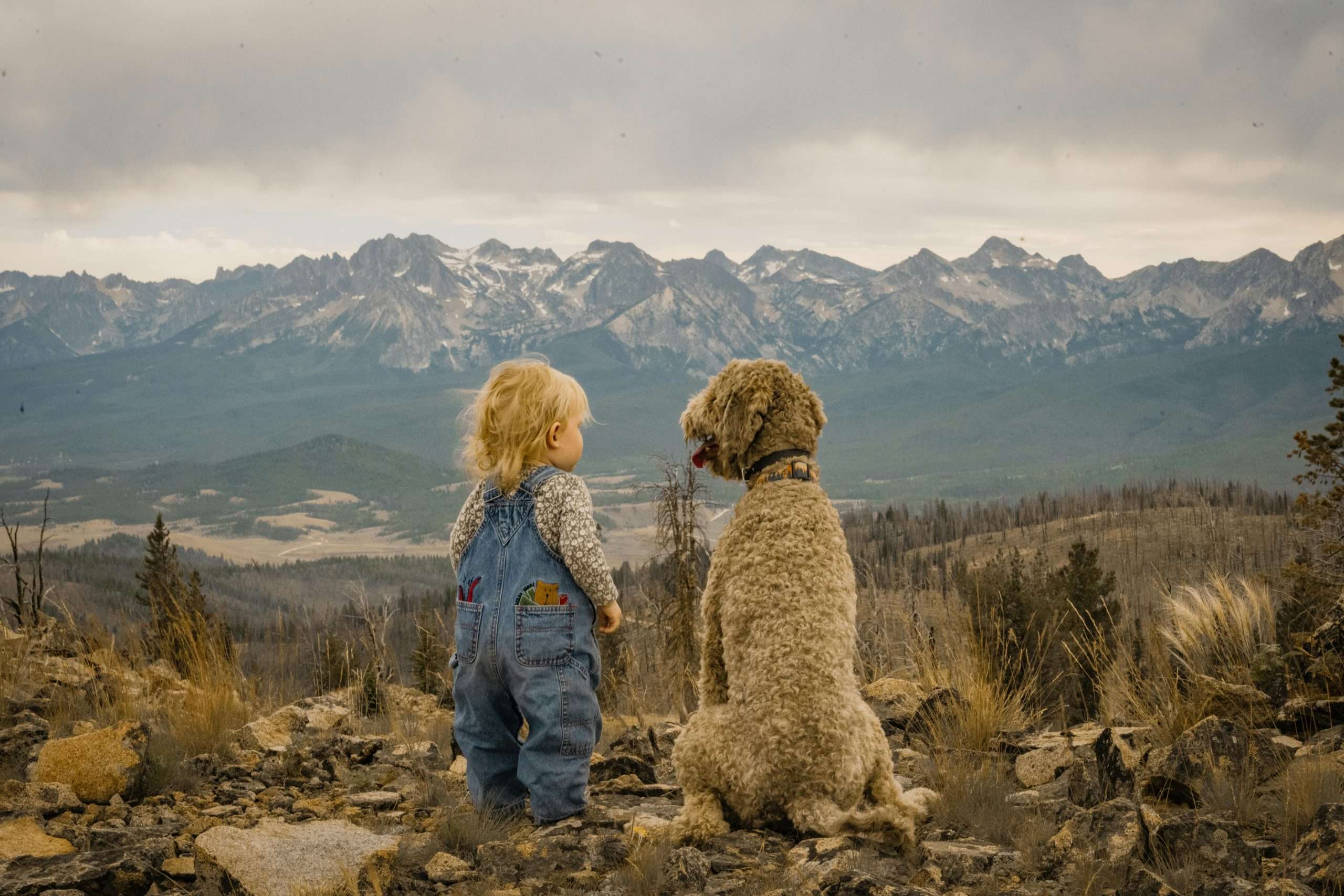
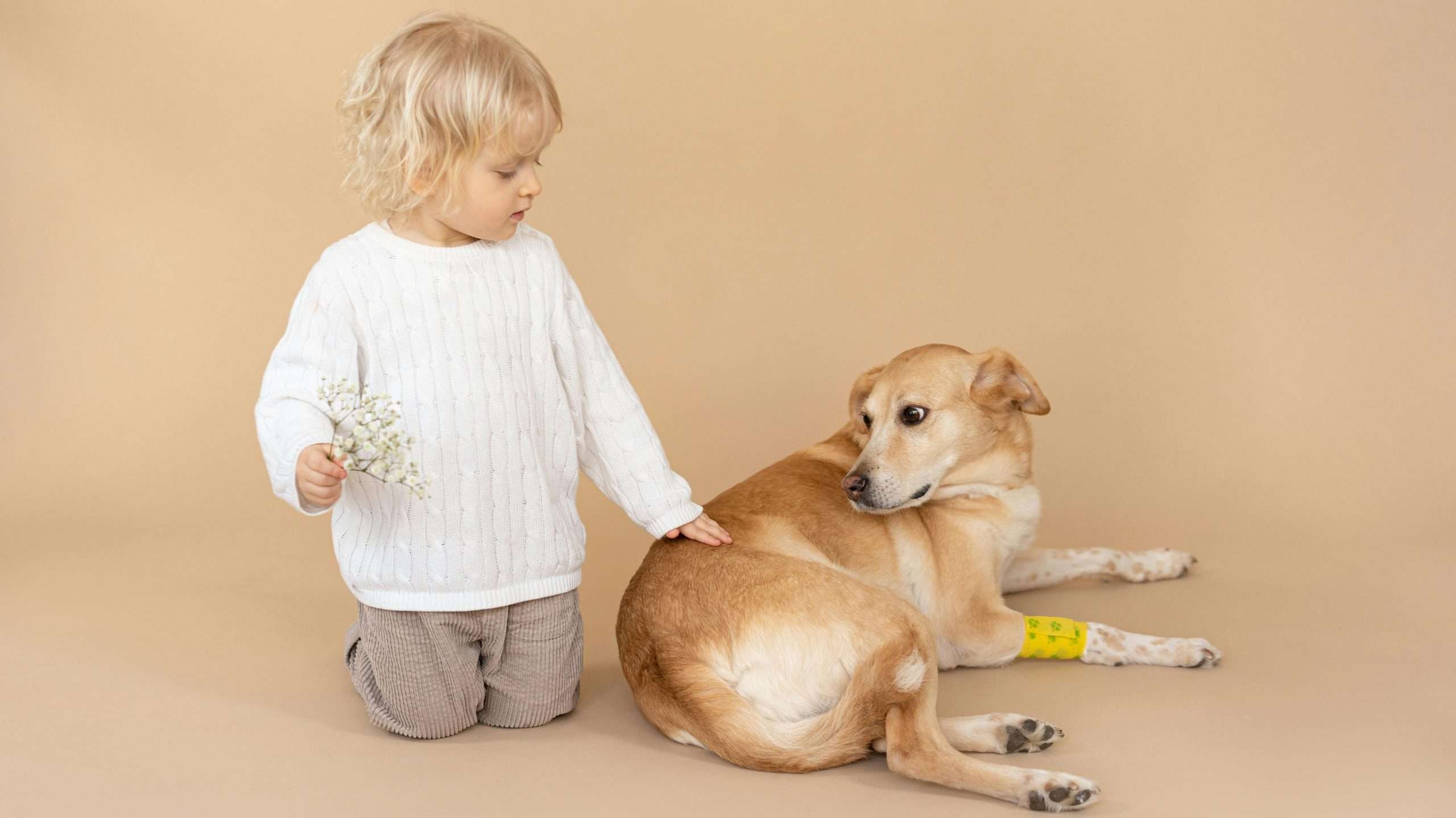
There’s something timeless and heartwarming about the bond between kids and dogs. Whether it’s a golden retriever patiently sitting beside a toddler or a child giggling as a puppy chases their shoelaces, these moments speak volumes about love, loyalty, and trust. But behind every adorable photo lies a household built on patience, training, and mutual understanding.
Raising kids and dogs together can be a beautiful journey – but it isn’t without its challenges. It calls for a thoughtful balance between nurturing your child and training your dog, all while creating a safe and respectful environment for both.

Building a Bond from Day One
The foundation of a good relationship between kids and dogs starts with early and gentle introductions. Whether you already have a dog and are bringing a baby home, or you’re welcoming a puppy into a family with young children, the approach matters.
For families with a dog already in the home, early preparation helps ease the transition. Dogs are creatures of habit, and a crying baby or a sudden shift in routine can cause anxiety. Gradually introducing new sounds, setting up the baby’s space in advance, and maintaining your dog’s routine can help them adjust more smoothly. Including the dog in small daily activities – like walks with the stroller or being nearby during feeding time – can reinforce a sense of belonging.
On the other hand, if you’re bringing a dog into a household with children, picking the right breed and temperament is key. Not all dogs are naturally comfortable with young kids, and that’s okay. Some breeds are known for their patience and affection with children, but even then, every dog has its own personality. Look for signs of gentleness, tolerance, and trainability rather than just breed reputation.
Teaching Respect – Both Ways
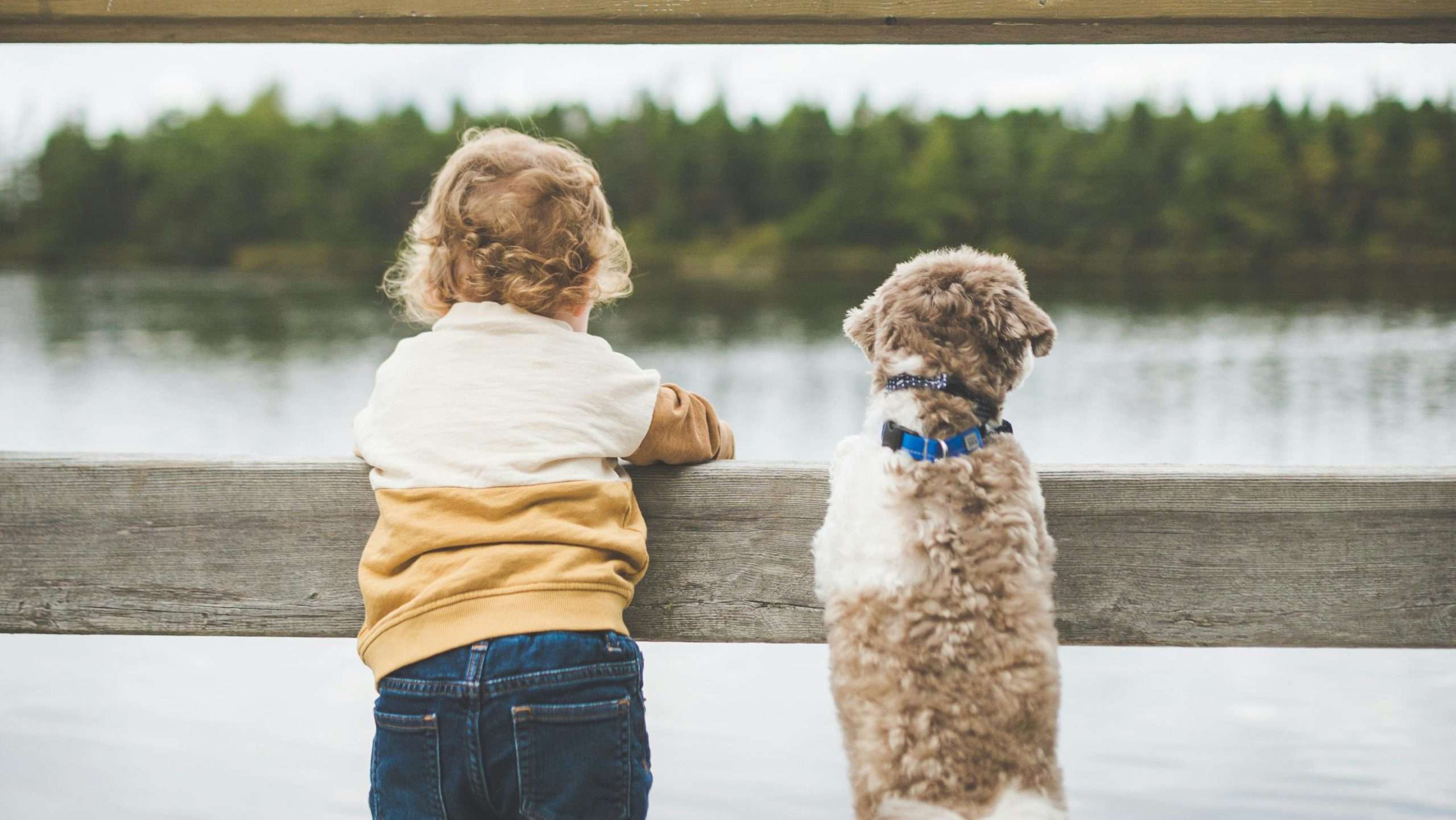
One of the most important aspects of raising kids and dogs together is teaching mutual respect. Kids often don’t know how to interact with animals. A toddler might pull a dog’s tail out of curiosity or run up to them too quickly, not realizing they’re crossing a boundary. At the same time, a dog may react with fear or defensive behavior if it feels overwhelmed.
This is why supervision is non-negotiable, especially with younger children. It’s not enough to assume your dog is “great with kids” , accidents can happen in seconds. Teach your child to approach dogs calmly, avoid rough handling, and respect the dog’s space when it’s eating or resting.
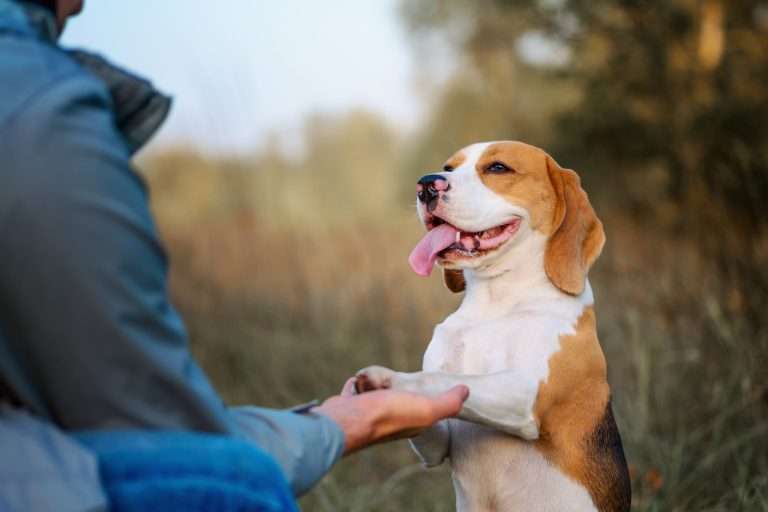
Dogs, too, need guidance. They should learn basic commands like “sit,” “stay,” “leave it,” and “go to your place.” These tools help you manage tricky situations and provide structure in the home. Positive reinforcement works best, rewarding good behavior creates trust and clarity for your pet.
As your child grows, their understanding deepens. Toddlers learn not to grab or hit, while older kids can take on more responsibility, like helping with feeding or grooming. Over time, both your child and your dog will learn to read each other’s signals, paving the way for a trusting relationship.
Shared Activities That Strengthen the Bond
A huge part of what makes life with kids and dogs so fulfilling is the range of shared experiences. From daily walks to weekend hikes, there’s plenty of opportunity for fun and bonding. These moments do more than just entertain – they help build empathy, responsibility, and emotional connection.
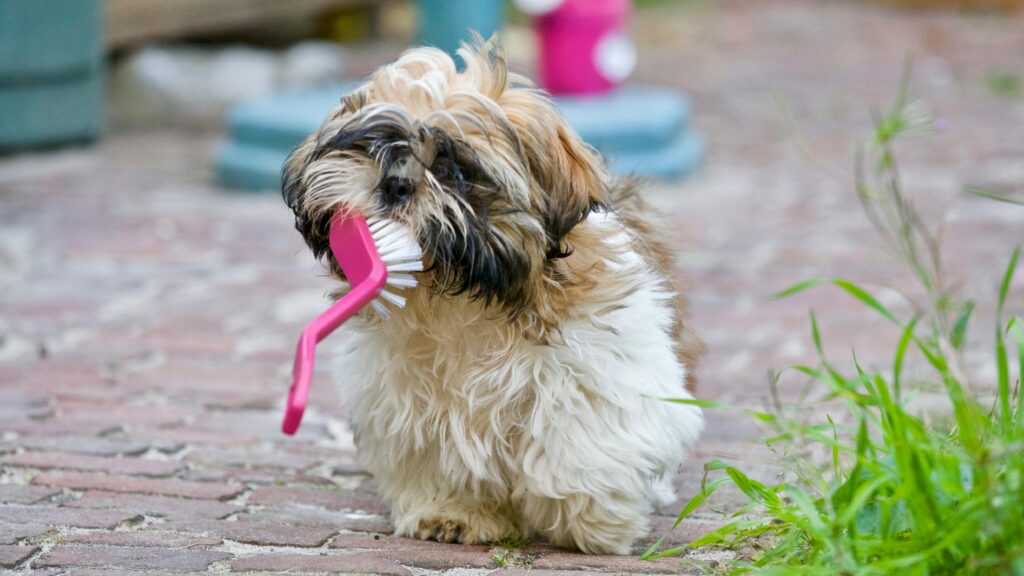
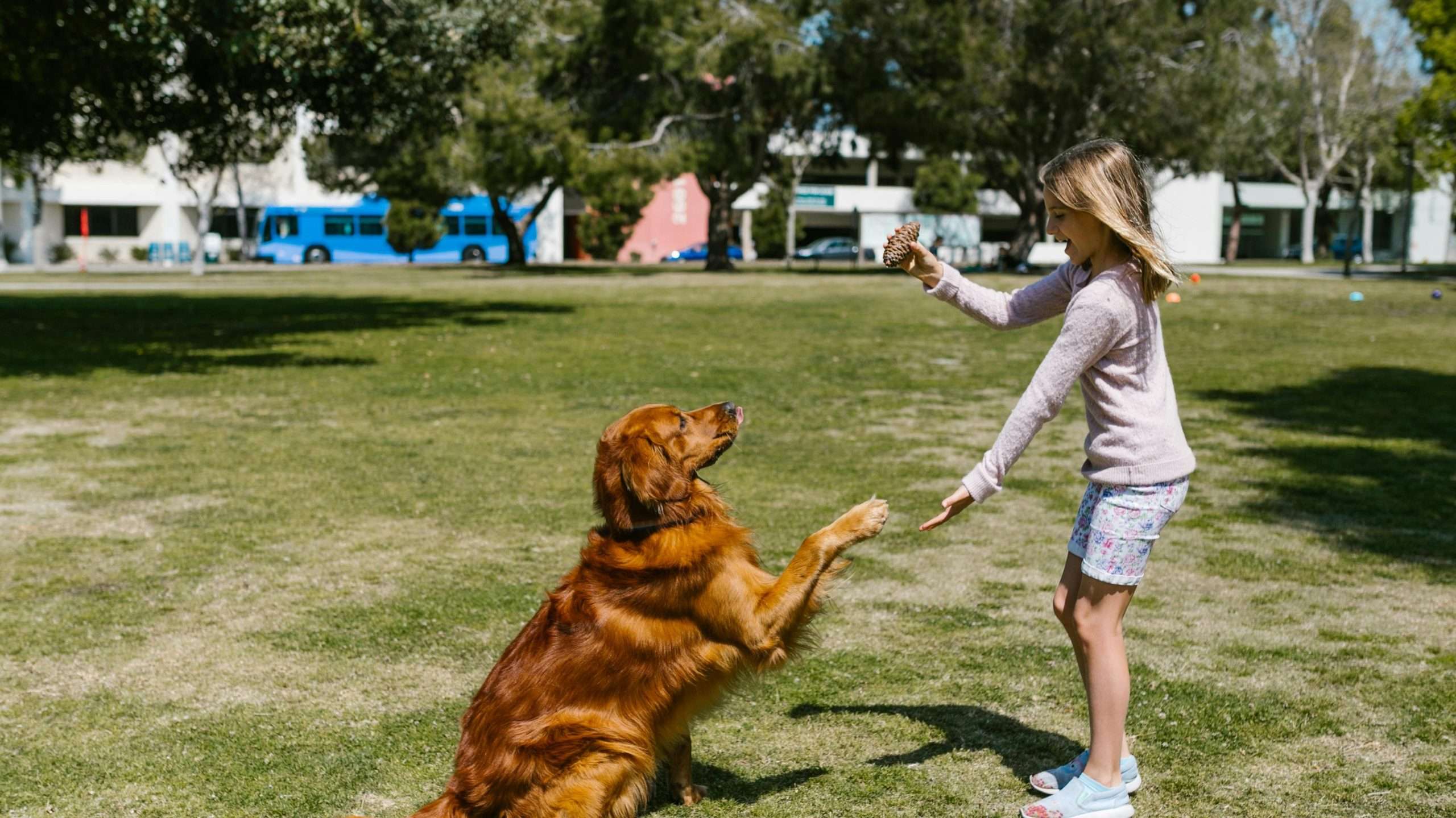
Simple routines, like letting your child toss the ball during a game of fetch, can foster teamwork and understanding. Involving them in feeding or brushing the dog also teaches consistency and care. As children grow, giving them small pet-related tasks builds confidence and a sense of accomplishment.
Then there’s playtime. Few things compare to the joy of seeing a child collapse into giggles as their dog chases bubbles or rolls over for belly rubs. The laughter, the mess, the unfiltered affection – it all becomes part of the family’s story.
Dogs also make excellent emotional companions. For shy or anxious kids, having a dog can be deeply comforting. They offer silent support, unconditional love, and a sense of security. In many ways, the emotional intelligence of dogs complements the developing minds of children.
Related reads:
The Ultimate First Time Dog Owner Checklist [2024]
Managing Energy and Boundaries
Not every day with kids and dogs will feel picture-perfect. There will be chewed-up toys, spilled water bowls, and the occasional tantrum, sometimes from both sides. This is where routines and boundaries play an important role.
Dogs, especially puppies, need regular exercise and mental stimulation. Without it, they can become restless and difficult to manage. Children, on the other hand, thrive on structure and predictability. Creating a daily rhythm that meets both their needs takes a bit of planning.
For instance, setting aside a short morning walk before school can help burn off a dog’s energy and calm the household. Quiet playtime or puzzle toys during homework hours can keep your dog engaged without being disruptive. Designating pet-free zones – like your child’s bed or certain play areas – can help establish respectful boundaries.
It’s also helpful to have safe spaces for each. A cozy dog bed in a quiet corner gives your pet a retreat when things get loud. Similarly, your child may need a dog-free moment now and then. Respecting these spaces teaches both parties about healthy boundaries and emotional self-regulation.
The Lessons They Learn from Each Other
One of the most beautiful parts of raising kids and dogs together is the silent education that happens daily. Children who grow up with dogs often develop a deeper understanding of empathy, responsibility, and non-verbal communication. They learn to interpret mood through body language, to approach gently, and to care for someone other than themselves.
Dogs, too, adapt and learn from the presence of children. They become more tolerant, attuned, and in many cases, protective. It’s not uncommon for dogs to instinctively keep an eye on their young human companions, acting almost like furry older siblings.
These lessons are invaluable and stay with children into adulthood. The companionship, trust, and even the grief of losing a beloved pet one day – all of it becomes part of how they understand the world.
When It’s Not a Perfect Fit
Despite the best intentions, not every household is immediately ready for both kids and dogs. And that’s okay. Timing matters. If your child is going through a difficult phase or your home is already overwhelmed with responsibilities, it might be worth waiting before adding a pet.
The same goes for dogs. If a rescue dog has a history of trauma or anxiety around children, placing them in a home with young kids could be unfair to both. It’s not a reflection of failure – just an honest acknowledgment of what’s best for everyone involved.
In some cases, working with trainers, behaviorists, or pediatric therapists can help bridge the gap. But above all, it’s important to prioritize safety and well-being. A respectful, prepared approach always leads to better outcomes.
A Lifetime of Memories
Years down the line, when your child looks back, some of their most cherished memories may include their four-legged best friend. The puppy who waited by the door after school. The dog who listened to their secrets. The constant, joyful presence who loved them through every stage.
Raising kids and dogs together isn’t just about companionship – it’s about shaping character, building trust, and creating a home full of shared laughter, muddy paw prints, and tail wags.
It takes effort, patience, and a fair share of cleanup. But the love you get in return? It’s a bond like no other – pure, enduring, and endlessly rewarding.