5 Puppy Development Stages: From Birth to Adulthood

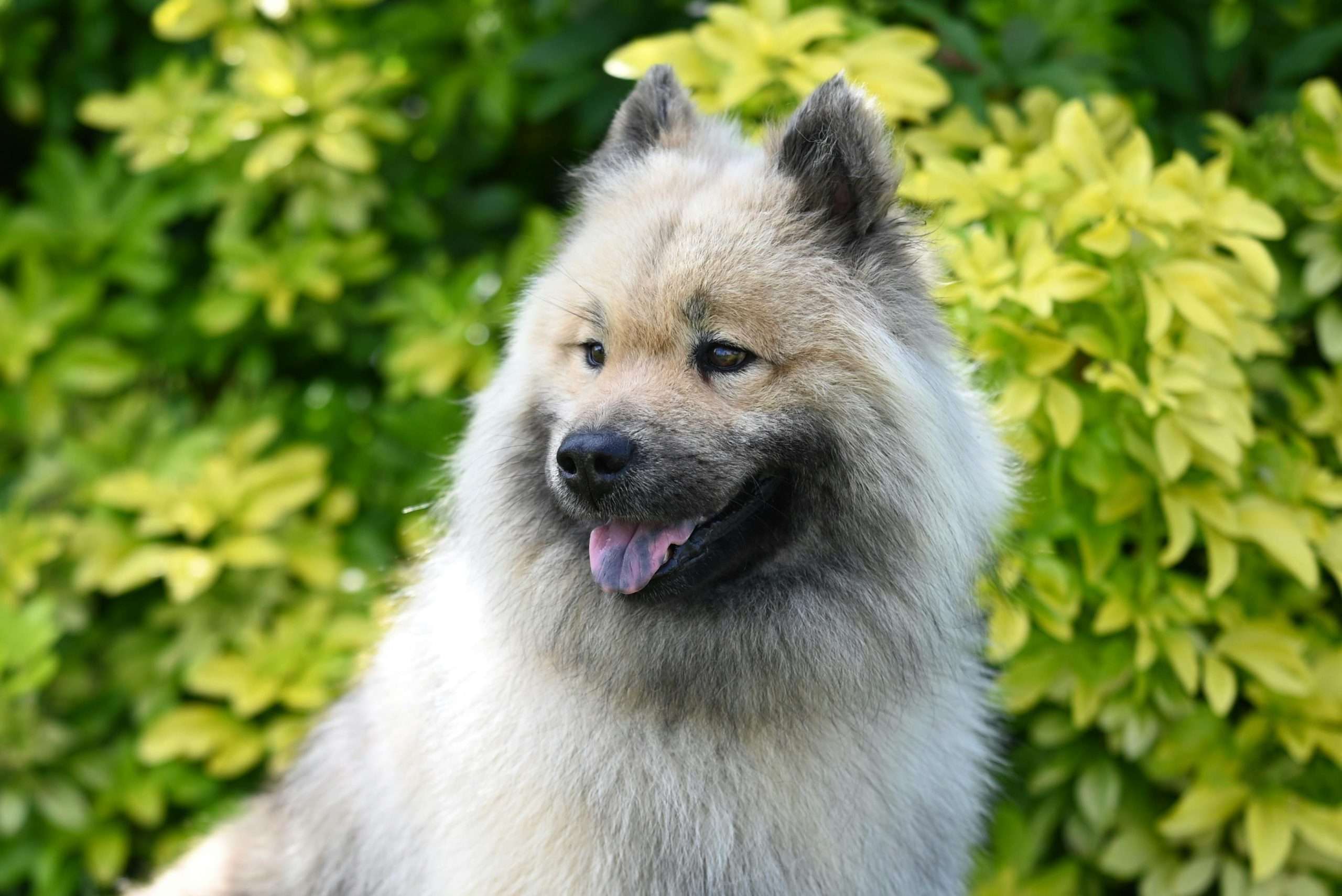
Watching a puppy grow is one of the most rewarding experiences for any dog parent. From their first wobbly steps to full-grown independence, every moment feels like a milestone. But behind the adorable fluff and playful antics lies a complex journey of growth, learning, and change. Understanding the puppy development stages can help you support your dog’s emotional, social, and physical well-being, right from day one.
Understanding the Core Puppy Development Stages
The puppy development stages are divided into distinct timeframes, each marked by critical changes in behavior, sensory development, and social interactions. While timelines can slightly differ between breeds (especially between small and large dogs) the overall sequence remains consistent.

Stage 1: Neonatal Period (0–2 Weeks)
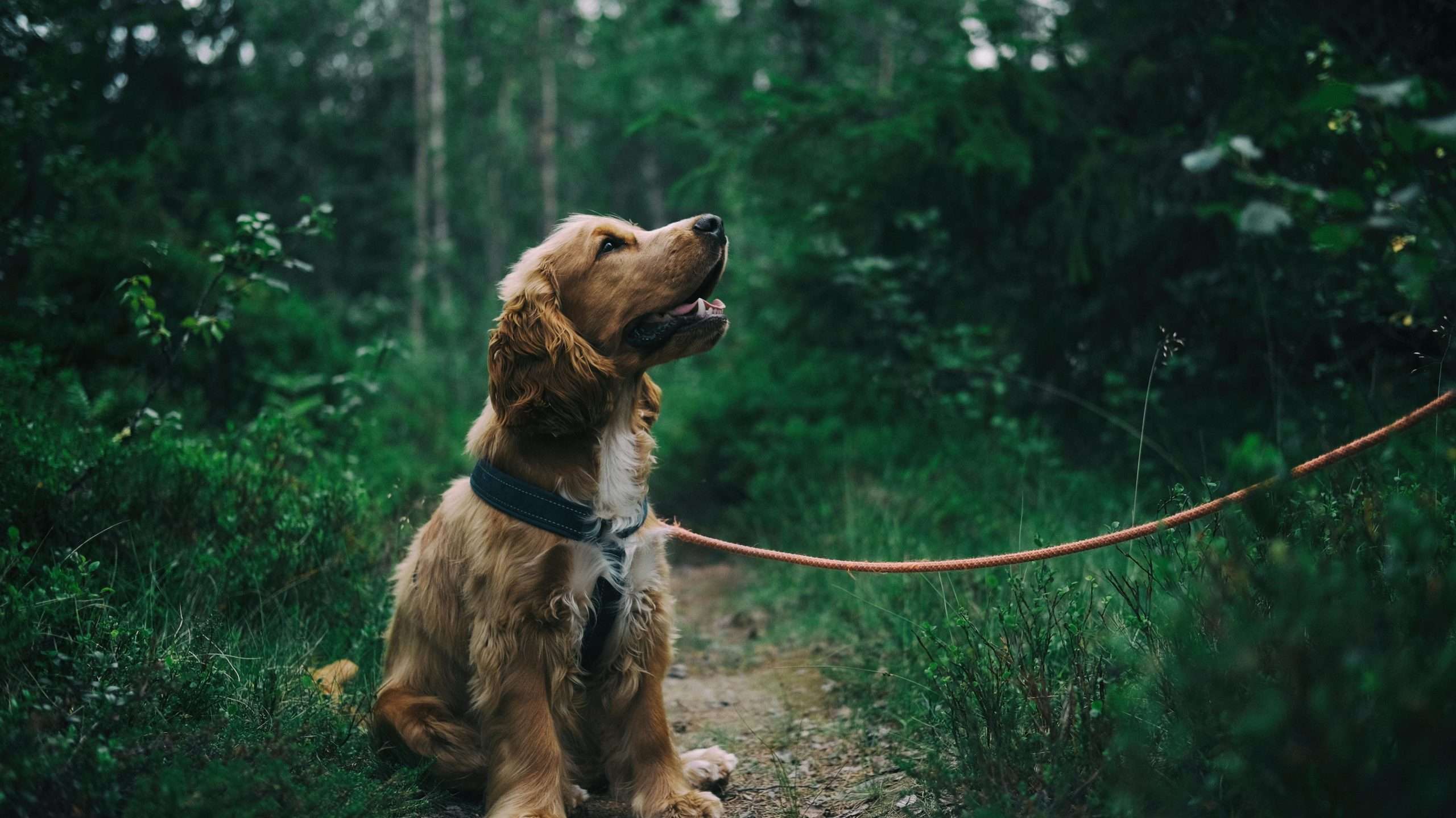
The first phase of the puppy development stages begins at birth. During the neonatal stage, puppies are completely dependent on their mother. Their eyes and ears are closed, and they rely solely on touch and smell to find warmth and food. Movements are limited to crawling, and vocalizations include faint squeaks or whimpers.
Though it might seem like not much is happening, this is when the foundation of their nervous system and reflexes begins forming. It’s also a vital bonding time with the mother and littermates.
Stage 2: Transitional Period (2–4 Weeks)
Between the second and fourth weeks, the puppy enters the transitional stage. Eyes open, followed by the ears. This is when they begin responding to light, sounds, and smells. Wobbly walking starts, and tails might wag in response to stimulation.
This period marks a noticeable shift in the puppy development stages; from passive response to active exploration. Puppies also begin to show early signs of personality, engaging more with littermates and starting simple play behaviors.
Stage 3: Socialization Period (3–12 Weeks)
This stage is arguably the most crucial of all puppy development stages. Socialization affects how your puppy will interact with humans, dogs, and the world for the rest of their life.
Between 3–5 weeks, puppies start to understand their surroundings and begin forming social bonds. They explore, bark, bite, and play to learn boundaries and communication. By 7–9 weeks, they are ready to go to their new homes, and this is when your job truly begins.
During this time, it’s essential to:
- Introduce your puppy to various people, sounds, surfaces, and other safe, vaccinated animals.
- Begin crate training, toilet training, and short periods of alone time to prevent separation anxiety.
- Encourage gentle play while discouraging nipping and chewing.
Positive experiences during this stage shape a confident, well-adjusted adult dog. Any negative or frightening encounters, on the other hand, can leave lasting impressions—so keep socialization structured and safe.
Stage 4: Testing/Ranking Period (3–6 Months)
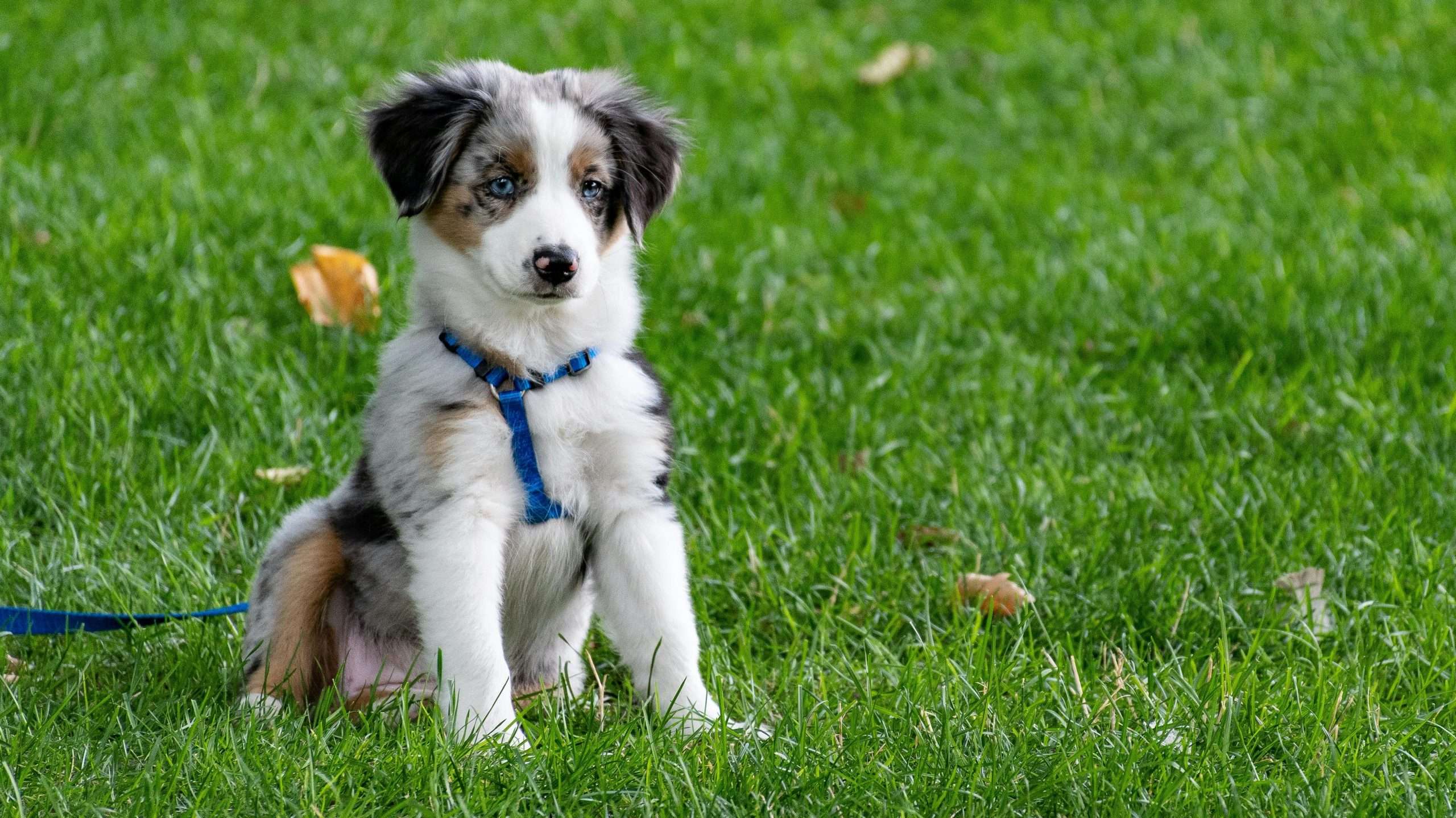
The fourth step in the puppy development stages is when your dog begins testing limits. You might notice a sudden stubborn streak, or see them ignoring commands they previously obeyed. This phase is often compared to human toddlers discovering the word “no.”
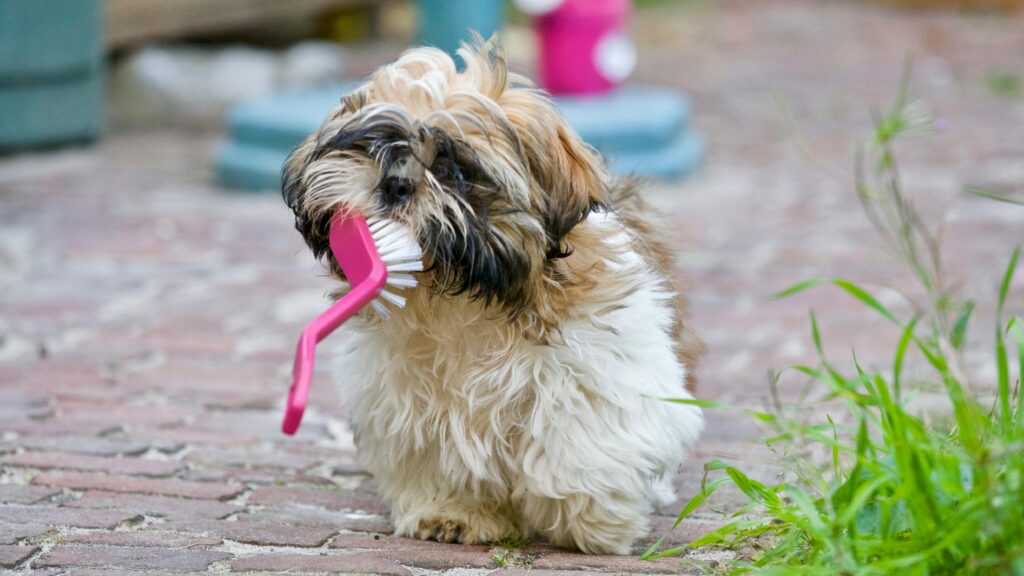
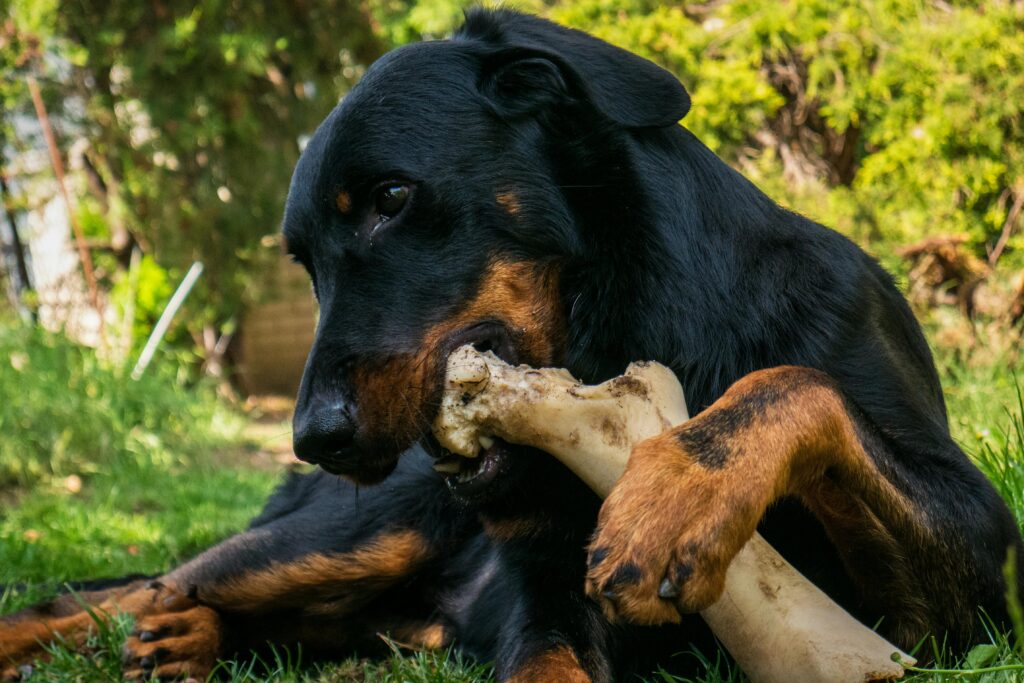
This is also the peak teething phase. Your puppy will likely chew on anything in sight (furniture, shoes, table legs) to soothe sore gums. Teething usually ends by six months when adult teeth are in place.
Some key things to do during this period:
- Stay consistent with rules and commands.
- Offer safe chew toys and redirect chewing behavior gently.
- Continue training and reward-based guidance daily.
This is also when many adult dogs will begin setting boundaries with the younger pup, which helps reinforce pack hierarchy and social behavior.
Stage 5: Adolescence (6–18 Months)
By now, your puppy is entering the trickiest phase of the puppy development stages – adolescence. Like a teenager, your dog is full of energy, hormones, and unpredictable behavior. You may see regressions in training, disobedience, or selective hearing (suddenly not responding to their name).
For male dogs, this is when behaviors like scent marking, humping, or roaming may start. Females may go into their first heat. Even well-socialized dogs can become reactive or exhibit guarding behaviors during this time.
Typical adolescent behaviors may include:
- Excessive chewing
- Jumping or barking
- Aggression towards other dogs
- Guarding resources or space
- Ignoring previously learned commands
While frustrating, this stage is not permanent. Staying patient, keeping a consistent training routine, and offering enough mental and physical stimulation will help your dog mature into a calm, responsive adult.
Fear Periods in Puppy Development
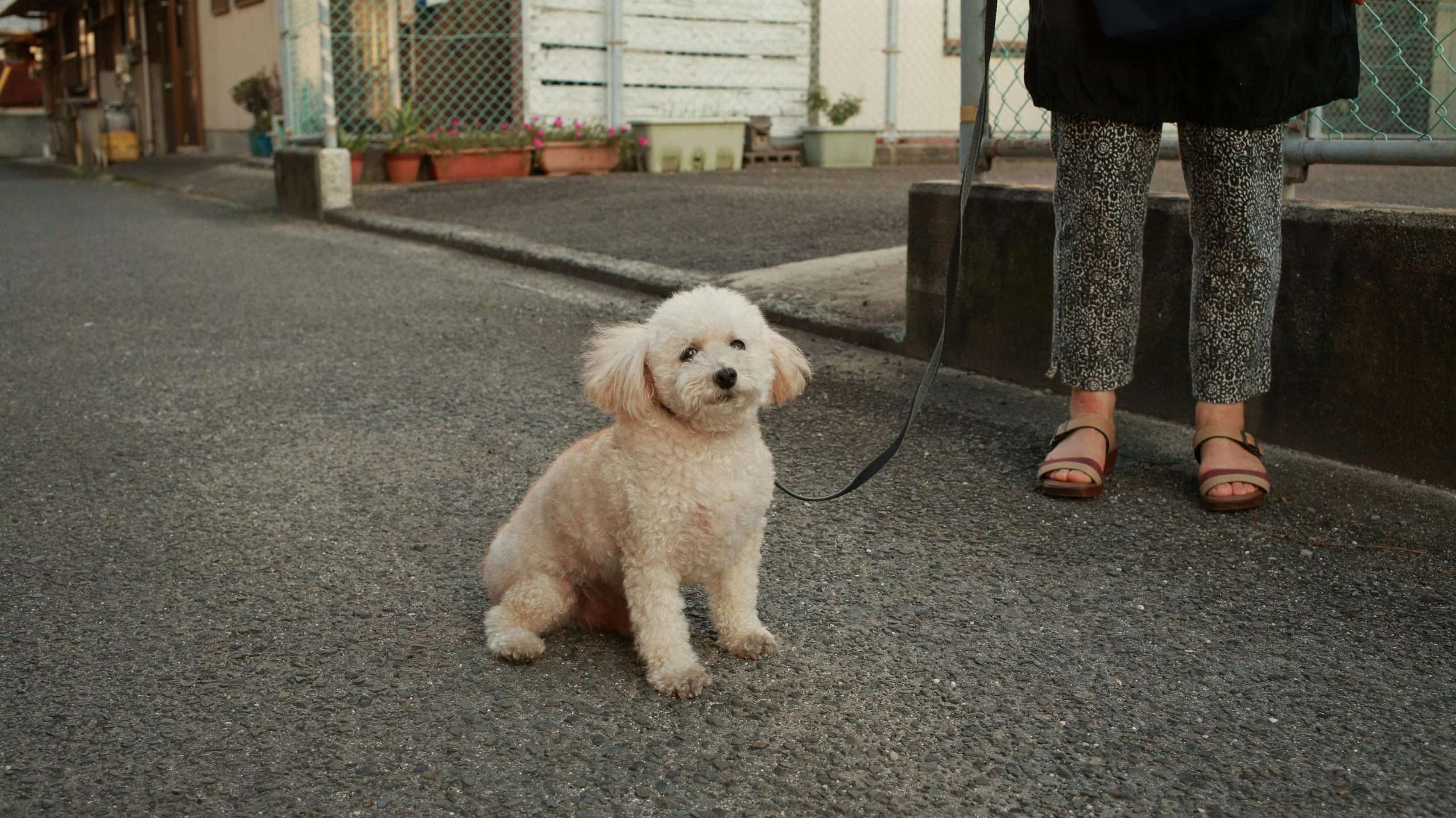
An important but often overlooked part of the puppy development stages is the occurrence of fear periods. These are brief windows where your pup may become overly sensitive or frightened by things that previously didn’t bother them – like a hat, a person’s voice, or a vacuum cleaner.
Common fear periods occur:
- Around 8–10 weeks
- 4–6 months
- 9 months
- Between 14–18 months
If your dog suddenly becomes fearful, avoid scolding or forcing exposure. Instead, give them time, use positive reinforcement, and hold off on introducing new environments or people until the fear subsides.
Biting, Chewing, and Rough Play: What’s Normal?
These behaviors are common throughout the puppy development stages, especially between 3–6 months. Biting and chewing are ways puppies explore the world and learn boundaries. Play fighting with siblings teaches bite inhibition; knowing how hard is too hard.
If your puppy bites during play:
- Say “ouch” firmly and stop the interaction.
- Offer a chew toy instead.
- Walk away for a minute to teach them that biting ends the fun.
Avoid punishment. Focus on redirection and positive reinforcement to help them learn acceptable behavior.
Supporting Your Puppy Through Every Stage
Raising a puppy means adapting to their ever-changing physical and emotional needs. Here’s how to support your dog through each of the puppy development stages:
- Routine: Establish consistent mealtimes, potty breaks, walks, and training.
- Training: Start with basic commands and gradually increase difficulty. Use treats, praise, and patience.
- Socialization: Expose your pup to people, dogs, and environments early and often (but safely).
- Enrichment: Puzzle toys, safe chew items, and varied play are essential for mental stimulation.
- Health checks: Keep up with vaccinations, vet visits, and parasite prevention.
The more structure and guidance you provide now, the more confident and well-adjusted your adult dog will be later.
Related reads:
Master a Consistent Dog Training Routine: 10 Tips for Consistency
When Does a Puppy Become an Adult Dog?
Adulthood doesn’t have a single fixed age across all breeds. Small dogs often mature faster, reaching adulthood around 10–12 months. Medium to large breeds may take 18–24 months to fully transition out of adolescence.
The last of the puppy development stages often overlaps with early adulthood. Your dog may still test limits occasionally, but their behavior will generally become more stable and predictable.
Final Thoughts
Understanding the puppy development stages gives you a roadmap to raise a healthy, happy dog. From fragile newborns to full-grown companions, each stage builds on the one before it – social skills, confidence, and responsiveness don’t happen overnight.
With consistent care, patience, and positive training, your pup will grow into the loyal, loving dog you hoped for. And while challenges may arise, knowing what to expect during the puppy development stages helps you stay one step ahead in your dog’s lifelong journey.
![Do’s and Don’ts While Dealing with an Anxious Dog [2024]](https://100dogbreeds.com/wp-content/uploads/2024/07/anxious-dog-featured-768x513.jpg)