Best Puppy Crate Training Schedule (2026 Guide)

Bringing home a new puppy is an exciting chapter in life, but it also comes with responsibilities like housetraining and setting routines. One of the most effective tools many dog owners use is crate training. When done right, puppy crate training supports housebreaking, reduces anxiety, and helps your puppy develop good habits.
This 2026 guide will walk you through a balanced schedule, tips that actually work, and how to make crate time a positive experience for your pup.

What Is Puppy Crate Training and Why It Matters
Crate training means teaching your puppy to view their crate as a safe and comfortable space rather than a place of punishment. When incorporated into a daily schedule, it becomes easier for your puppy to understand expectations around potty breaks, rest, and independent time. Puppies thrive on routine, and the consistency of crate training helps reduce stress and confusion.
A proper schedule lays out consistent feeding times, potty breaks, nap times, play, and quiet periods. Without a clear schedule, puppies can become anxious or develop unwanted behaviors simply because they do not know what comes next in their day.
How Crate Training Helps With Potty Training
One of the biggest benefits of a well-planned puppy crate training schedule is that it supports potty success. Most puppies will naturally avoid soiling their sleeping quarters, so the crate becomes a tool for teaching bladder and bowel control.
Puppies have small bladders and cannot hold it for long. A general rule often shared by trainers is that a puppy can hold their bladder for about one hour per month of age. This means a three-month-old puppy generally should not be kept in a crate for more than about three hours without a potty break.
Related reads:
5 Effective Tips on How to Potty Train Your Dog or Puppy
Preparing for Puppy Crate Training
Before you start scheduling crate time, you need to set your puppy up for success.
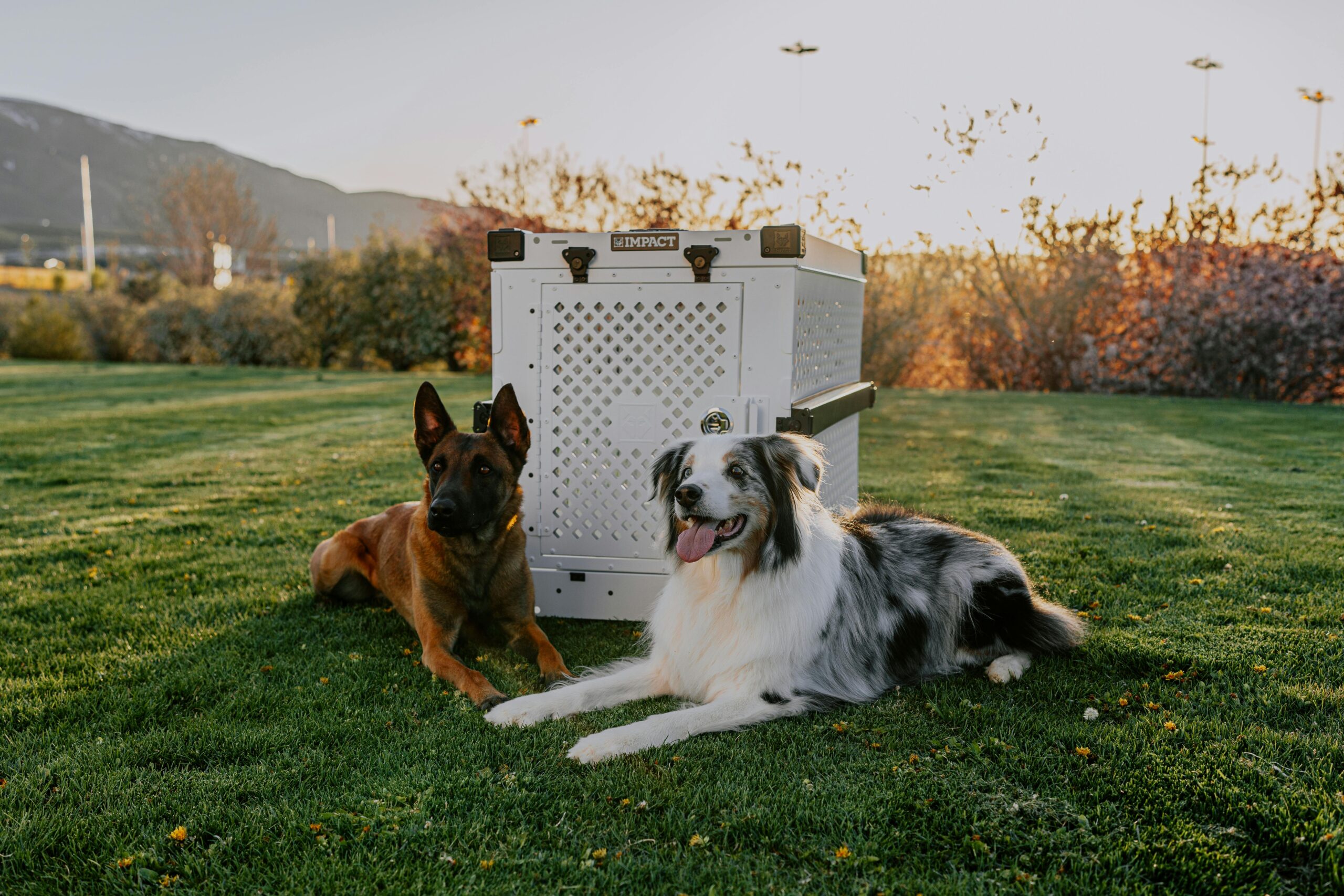
Choose the Right Crate Size
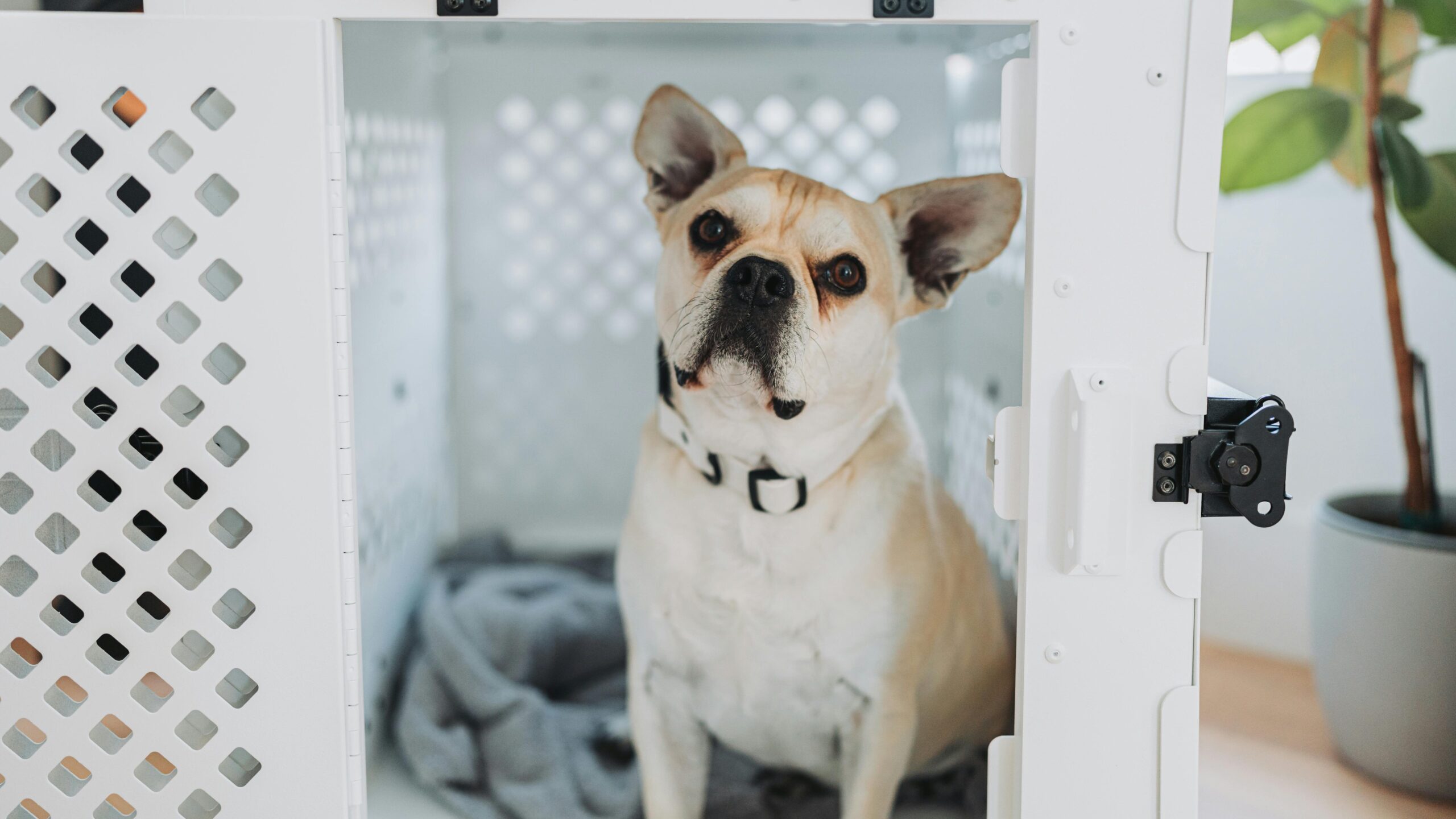
Make sure your puppy can stand up, turn around, and lie down comfortably, but avoid too large a crate as that can encourage “accidents” in one corner and sleeping in another.
Comfort Matters
Add a soft bed or blanket, a safe chew toy, and make the crate inviting. A familiar scent like your worn t-shirt can help them feel secure.
Positive Associations
Start by feeding meals near the crate, then inside the crate with the door open. Reward your puppy with treats and praise when they go in voluntarily. Never force them inside or use the crate as punishment.
Daily Puppy Crate Training Schedule by Age

Creating age-appropriate expectations is key to a schedule that actually works.
8–12 Weeks Old: Foundation Phase
At this age, puppies need frequent breaks and short sessions in the crate. A sample schedule looks like this:
Early Morning
- 7:00 AM – Wake up and immediate potty break
- 7:15 AM – Breakfast followed by potty break
- 7:30 AM – Playtime and exploration
- 8:30 AM – Crate time for nap
Midday
- 10:00 AM – Potty break and light play
- 10:30 AM – Back to crate for another nap
- 12:00 PM – Lunch and potty break
- 1:30 PM – Crate time for afternoon rest
Evening
- 3:30 PM – Potty and play
- 5:00 PM – Dinner followed by a potty break
- 6:00 PM – Family time outside the crate
- 8:00 PM – Last potty break before bed
- 8:30 PM – Bedtime in crate
When potty training is still new, take your puppy out right after they’ve eaten, after waking up, and after play, as these are the moments accidents are most likely.
12–16 Weeks Old: Building Stamina
Puppies this age can begin to hold their bladder a bit longer and may stay in the crate for longer segments with breaks for affection and activity. A midday crate nap or short rest period can help expand their comfort with the crate.
As they grow, you can gradually extend crate sessions but still follow the principle of short, positive periods rather than long stretches without interaction.
4–6 Months Old: Greater Independence
Puppies between four and six months start getting better bladder control and can tolerate longer naps inside the crate. Use the crate for structured rest after active play, training, and potty breaks during the day.
Even at this stage, they will still need frequent opportunities outside the crate to socialize, explore, and learn basic commands. Ignoring these needs can lead to resistance or distress.
6+ Months and Beyond: Mature Routine
By six months, many puppies are ready for a steady routine of crate time and awake time. Overnight crating at this age should allow them to sleep without needing middle-of-night potty breaks most of the time, though occasionally it may still be necessary.
Their waking hours can feature extended play, obedience training, short crate periods for rest, and regular potty breaks. This balance keeps them mentally stimulated and physically balanced.
A Balanced Puppy Crate Training Day Example
To help you visualize this in practice, here is a general routine that works for many puppies:
Morning Start
Wake up, immediate potty, feeding, and play.
Late Morning
Short crate time for a nap followed by another potty break.
Afternoon
Active play or training followed by crate rest.
Evening
Family time, a final meal, potty break, and bedtime crate routine.
The key is making sure crate sessions are interspersed with potty, play, and supervised freedom. Puppies should never be left in a crate for too long without breaks.
Tips to Make Your Puppy Crate Training Schedule Work
Keep Crate Sessions Positive
Reward your puppy with praise and treats if they enter the crate willingly. This helps them associate crate time with positive outcomes.
Never Use the Crate as Punishment
If a puppy fears the crate, it undermines all progress in your schedule. The crate should remain a happy, calm space.
Feed Meals in the Crate
This creates a connection between good things and crate time.
Maintain Consistency
Use the same words, schedule, and routines every day. Puppies thrive on predictability.
Common Challenges and How to Handle Them
Puppy Whining or Barking in the Crate
Wait a few moments to see if the puppy settles. If crying continues, a quick potty break followed by immediate return to the crate often helps.
Nighttime Potty Breaks
Young puppies may need one or two nighttime breaks. Keep these interactions calm and brief so they understand it is not playtime.
Plateaus in Progress
If your puppy seems resistant to the crate some days, reduce crate time slightly and resume gradually building up again. Patience is key.
Final Thoughts
A thoughtful puppy crate training schedule is one of the best tools you can give your puppy. With a predictable routine of potty breaks, meals, play, and crate rest, your puppy learns what to expect every day. This reduces stress, supports potty training success, and builds independence. Start with short, positive crate sessions and gradually adjust them as your puppy grows. With patience and consistency, crate training becomes a helpful and effective part of your dog’s life.
Frequently Asked Questions
How long should my puppy stay in the crate?
Puppies under six months should rarely be crated for more than three consecutive hours. As they mature, this may extend to four to six hours during the day. Overnight crating can be longer but still includes breaks based on your puppy’s bladder capabilities.
Should there be water in the crate?
It is often suggested to remove water a couple of hours before bedtime to help prevent night accidents. Always provide water during the day outside the crate.
What if my puppy cries each time we put them in their crate?
Don’t open the door while they cry, as this can reinforce that crying gets them out. Instead, wait for calm behavior or take them out for a quick potty break, then immediately return them to the crate.