How to Stop Your Dog from Pulling on the Leash [2024]

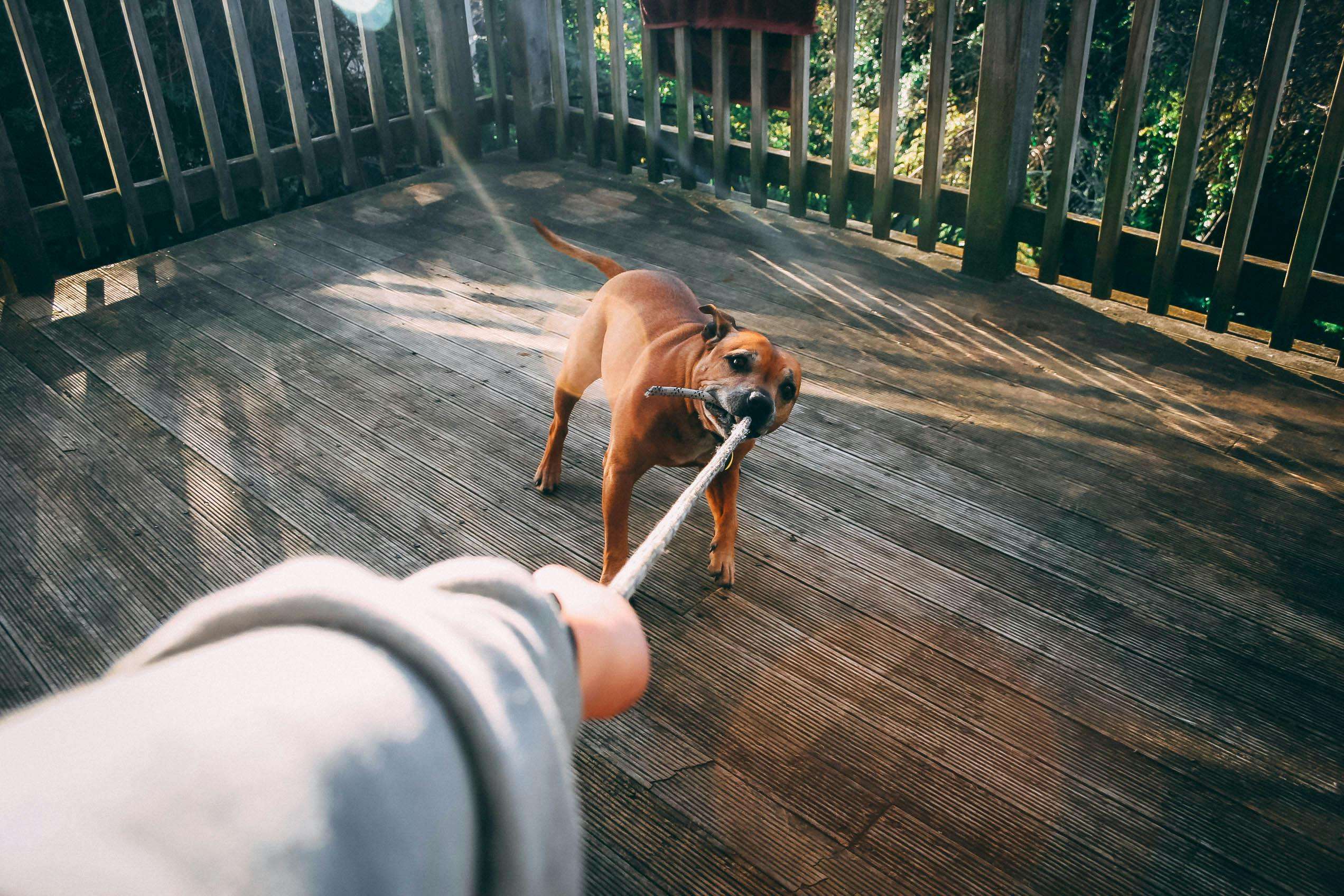
Is your arm sore from your dog constantly pulling on the leash? Are you tired of feeling like your dog is walking you instead of the other way around? That peaceful walk you planned has turned into a daily struggle. But what if you could end this tug-of-war for good?.
This article will guide you through understanding why dogs pull and provide effective techniques to stop this behavior, ensuring pleasant walks for everyone involved.

Why Dogs Pull on the Leash
Before diving into solutions, it’s essential to understand why dogs pull on leashes. This behavior is often rooted in:
- Natural canine behavior: Dogs are curious creatures who want to explore their environment.
- Excitement and distractions: The outdoors is full of exciting smells, sights, and sounds that dogs want to investigate.
- Lack of proper training: Many dogs haven’t been taught how to walk politely on a leash.
Understanding these factors can help you address the root cause of leash pulling and develop an effective training plan.
Equipment and Tools for Preventing Dogs from Pulling on the Leash
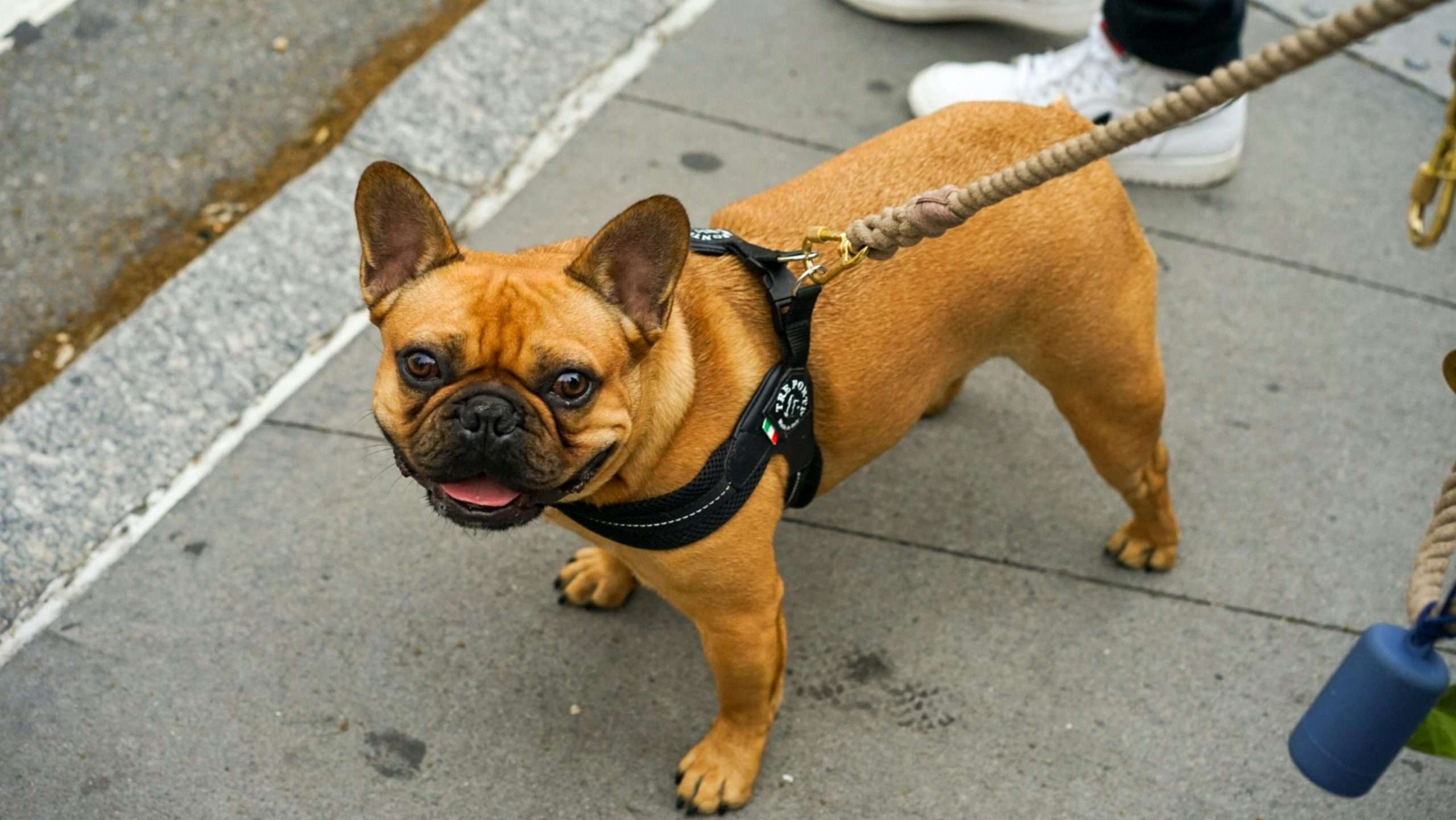
Using the right equipment can make a significant difference in managing dog pulling on the leash. Here are some options to consider:
Leashes:
- Short leashes (4-6 feet) offer better control and are ideal for training.
- Avoid retractable leashes, as they can encourage pulling and provide less control.
Collars:
- Ensure proper fitting using the two-finger rule (you should be able to fit two fingers between the collar and your dog’s neck).
- Consider a martingale collar for dogs with narrow heads.
Harnesses:
- Front-clip harnesses are excellent for preventing leash pulling. They redirect your dog’s attention back to you when they pull.
- Look for harnesses specifically designed to discourage pulling.
Head collars:
- These can be effective for larger breeds prone to strong pulling.
- They work by gently turning the dog’s head when they pull, making it less comfortable and effective.
Training Techniques to Stop Dog Pulling on the Leash
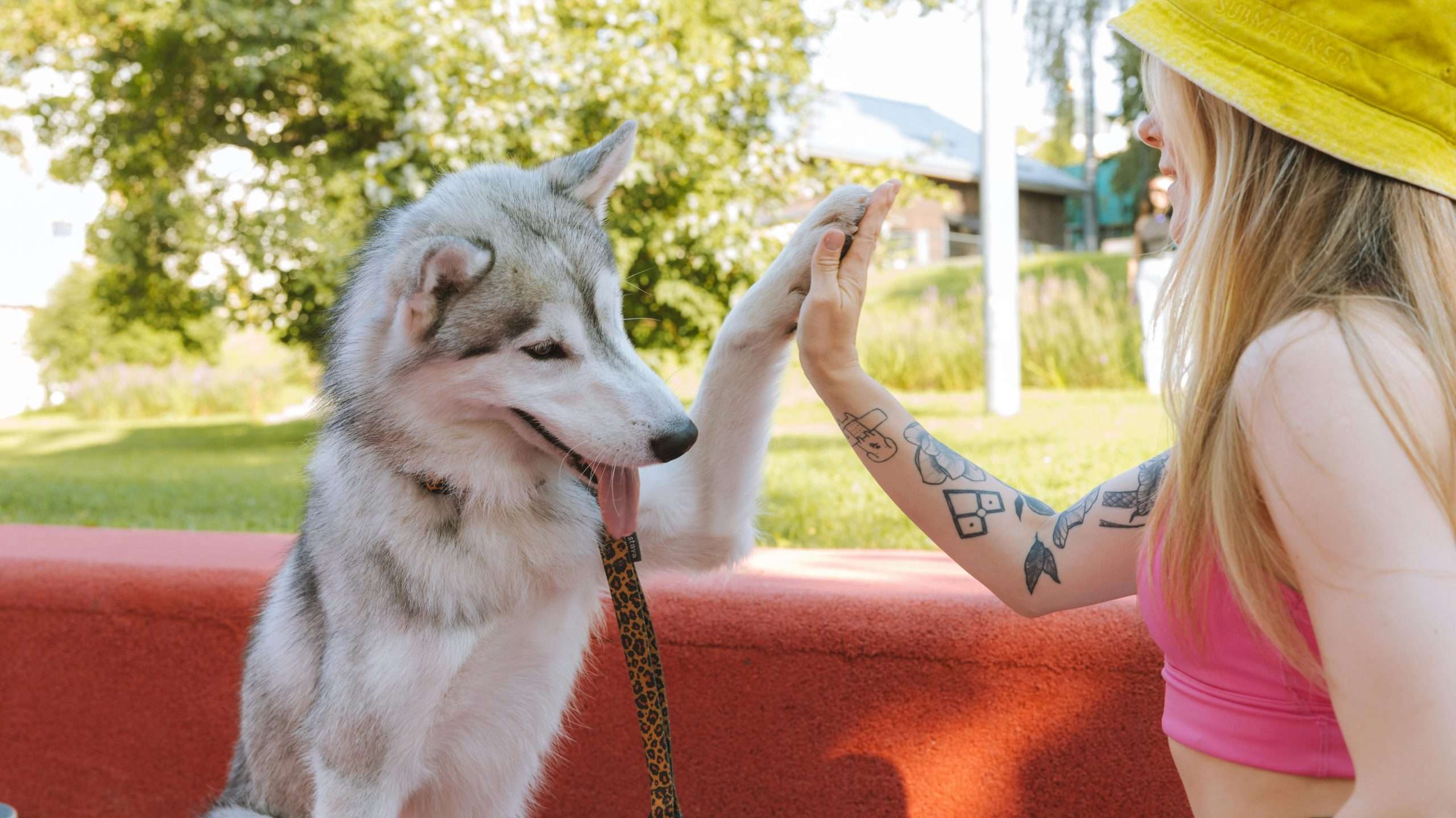
Now that you have the right equipment, let’s explore some effective training techniques:
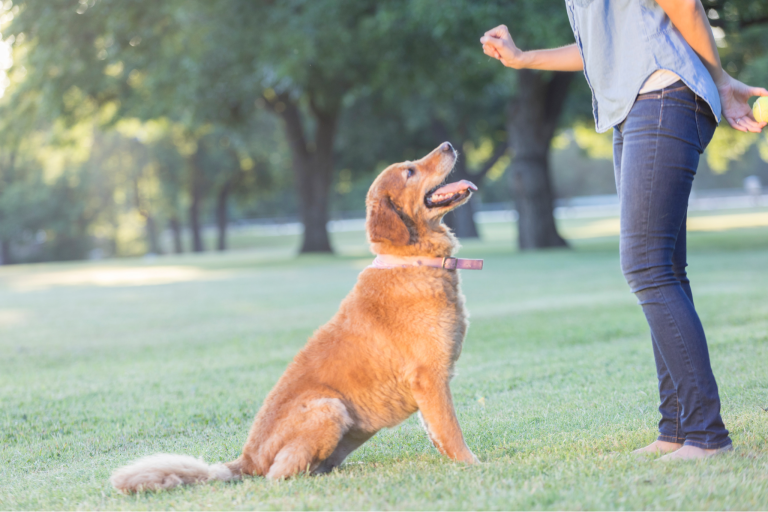
- Positive reinforcement: Reward your dog with treats, praise, or toys when they walk nicely beside you without pulling.
- Change direction when dog pulls: As soon as your dog starts to pull, immediately turn and walk in the opposite direction. This teaches them that pulling doesn’t get them where they want to go.
- Stop and wait method: When your dog pulls, stop walking and wait until they return to your side or the leash becomes slack. Then, resume walking.
- Reward good leash behavior: Consistently praise and treat your dog when they walk calmly beside you with a loose leash.
- Exercise before walks: A tired dog is less likely to pull. Play fetch or engage in other high-energy activities before your walk.
- Incorporate scheduled sniff stops: Allow your dog designated times to sniff and explore during the walk. This can help satisfy their curiosity and reduce the urge to pull.
Step-by-Step Training Process
Follow these steps to effectively train your dog to stop pulling on the leash:
- Start in a low-distraction environment: Begin training in your yard or a quiet area with few distractions.
- Teach the “watch me” cue: Get your dog’s attention by saying their name and rewarding them when they look at you.
- Practice loose leash walking: Start walking and reward your dog frequently for staying by your side with a slack leash.
- Gradually increase distractions: As your dog improves, slowly introduce more challenging environments with more distractions.
Remember, consistency is key. Practice these techniques during every walk, and be patient as your dog learns new habits.
Common Challenges and Solutions
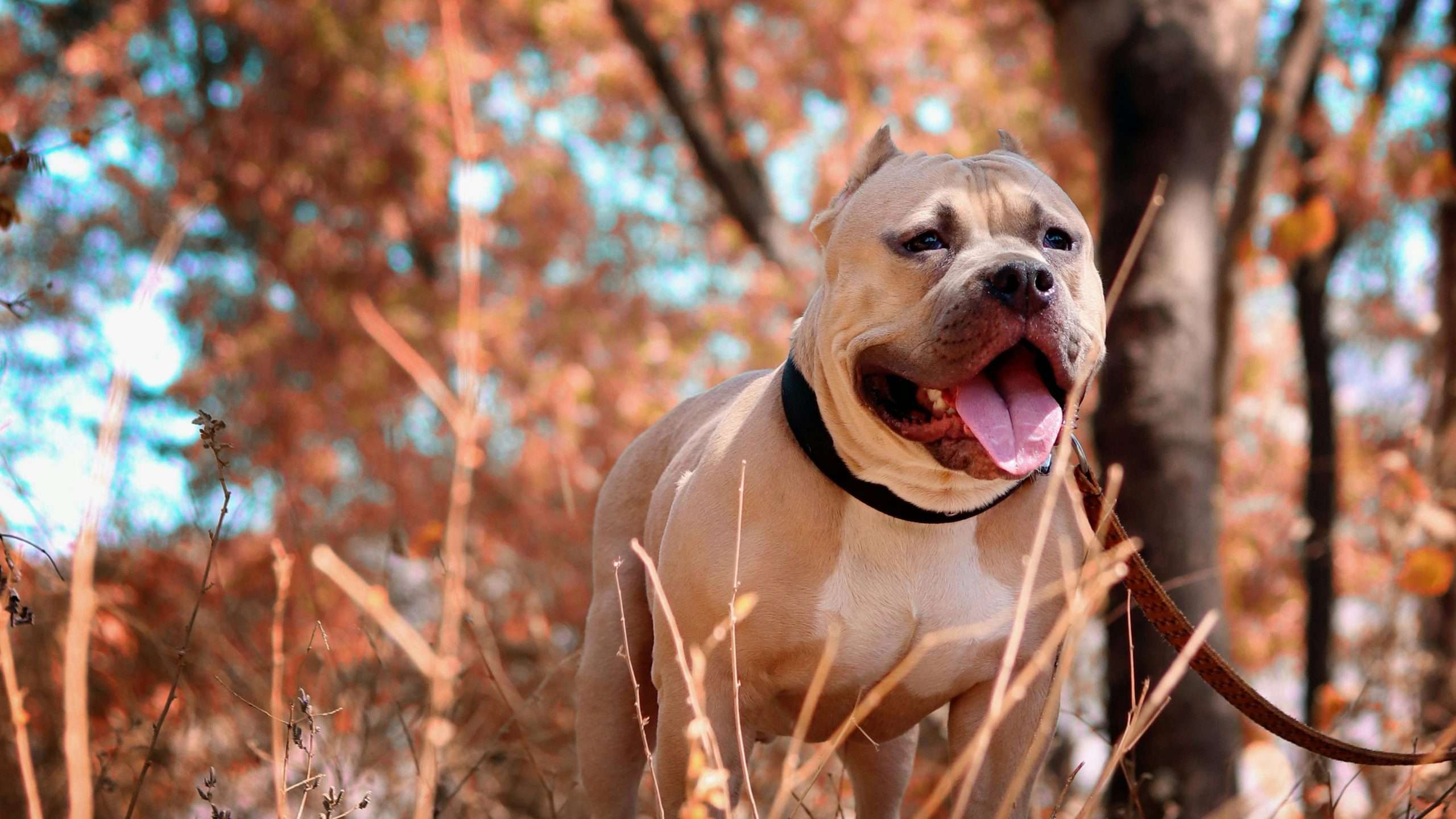
Dealing with high-energy dogs:
- Increase exercise before walks
- Use puzzle toys or food-dispensing toys to mentally tire them out
- Consider incorporating training sessions into your walk
Managing distractions during walks:
- Start training in less distracting environments and gradually increase difficulty
- Use high-value treats to maintain your dog’s focus
- Practice the “leave it” command for potential distractions
Consistency in training:
- Ensure all family members use the same techniques and commands
- Be patient and persistent – it takes time to change ingrained habits
- Celebrate small victories and progress
Related reads:
Mastering Essential Dog Commands: A Step-by-Step Guide to Teaching Sit, Stay, Down, and More
Tips for Successful Leash Training
- Be patient and consistent: Leash pulling is a habit that takes time to change. Stay committed to your training plan.
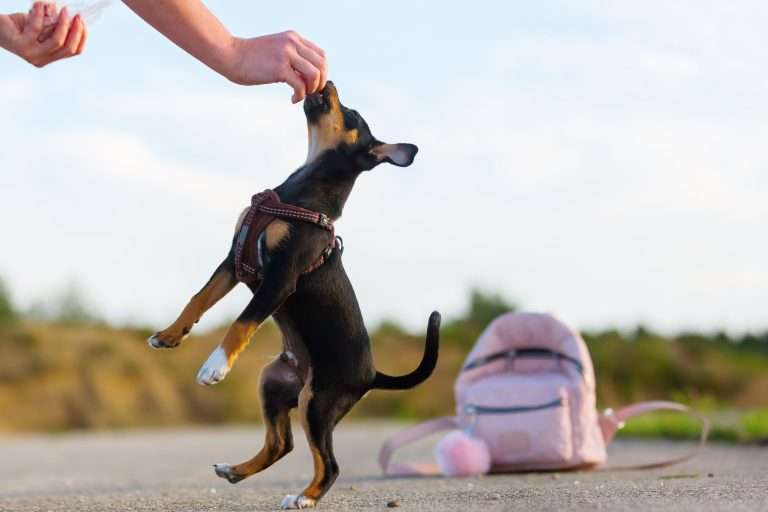
- Use high-value treats: Choose treats your dog loves to keep them motivated during training sessions.
- Practice regularly: Short, frequent training sessions are more effective than long, infrequent ones.
- Set realistic expectations: Every dog learns at their own pace. Celebrate small improvements along the way.
- Make training fun: Incorporate games and positive experiences into your leash training to keep your dog engaged.
- Consider professional help: If you’re struggling, don’t hesitate to consult a professional dog trainer for personalized advice.
Final Thoughts
Dog pulling on the leash is a common problem, but with the right approach, patience, and consistency, it can be overcome. Remember that every dog is unique, and what works for one may not work for another. Be willing to adjust your techniques as needed and celebrate the small victories along the way.
By using the right equipment, employing positive reinforcement techniques, and following a consistent training plan, you can teach your dog to walk politely on a leash. Not only will this make your walks more enjoyable, but it will also strengthen the bond between you and your furry companion.
So, grab that leash, pack some treats, and start your journey towards stress-free, enjoyable walks with your best friend. With time and effort, you’ll be the envy of the neighborhood, strolling along with your well-behaved pup by your side.
FAQs
How long does it take to stop a dog from pulling?
The time it takes varies depending on the dog’s age, previous habits, and consistency in training. Some dogs may show improvement in a few weeks, while others may take several months.
What if my dog lunges or barks during walks?
This behavior often stems from fear, excitement, or aggression. Work on desensitization and counterconditioning techniques, and consider consulting a professional trainer for severe cases.
Can I use a retractable leash for training?
It’s not recommended. Retractable leashes can encourage pulling and provide less control. Stick to a standard 4-6 foot leash for training purposes.
Is it ever too late to train a dog to stop pulling?
No, it’s never too late to teach an old dog new tricks! While it may take more time and patience with older dogs, consistent training can still yield positive results.
Should I punish my dog for pulling on the leash?
No, punishment is not effective and can damage your relationship with your dog. Focus on positive reinforcement techniques instead.