7 Professional Dog Grooming Techniques You Can Do at Home


Picture this: You love your furry friend, but the thought of spending $30 to $50 every few weeks for a basic grooming session makes you wince. What if you could master professional dog grooming techniques at home, saving both money and time? This article will cover 7 essential grooming methods that can transform you into your pet’s personal stylist. Not only will you cut down on expenses, but you’ll also strengthen your bond with your four-legged companion. Ready to be a personal and favorite groomer of your dog and keep them looking pawsome without breaking the bank? Let’s cover the professional dog grooming techniques you can easily master at home.
1. Brushing
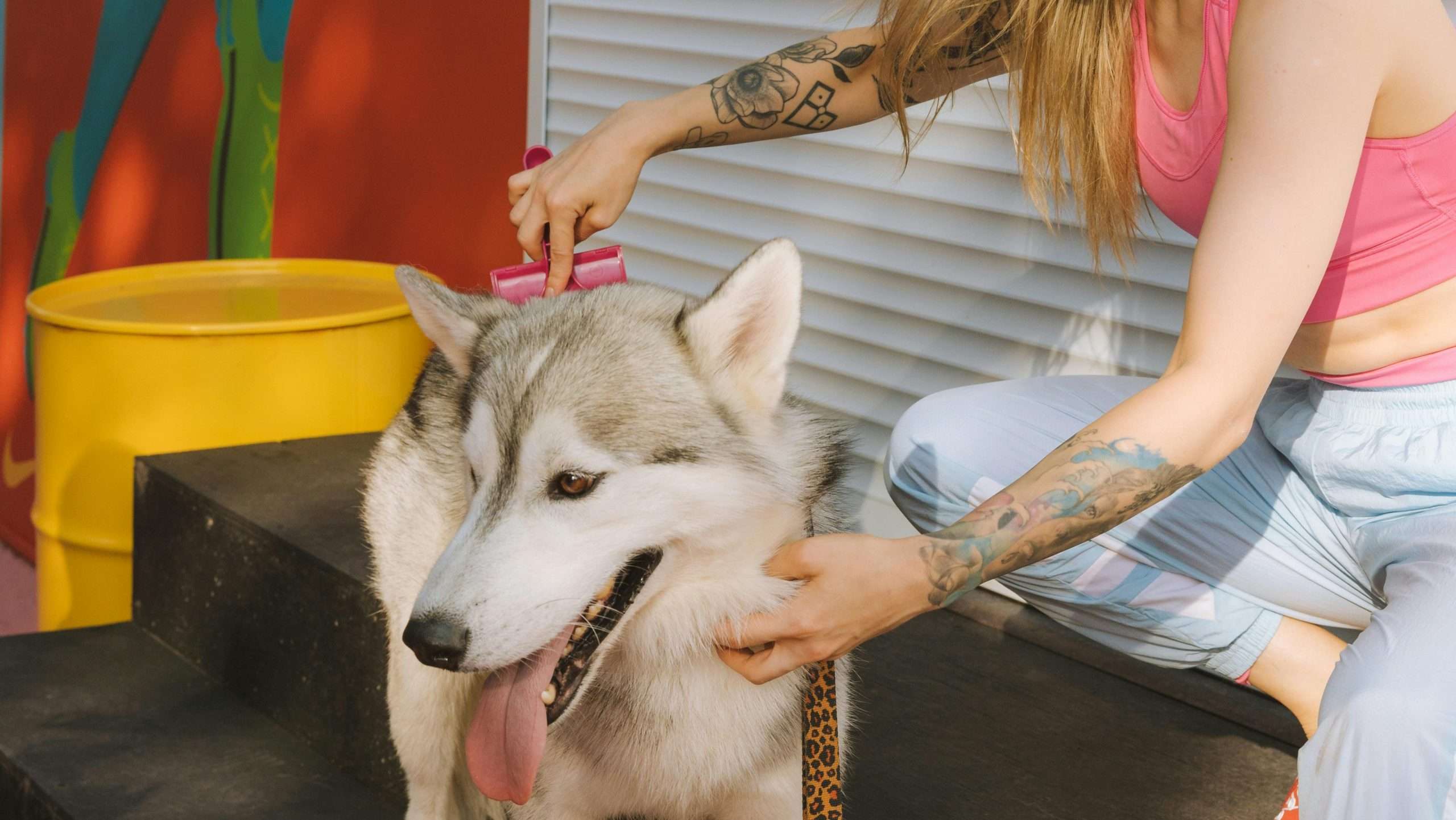
Brushing is perhaps the most fundamental of all professional dog grooming techniques. It helps remove loose fur, distribute natural oils throughout the coat, and prevent matting.

- Choosing the right brush: Select a brush appropriate for your dog’s coat type. Slicker brushes work well for long-haired breeds, while bristle brushes are better for short-haired dogs.
- Proper brushing technique: Start at the head and work your way down the body, brushing in the direction of hair growth. Be gentle around sensitive areas.
- Frequency: Short-haired dogs may only need weekly brushing, while long-haired breeds might require daily attention.
2. Bathing
Regular bathing keeps your dog clean and helps control odors. Here’s how to bathe your dog like a pro:
- Selecting the right shampoo: Use a dog-specific shampoo that’s appropriate for your pet’s skin and coat type.
- Proper bathing technique: Wet your dog thoroughly, apply shampoo, and massage it into the coat. Be careful to avoid the eyes and ears.
- Drying methods: Use towels to remove excess water, then allow your dog to air dry or use a low-heat blow dryer if your dog tolerates it.
Remember, bathing also include making the experience positive for your pet. Use treats and praise to help your dog associate bath time with good things.
3. Nail Trimming
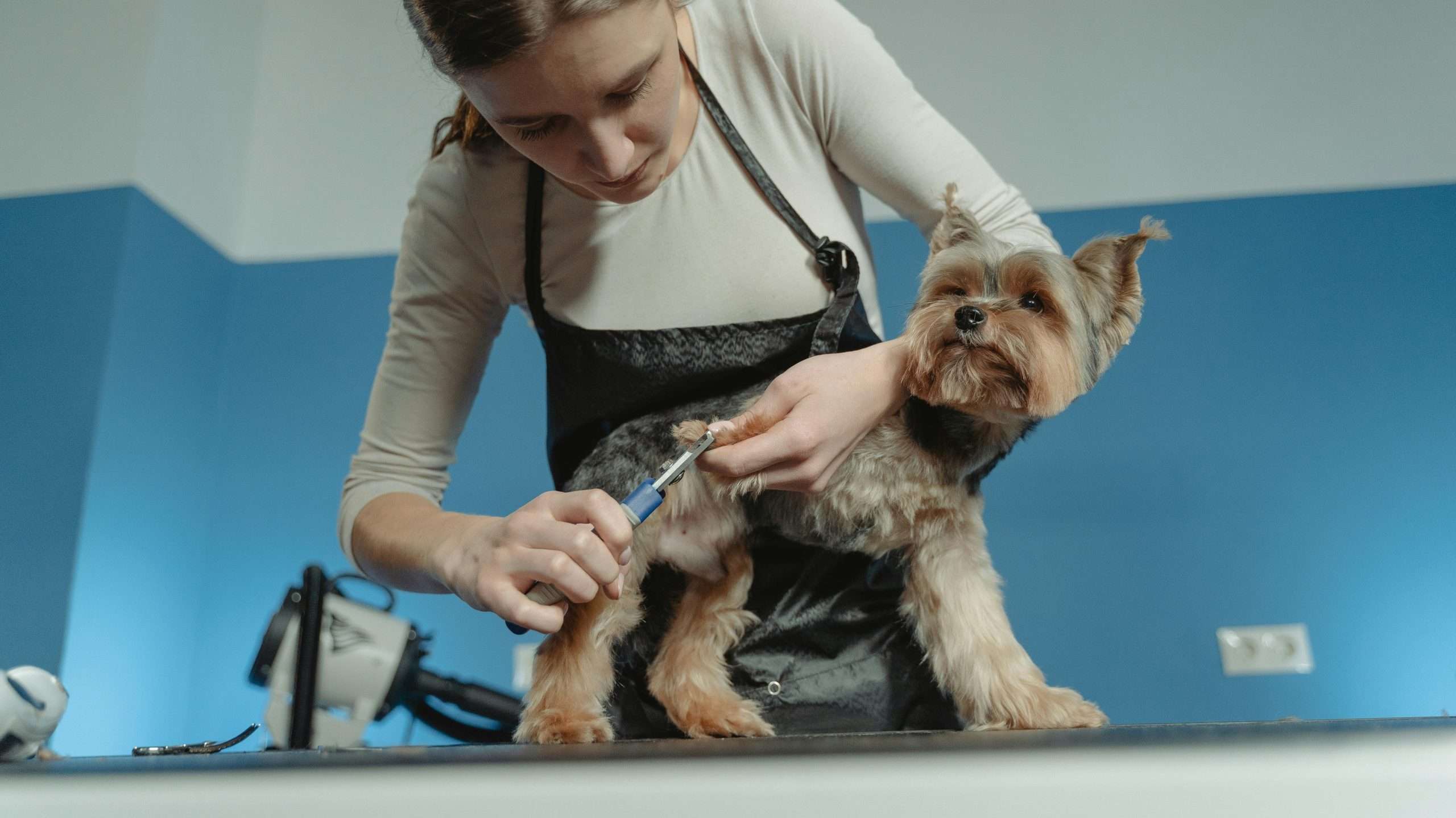
Keeping your dog’s nails at an appropriate length is crucial for their comfort and mobility.
- Choosing the right tools: Use either guillotine-style or scissors-style clippers designed for dogs.
- Safe nail trimming technique: Cut small amounts at a time to avoid hitting the quick (the blood vessel inside the nail). If your dog has light-colored nails, you can see the quick as a pink area.
- Frequency: Trim nails every 2-4 weeks, or when you hear them clicking on hard floors.
4. Ear Cleaning
Clean ears are essential for preventing infections and keeping your dog comfortable.
- Importance of ear care: Regular cleaning helps prevent wax buildup and catch early signs of infection.
- Safe ear cleaning method: Use a veterinarian-approved ear cleaner and cotton balls. Gently wipe the visible part of the inner ear, never inserting anything into the ear canal.
- Frequency: Clean your dog’s ears weekly, or as recommended by your vet.
5. Dental Care
Dental hygiene is often overlooked but is crucial for your dog’s overall health.
- Importance of dental hygiene: Regular dental care can prevent gum disease and other health issues.
- Brushing your dog’s teeth: Use a dog-specific toothbrush and toothpaste. Start slowly, letting your dog get used to having their mouth touched.
- Other dental care options: Dental chews and water additives can supplement brushing.
6. Hair Trimming
While extensive haircuts are best left to professionals, basic trimming can be done at home.
- When to trim: Trim when hair obstructs your dog’s vision, becomes matted, or grows too long around sensitive areas.
- Basic trimming technique: Use rounded-tip scissors and comb the hair upwards before cutting. Always cut parallel to the comb.
- Areas requiring special attention: Focus on areas around the eyes, paws, and sanitary areas.
7. Paw Care
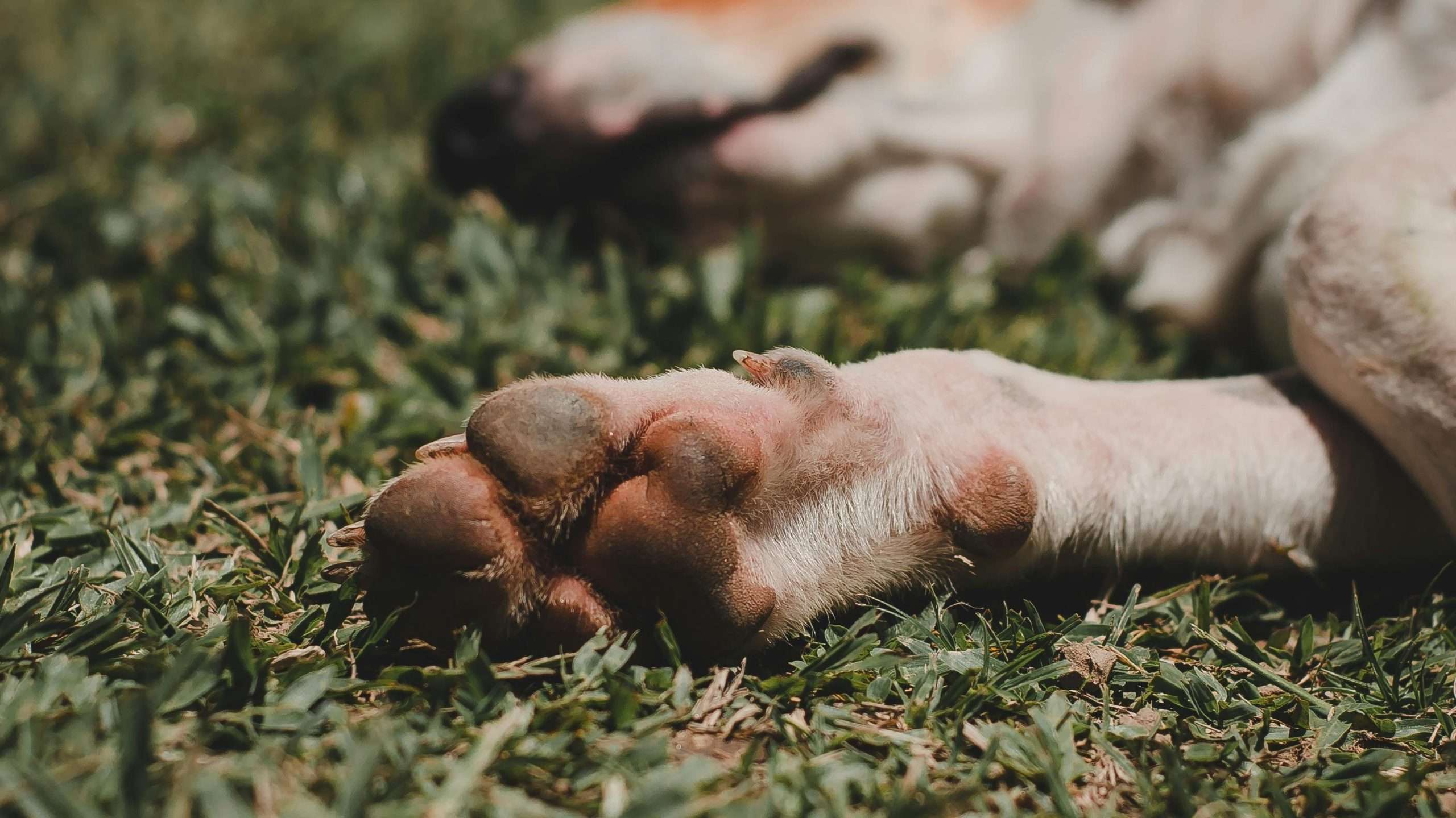
Healthy paws are essential for your dog’s comfort and mobility.
- Importance of paw maintenance: Regular care prevents painful cracking and splitting of paw pads.
- Trimming hair between paw pads: Carefully trim excess hair to prevent matting and reduce the collection of debris.
- Moisturizing paw pads: Use a dog-safe balm to keep paw pads soft and prevent cracking, especially in dry weather.
Creating a Grooming Routine
Incorporating these professional dog grooming techniques into a regular routine is key to maintaining your dog’s health and appearance.
- Establishing a schedule: Create a grooming calendar based on your dog’s needs. Some tasks (like brushing) may be daily, while others (like nail trimming) might be monthly.
- Making grooming a positive experience: Use treats, praise, and patience to help your dog associate grooming with positive feelings.
Saying Goodbye!
Mastering these professional dog grooming techniques allows you to provide excellent care for your dog at home. Regular grooming not only keeps your dog looking and feeling great but also strengthens your bond. Remember, while these techniques can significantly reduce the need for professional grooming, occasional visits to a professional groomer can still be beneficial, especially for more complex procedures or if you encounter any difficulties.
By incorporating these professional dog grooming techniques into your regular pet care routine, you’ll be able to maintain your dog’s health, comfort, and appearance between professional grooming sessions. With practice and patience, you’ll become proficient in these techniques, saving money and ensuring your furry friend always looks their best.
We hope this blog on professional dog grooming techniques helped you, make sure to check out our other blogs too!
FAQs
How often should I bathe my dog?
The frequency depends on your dog’s coat type and lifestyle. Generally, most dogs need a bath every 4-8 weeks.
Can I use human shampoo on my dog?
No, human shampoos can irritate a dog’s skin. Always use a dog-specific shampoo.
What are the signs that I need to trim my dog’s nails?
If you hear clicking when your dog walks on hard surfaces, it’s time for a trim.
How can I make my dog more comfortable with grooming at home?
Start slowly, use positive reinforcement, and be patient. Gradually introduce grooming tools and techniques.
Are there any professional dog grooming techniques I should avoid trying at home?
Extensive haircuts, expressing anal glands, and treating skin conditions are best left to professionals.


![Why Does My Dog Stare At Me? 3 Common Reasons [With Tips]](https://100dogbreeds.com/wp-content/uploads/2024/11/dog-stare-featured-768x512.jpg)
![The Ultimate First Time Dog Owner Checklist [2024]](https://100dogbreeds.com/wp-content/uploads/2024/07/first-time-dog-owner-768x512.jpg)