How to Getting Rid of and Preventing Dog Tear Stains [2024]

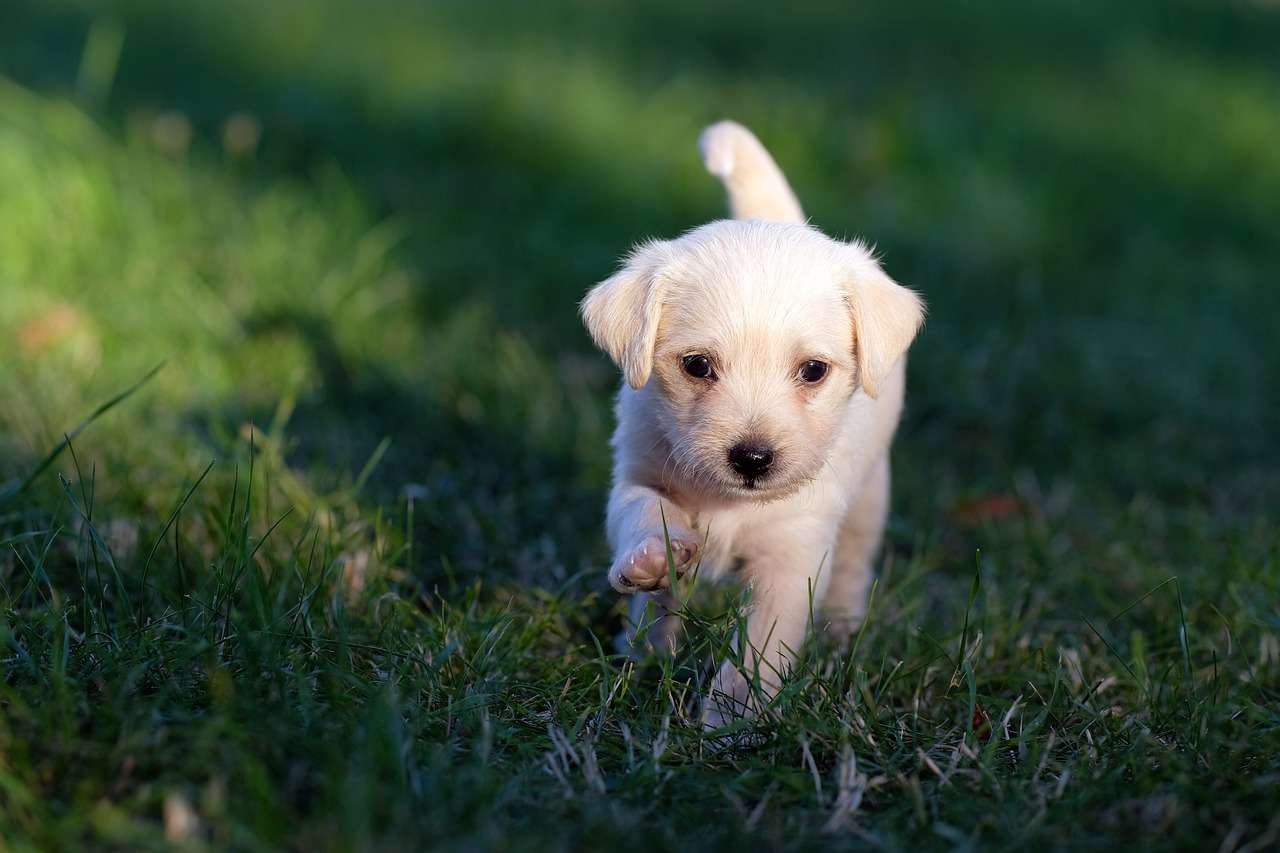
Are those reddish-brown streaks under your dog’s eyes ruining their adorable photos? You’re not alone. Dog tear stains are a common frustration for pet owners, but they don’t have to be a permanent feature on your furry friend’s face. Discover the secrets to banishing these unsightly marks and keeping your pup’s face picture-perfect.
What if these stains are more than just a cosmetic issue? Could they be signaling an underlying health problem you’ve been overlooking? Understanding the root causes of tear stains could be the key to your dog’s overall well-being.

From understanding the surprising causes to implementing effective solutions, this guide will transform how you tackle tear stains – and it might just change your dog’s life too.
Understanding Dog Tear Stains
Dog tear stains are reddish-brown discolorations that appear beneath a dog’s eyes, often extending down their muzzle. These stains are caused by excessive tearing, which contains a pigment called porphyrin. When exposed to air, porphyrin oxidizes and creates the characteristic reddish-brown color.
Causes of Dog Tear Stains
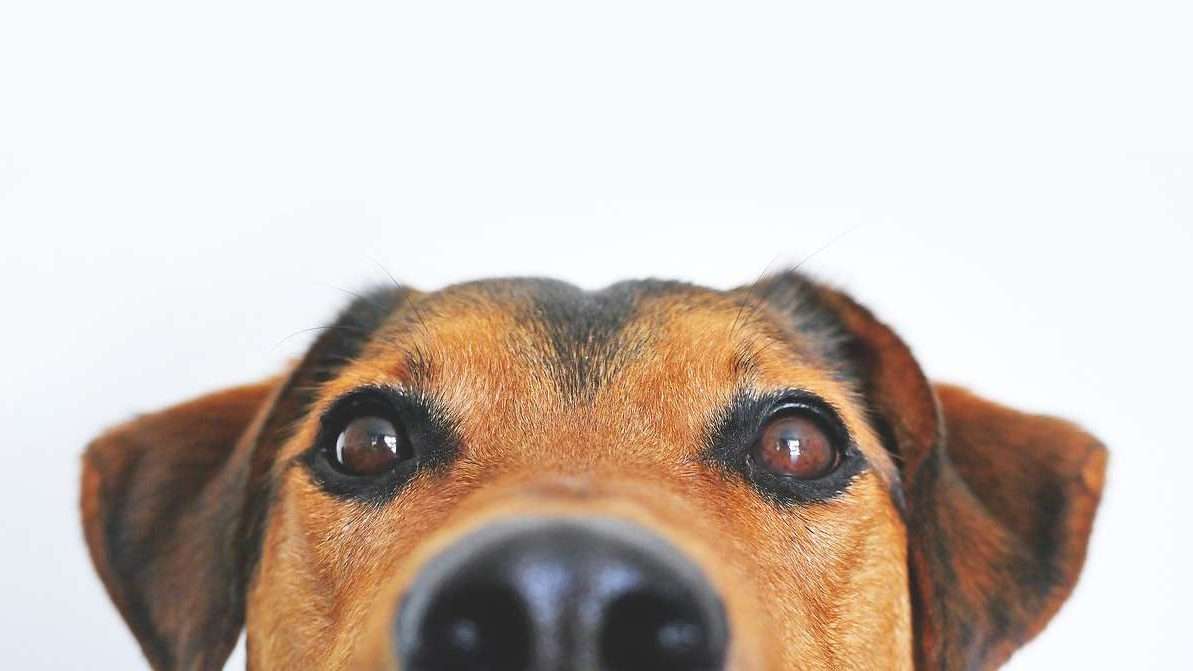
Several factors can contribute to the development of tear stains in dogs:
- Breed-specific factors: Some breeds, particularly those with light-colored coats or flat faces (brachycephalic breeds), are more prone to tear staining. Examples include Maltese, Poodles, Shih Tzus, and Bulldogs.
- Medical conditions: Underlying health issues such as eye infections, blocked tear ducts, or allergies can lead to excessive tearing and subsequent staining.
- Environmental factors: Exposure to irritants like dust, pollen, or smoke can increase tear production and staining.
- Dietary issues: In some cases, food sensitivities or poor-quality diets may contribute to tear staining.
Identifying Dog Tear Stains
Tear stains typically appear as reddish-brown streaks beneath the eyes, sometimes extending down the muzzle. They are most noticeable on dogs with light-colored fur but can affect dogs of all coat colors. If you notice persistent discoloration around your dog’s eyes, it’s essential to investigate the cause and take appropriate action.
Removing Dog Tear Stains
Removing existing tear stains requires patience and consistency. Here are some effective methods:
Natural Remedies
- Warm water and gentle soap: Regularly clean the affected area with warm water and a mild, tear-free soap designed for dogs.
- Apple cider vinegar solution: Mix equal parts water and apple cider vinegar, then gently apply to the stained area using a soft cloth.
- Cornstarch paste: Create a paste using cornstarch and water, apply it to the stains, let it dry, then brush it out.
Commercial Products
- Tear stain removers: Use products specifically designed for removing dog tear stains, following the manufacturer’s instructions carefully.
- Enzymatic cleaners: These products can help break down the proteins in tear stains, making them easier to remove.
Professional Grooming
For stubborn stains or if you’re uncomfortable cleaning your dog’s face yourself, consider scheduling appointments with a professional groomer who can safely and effectively remove tear stains.
Preventing Dog Tear Stains
Preventing tear stains is often easier than removing them. Here are some strategies to help keep your dog’s face clean and stain-free:
Dietary Adjustments
- High-quality diet: Feed your dog a balanced, high-quality diet to support overall health and potentially reduce tear production.
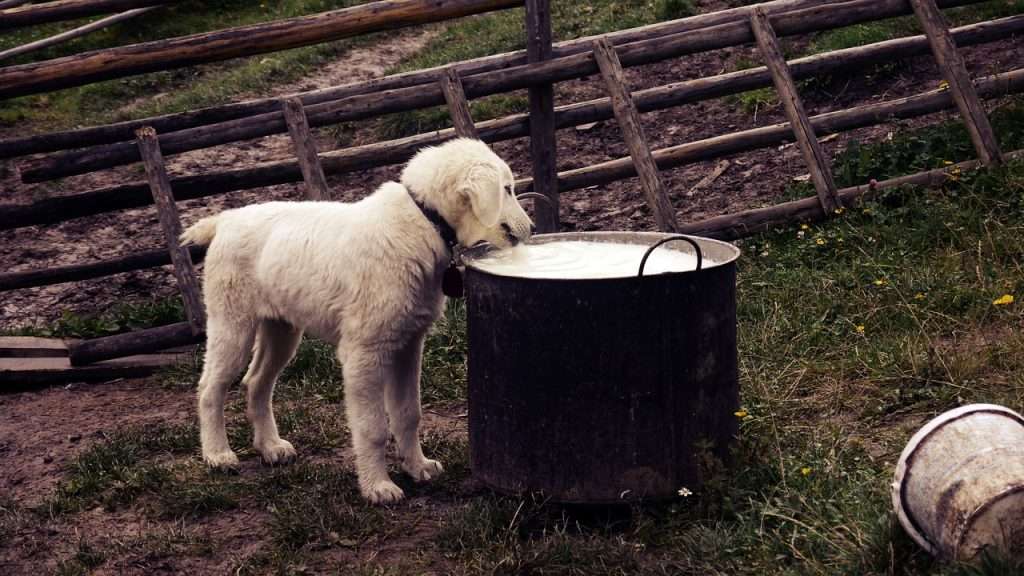
- Filtered water: Use filtered or distilled water to reduce mineral content that may contribute to staining.
- Supplements: Consult with your veterinarian about supplements that may help reduce tear production or staining, such as probiotics or tear stain-specific formulations.
Grooming Practices
- Regular cleaning: Wipe your dog’s face daily with a damp, soft cloth to remove any tear residue before it can stain.
- Trim facial hair: Keep the hair around your dog’s eyes trimmed short to prevent it from irritating the eyes and causing excessive tearing.
- Use stainless steel bowls: Replace plastic food and water bowls with stainless steel ones to reduce bacterial growth that may contribute to tear staining.
Environmental Modifications
- Reduce allergens: Minimize your dog’s exposure to potential allergens like dust, pollen, and smoke.
- Humidify the air: In dry environments, use a humidifier to help prevent eye irritation and excessive tearing.
Related reads:
5 Facts about Diabetes in Dogs and Other Common Illnesses
When to Consult a Veterinarian
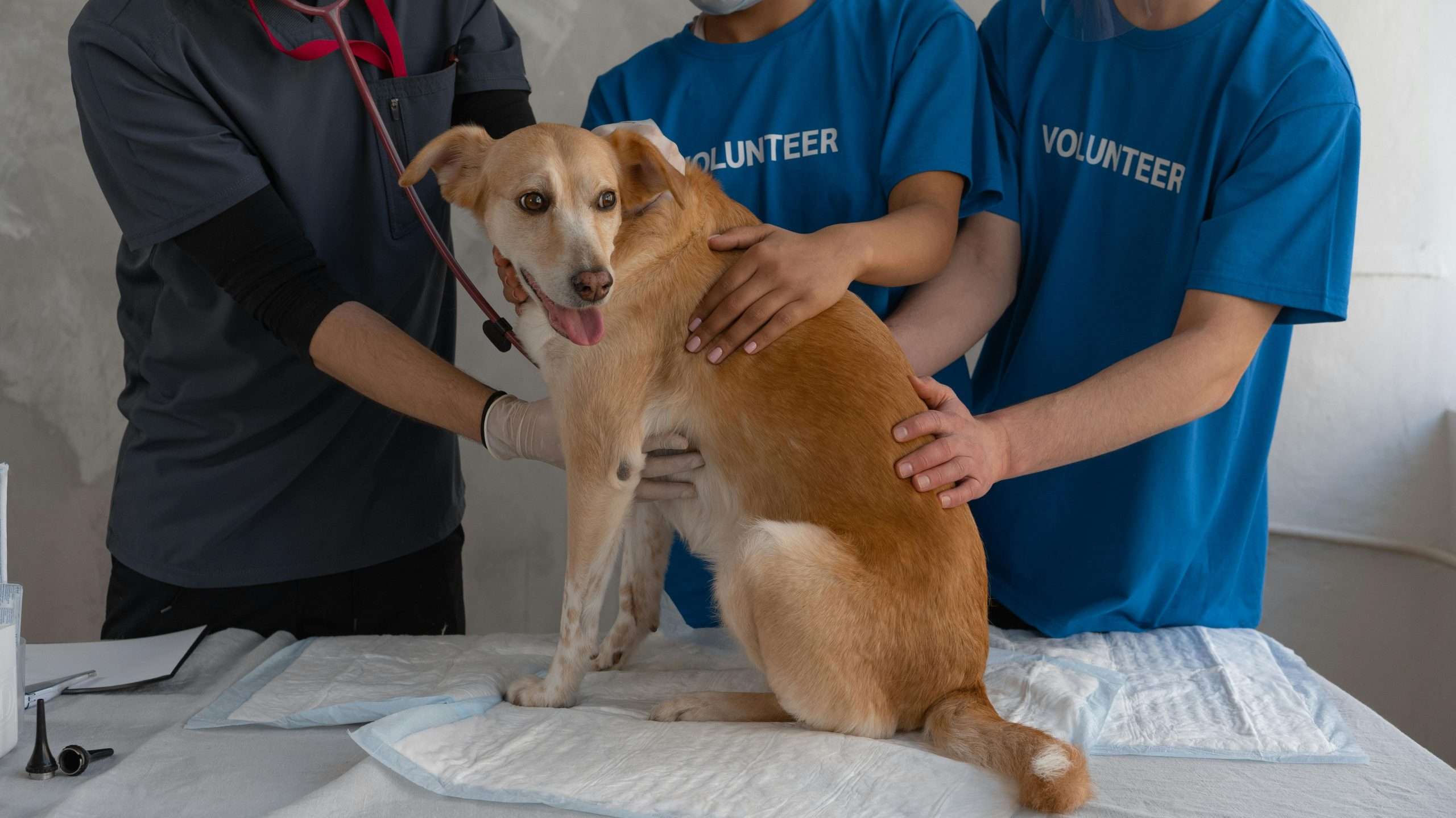
While tear stains are often cosmetic issues, they can sometimes indicate underlying health problems. Consult your veterinarian if:
- The staining is sudden or severe
- Your dog shows signs of discomfort or eye irritation
- There’s a change in the color or consistency of your dog’s tears
- You notice other symptoms like redness, swelling, or discharge from the eyes
Your veterinarian can perform a thorough examination to rule out any medical issues and provide appropriate treatment if necessary.
No More Stains!
Dog tear stains can be a frustrating issue for pet owners, but with patience and consistent care, they can be managed effectively. By understanding the causes, implementing proper grooming practices, and making appropriate lifestyle adjustments, you can help keep your dog’s face clean and stain-free. Remember to consult with your veterinarian if you have concerns about your dog’s eye health or if tear staining persists despite your best efforts.
By addressing tear stains proactively, you’ll not only improve your dog’s appearance but also contribute to their overall health and well-being. With the right approach, you can enjoy your dog’s bright, clear eyes and charming face without the distraction of unsightly stains.
FAQs
Are tear stains harmful to my dog?
While tear stains themselves are not typically harmful, they can indicate underlying issues that may require attention. It’s always best to consult with your veterinarian if you’re concerned.
Can I use human eye drops to reduce my dog’s tear staining?
No, never use human eye drops or other medications on your dog without veterinary approval. These products can be harmful to dogs and may worsen the problem.
How long does it take to see results when treating tear stains?
Results can vary depending on the severity of the staining and the method used. Consistent treatment over several weeks is often necessary to see significant improvement.
Can changing my dog’s diet help with tear stains?
In some cases, yes. Switching to a high-quality diet or addressing food sensitivities may help reduce tear production and staining. Always consult with your veterinarian before making significant dietary changes.
Are certain breeds more prone to tear stains?
Yes, breeds with light-colored coats or flat faces (brachycephalic breeds) are often more susceptible to visible tear stains. However, any dog can potentially develop them



![Fever in Dogs: Tips to Comfort Them [2024]](https://100dogbreeds.com/wp-content/uploads/2024/10/dog-fever-featured-768x512.jpg)