Tips to Prevent Dehydration and Heat Stroke in Dogs [2024]

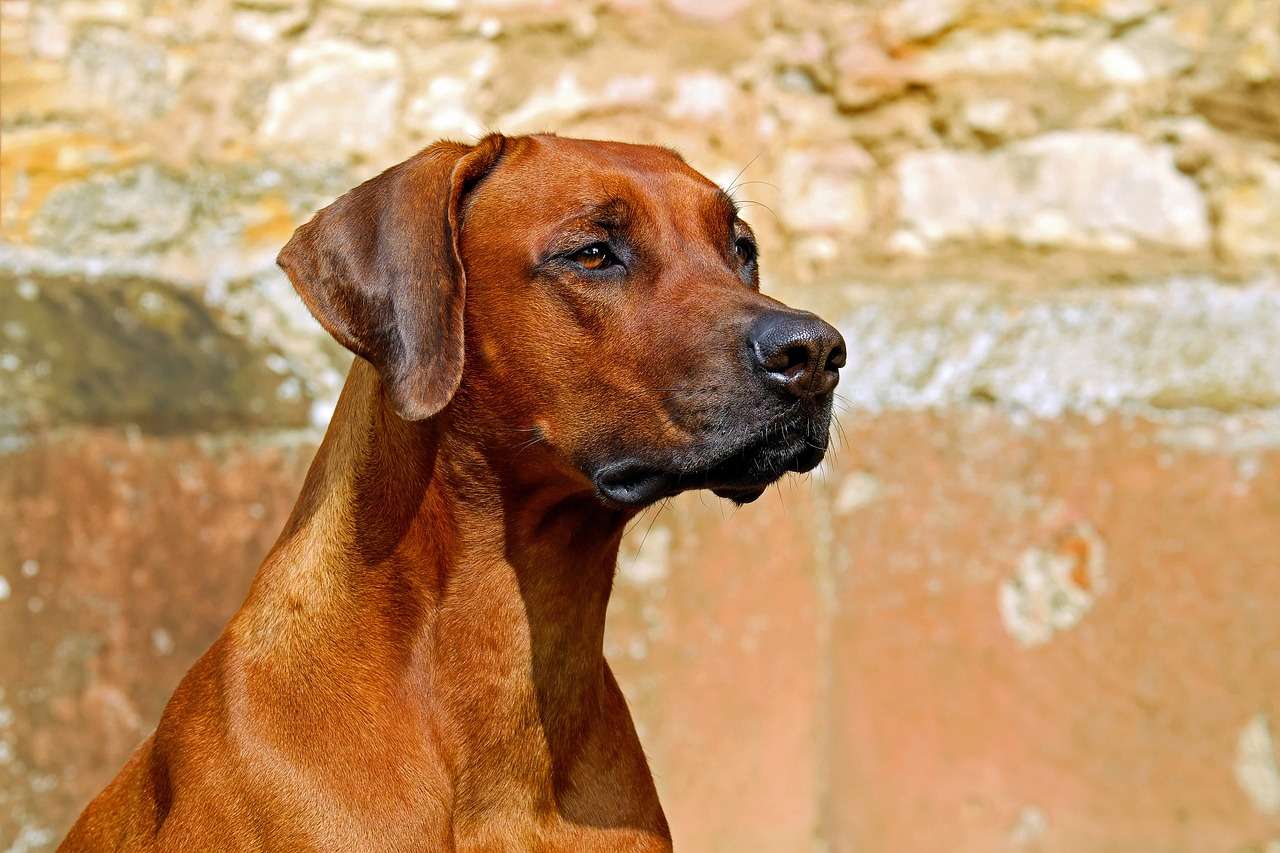
Did you know that a seemingly harmless summer day could turn deadly for your furry best friend in less than an hour? As temperatures soar, heat stroke in dogs becomes a silent, swift killer that catches many pet owners off guard. But here’s the good news: with the right knowledge and precautions, you can easily safeguard your canine companion from this life-threatening condition.
In this article, we’ll cover the hidden dangers of heat, reveal the surprising signs of heat stroke you might be missing, and arm you with practical, life-saving tips to keep your dog cool and safe.

Symptoms of Heat Stroke in Dogs
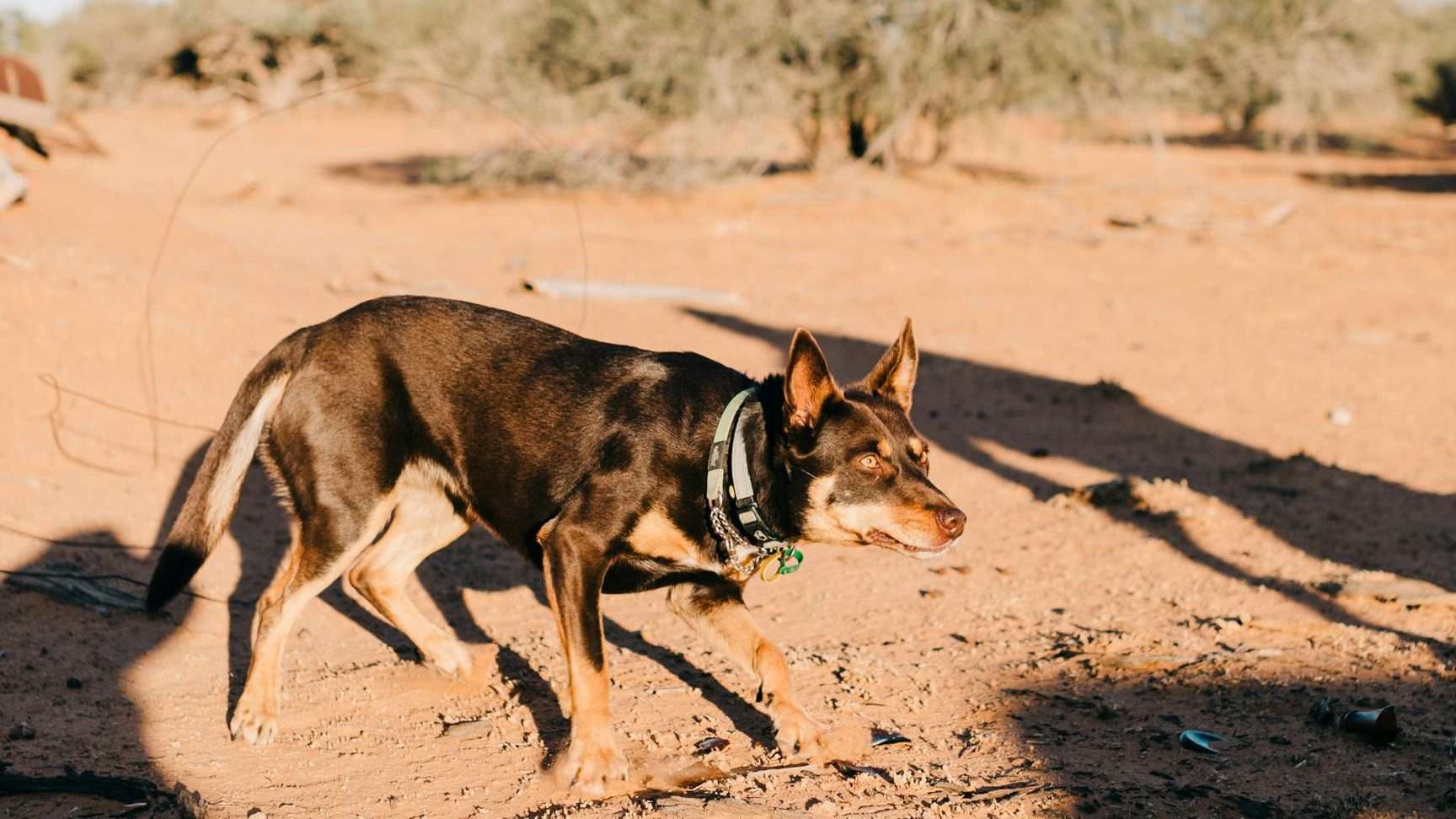
Recognizing the signs of heat stroke early can be crucial for your dog’s survival. Common symptoms of heat stroke in dogs include:
- Excessive panting and drooling
- Reddened gums and tongue
- Rapid heart rate
- Lethargy or weakness
- Vomiting or diarrhea (possibly with blood)
- Disorientation or stumbling
- Seizures or collapse
If you notice any of these symptoms, it’s essential to take immediate action to cool your dog down and seek veterinary care.
Causes of Heat Stroke in Dogs
Several factors can contribute to the development of heat stroke in dogs:
- Environmental factors: High temperatures and humidity, lack of shade, and poor ventilation can all increase the risk of heat stroke.
- Breed-specific risks: Brachycephalic breeds (those with short snouts) like Pugs, Bulldogs, and Boxers are more prone to heat stroke due to their less efficient breathing mechanisms.
- Common scenarios leading to heat stroke:
- Dogs left in parked cars, even for short periods
- Excessive exercise in hot weather
- Lack of access to water and shade
Prevention Tips
Preventing heat stroke in dogs is far easier and safer than treating it. Here are some essential tips to keep your dog cool and hydrated:
Hydration
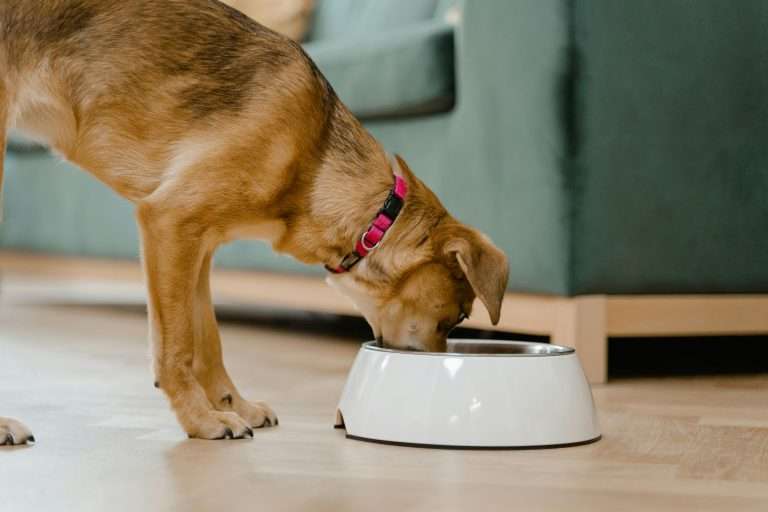
- Provide constant access to fresh water: Always ensure your dog has clean, cool water available, both indoors and outdoors.
- Incorporate moisture-rich foods: Add wet food or low-sodium broth to your dog’s diet to increase their fluid intake.
Creating Cool Environments
- Indoor cooling techniques:
- Use air conditioning or fans to maintain a comfortable temperature
- Provide cooling mats or beds for your dog to rest on
- Outdoor shade provision:
- Set up shaded areas in your yard
- Use portable sun shelters during outings
Exercise and Outdoor Activity Management
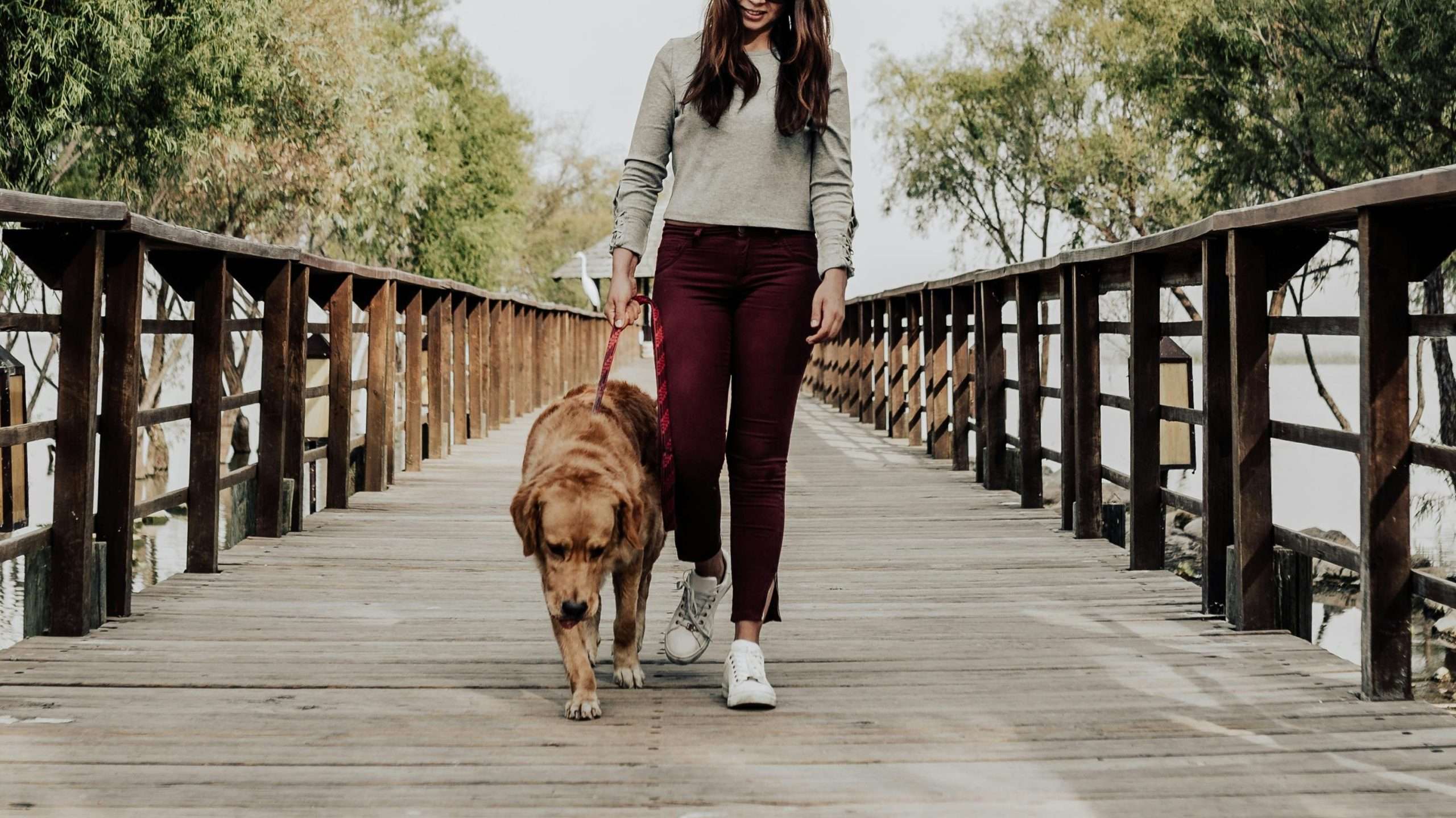
- Timing of walks and play:
- Schedule walks and exercise during cooler parts of the day (early morning or late evening)
- Adjust the intensity and duration of activities based on the temperature
- Avoiding hot surfaces:
- Check pavement temperature with your hand before walks
- Stick to grassy or shaded areas when possible
Related reads:
10 Fun Ways to Exercise Your Dog
Travel Safety
- Car safety measures:
- Never leave your dog unattended in a parked car, even with windows cracked
- Use sun shades on car windows to reduce heat buildup
- Portable cooling options:
- Bring a collapsible water bowl and plenty of water on trips
- Consider using cooling vests or bandanas for your dog
Grooming for Heat Management
- Proper coat maintenance:
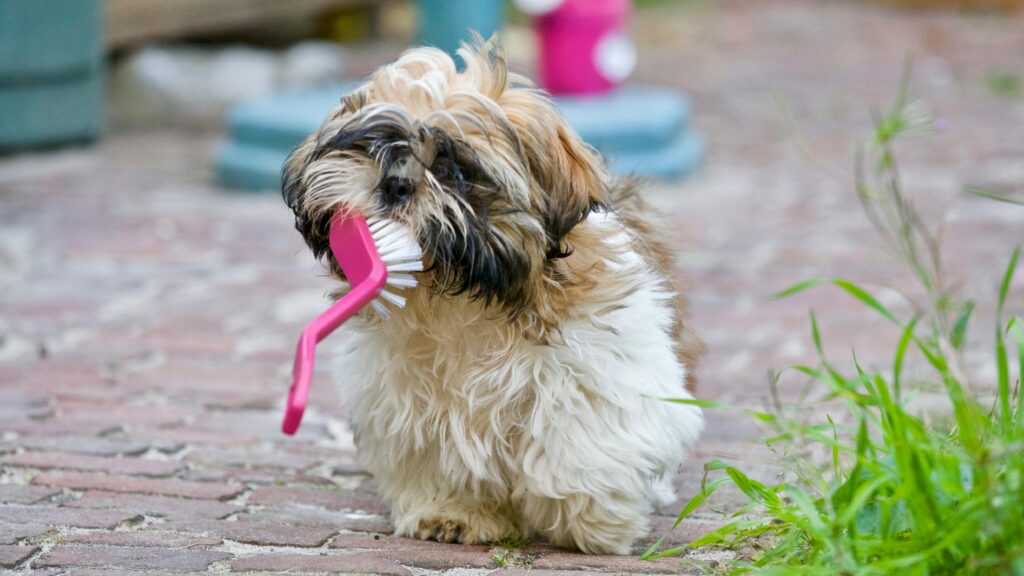
- Regular brushing to remove loose fur and improve air circulation
- Consider a light trim for long-haired breeds, but avoid shaving completely
- Avoiding extreme cuts:
- Don’t shave your dog to the skin, as their coat provides natural insulation and sun protection
First Aid for Heat Stroke in Dogs
If you suspect your dog is suffering from heat stroke, take immediate action:
- Move your dog to a cool, shaded area
- Apply cool (not cold) water to their body, especially the neck, armpits, and groin areas
- Place wet towels on their body and paws
- Offer small amounts of cool water to drink
- Use a fan to increase air circulation
Important: Never use ice-cold water or ice packs, as this can cause shock and constrict blood vessels, slowing the cooling process.
Treatment for Heat Stroke in Dogs
While first aid measures are crucial, professional veterinary care is essential for dogs suffering from heat stroke. Veterinary treatment may include:
- Intravenous fluid therapy to combat dehydration
- Monitoring of body temperature and vital signs
- Oxygen therapy
- Treatment for potential complications (e.g., kidney failure, blood clotting disorders)
The prognosis for heat stroke depends on the severity and duration of the elevated body temperature. Prompt treatment significantly improves the chances of recovery.
Special Considerations
High-risk Breeds
Some dog breeds are more susceptible to heat stroke due to their physical characteristics:
- Brachycephalic breeds (e.g., Pugs, Bulldogs, Boxers)
- Thick-coated breeds (e.g., Huskies, Malamutes)
- Large, muscular breeds (e.g., Rottweilers, Mastiffs)
These breeds require extra vigilance during hot weather.
Senior Dogs and Puppies
Older dogs and young puppies are more vulnerable to heat-related illnesses due to their reduced ability to regulate body temperature. Extra precautions should be taken with these age groups.
Dogs with Pre-existing Conditions
Dogs with certain health issues, such as heart disease, obesity, or respiratory problems, are at higher risk for heat stroke. Consult with your veterinarian about specific precautions for dogs with underlying health conditions.
Final Thoughts
Preventing heat stroke in dogs requires vigilance and proactive care from pet owners. By understanding the risks, recognizing the symptoms, and implementing these prevention strategies, you can help ensure your canine companion stays safe and comfortable during hot weather. Remember, when it comes to heat stroke, prevention is always better than treatment. Stay alert, keep your dog cool and hydrated, and don’t hesitate to contact your veterinarian if you have any concerns about your dog’s well-being in hot weather.
By following these guidelines and remaining attentive to your dog’s needs, you can enjoy a safe and happy summer together, free from the dangers of dehydration and heat stroke.
FAQs about Heat Stroke in Dogs
Can dogs get sunburned?
Yes, dogs can get sunburned, especially those with short or light-colored coats. Consider using pet-safe sunscreen on exposed areas.
Is it safe to shave my dog in summer?
It’s generally not recommended to shave dogs completely, as their coat provides natural insulation and sun protection. A light trim is usually sufficient.
How often should I offer water to my dog on hot days?
Provide constant access to fresh water and encourage your dog to drink regularly, especially during and after exercise.
Can swimming help prevent heat stroke in dogs?
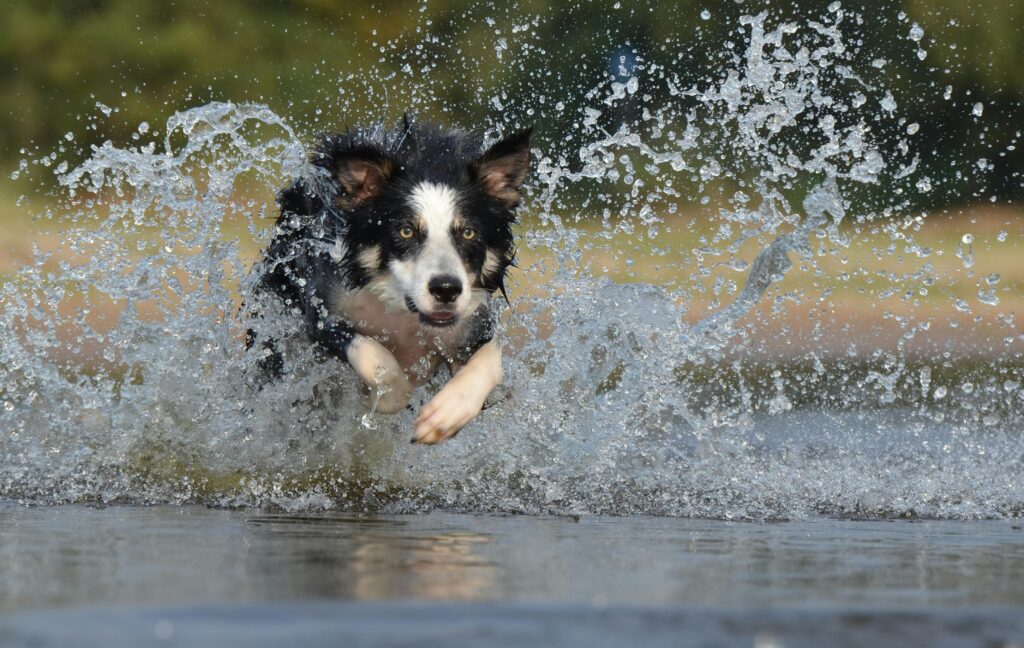
Swimming can be an excellent way for dogs to cool off, but be cautious of water temperature and always supervise your dog around water.



![How to Clean Dog Ears: At Home Edition [2024]](https://100dogbreeds.com/wp-content/uploads/2024/09/Dog-ears-e1725473739176-768x384.jpg)