Learn The Top 6 Methods of Positive Reinforcement in Dog Training


Hey there, fellow dog lovers! Ready to unlock the secrets of positive reinforcement in dog training? This article will help you understand the incredible benefits of this humane and scientifically proven technique. Get ready to shape your furry friend’s behavior, strengthen your bond, and have a blast while doing it!
In this paw-some read, we’ll dive into the fascinating science behind positive reinforcement and explore its countless advantages. From boosting obedience to fostering trust and cooperation, you’ll discover how this approach can transform your training sessions into fun and rewarding experiences.

Whether you’ve just welcomed a new pup into your life or you’re a seasoned trainer looking to up your game, mastering positive reinforcement is the key to unlocking your dog’s full potential. So, let’s jump right in and embark on an exciting journey of understanding, learning, and wagging tails!
Understanding Positive Reinforcement

Positive reinforcement is a scientifically validated training method that focuses on rewarding desired behaviors rather than punishing unwanted ones.
By utilizing rewards such as treats, praise, or playtime, we can motivate our dogs to repeat behaviors that we want them to learn.
This positive approach creates a supportive and enjoyable learning environment, making training sessions an exciting experience for both you and your furry companion.
The Science of Positive Reinforcement

Positive reinforcement operates on the principle of operant conditioning, a concept developed by behavioral psychologist B.F. Skinner.
You can read more about operant conditioning here.
This theory suggests that animals, including dogs, are more likely to repeat behaviors that are followed by positive consequences.
In the context of dog training, positive reinforcement involves rewarding desired behaviors to increase their frequency and strengthen their association with positive outcomes.
The Benefits of Positive Reinforcement
Positive reinforcement has numerous advantages over traditional training methods that rely on punishment or dominance.
Firstly, it promotes a strong bond and trust between you and your dog, as the training process becomes a collaborative effort rather than a power struggle.
Additionally, positive reinforcement helps create a positive association with training, making your dog more enthusiastic and eager to learn.
Moreover, this technique has been proven to be more effective in achieving long-term behavioral changes without any adverse side effects.
Applying Positive Reinforcement Techniques
1) Identify and prioritize desired behaviors
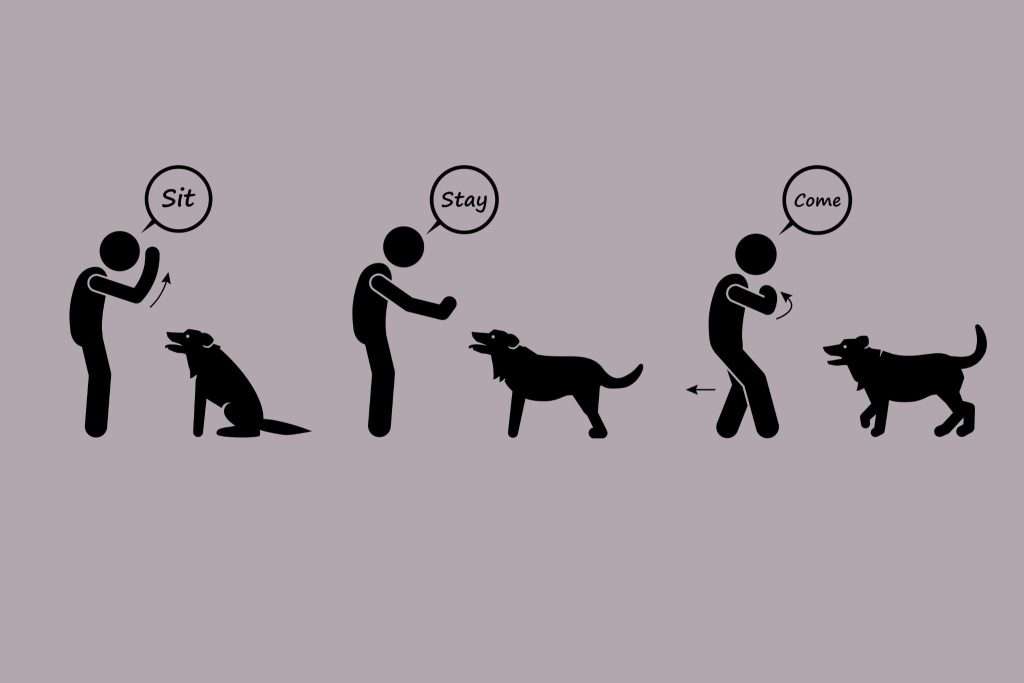
When starting your dog’s training journey, it’s crucial to identify the specific behaviors you want to reinforce. These can range from simple commands like “sit” and “stay” to more advanced tasks like fetching or agility training. By focusing on one behavior at a time, you create clarity and prevent any confusion for your furry friend.
Targeting specific behaviors allows you to break down the training process into manageable steps, making it easier for your dog to understand and learn. Whether you’re teaching basic obedience or preparing for specialized activities, such as agility or competitive training, taking a focused approach ensures effective results.
Choose the behavior you want to reinforce, and get ready to embark on a focused and successful training adventure with your furry companion!
2) Choose appropriate rewards
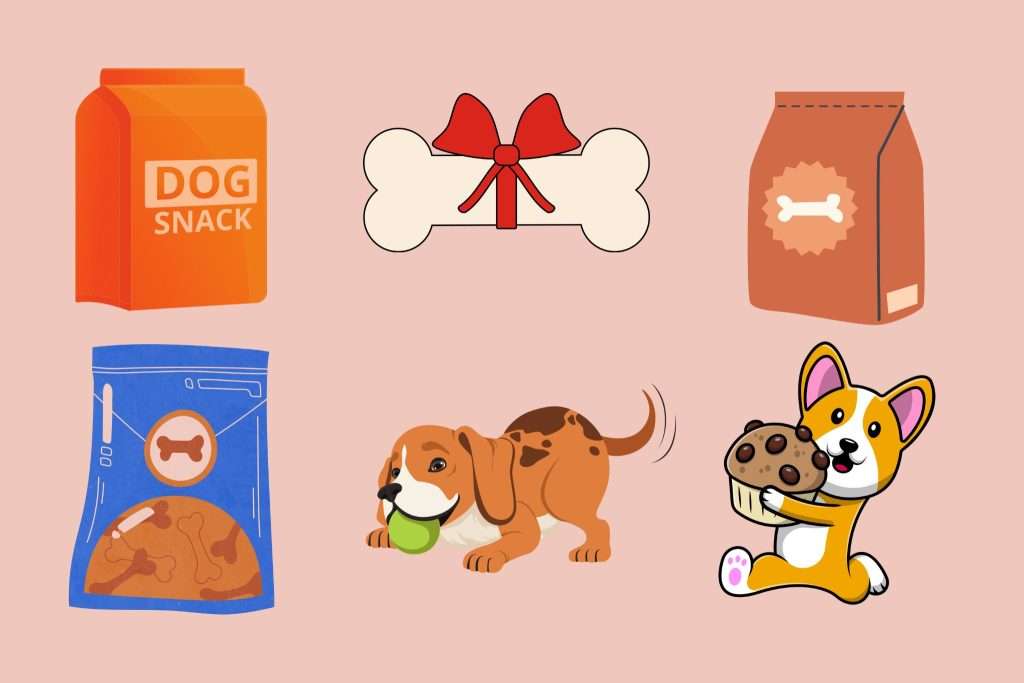
Understand what motivates your dog the most. It could be treats, verbal praise, toys, or a combination of these. Tailor your rewards to your dog’s preferences, ensuring they find them highly rewarding.
By selecting appropriate treats for positive reinforcement training, you’ll create a delicious incentive that motivates and rewards your dog, making the training experience enjoyable and successful.
Remember, a well-chosen treat is not only a reward but also a way to show your love and appreciation for your furry companion’s efforts.
3) Timing is crucial
Deliver rewards immediately after your dog displays the desired behavior. This helps reinforce the connection between the action and the reward, making it easier for your dog to understand and replicate the behavior in the future.
The immediate delivery of rewards helps establish a clear cause-and-effect relationship in your dog’s learning process.
By linking the behavior with a positive outcome, such as treats, praise, or play, you create a powerful incentive for your dog to repeat the behavior in anticipation of future rewards.
4) Consistency and patience
Adopting a consistent training approach ensures that your dog receives clear and reliable instructions. Consistency in your commands, gestures, and cues helps your dog understand what is expected of them, reducing confusion and facilitating learning.
Positive reinforcement training requires patience and persistence. Dogs may take varying amounts of time to learn and understand behaviors.
By staying patient and persistent, you provide your dog with the opportunity to gradually grasp the desired behavior through consistent training efforts.
5) Gradual fading of rewards
To encourage independent execution of the behavior, gradually reduce the frequency of rewards.
Instead of rewarding your dog every time they perform the behavior, transition to intermittent reinforcement.
This means rewarding the behavior occasionally and unpredictably. It maintains your dog’s motivation and reinforces the behavior as a valuable action.
6) Individualized Approach
Every dog is unique, so tailor your training techniques to suit your dog’s personality, breed, and learning style. Some dogs may respond better to verbal praise, while others may require tangible rewards.
CONCLUSION
In conclusion, understanding and implementing positive reinforcement techniques in your dog training sessions can bring transformative benefits to both you and your furry friend. By embracing this humane and scientifically proven method, you can shape your dog’s behavior, foster a strong bond of trust, and promote cooperative learning. Whether you’re a new dog owner or an experienced trainer, mastering positive reinforcement will enhance obedience while nurturing a deep sense of companionship. From identifying desired behaviors to choosing appropriate rewards and maintaining consistency, this comprehensive guide equips you with the tools to optimize your dog’s training experience. Embrace the power of positive reinforcement and embark on a rewarding journey of growth and mutual understanding with your canine companion.