Introducing a New Dog to Your Family: Easy Steps

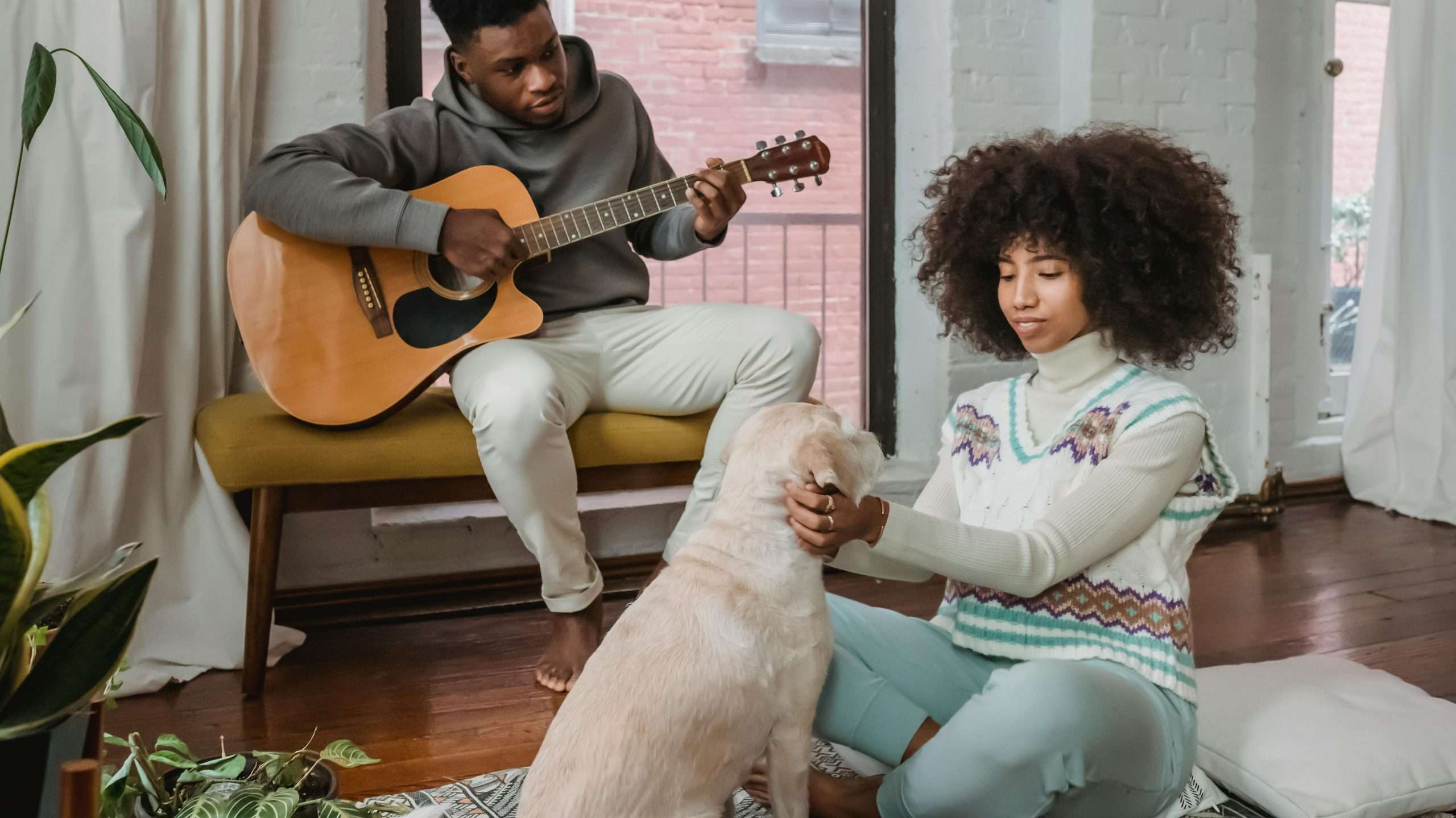
Bringing home a new dog is a joyful and life-changing experience. It adds warmth, laughter, and energy to your household, but it also requires patience, preparation, and understanding. For your new dog, everything from the smells to the sounds in your home will be unfamiliar. Helping them adjust comfortably ensures a smoother transition for both your family and your furry friend.
Why a New Dog Needs a Gentle Welcome

The first few days after bringing a dog home are crucial. Just like humans, dogs experience anxiety when introduced to new environments. They may seem shy, restless, or overly cautious as they take in their surroundings. During this phase, your calm and gentle approach helps them feel safe and begin to trust you.

Avoid overwhelming your dog with too many interactions right away. Instead, create a peaceful environment where they can observe, sniff, and explore at their own pace. A soft voice, slow movements, and predictable routines will go a long way in building their confidence.
Preparing Your Home for the New Dog
Before your dog arrives, make sure your home is ready to welcome them. Set up a cozy resting area equipped with a bed, water bowl, food dish, and a few toys. Having a designated space helps your new dog recognize where they belong and gives them a sense of security.
If you have valuables or fragile items lying around, keep them out of reach. Dogs are naturally curious and may chew, scratch, or knock things over while exploring. Puppy-proof or dog-proof areas where your pet will spend the most time.
It’s also important to check your home for potential hazards such as exposed electrical cords, open trash bins, or toxic plants. Preparing beforehand will save you a lot of stress once your dog starts exploring.
The Arrival Day: Meeting Your New Dog
When the big day arrives, stay calm and patient. Your dog might be nervous, unsure, or overly excited. Avoid rushing introductions or creating too much activity. Bring them inside on a leash and allow them to sniff around at their own pace.
Introduce family members one by one, starting with the calmest person. Encourage everyone to sit quietly and let the new dog approach first. Avoid loud noises, fast movements, or crowding around the dog.
Once your dog starts to relax, guide them to their prepared space. Keep food, water, and toys nearby to help them settle in. Allow them to rest whenever they seem tired or overwhelmed.
Introducing the New Dog to Other Household Pets
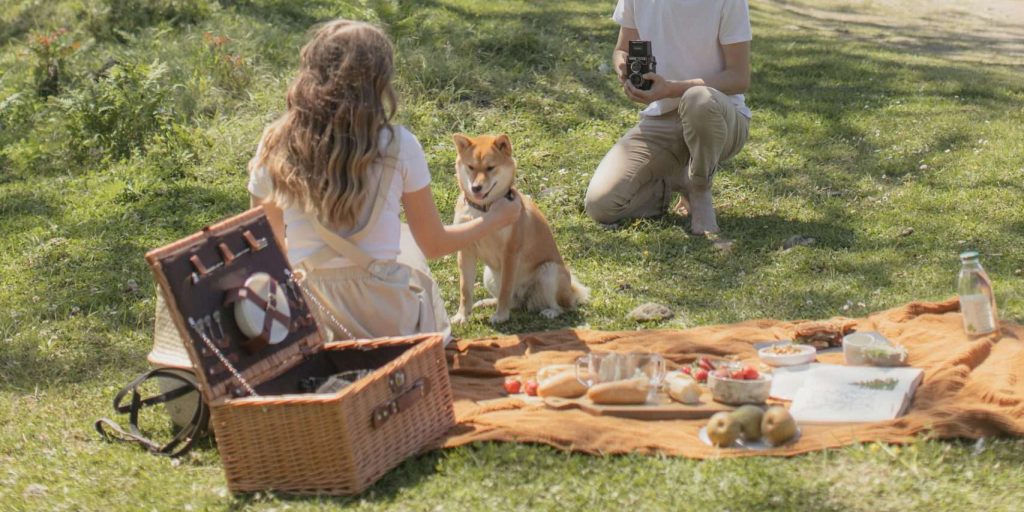
If you already have pets, introducing a new dog requires extra care. The goal is to build trust and positive associations from the start. Begin with scent introductions. You can let your resident pet sniff a blanket or toy that belongs to the dog before they meet face-to-face.
When it’s time for the actual introduction, choose a neutral location such as a park or quiet backyard. Keep both dogs on leashes and allow them to observe each other from a distance. Let them approach slowly and reward calm behavior with treats or praise.
For cats or smaller pets, it’s best to introduce the dog gradually. Use barriers like baby gates so they can see and smell each other without direct contact. Watch body language closely. If your new dog seems too excited or your current pet is scared, separate them and try again later.
Never force interaction. The bond between your pets should develop naturally, over days or even weeks. With patience and consistency, your dog will soon find their place among your furry family members.
Routine, Training and Bonding with the New Dog
A predictable routine helps your new dog feel safe and confident. Start with set times for meals, walks, and bathroom breaks. Dogs thrive on consistency, so keep schedules as regular as possible, especially during the early weeks.
Begin basic training early but gently. Teach your dog simple commands like “sit,” “stay,” and “come.” Use positive reinforcement such as treats, affection, and praise to reward good behavior. Avoid punishment, as it can make your dog fearful and less likely to trust you.
Spending quality time together is equally important. Daily playtime, short walks, and cuddle sessions help strengthen your bond. The more your dog associates you with comfort and happiness, the easier it will be for them to adapt to your home.
Related reads:
Mastering Essential Dog Commands: A Step-by-Step Guide to Teaching Sit, Stay, Down, and More
Handling Common Challenges After Bringing the New Dog Home
It’s normal to face a few challenges after bringing a new dog home. Common issues include accidents inside the house, chewing, barking, or anxiety when left alone. Instead of getting frustrated, focus on understanding the root cause.
House-training takes time. Take your new dog outside frequently, especially after meals or naps, and reward them for going in the right place. If accidents happen, clean up without scolding.
If your new dog chews on furniture or shoes, it’s likely due to boredom or teething. Provide chew toys and keep valuable items out of reach. For separation anxiety, start with short absences and gradually increase the time you’re away.
In homes with other pets, territorial behavior can arise. Maintain separate feeding areas and supervise interactions until your animals are fully comfortable with one another. If problems persist, consult a professional trainer or behaviorist.
Long-Term Integration: Making the New Dog Truly Part of the Family
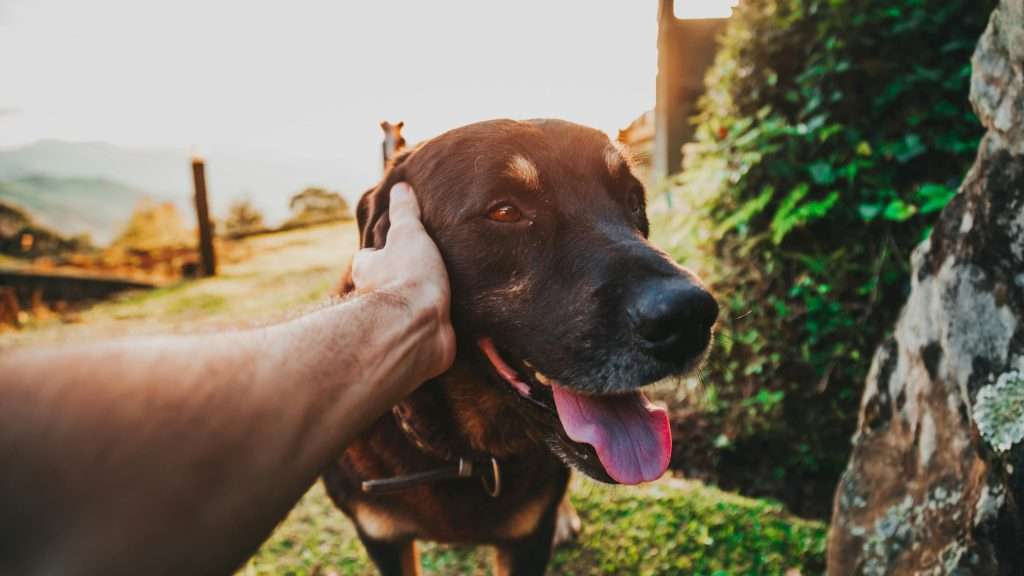
Once the initial weeks pass, focus on making your new dog feel completely at home. Continue their daily routines, maintain training sessions, and include them in family activities.
Take your new dog on car rides, outdoor picnics, or short trips to dog-friendly places. This exposure helps them adapt to different environments while strengthening their connection with you.
Remember, some dogs take longer than others to settle in. A rescue new dog might need months to fully trust their new environment. Celebrate small progress and keep reinforcing positive behavior. Over time, your new dog will see your home as their forever home.
Final Thoughts
Welcoming a new dog into your family is a wonderful journey filled with learning, love, and patience. From preparing your home to establishing routines, every step helps your new dog feel more secure and loved.
The adjustment period may have its ups and downs, but each day strengthens your bond and brings your new dog closer to becoming an inseparable part of your family. With time, care, and understanding, your dog will reward you with unconditional love and companionship for years to come.