The Importance of Dog Vaccinations, Regular Check-Ups, Parasite Control, and Dental Care

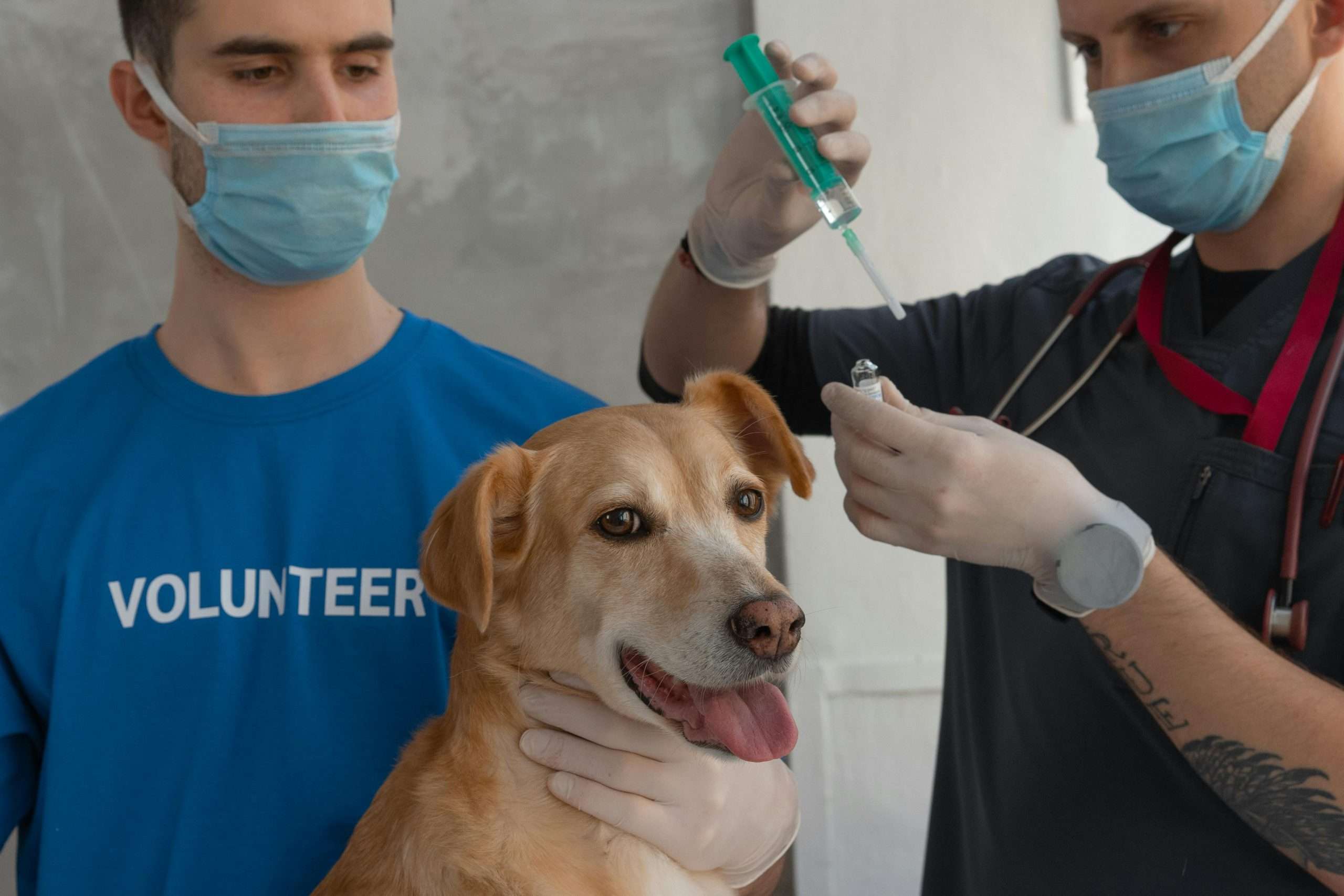
Keeping your dog healthy involves more than feeding them right and giving them love. Behind every healthy tail wag is a pet parent who understands the value of preventive care. From timely vaccines to regular vet visits, parasite protection, and dental hygiene, each plays a part in ensuring your dog stays happy and healthy for years to come.
Let’s see why the importance of dog vaccinations, routine health check-ups, parasite control, and dental care cannot be overstated.

Why Preventive Veterinary Care Matters
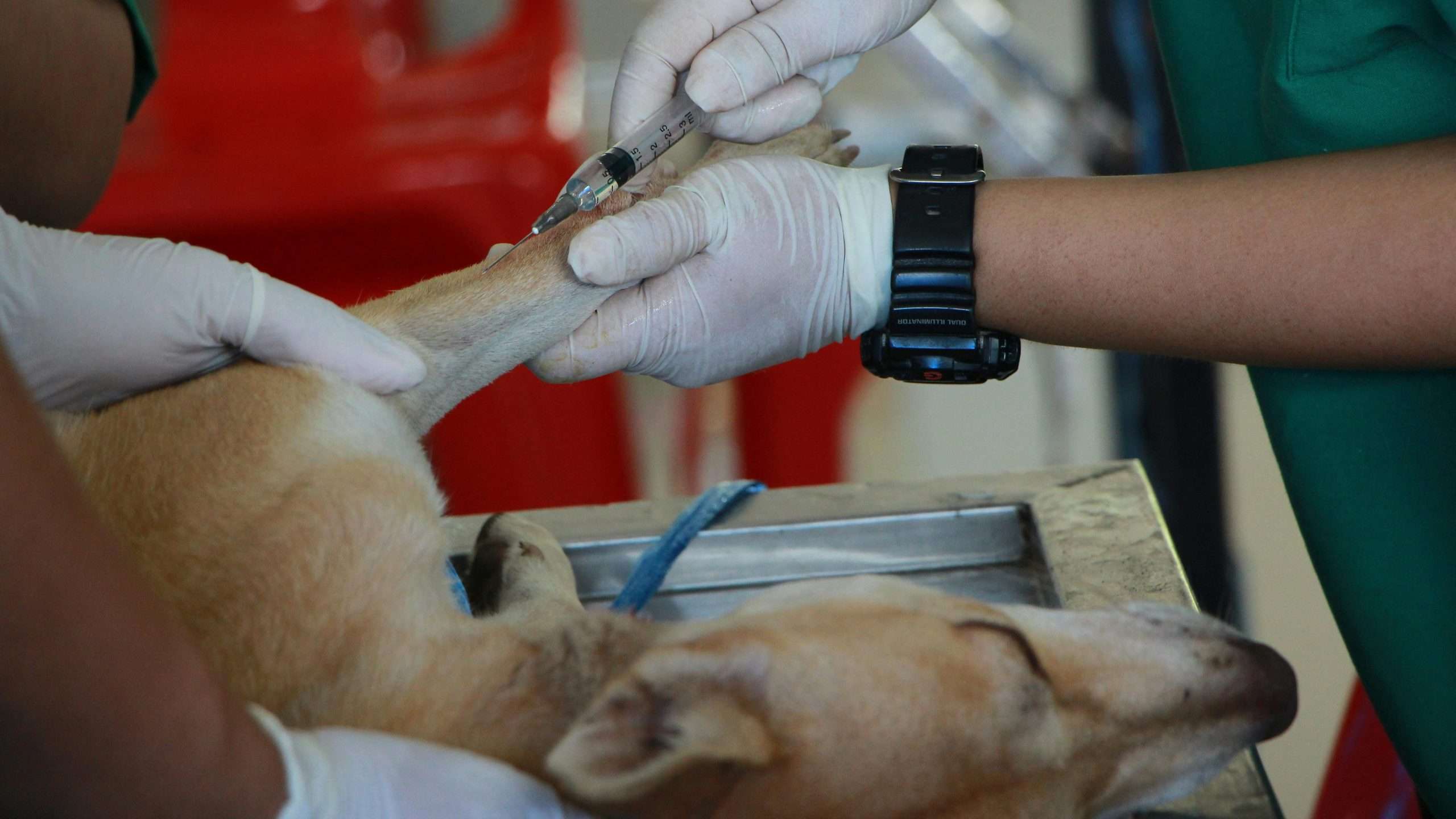
It’s easy to assume your dog is fine as long as they’re eating, playing, and acting normal. But many health issues start silently and only show symptoms when they’re already serious. Preventive care means catching problems before they turn into emergencies — and that’s priceless.
Vaccines, deworming, flea treatments, dental cleanings, and physical exams together make up a preventive care routine that supports a long, disease-free life.
The Importance of Dog Vaccinations and Regular Check-Ups
Common Core Vaccines and Why They Matter
One of the most vital aspects of dog care is ensuring they are vaccinated. Vaccines protect your pet from dangerous and sometimes fatal diseases like distemper, parvovirus, leptospirosis, hepatitis, and rabies. These diseases don’t just threaten your dog’s health — they can also be contagious to other pets and even humans in some cases.
That’s why understanding the importance of dog vaccinations is crucial. Vaccines prepare your dog’s immune system to fight off viruses before they can cause harm. Whether your dog is a couch potato or a social butterfly at the dog park, exposure risks are always present.
Vaccination Schedules for Every Life Stage
Puppies typically begin their vaccination series at 6 to 8 weeks of age. These initial vaccines are spaced out over a few months, building strong immunity. Once they’re adults, most dogs need boosters annually or every three years, depending on the vaccine.
Senior dogs might need extra protection or tests before vaccines due to their weakened immune system. Your vet will guide you through a tailored schedule.
Related reads:
Dog Vaccinations: Everything You Need to Know [2024]
The Role of Regular Check-Ups
Annual check-ups are just as essential. During a visit, your vet will check your dog’s weight, heart, lungs, eyes, ears, and skin. They’ll look for early signs of problems you might miss — like heart murmurs, lumps, or dental disease.
These visits are also your opportunity to ask about behavior changes, appetite issues, or anything unusual you’ve noticed. Prevention isn’t just about physical health — it includes emotional and behavioral well-being too.
Fleas, Ticks, and Worms: Silent Health Wreckers
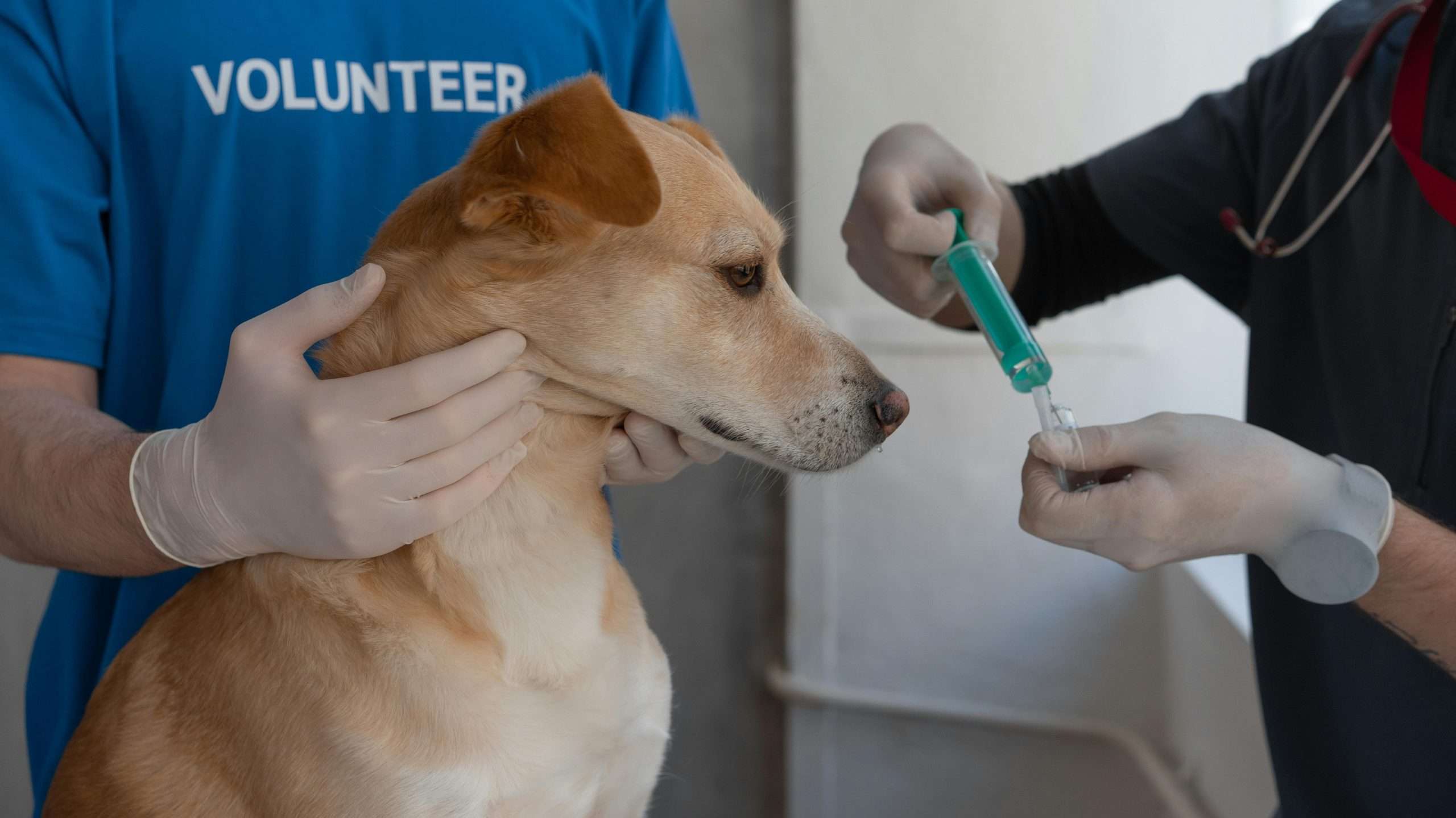
Why Parasite Control Should Never Be Skipped
Fleas and ticks aren’t just annoying; they can transmit tapeworms, Lyme disease, and other dangerous infections. Intestinal worms, like roundworms and hookworms, can weaken your dog, stunt their growth, and even pose a risk to humans — especially children.
Heartworms, transmitted by mosquitoes, can be fatal if not treated. The good news? They’re entirely preventable.
A monthly pill or topical treatment prescribed by your vet keeps most parasites away. That’s why regular parasite prevention is just as critical as vaccinations.
How Parasite Control and Vet Visits Work Together
Even if you’re giving monthly preventives, your vet may recommend annual fecal exams and blood tests to ensure no hidden parasites are present. Many dogs with intestinal worms show no symptoms until the infestation is advanced. Regular check-ups close that gap.
Keeping your home clean, washing bedding, and grooming your dog also contribute to parasite prevention.
Dental Health: Not Just a Cosmetic Concern
What Happens When Dental Health Is Ignored
Neglecting your dog’s teeth can lead to gum disease, tooth loss, infections, and even damage to internal organs like the heart or kidneys due to bacteria entering the bloodstream.
Dogs don’t always show dental pain the way we do. They might continue eating while hiding discomfort, which makes regular dental exams even more important.
Preventing Dental Disease
Routine dental cleanings under anesthesia, home brushing (ideally 2–3 times a week), dental chews, and water additives can all help.
Vets will check your dog’s teeth during their annual visit and let you know if professional cleaning is needed. By staying proactive, you can avoid expensive procedures later on.
Adapting Preventive Care Across Life Stages
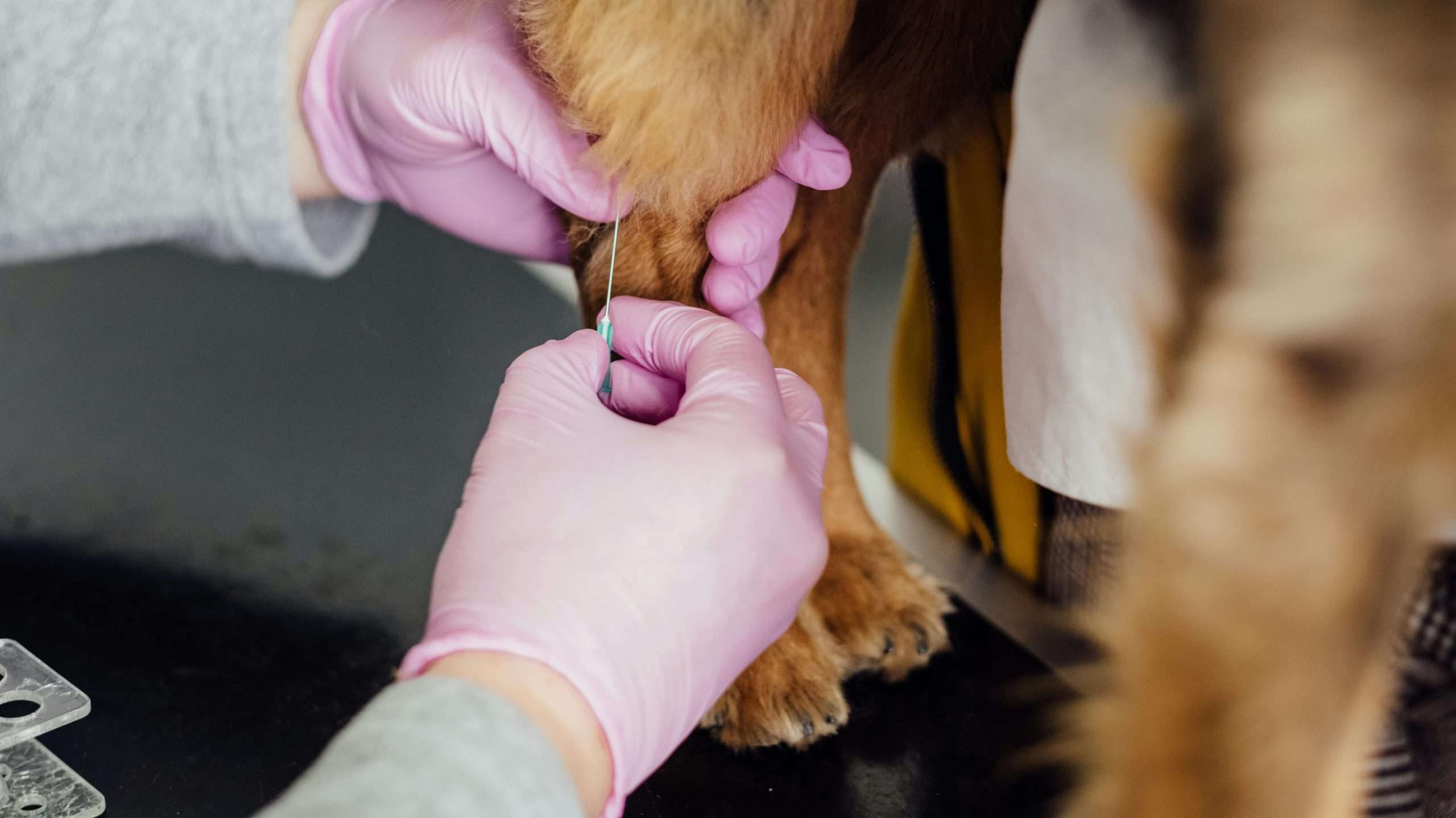
Puppies: Building the Basics
Early life is when your dog’s immune system, bones, and behavior are developing. Starting with a proper vaccine schedule, parasite protection, and dental habits lays the groundwork for lifelong health.
The importance of dog vaccinations is especially high in puppies, as they are more vulnerable to infections. Missing even one vaccine can leave them unprotected.
Adults: Maintenance and Monitoring
Adult dogs benefit most from consistency. Annual boosters, monthly parasite protection, and routine dental care help maintain the good health you built in puppyhood.
Even if your adult dog seems fine, regular vet visits are where subtle changes get spotted early.
Seniors: More Frequent Care for Aging Bodies
As your dog ages, they may need bi-annual vet visits. Older dogs are prone to arthritis, dental decay, cognitive decline, and chronic conditions.
Preventive care helps detect and manage these problems early, improving their comfort and quality of life.
How Technology Supports Preventive Dog Care
Virtual Vet Consultations
Telemedicine makes it easy to get quick advice, especially for follow-ups, minor symptoms, or behavioral concerns. It’s a convenient way to discuss vaccinations, medications, and parasite control without leaving home.
Pet Health Apps
These apps help track vaccine due dates, vet visits, deworming schedules, and more — keeping all your dog’s health info at your fingertips.
Wearables and Genetic Tools
Activity trackers help monitor mobility, sleep, and restlessness — all indicators of your dog’s health. DNA testing reveals breed-specific risks, which helps vets tailor care, especially for preventive health planning.
Common Barriers Pet Owners Face
“My Dog Is Indoors — Do They Really Need Vaccines?”
Yes. Diseases like leptospirosis and parvovirus can live in soil or be transmitted via human shoes, water sources, or other pets. The importance of dog vaccinations applies to every dog, regardless of how much time they spend outside.
Cost Concerns
Preventive care saves money in the long run. Treating heartworm or dental abscesses is far costlier than monthly meds or cleanings. Pet insurance or wellness plans often cover preventive care, so ask your vet about options.
Time and Convenience
Between mobile vet units, apps, and flexible appointment scheduling, there are more ways than ever to fit preventive care into your routine. A few minutes today can prevent months of pain later.
What Happens If You Skip Preventive Care?
Skipping vaccines could mean exposing your dog to life-threatening diseases. Ignoring parasite control might allow fleas, ticks, or worms to cause internal damage or infest your home. Overlooking dental care can lead to rotting teeth and systemic infections.
In short, neglecting preventive care doesn’t just risk your dog’s health — it can shorten their life.
Final Thoughts: Your Dog’s Health Is in Your Hands
Being a responsible dog owner means staying ahead of problems before they start. The importance of dog vaccinations, paired with regular vet visits, parasite prevention, and dental care, forms the backbone of a life well lived — for both you and your dog.
These aren’t optional add-ons; they are essential steps in giving your dog the happy, healthy life they deserve.