Brushing and Combing Your Dog – All You Need to Know [2024]

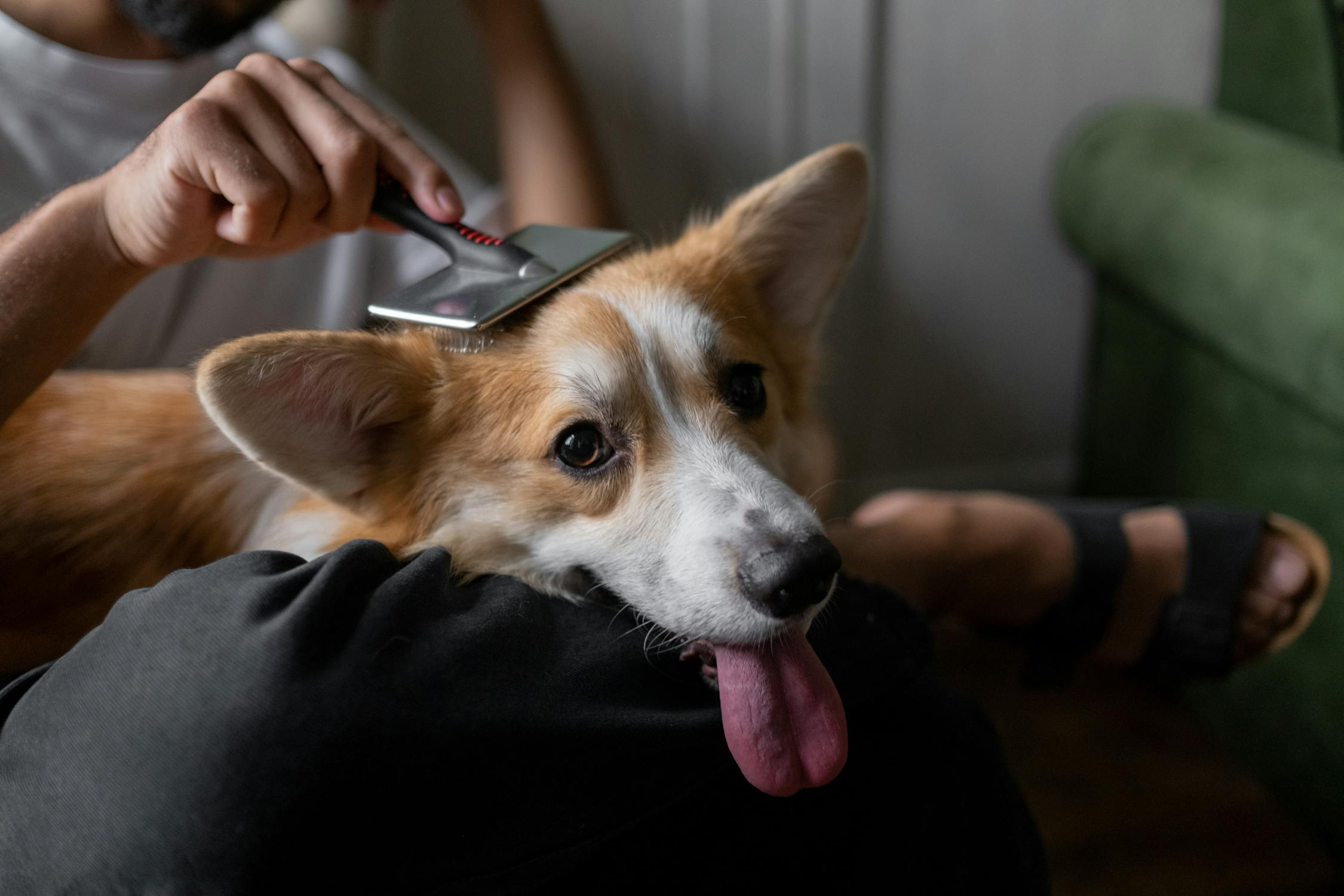
As a pet owner, have you ever struggled with your dog’s coat becoming matted, tangled, or unruly? You’re not alone. Despite more than 80% of pet owners grooming their dogs at least annually, many still overlook the crucial importance of regular combing and brushing. These simple grooming practices not only keep your furry friend looking their best but also play a vital role in maintaining their overall health and well-being.
While many pet parents understand the significance of brushing, the benefits of combing are often underestimated. In this article, we’ll explore why combing your dog is just as essential as brushing and how incorporating both into your grooming routine can vastly improve the condition of your beloved companion’s coat.

Why Combing Is Important For Dogs
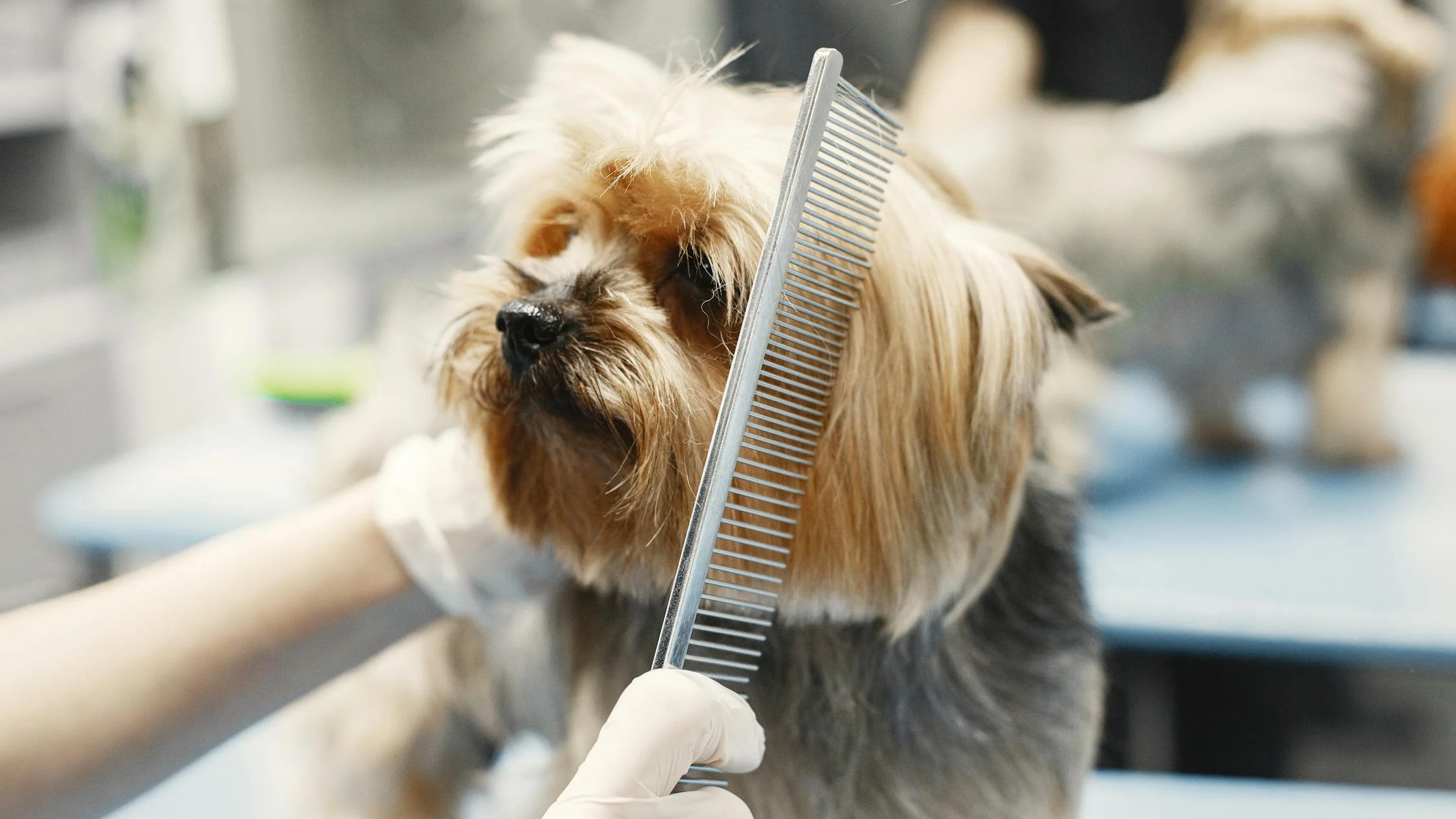
Combing your dog offers numerous benefits that go beyond just maintaining a well-groomed appearance. Here are some key reasons why combing should be a regular part of your dog’s grooming routine:
- Untangling Knots and Mats: Dogs with longer coats or curly hair are prone to developing knots and mats, which can be uncomfortable and even painful for your pet if left unchecked. Combing is an effective way to gently work through these tangles and prevent them from becoming more severe.
- Removing Loose Fur and Preventing Shedding: While brushing helps remove loose fur from your dog’s coat, combing takes this process a step further by reaching deeper into the undercoat. This helps reduce shedding around your home and keeps your dog’s coat looking neat and tidy.
- Checking for Skin Issues: When you comb your dog’s hair, you have the opportunity to inspect their skin closely. This allows you to detect any lumps, bumps, or skin irritations early on, which can be crucial for addressing potential health issues promptly.
- Preventing Mat-Related Discomfort: Mats and tangles can cause discomfort for your dog, especially if they become tight against the skin. Regular combing helps prevent mats from forming in the first place, ensuring your pet’s grooming experience is a pleasant one.
- Ideal for Dogs with Certain Coat Types: While brushes work well for some coat types, combs are often more suitable for dogs with longer hair, curly coats, or breeds prone to matting. Combing is gentle on the coat and less likely to cause breakage, making it a preferable option for specific breeds.
How Often Should You Comb Your Dog
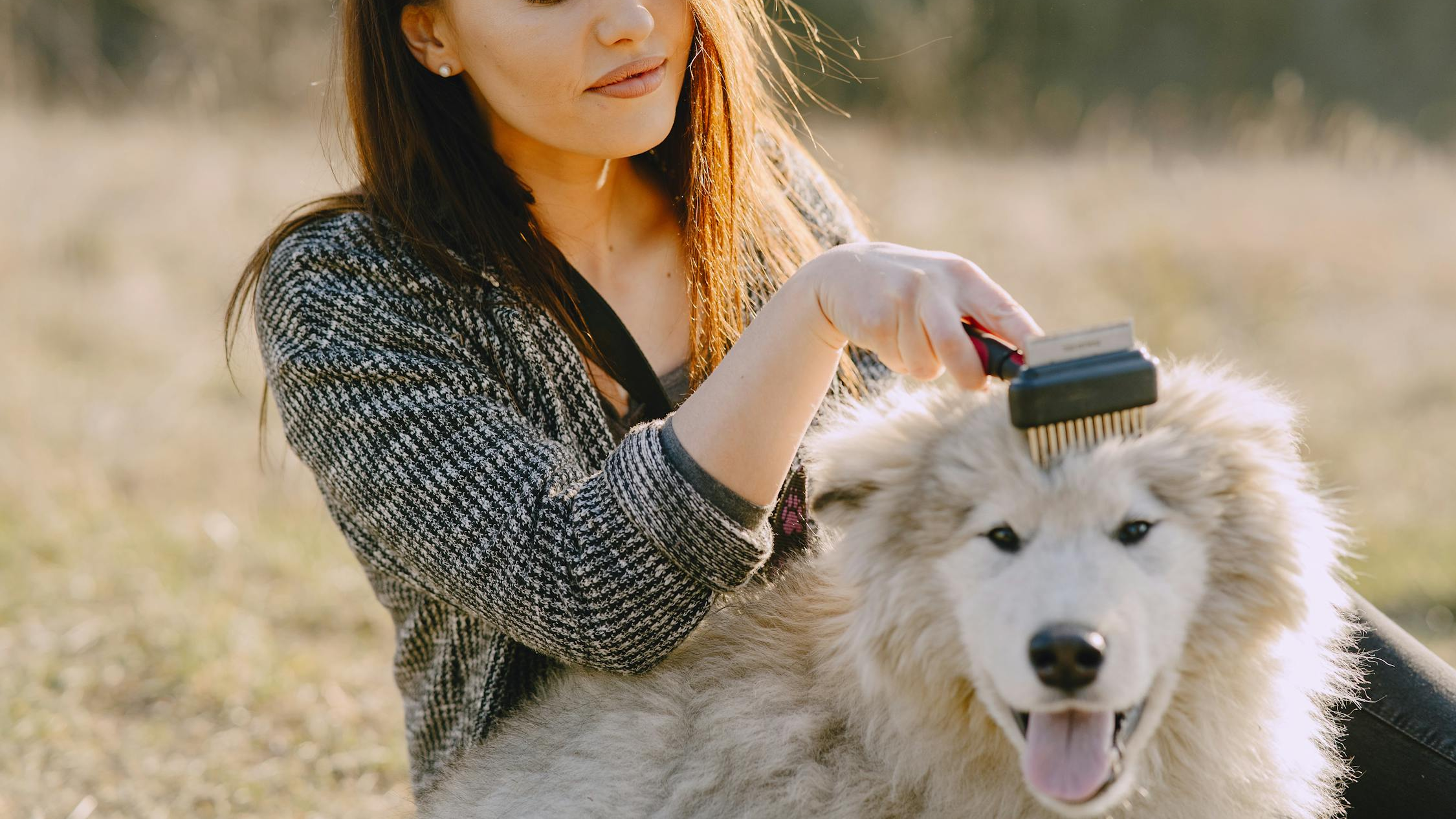
Ideally, you should comb your dog every day to ensure their coat stays tangle-free and healthy. However, if daily combing isn’t possible, aim for at least a few times a week. It’s also a good idea to establish a routine, such as combing your dog after walks or playtime, to make it a habit.
Techniques for Combing Your Dog’s Hair
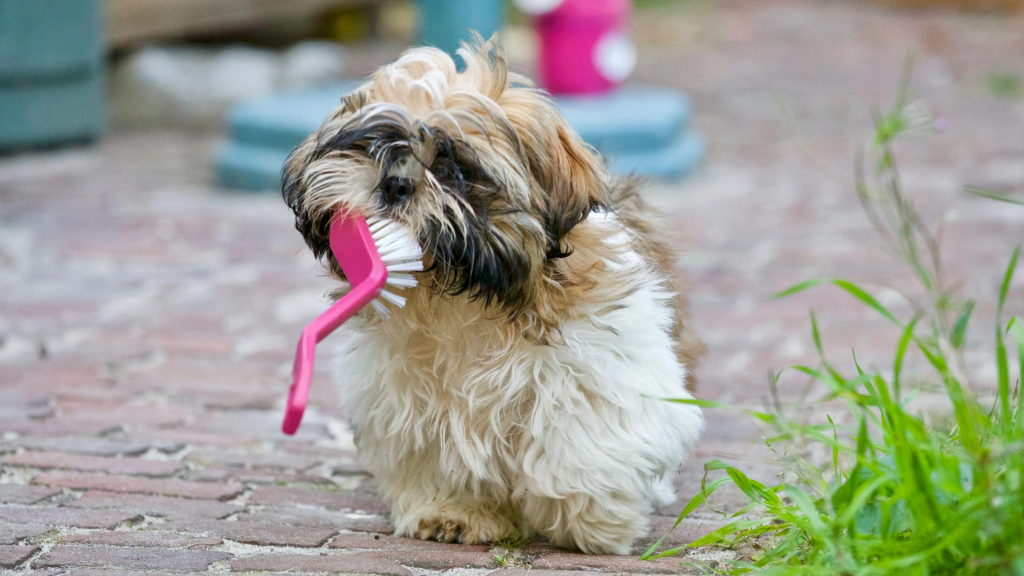
When it comes to combing your dog’s hair, there are a few techniques to keep in mind:
- For short coats, a brush or flea comb may be sufficient.
- For long coats, use a wide-tooth comb or metal comb designed for detangling.
- For curly coats, consider using a detangling spray or conditioner to help the comb glide through more easily.
Start at your dog’s feet and work your way up, gently working through any knots or mats you encounter. Pay special attention to areas prone to matting, such as behind the ears, armpits, and the base of the tail.
The Benefits of Brushing Your Dog
While combing your dog is essential, brushing should not be overlooked. Brushing offers its own set of benefits, including:
- Keeping skin and hair healthy by distributing natural oils
- Promoting a smooth, shiny coat
- Helping regulate body temperature
- Exposing fleas and ticks for easier removal
- Identifying lumps, sore spots, or injuries
- Preventing skin issues caused by matting
Tips for Brushing and Combing Your Dog
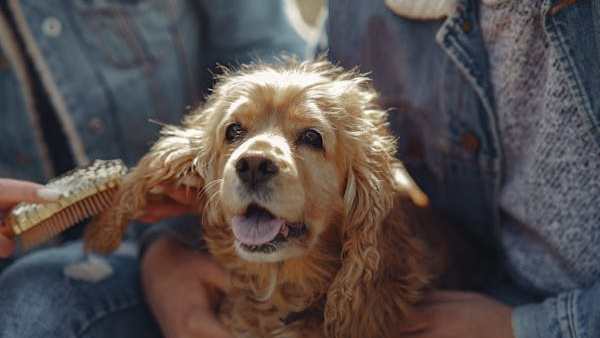
To make combing and brushing a positive experience for both you and your dog, consider the following tips:
- Use the right tools for your dog’s coat type. Consult with a professional groomer or veterinarian if you’re unsure which brushes and combs are best.
- Introduce brushing and combing gradually to puppies to help them develop positive associations with the process.
- Provide positive reinforcement, such as treats or praise, to make grooming a pleasant experience.
- Be gentle and patient, especially when working through tangles or mats.
- If your dog shows signs of anxiety or has special coat needs, seek professional help from a groomer or veterinary professional.
How to Comb Your Dog’s Hair
Here’s a step-by-step guide for how to comb your dog’s hair:
- Begin with a detangling spray or conditioner if your dog has a longer or curly coat. This will help the comb glide through more easily.
- Start at the feet and work your way up, combing in the direction of hair growth.
- Use a wide-tooth comb or metal comb to gently work through any knots or mats you encounter.
- Pay special attention to areas prone to matting, such as behind the ears, armpits, and the base of the tail.
- Finish by combing the entire coat to ensure no tangles or mats remain.
Carding for Long-Haired Dogs
If you have a long-haired dog, you may want to consider carding their coat. Carding is a technique that helps remove loose undercoat, promoting a silky and smooth topcoat. It’s especially beneficial for breeds with thick, double coats, as it can help prevent matting and reduce shedding.
Related reads:
Essential Grooming Tips for Long Haired Dogs
Wrapping Up
Incorporating regular combing and brushing into your dog’s grooming routine is essential for maintaining a healthy, mat-free coat and overall well-being. By taking the time to comb your dog regularly, you not only keep their coat looking its best but also prevent discomfort, identify potential health issues early, and strengthen the bond between you and your furry friend. Remember, patience and the right tools are key to making combing and brushing a positive experience for both you and your beloved companion.
We hope this guide on brushing and combing your dog has helped you. Let us know what you think in the comments below!
FAQs
Can I brush my dog too much?
No, as long as you’re using the appropriate brushes and combs for your dog’s coat type and being gentle, you can’t really over-brush or over-comb your pet.
How often should I bathe my dog?
The frequency of bathing will depend on your dog’s breed, activity level, and coat type. However, it’s generally recommended to comb and brush your dog before and after each bath to ensure a thorough grooming experience.
My dog hates being groomed. What can I do?
Start introducing combing and brushing gradually from an early age, and make it a positive experience with treats and praise. If your dog continues to show signs of anxiety or aggression, consult with a professional groomer or veterinarian for guidance.