Bored Dogs: How to Recognize and Solve Boredom in Dogs


Bored dogs can be a handful for any pet owner. When dogs lack stimulation, they’re likely to turn to behaviors that might not align with your expectations – from chewing your shoes to barking excessively. But why do dogs get bored, and how can you help them? Here, we’ll dive into the signs of doggy boredom and provide solutions to keep your furry friend happy and entertained.
Recognizing Bored Dogs

Just like humans, dogs need both physical and mental engagement. If their environment lacks variety, they might begin to appear more like bored dogs. Here are some common behaviors:

- Destructive behavior: Bored dogs might chew furniture, shred pillows, or dig holes in the backyard.
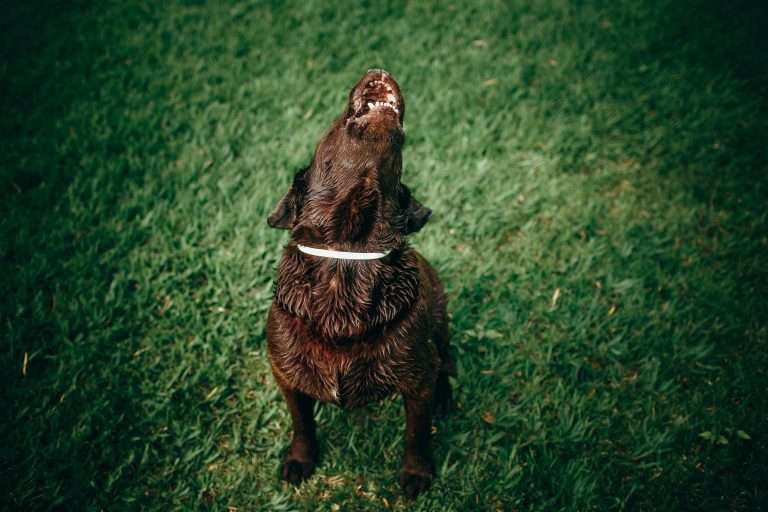
- Excessive barking: Dogs often bark out of frustration or a need for attention.
- Attention-seeking: Constantly pawing at you, whining, or acting restless are classic indicators.
- Clinginess: While some dogs naturally stick close to their owners, boredom might amplify this behavior.
If you notice these signs, it’s important to address them promptly. But first, rule out issues like separation anxiety or medical conditions. A consultation with a veterinarian or dog trainer can help.
Physical Exercise: A Must for Every Dog
The phrase “a tired dog is a happy dog” holds true. Physical exercise not only keeps your dog fit but also provides an outlet for their energy. Depending on your dog’s breed and size, their exercise needs will vary.
- Daily walks: Aim for walks that are more than just potty breaks. Take different routes to add variety and allow your dog time to sniff and explore.
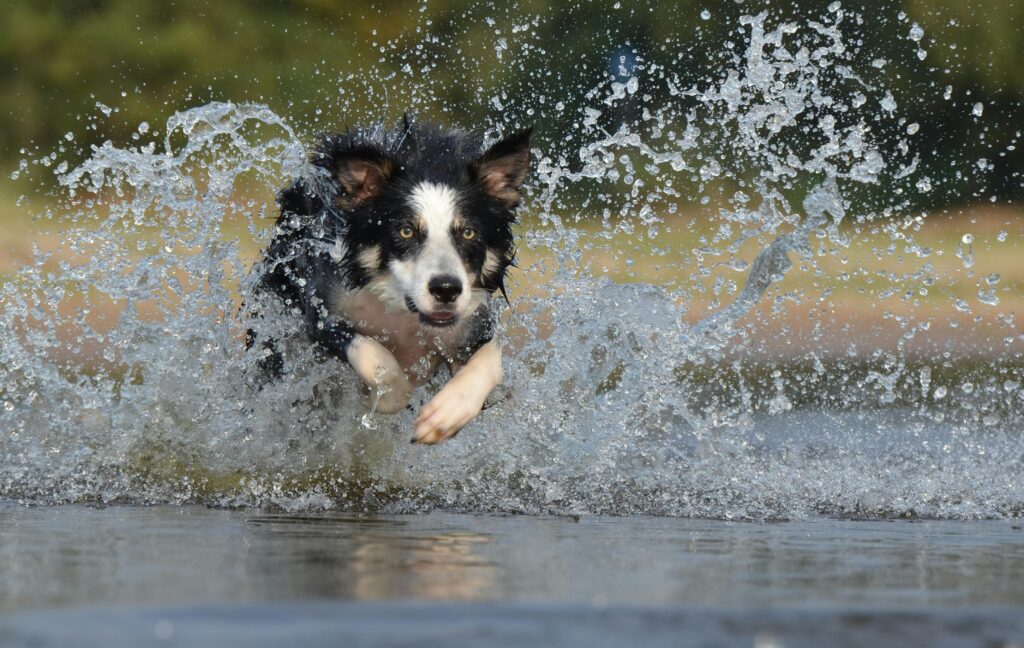
- High-energy activities: Breeds like Border Collies or Retrievers thrive on activities such as fetch, frisbee, or running.
- Off-leash play: If you have access to a safe, enclosed area, let your dog run freely.
Remember to consult your vet to determine how much exercise is appropriate for your dog’s breed, age, and health condition. Dogs that get adequate exercise are less likely to exhibit boredom-related behaviors.
Mental Stimulation: Engage Your Dog’s Brain
Mental engagement is just as important as physical activity. Dogs are naturally curious and enjoy problem-solving. Here are ways to provide mental stimulation:
- Interactive toys: Puzzle toys, like snuffle mats and treat-dispensing balls, can keep your dog occupied for hours.
- Scent games: Hide treats around the house and encourage your dog to sniff them out.
- Training sessions: Teach your dog new tricks or commands. This enhances their mental agility and strengthens your bond.
Related reads:
Mastering Essential Dog Commands: A Step-by-Step Guide to Teaching Sit, Stay, Down, and More
DIY Puzzle Ideas for Bored Dogs
Don’t want to spend money on toys? Here are some easy DIY options:
- Stuff dog-safe peanut butter into a cardboard tube and fold the ends.
- Roll treats in a paper bag for your dog to tear open.
- Hide treats in a muffin tin, covering them with tennis balls.
Rotating toys and activities keeps your dog’s interest alive. Even an old toy feels new after a break!

Socialization: More Than Just Playdates
Socializing your dog is vital for their mental health. Dogs are pack animals and enjoy interacting with others. Whether it’s meeting new people or playing with other dogs, these experiences can alleviate boredom.
- Dog parks: Allow your dog to run and play off-leash under your supervision.
- Neighborhood walks: Be open to friendly encounters with other dog owners.
- Puppy playdates: Organize meetups with dogs of similar size and energy levels.
Socialization doesn’t end in puppyhood. Continued exposure to new environments and experiences keeps your dog mentally sharp and content.
Training and Dog Sports: Keep Them Active and Engaged
Training isn’t just about teaching your dog to sit or stay. It’s also an excellent form of mental stimulation. Once your dog masters basic commands, move on to advanced tricks or dog sports.
Trick Training
Teaching tricks like rolling over, playing dead, or even dancing can be incredibly rewarding. Tailor the tricks to your dog’s size and abilities. For instance, a large breed might enjoy learning how to fetch specific objects, while a smaller dog could master crawling under furniture.
Dog Sports
Many dog sports provide a mix of physical and mental exercise. Some popular options include:
- Agility: Perfect for energetic breeds, this involves navigating obstacle courses.
- Scent Work: Ideal for scent hounds like Beagles, where they search for specific scents.
- Treibball: Great for herding breeds, where dogs push large balls into goals.
Training or participating in sports also strengthens your bond with your pet and gives them a sense of purpose.
Jobs for Your Dog: Tap Into Their Instincts
Many dog breeds were originally bred for specific jobs, such as herding, guarding, or retrieving. Even if they don’t have a formal job today, you can give them tasks that mimic their natural instincts.
- Digging boxes: For terriers, create a sandbox or digging box filled with buried toys.
- Cart pulling: Breeds like Bernese Mountain Dogs might enjoy pulling a lightweight cart.
- Fetch games: Perfect for retrievers, these games cater to their instincts.
Providing a “job” can satisfy their innate desires and keep them busy.
Mealtime Games: Make Eating Fun

Transform mealtime into an engaging activity. Instead of placing food in a bowl, try these ideas:
- Slow feeder bowls: These extend eating time and make meals more challenging.
- Treat-dispensing toys: Encourage your dog to work for their food.
- Kibble hide-and-seek: Scatter their food around the house or yard for them to find.
These activities not only combat boredom but also improve digestion and prevent gulping.
Signs Your Solutions Are Working
Once you implement these strategies, watch for positive changes in bored dogs’ behavior:
- Reduced destructive tendencies
- Less whining or barking
- A calmer demeanor
- Increased focus during training
Consistency is key. Dogs thrive on routine, so incorporate these activities into their daily schedule.
Final Thoughts
Boredom in dogs isn’t just a minor inconvenience; it can lead to behavioral problems and affect your dog’s overall happiness. By providing adequate physical exercise, mental stimulation, and opportunities for socialization, you can ensure your dog lives a fulfilling life. From puzzle toys and training sessions to dog sports and digging boxes, there are countless ways to keep your furry friend engaged. Recognizing and addressing boredom will not only make your dog happier but also strengthen your bond with them.
So, take the time to understand your dog’s needs and explore activities that match their personality and breed traits. A well-stimulated dog is not only a joy to have around but also a healthy and happy companion.