How to Raise a Friendly Dog – 2025

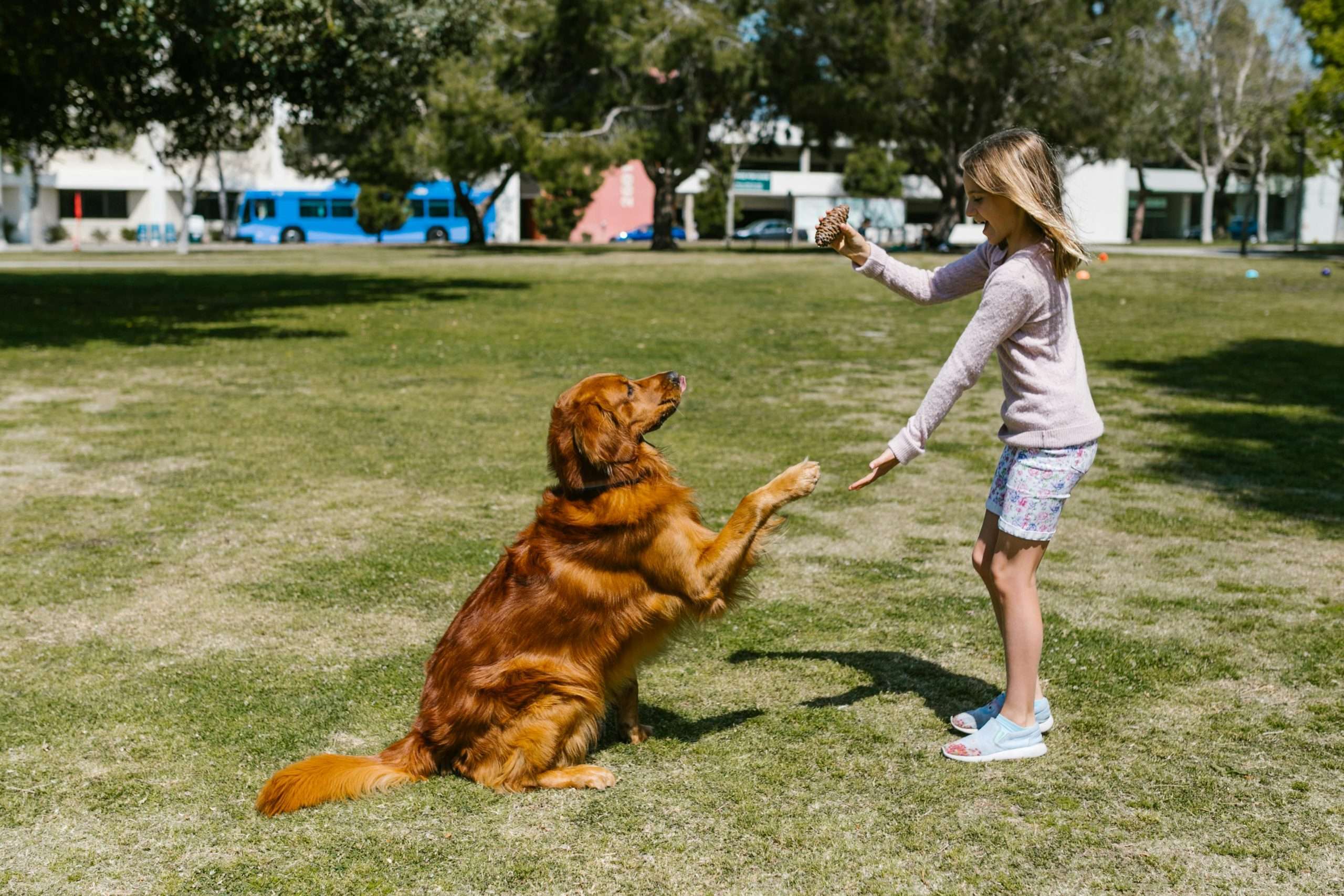
A well-socialized dog isn’t just more enjoyable to be around – it’s also safer, calmer, and more confident in new situations. Whether you’re a first-time puppy parent or welcoming a rescue into your home, knowing how to raise a friendly dog can set the stage for a lifetime of good behavior and companionship.
Dogs aren’t born friendly. Like people, their personalities are shaped by experiences. A friendly dog is one who’s been consistently exposed to positive environments, taught how to behave, and shown that humans are safe, trustworthy, and fun. Let’s explore how to do exactly that.

The Critical Early Weeks: Start Socializing Early
There’s a short developmental window in every dog’s life (between 3 to 14 weeks of age) when they’re especially sensitive to their environment. During this time, they soak up experiences like a sponge. That’s why it’s crucial to start socialization early if you want to raise a friendly dog.
If you’re getting a puppy, ask the breeder or shelter about early socialization. Puppies raised in homes where they interact with people, hear daily noises, and are gently handled tend to adjust better later.
Even if your dog is older, don’t worry. While the critical window may have passed, consistent, slow, and positive exposure can still help them learn to trust and enjoy human company.
How to Raise a Friendly Dog Through Socialization
Host Puppy Meetups at Home
Taking your puppy to parks or pet stores too early might not be safe before their vaccinations are complete. But that doesn’t mean you have to delay socialization. Instead, bring the world to them.
Throw mini puppy parties at home. Invite friends, family, coworkers; ideally people of all ages, ethnicities, and energy levels. Let your puppy meet calm adults, loud talkers, children, men with hats, people in wheelchairs – anything you expect them to encounter in real life. The more variety, the better.
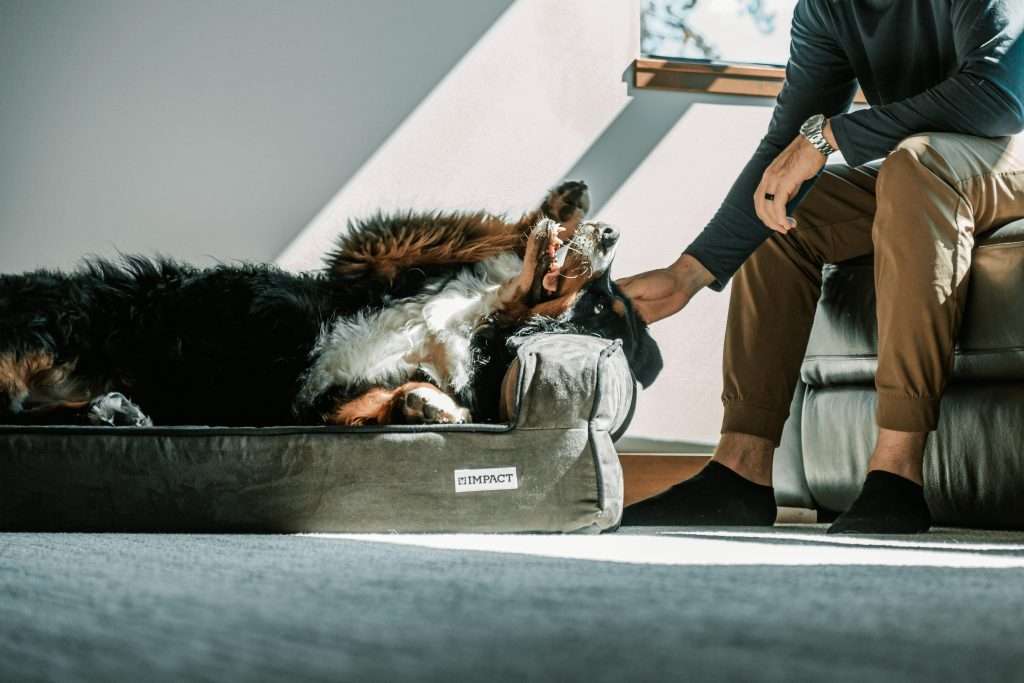
To truly raise a friendly dog, make sure these interactions are positive. Keep the tone happy and relaxed. Give treats, praise, and let your pup retreat if they seem overwhelmed.
Safe Public Exposure
Even before your puppy can walk on public ground, you can still take them places. Use a dog carrier or stroller to bring them to a café, farmer’s market, or park bench. Let them observe people and traffic from a safe distance.
Early exposure to sights and sounds – car horns, bicycles, strollers, or joggers helps reduce fear later on. With enough repetition, your dog learns to take the world in stride.
This gentle exposure goes a long way in helping you raise a friendly dog who’s not startled or aggressive in public spaces.
Encourage Positive Human Interaction
Hand Feeding and Gentle Handling
Friendly dogs often associate humans with good things – food, play, and affection. One simple trick? Ask guests (including kids) to hand-feed your puppy treats or kibble. This helps your dog link people with positive experiences.
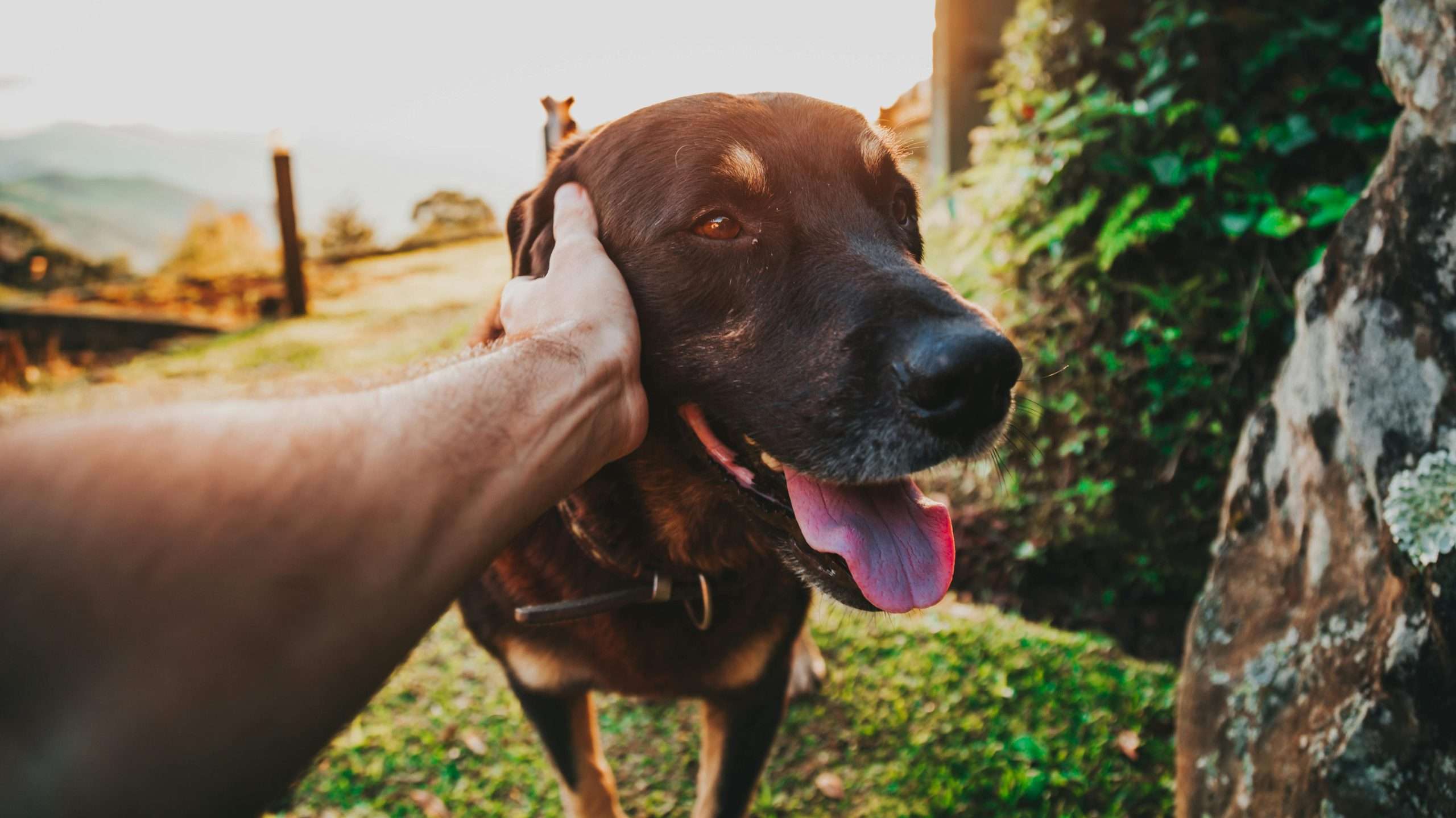
Petting and gentle touches also help your dog get used to human contact. Have friends softly touch your puppy’s ears, paws, and tail. This builds tolerance and reduces the chance of future vet visits being a nightmare.
If you’re consistent, this will help you raise a friendly dog who doesn’t shy away from strangers or nip at the groomer.
Teach Children to Interact Respectfully
Kids and puppies are both unpredictable which can be a tough mix. Teach children to be calm, gentle, and quiet around dogs. No pulling tails, no chasing, and definitely no yelling.
Also, supervise every interaction. This teaches your puppy that kids are not a threat. Over time, your dog will learn to be relaxed and patient around children – an essential part of learning how to raise a friendly dog in a family setting.
Bite Inhibition: Teaching Your Dog to Be Gentle
Even friendly puppies nip and bite during play – but how they learn to control those bites matters a lot.
Learning from Other Dogs
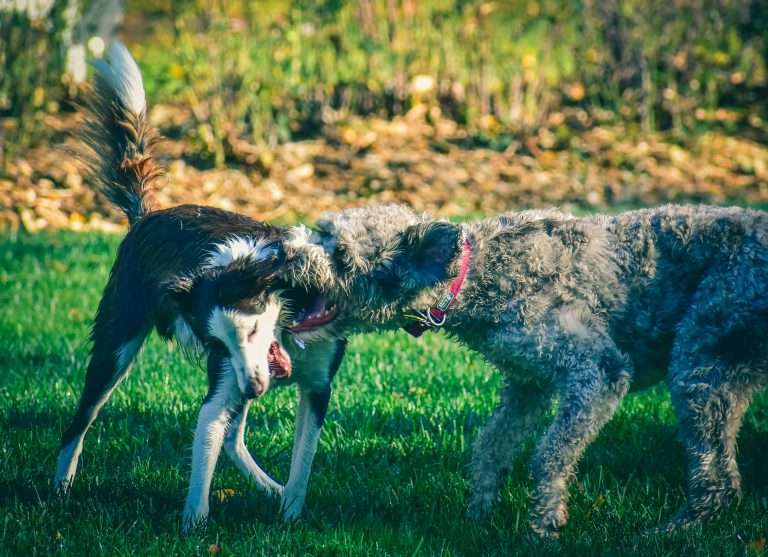
Puppies usually learn bite inhibition through play. When one bites too hard, the other yelps and stops the game. The message is clear: biting too hard means playtime ends.
If your puppy doesn’t have littermates to learn from, you’ll need to take over.
Reinforce Bite Inhibition at Home
When your puppy mouths your hand too hard, let out a loud “ouch!” and stop playing. Pause for a minute or two. Then resume calmly and ask them to “sit” before continuing.
Repeat this every time. Consistency is how you raise a friendly dog that knows how to control its impulses.
Use Time-Outs
If your pup continues to bite despite warnings, give a time-out. Stand up and leave the room for a couple of minutes. The sudden loss of attention is a powerful message.
Even better – make sure kids follow the same approach. This way, your puppy learns to treat everyone with gentle respect.
Training Basics That Support a Friendly Temperament
Related reads:
Understanding Dog Attacks: Causes, Prevention, and What to Do If It Happens
Build Confidence with Basic Commands
Training helps your dog understand what’s expected. It also gives them a sense of structure and safety.
Start with simple commands like “sit,” “stay,” and “come.” Use positive reinforcement (treats, toys, and praise) to reward good behavior.
Confident dogs are more relaxed and less likely to lash out. That’s why obedience training is a powerful tool to raise a friendly dog.
Reward the Behavior You Want
Never punish fear-based behavior. Instead, reward calmness. If your dog remains calm while a stranger walks by, mark that with praise and a treat.
Over time, your dog learns that being friendly and polite gets them the rewards they love.
Mistakes to Avoid When You Want to Raise a Friendly Dog
- Delaying socialization
Waiting too long to expose your puppy to new experiences can lead to fear and reactivity later. - Forcing interactions
Don’t make your dog “face their fears” by shoving them into uncomfortable situations. Let them move at their own pace. - Inconsistent rules
If jumping is okay with one person but not another, your dog gets confused. Consistency builds confidence. - Reinforcing fear
If your dog growls at strangers and you immediately cuddle or soothe them, you’re accidentally rewarding the fear response.
It’s Never Too Late: Adult Dogs Can Become Friendlier Too
Puppies are easier to mold, but adult dogs can still learn. If you’ve adopted a shy or reactive rescue, the process just takes more time.
Start slow, build trust, and celebrate small wins. A few weeks of patient effort can go a long way in helping you raise a friendly dog – no matter their age.
Final Thoughts: Anyone Can Raise a Friendly Dog With Patience and Love
Friendliness isn’t just about genetics or breed. It’s about environment, consistency, and trust.
To raise a friendly dog, you need exposure, boundaries, affection, and training — all delivered in small, manageable steps. Whether you’re raising a puppy or rehabbing a rescue, your calm and committed presence is what makes the difference.