5 Effective Tips on How to Potty Train Your Dog or Puppy

Bringing a new puppy or dog into your home is an exciting experience, but it also comes with the responsibility of potty training them. While the whole idea of “how to potty train your dog” may seem like a challenging task, establishing good potty habits from the start can save you a lot of frustration and cleaning up in the long run.
According to a survey, large dogs were more likely to be fully house-trained than small dogs. This could be attributed to the fact that larger dogs may have better bladder control and can hold it for longer periods. However, with the right approach, dogs of any size can be successfully potty trained. Potty training a dog or puppy requires patience, consistency, and a well-planned approach. Whether you’re welcoming a puppy or dog, potty training them is a crucial part of responsible pet ownership.

In this article, let’s cover the essential tips on how to potty train your dog or puppy! Read on to know more!
Establish a Routine for Puppy Potty Training
One of the keys to successful potty training is establishing a routine. Puppies do best with a consistent schedule that teaches them when it’s time to eat, play, and poop. As a general rule, a puppy can hold their bladder for one hour per month of age, plus one hour. For example, a three-month-old puppy can typically hold it for four hours.
Here Are Some Tips for Setting up a Routine:
● Take your puppy out frequently, at least every two hours, and immediately after waking up, eating, drinking, or playing.
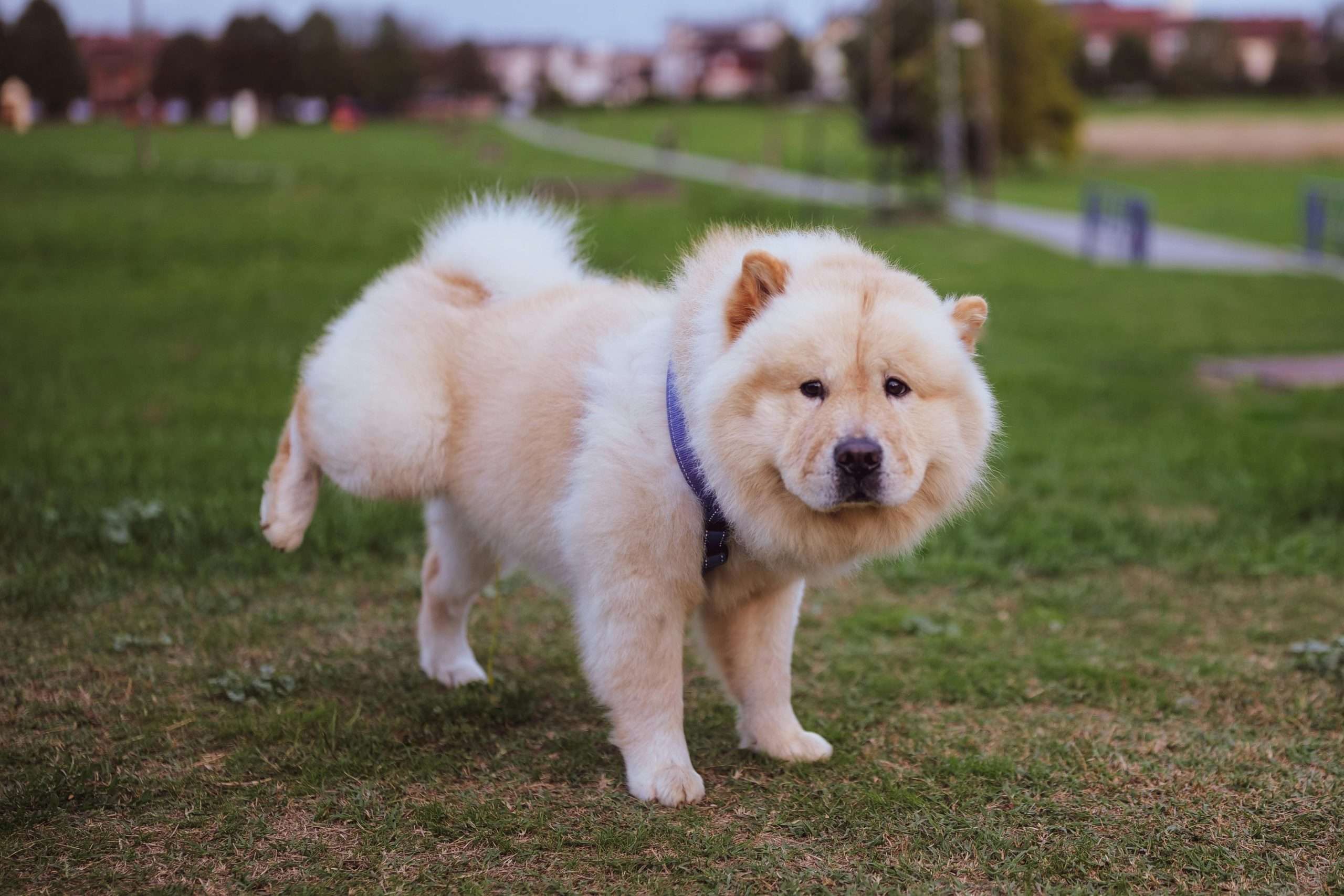
● Choose a consistent potty spot outside and take your puppy there on a leash each time.
● Use a cue word or phrase like “go potty” or “do your business” when your puppy is peeing/pooping, so they associate the command with the action.
● Reward your puppy with treats, praise, or playtime immediately after they successfully go potty outside.
Also Read:
When to begin puppy training: A Comprehensive Guide
Feeding Schedule and Water Intake
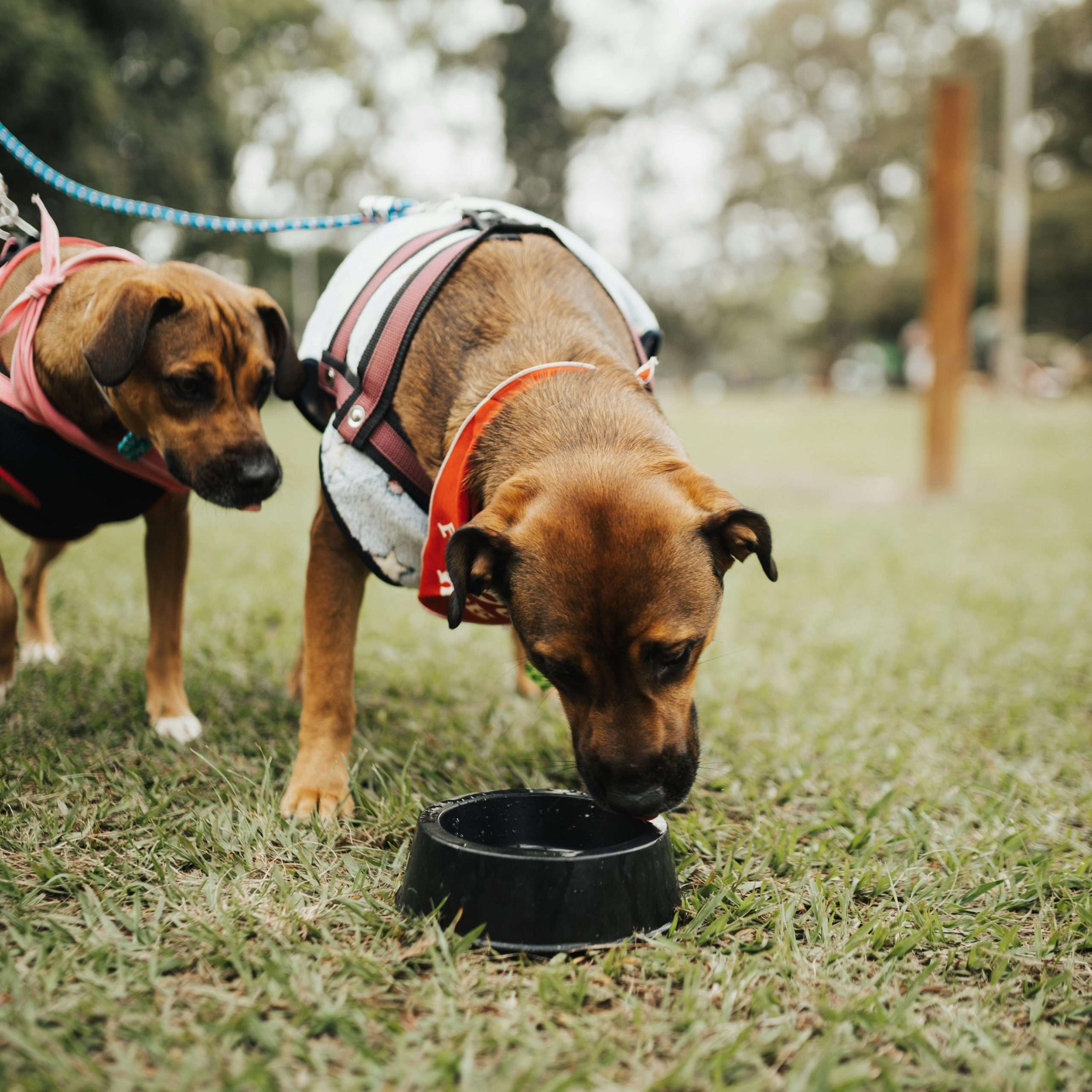
Establishing a consistent feeding schedule can also aid in potty training your dog. Feed your puppy at the same times each day, as they tend to need to be eliminated shortly after eating. It’s also a good idea to limit water intake a couple of hours before bedtime to reduce the chances of nighttime accidents.
Supervision and Confinement
Puppies and dogs should never have free rein in the house until they are fully house trained. When you can’t directly supervise your puppy, confine them to a small area like a crate or a room with easy-to-clean floors. This will prevent accidents and reinforce the idea that eliminating should only happen outside.
Potty training your puppy or dog successfully also involves learning to recognize the signs that they need to go. These can include circling, sniffing, or standing near the door. When you notice these cues, immediately take your pup to their designated potty spot.
Positive Reinforcement and Avoiding Punishment
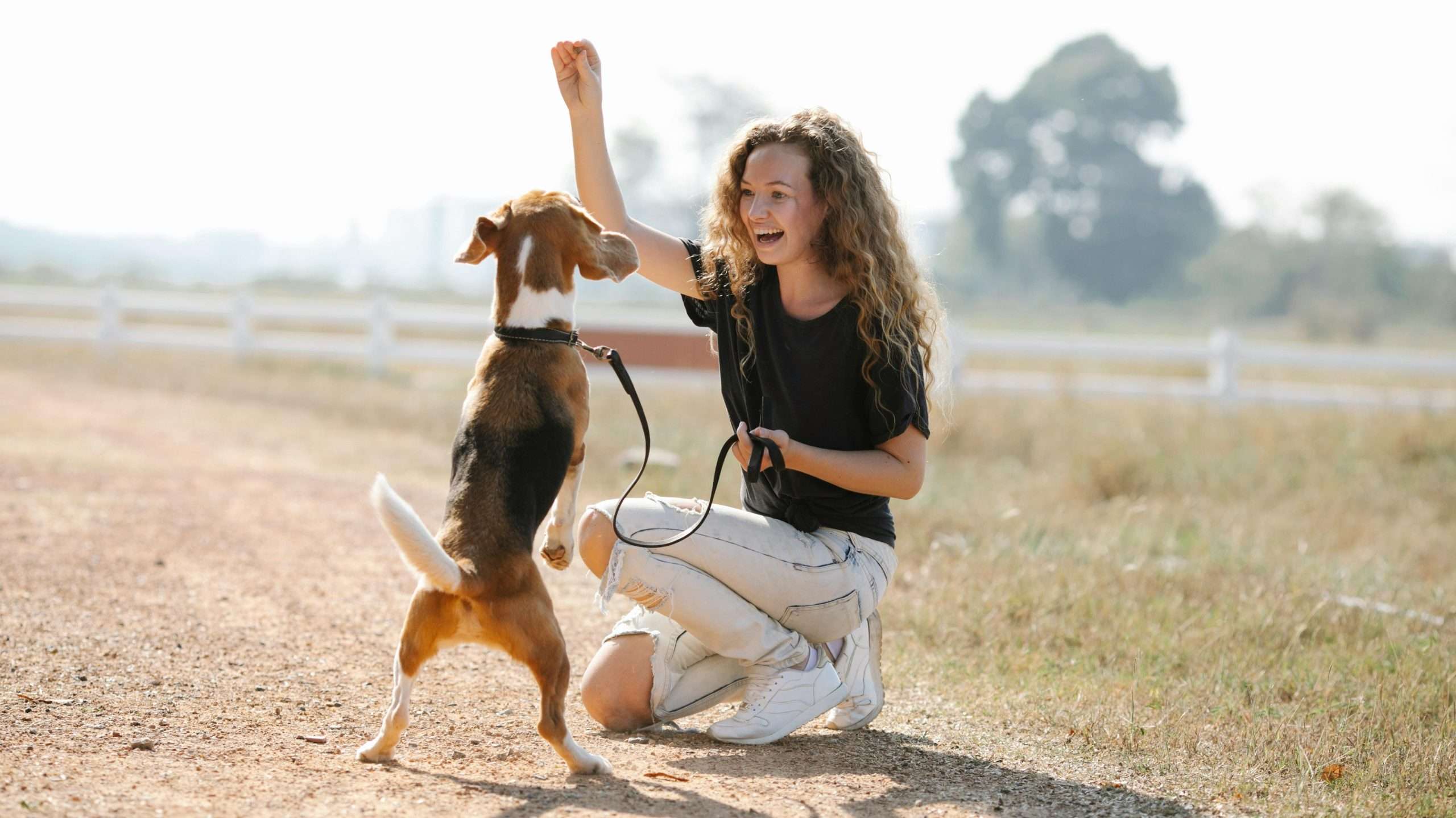
Puppy potty training should always involve positive reinforcement and never punishment. Punishing your dog for accidents can lead to fear and confusion, making the process more difficult. Instead, reward desired behavior with treats, praise, and affection when they potty in the right spot.
If you catch your puppy in the act of having an accident inside, interrupt them with a firm “no” and immediately take them outside. Once they finish going potty in the right place, reward them. Clean any indoor accidents thoroughly with an enzymatic cleaner to remove odors that could encourage repeat offenses.
Related reads:
Learn The Top 6 Methods of Positive Reinforcement in Dog Training
Bonus Tips on How to Potty Train Your Dog (for Office Goers!)
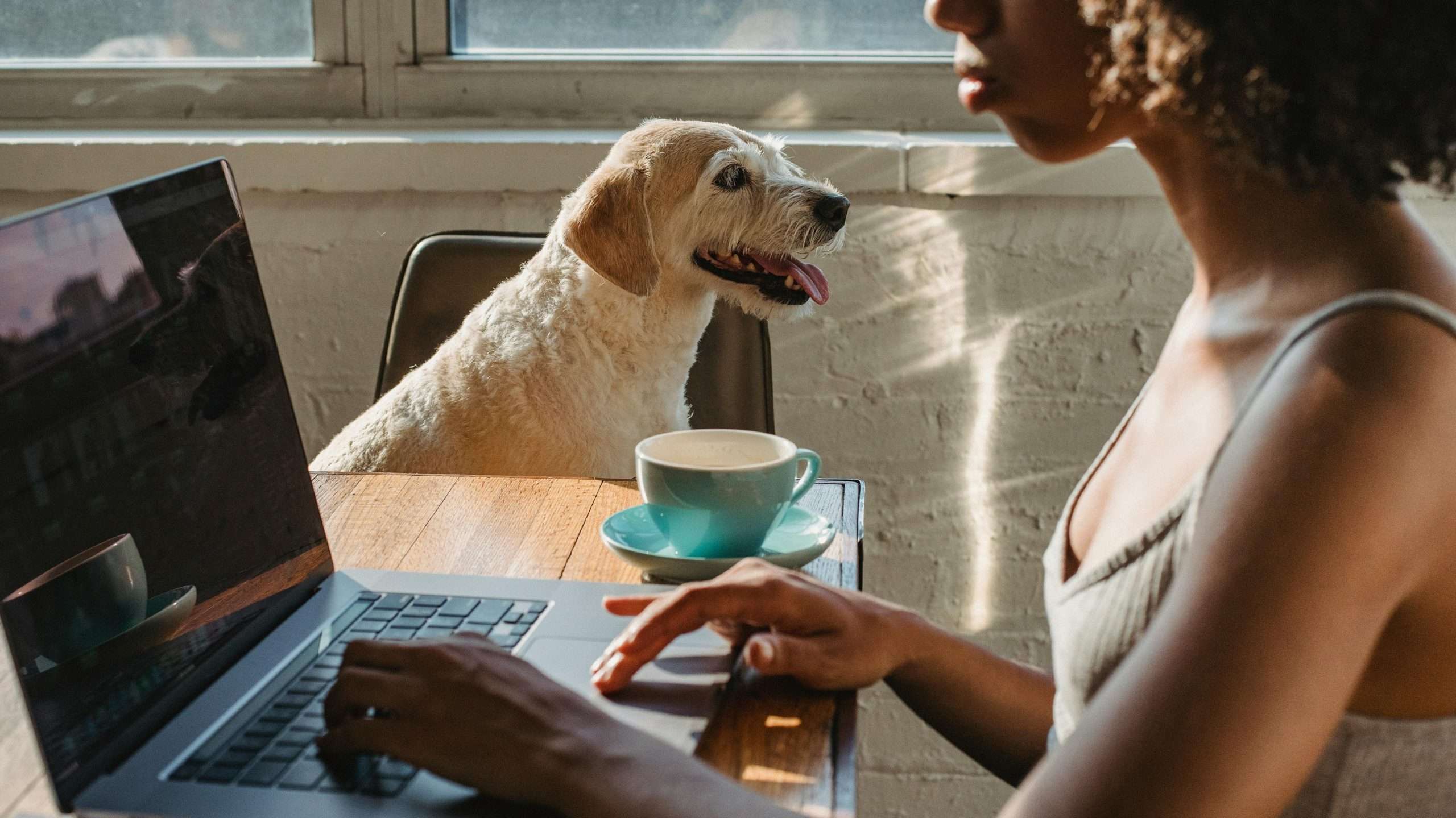
If you’re away from home for more than four or five hours a day, leaving a puppy alone at home might not be the best idea. Here are some tips on how to potty train your dog or puppy, if need to be away for extended periods:
- Arrange for Assistance: Ask a responsible neighbor or hire a professional pet sitter to take your puppy for bathroom breaks while you’re away. This ensures they don’t have to hold it in for too long.
- Consider Indoor Training: If you can’t arrange for outdoor breaks, you can train your puppy to eliminate indoors. But be mindful that this method may prolong the house training process.
- Designate an Area: Set up a designated elimination area indoors with enough space for your puppy’s needs. This area should include a sleeping space, a play area, and a separate spot for elimination.
- Use Training Aids: You can use pet pee pads, newspapers, or even a sod box in the designated area. A sod box can be made by placing sod in a container like a small plastic swimming pool.
- Reinforce Recognition: If accidents happen outside the designated area, put the soiled rags or paper towels inside afterward. This helps your puppy recognize the scented area as the appropriate spot for elimination.
By planning ahead and providing the necessary accommodations, you can ensure your puppy’s comfort and minimize accidents while you’re away.
Saying Goodbye!
Potty training for dogs may seem challenging, but with consistency, patience, and positive reinforcement, you can successfully teach your furry friend to go potty in the right place. Remember, accidents are part of the process, and every dog learns at their own pace. By following these tips and staying committed to toilet training your puppy, you’ll have a well-trained companion in no time.
Did we miss out on anything? Feel free to let us know in the comment section below!
Frequently Asked Questions
How long does it typically take to potty train a puppy?
Most puppies can be reasonably house trained within 4-6 months, but some may require less or more time depending on their age, breed, and consistency of training.
Can I use pee pads or litter boxes for potty training?
While pee pads or litter boxes can be useful in certain situations (like apartments or when you’re away from home for long periods), they can also confuse the puppy potty training process and make it harder to transition to going outside.
How can I deal with potty training regression?
Regression, or a sudden increase in accidents after successful puppy potty training, can happen due to stress, changes in routine, or medical issues. Stay patient, stick to the routine, and consult your vet if the problem persists.