How Dogs Stay Cool? – Understanding Your Dog Better

Dogs bring so much joy into our lives, but their bodies function differently from ours when it comes to handling heat. Humans sweat all over to regulate temperature, but dogs do not have this system. Instead, they rely on specific cooling methods that help them survive warm climates and hot days. Understanding how dogs stay cool is not just interesting for dog lovers, it is also crucial for keeping pets safe from heat-related problems. A dog’s ability to regulate body temperature can mean the difference between comfort and serious health risks during summer.
How Dogs Stay Cool Naturally
Every dog has built-in ways to handle heat, but their cooling system works differently from people. These natural processes are fascinating and highlight just how unique canine biology really is.

Panting: The Primary Way Dogs Stay Cool
The most important method of how dogs stay cool is panting. When a dog pants, air moves rapidly across the moist surfaces of the tongue, mouth, and upper respiratory tract. This causes moisture to evaporate, and the process helps lower their body temperature. Unlike humans who sweat heavily, dogs depend on panting as their main cooling system.
Panting is very effective, but it also has limits. On extremely hot days or when a dog is overexerted, panting might not be enough to prevent overheating. That is why pet owners must be observant, especially if a dog’s panting becomes heavy, labored, or paired with other warning signs like drooling and lethargy.

Sweating Through Paw Pads and Nose
Dogs do have sweat glands, but they are very limited. The main areas where they sweat are the paw pads and, to a small extent, the nose. These sweat glands release moisture that provides a small amount of cooling. While this helps in some situations, sweating is not their primary tool. The presence of damp paw prints on the floor during hot days is a sign of this cooling method at work, but it is not enough by itself to regulate a dog’s body heat.
Cooling Through Ears and Blood Circulation
Another interesting part of how dogs stay cool lies in their ears. Dogs with larger ears benefit from extra surface area for heat release. Blood vessels in the ears expand when the dog is warm, allowing excess heat to escape. This is a natural way of regulating body temperature. Some breeds, like hounds with long ears, are better at cooling through this method compared to short-eared breeds.
Behavioral Adaptations in How Dogs Stay Cool
Dogs also use behavior to stay comfortable in warm weather. They instinctively know when to seek out shade or lie down on cool floors. Many dogs will dig into the soil to create a cooler space, especially if they are outdoors. Reducing activity during the hottest hours of the day is another natural adaptation. These behaviors play a big role in how dogs stay cool without relying solely on panting.
Why It’s Important to Understand How Dogs Stay Cool
Knowing how dogs stay cool is more than just curiosity. Overheating is one of the biggest dangers dogs face during hot weather. Unlike humans who can take measures like sweating or changing clothes, dogs depend on their limited cooling systems and their owners’ care.
Heatstroke is a serious condition that can affect dogs quickly. Symptoms include heavy panting, excessive drooling, bright red gums, vomiting, confusion, and even collapse. If not treated quickly, heatstroke can be fatal. Breeds with flat faces such as bulldogs, pugs, and boxers are at much higher risk because their short snouts make it harder to pant effectively. Recognizing the limits of how dogs stay cool is vital to preventing these emergencies.
Related reads:
Your Guide to Summer Care for Dogs: Beating the Heat
How Dog Owners Can Help Dogs Stay Cool
While dogs have natural ways to cool themselves, they often need help from their owners, especially during hot weather. Here are some safe and effective ways to support them.
Hydration and Fresh Water
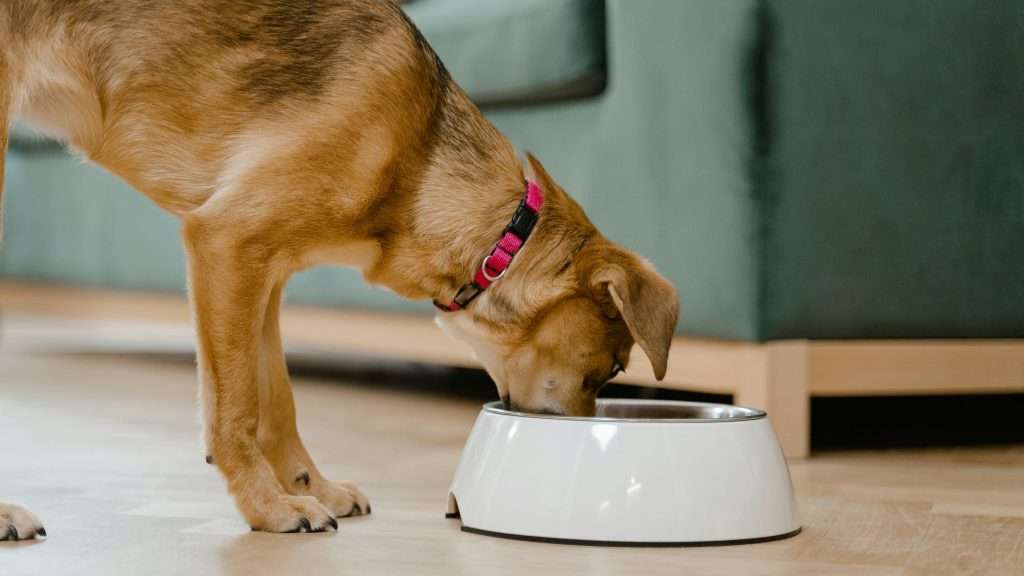
Water is the most important factor in how dogs stay cool. A dog must always have access to fresh, clean water. On hot days, water bowls should be refilled often. Signs of dehydration include dry gums, sunken eyes, and extreme lethargy. Preventing dehydration ensures that panting and other cooling methods remain effective.
Providing Shade and Cool Spaces
Dogs instinctively look for shade, but owners should ensure there is always a safe and cool place available. Indoors, fans or air conditioning help regulate temperature. Outdoors, shaded spots, dog houses with ventilation, or cooling mats can make a big difference. A cool resting area supports natural cooling behaviors and reduces stress.
Safe Exercise and Activity
Exercise is important for dogs, but timing matters. The best times for walks during summer are early in the morning or late in the evening when temperatures are lower. Pavements can become dangerously hot and burn a dog’s paws, so owners should test surfaces before walks. Adjusting activity levels is an essential part of how dogs stay cool with their owner’s guidance.
Cooling Products and Home Remedies
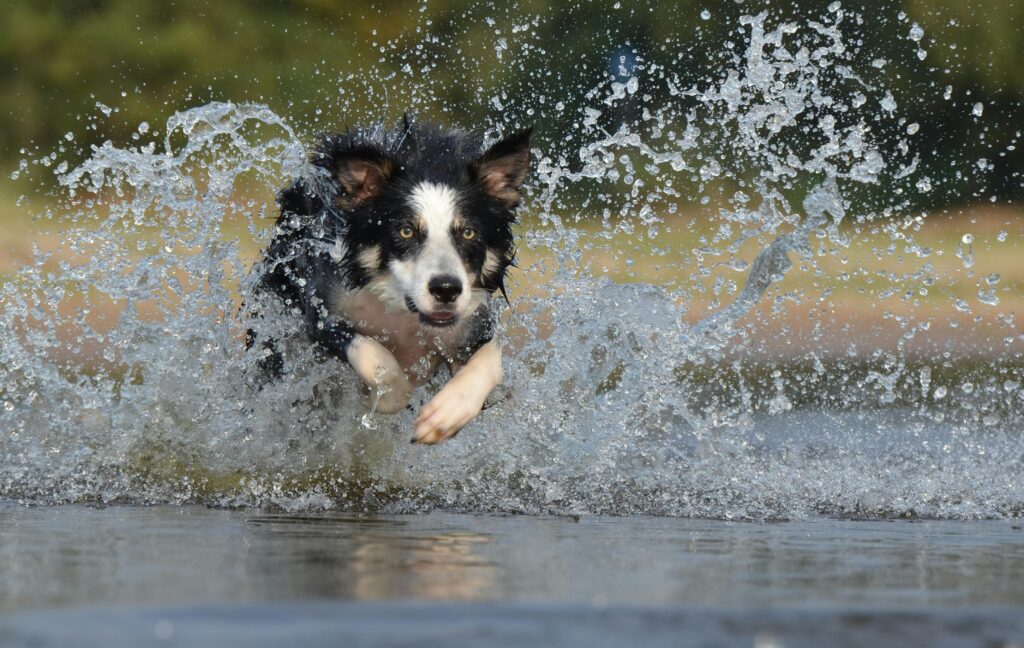
Modern pet care offers many tools to support how dogs stay cool. Cooling vests, frozen dog treats, and damp towels placed on their body can all help regulate heat. Some owners also use small kiddie pools filled with shallow water for their dogs to splash around in. These solutions make warm days more manageable and keep dogs comfortable.
Seasonal Tips for How Dogs Stay Cool
Seasonal changes affect a dog’s comfort, but summer is the most challenging. During warm months, never leave a dog in a parked car, even for a few minutes, as temperatures rise dangerously fast. Travel with dogs should involve regular breaks for hydration and shade. For dogs that love outdoor play, supervising them closely and providing frequent cooling opportunities is essential. By being proactive, owners play a direct role in how dogs stay cool all year round.
Wrapping Up
Dogs have unique biological and behavioral systems to manage heat, but they depend heavily on their owners for support. Panting, minimal sweating, ear circulation, and instinctive behaviors all contribute to how dogs stay cool, but these methods have limits. As responsible owners, we must provide water, shade, safe exercise, and cooling aids to help them cope with warm temperatures.
By learning and applying these practices, pet owners can ensure their companions remain safe and healthy even during the hottest days. Knowing how dogs stay cool is the first step toward protecting their well-being.
![Do’s and Don’ts While Dealing with an Anxious Dog [2024]](https://100dogbreeds.com/wp-content/uploads/2024/07/anxious-dog-featured-768x513.jpg)