Understanding and Preventing Hip Dysplasia in Dogs [2024]

Is your dog struggling to stand up or reluctant to play? It might be facing a hidden enemy: hip dysplasia. Hip Dysplasia in dogs affects an astounding 0 to 73.4% of dogs, depending on the breed. For owners of large dog breeds, understanding hip dysplasia isn’t just important—it’s crucial.
Hip dysplasia is a common and often debilitating condition that can significantly impact a dog’s quality of life and mobility. As responsible pet owners, recognizing the signs early and knowing how to prevent or manage this condition can make all the difference in our dog’s lives. Let’s dive into what you need to know about hip dysplasia in dogs, from causes and symptoms to prevention strategies and treatment options.

What is Hip Dysplasia in Dogs?
Hip dysplasia is a genetically influenced developmental disorder of the hip joint. In a healthy hip, the ball (femoral head) fits snugly into the socket (acetabulum), allowing for smooth, pain-free movement. However, in dogs with hip dysplasia, this joint doesn’t develop properly, leading to a loose fit or misalignment. Over time, this abnormal development can cause wear and tear on the joint, resulting in pain, inflammation, and decreased mobility.
Causes of Hip Dysplasia in Dogs
The development of hip dysplasia is influenced by both genetic and environmental factors:
Genetic Factors
Hip dysplasia has a strong genetic component. Certain breeds, particularly large and giant breeds like German Shepherds, Labrador Retrievers, Golden Retrievers, and Saint Bernards, are more predisposed to this condition. However, it’s important to note that even small breeds can be affected.
Environmental Factors
While genetics play a significant role, environmental factors can also contribute to the development or severity of hip dysplasia:
- Rapid Growth: Puppies of large breeds that grow too quickly may be at higher risk.
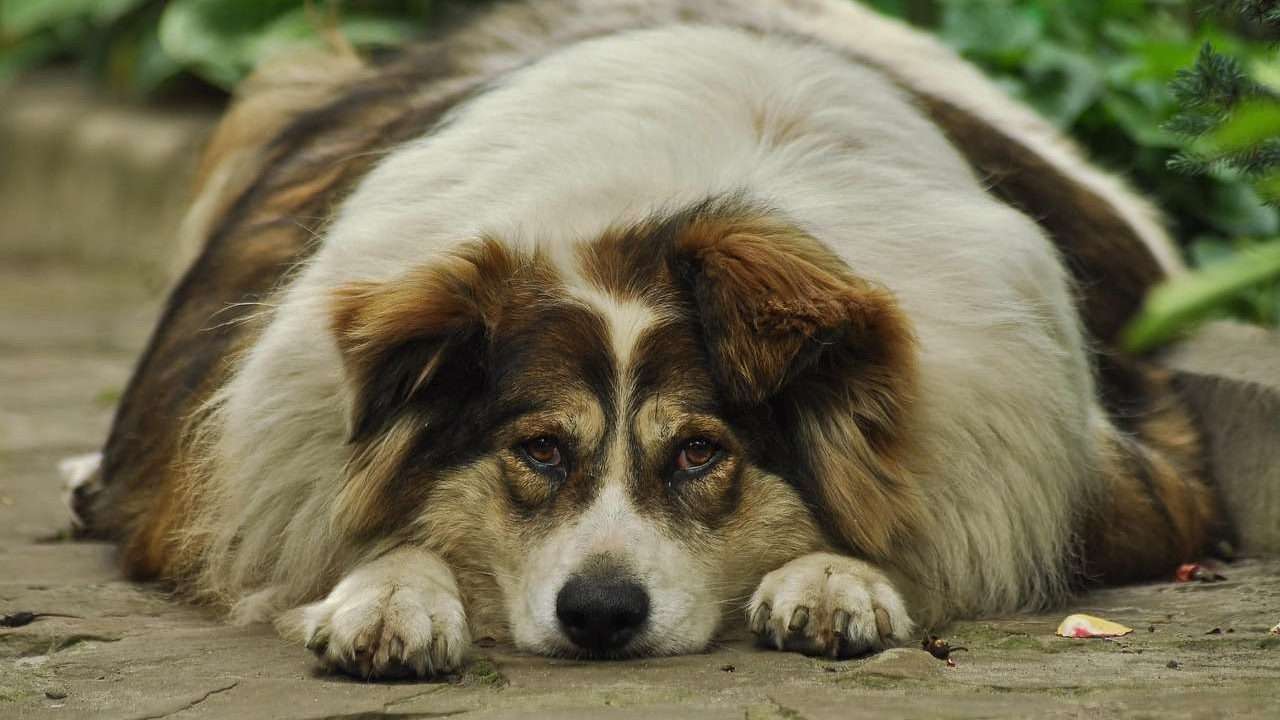
- Nutrition: Overfeeding and imbalanced diets can contribute to excessive growth and weight gain, putting stress on developing joints.
- Exercise: Both too much high-impact exercise and lack of exercise can affect joint development.
Symptoms of Hip Dysplasia in Dogs
The signs of hip dysplasia can vary depending on the severity of the condition and the age of the dog. Common symptoms include:
- Decreased activity or reluctance to exercise
- Difficulty rising, jumping, or climbing stairs
- “Bunny hopping” gait when running
- Lameness in the hind legs
- Stiffness or limping, especially after rest
- Visible enlargement of shoulder muscles as they compensate for hind end weakness
- Pain when the hip joint is manipulated
Diagnosis of Hip Dysplasia in Dogs
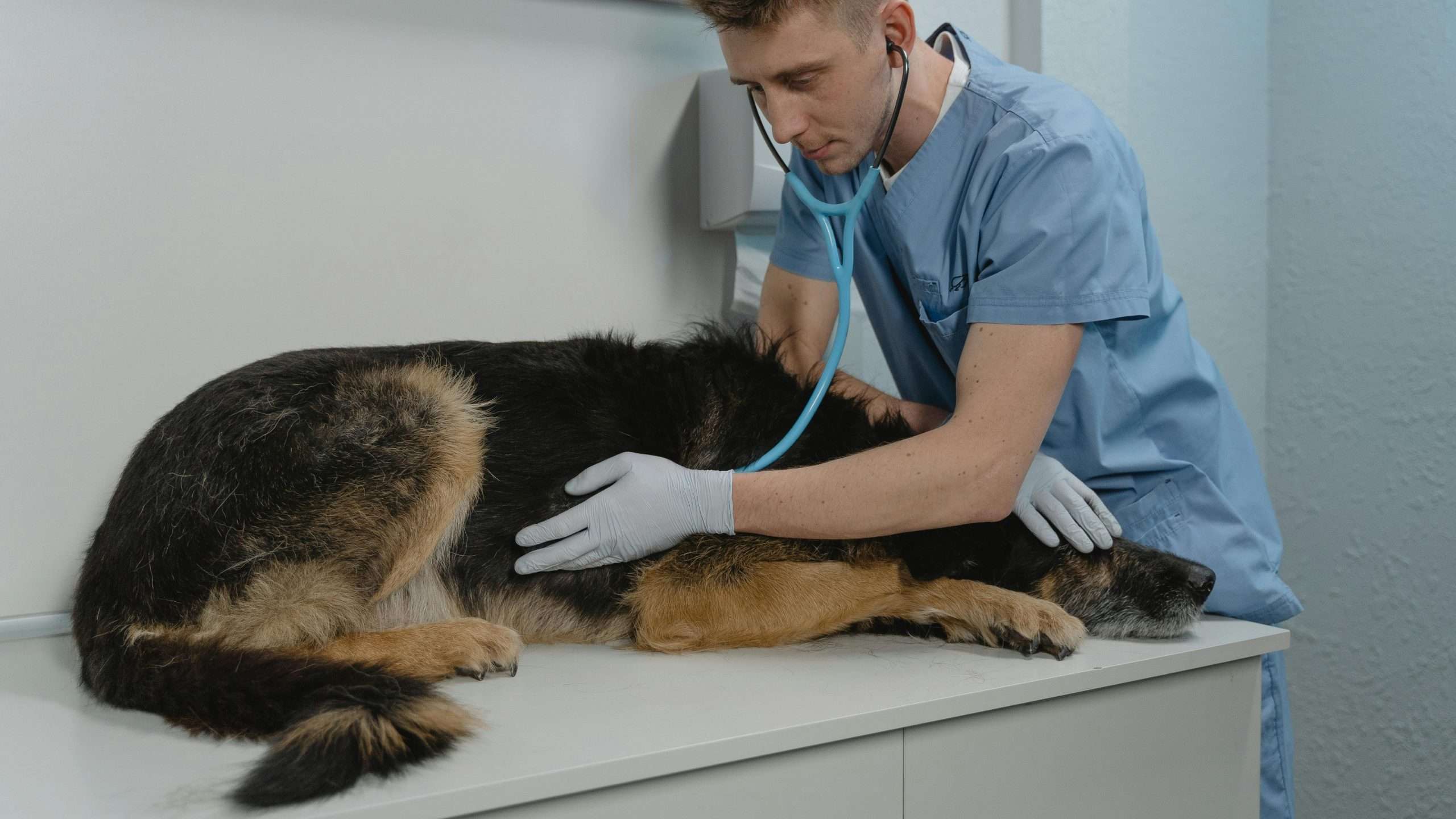
If you suspect your dog may have hip dysplasia, a veterinary examination is essential. The diagnosis typically involves:
- Physical Examination: The vet will assess your dog’s gait, muscle mass, and range of motion in the hips.
- X-rays: Radiographs are crucial for confirming the diagnosis and assessing the severity of the condition.
- Other Imaging: In some cases, more advanced imaging like CT scans or MRIs might be recommended.
Related reads:
Bacterial Infections in Dogs – Different Types and Treatment
Treatment Options for Hip Dysplasia in Dogs
The treatment for hip dysplasia depends on the severity of the condition and the age of the dog. Options include:
Non-surgical Treatments
- Weight Management: Maintaining a healthy weight reduces stress on the joints.
- Exercise Modification: Low-impact activities like swimming can help maintain muscle mass without stressing the joints.
- Physical Therapy: Techniques like massage, hydrotherapy, and targeted exercises can improve muscle strength and joint mobility.
- Medications: Anti-inflammatory drugs and pain relievers can help manage discomfort.
Surgical Interventions
In severe cases or when conservative treatments aren’t effective, surgical options may be considered:
- Total Hip Replacement: This procedure involves replacing the entire hip joint with artificial components.
- Femoral Head Ostectomy: The head of the femur is removed, allowing scar tissue to form a “false joint.”
- Triple Pelvic Osteotomy: This surgery is typically performed on younger dogs to improve the fit of the hip joint.
Preventing Hip Dysplasia in Large Dog Breeds
While not all cases of hip dysplasia can be prevented, there are several strategies that can help reduce the risk or severity of the condition:
Responsible Breeding Practices
Breeders should have their breeding dogs screened for hip dysplasia and only breed dogs with good hip scores. Potential pet owners should ask for health clearances and hip scores of a puppy’s parents.
Proper Nutrition
Feeding a balanced diet appropriate for your dog’s age, size, and activity level is crucial. For large breed puppies, specially formulated foods that promote slow, steady growth can help reduce the risk of hip dysplasia.
Appropriate Exercise
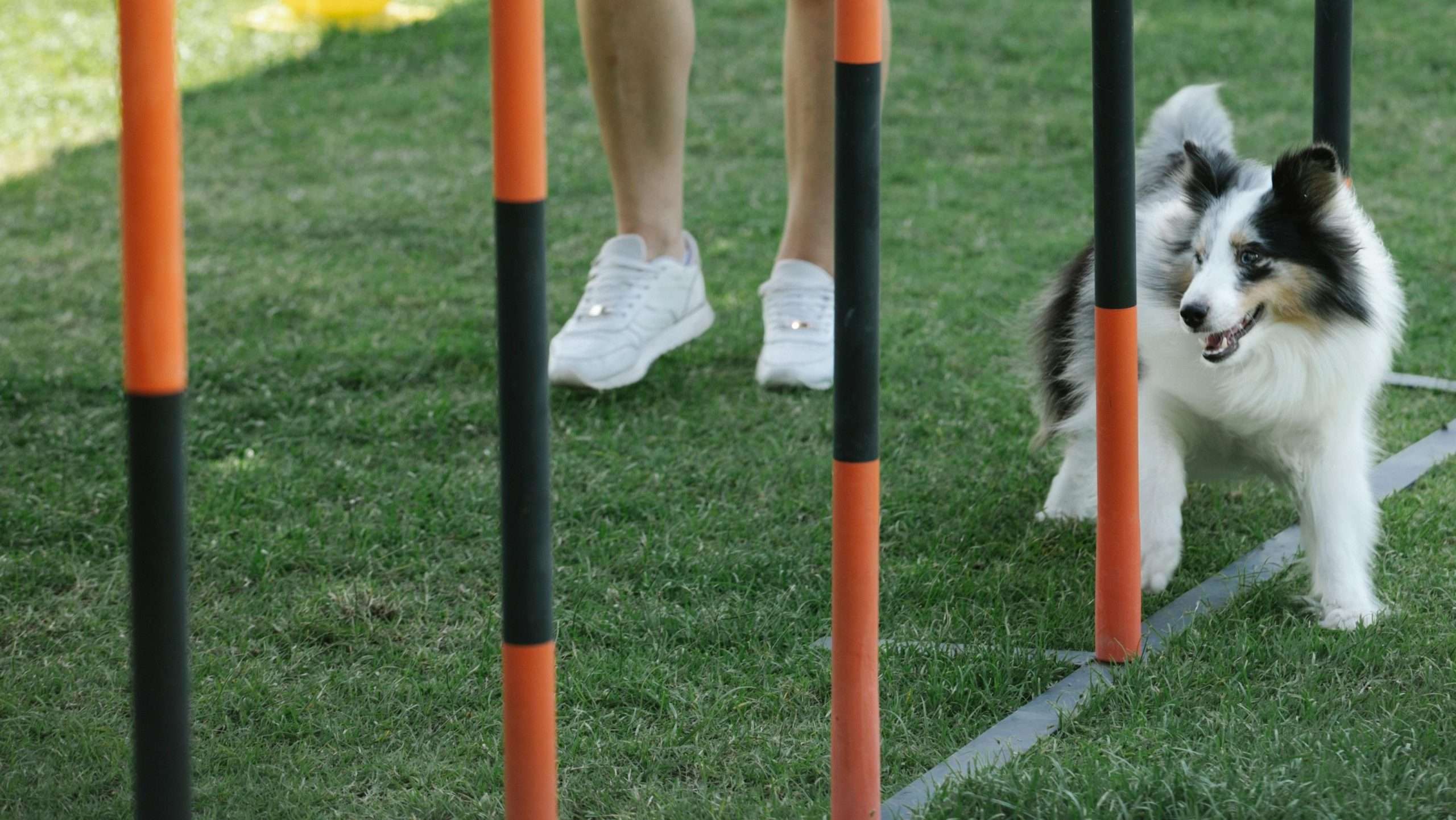
Regular, moderate exercise helps maintain a healthy weight and builds muscle to support the joints. However, avoid high-impact activities, especially in young, growing dogs.
Regular Veterinary Check-ups
Routine veterinary examinations can help catch potential issues early. Your vet can provide guidance on nutrition, exercise, and preventive care specific to your dog’s needs.
Living with a Dog with Hip Dysplasia
If your dog has been diagnosed with hip dysplasia, there are several ways to improve their comfort and quality of life:
- Home Modifications: Non-slip flooring, ramps, and raised food and water bowls can make daily activities easier.
- Pain Management: Work with your vet to develop a pain management plan, which may include medications, supplements, or alternative therapies like acupuncture.
- Weight Management: Keeping your dog at a healthy weight is crucial for managing hip dysplasia.
- Regular, Gentle Exercise: Low-impact activities help maintain muscle mass and joint mobility.
Saying Goodbye!
Hip dysplasia is a complex condition that can significantly impact a dog’s well-being. While it’s more common in large breeds, any dog can potentially be affected. Understanding the risk factors, recognizing the signs, and taking preventive measures can help reduce the likelihood or severity of hip dysplasia. If you suspect your dog may have this condition, consult with your veterinarian promptly. With proper management and care, many dogs with hip dysplasia can lead comfortable, happy lives.
FAQs
Can small dogs get hip dysplasia?
While more common in large breeds, small dogs can also develop hip dysplasia.
At what age does hip dysplasia typically develop?
Hip dysplasia can manifest at any age, from puppyhood to senior years, depending on the severity and contributing factors.
Is hip dysplasia always painful for dogs?
Not always. Some dogs may not show signs of pain, especially in mild cases or early stages.
Can hip dysplasia be cured?
While there’s no cure, proper management can significantly improve a dog’s comfort and quality of life.
How can I tell if my dog has hip dysplasia or arthritis?
The symptoms can be similar. A veterinary examination and X-rays are necessary for an accurate diagnosis.
![Tips to Prevent Dehydration and Heat Stroke in Dogs [2024]](https://100dogbreeds.com/wp-content/uploads/2024/09/heat-stroke-in-dogs-768x512.jpg)