Hidden Dental Pain in Pets: How to Spot It Before It Gets Serious


Pets are experts at hiding discomfort. They eat, play, and follow routines even when something is wrong. This instinct often works against them, especially when it comes to oral health. Dental problems are among the most overlooked health issues in pets, mainly because the pain is not always obvious. Hidden dental pain can progress quietly for months, sometimes years, before clear symptoms appear. By the time many pet parents notice a problem, the condition is already advanced.
Understanding how dental pain hides, what subtle signs to watch for, and when to seek help can make a real difference to your pet’s comfort and long term health.

What Is Hidden Dental Pain in Pets?
Hidden dental pain refers to oral discomfort that does not show up in clear or dramatic ways. Unlike limping or visible wounds, dental pain often develops below the gumline. Infections, inflammation, and tooth damage can worsen without obvious external signs.
Pets may continue eating normally, wag their tails, or act playful even while experiencing significant pain in their mouth. This does not mean the pain is mild. It simply means animals are wired to mask vulnerability.
Dental pain can come from several sources such as gum disease, fractured teeth, infections, abscesses, or tooth root damage. Many of these problems cannot be seen just by lifting your pet’s lip, which is why hidden dental pain is so easy to miss.
Related reads:
Root Canal for Dogs: Does My Dog Need a Root Canal?
Why Pets Hide Dental Pain So Well
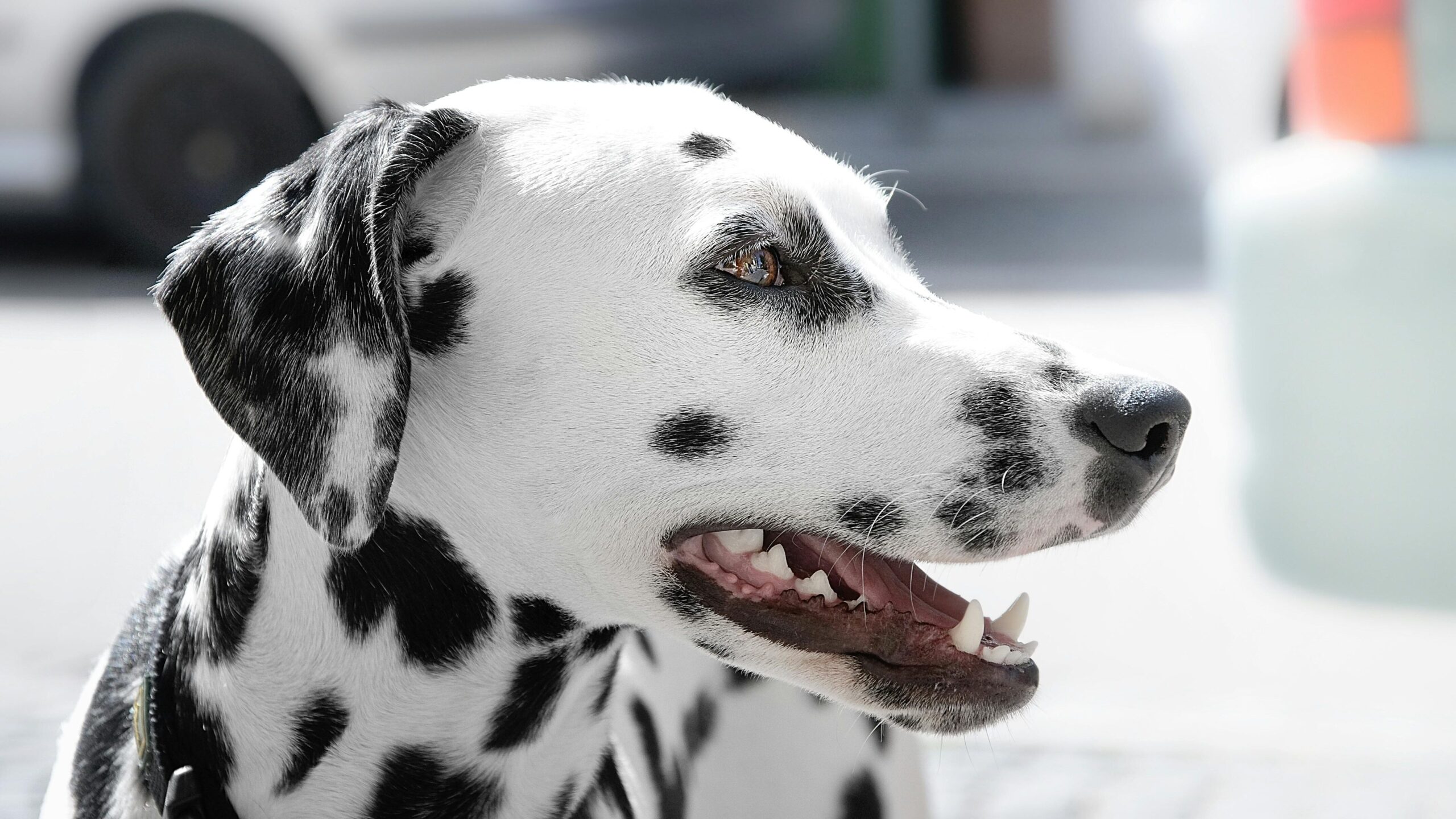
Animals evolved to hide pain as a survival mechanism. Showing weakness in the wild could make them a target. Even domestic pets still carry this instinct.
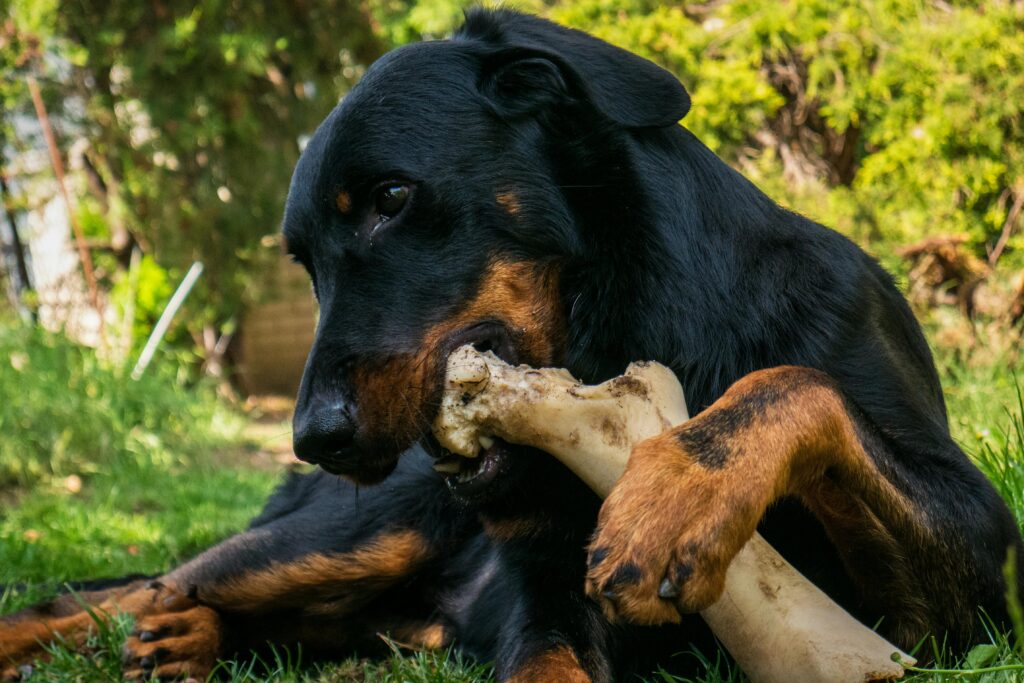
Dogs and cats also adapt quickly to discomfort. If chewing hurts on one side, they may shift food to the other side. If dry food causes pain, they may swallow without chewing properly. These adjustments allow them to cope, but they also disguise the underlying issue.
Another reason hidden dental pain goes unnoticed is that pet parents often associate dental problems only with bad breath or visible tartar. In reality, serious dental disease can exist even when teeth look relatively normal.
Early Signs of Hidden Dental Pain You Might Overlook
Dental pain rarely announces itself loudly. Instead, it shows up through small changes that are easy to dismiss.
Subtle Changes in Eating Behavior
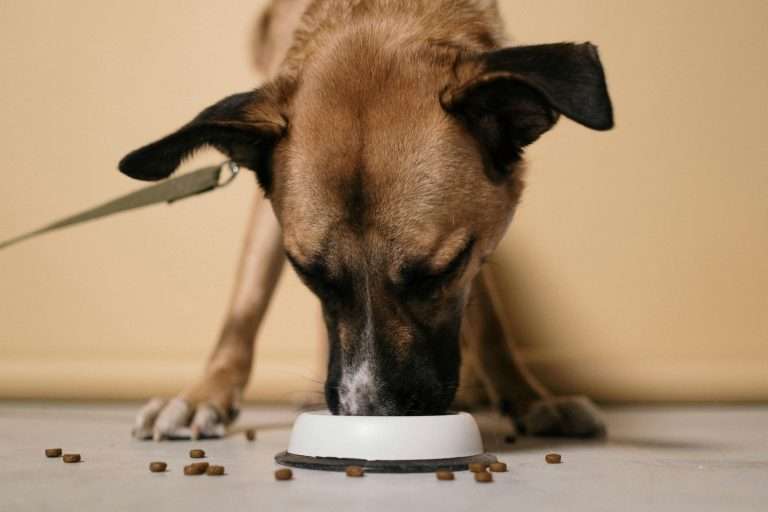
One of the earliest signs of hidden dental pain is a change in how your pet eats, not whether they eat. Your pet may chew more slowly, drop food from their mouth, or favor one side while chewing. Some pets start soaking kibble in water using their saliva, while others swallow food whole.
These changes often happen gradually, making them easy to miss unless you are paying close attention.
Persistent Bad Breath That Does Not Improve
Occasional bad breath is common, but persistent foul odor is not normal. Strong or worsening bad breath often points to bacterial buildup beneath the gums. This is a common sign of hidden dental pain, especially when there are no visible sores or broken teeth.
Excessive Drooling or Thick Saliva
An increase in drooling, especially when paired with thick or stringy saliva, can indicate oral discomfort. In some cases, saliva may be slightly blood tinged. This often suggests gum inflammation or infection associated with hidden dental pain.
Pawing at the Mouth or Rubbing the Face
Pets experiencing dental pain may paw at their mouth, rub their face on furniture, or resist having their head touched. These behaviors are sometimes mistaken for itching or allergies, but they are often linked to oral discomfort.
Red, Swollen, or Bleeding Gums
Healthy gums should be firm and pink. Redness, swelling, or bleeding are signs of inflammation. Even mild gum changes can signal hidden dental pain, especially when they persist over time.
Loose, Broken, or Missing Teeth
Loose or damaged teeth are not just cosmetic issues. They are often painful and may indicate deeper problems like infection or bone loss. Sometimes a tooth falls out quietly, leaving behind ongoing hidden dental pain beneath the surface.
Facial Swelling or Asymmetry
Swelling around the jaw, under the eye, or along the muzzle can indicate a tooth root infection or abscess. These issues are usually painful and require prompt veterinary care.
Behavioral and Mood Changes
Dental pain affects more than just the mouth. Pets dealing with hidden dental pain may become irritable, withdrawn, or less playful. Some pets sleep more, avoid toys they once loved, or resist being handled.
How Hidden Dental Pain Affects Overall Health
Dental disease does not stay confined to the mouth. Bacteria from infected gums can enter the bloodstream and affect other organs. Over time, untreated hidden dental pain can contribute to heart, liver, and kidney problems.
Chronic pain also impacts a pet’s quality of life. Pets may eat less efficiently, leading to weight loss or digestive issues. Pain can increase stress levels, weaken immunity, and reduce overall vitality.
This is why dental health should never be treated as optional or cosmetic.
Checking for Hidden Dental Pain at Home
While home checks cannot replace professional exams, they can help you catch early warning signs.
Start by observing your pet’s daily habits. Pay attention to how they eat, chew, and behave during meals. Occasionally lift their lip to check the gums and visible teeth, but never force their mouth open.
Look for redness, swelling, unusual odor, or visible damage. Gently touch around the jaw and muzzle to see if your pet reacts with discomfort. Any sign of pain, resistance, or change should be taken seriously.
Even if everything looks normal, remember that hidden dental pain often exists below the gumline where you cannot see it.
Why Veterinary Exams Are Essential
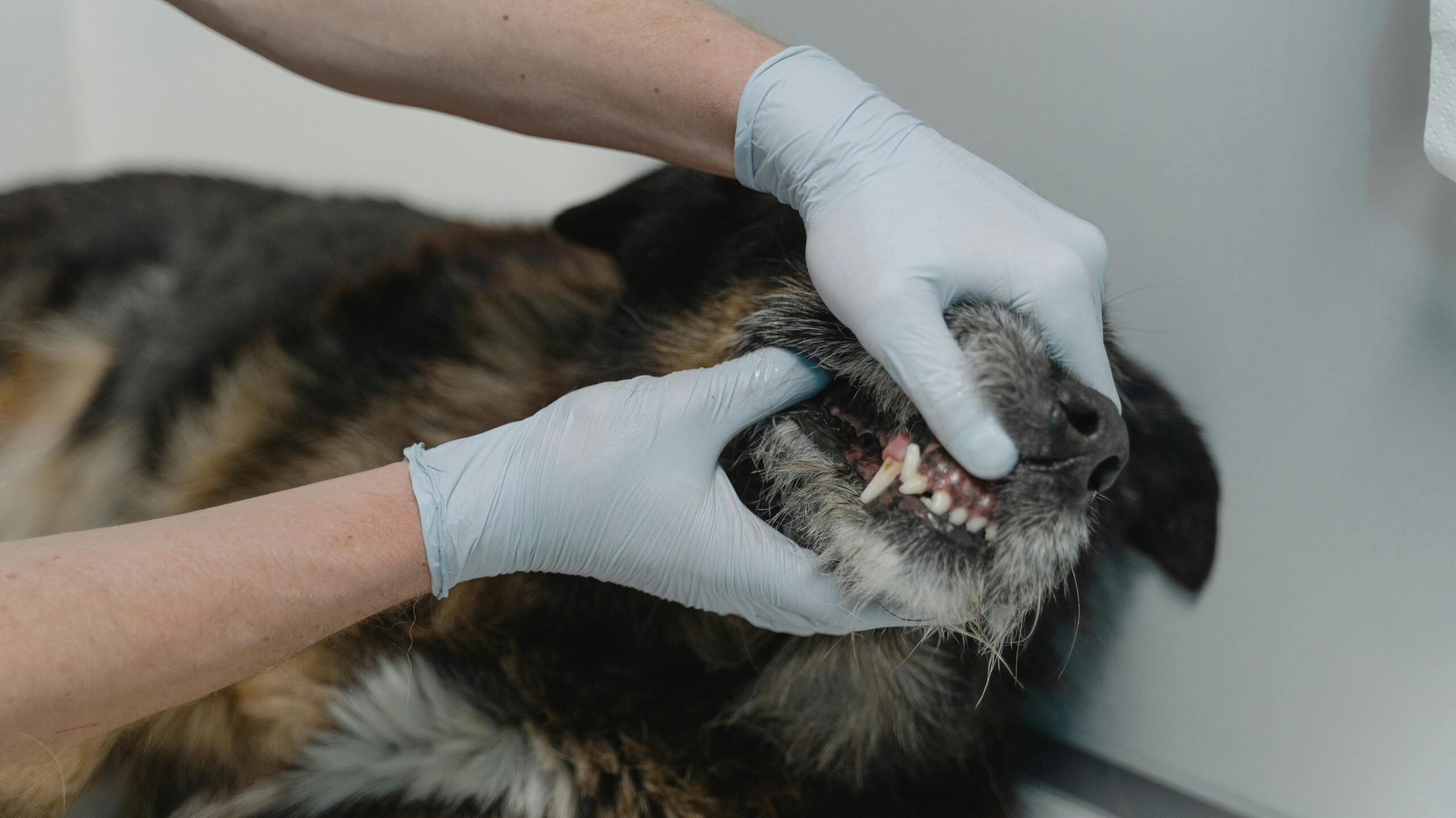
Veterinarians are trained to detect subtle signs of dental disease that pet parents may miss. A professional oral exam evaluates gum health, tooth stability, and signs of infection.
In many cases, dental X rays are necessary to uncover hidden dental pain. These images reveal issues like tooth root abscesses, bone loss, and infections that are invisible from the surface. It is common for pets to have severe dental disease beneath gums that appear only mildly inflamed.
Regular dental checkups allow problems to be identified and treated early, before pain becomes severe.
The Risks of Ignoring Hidden Dental Pain
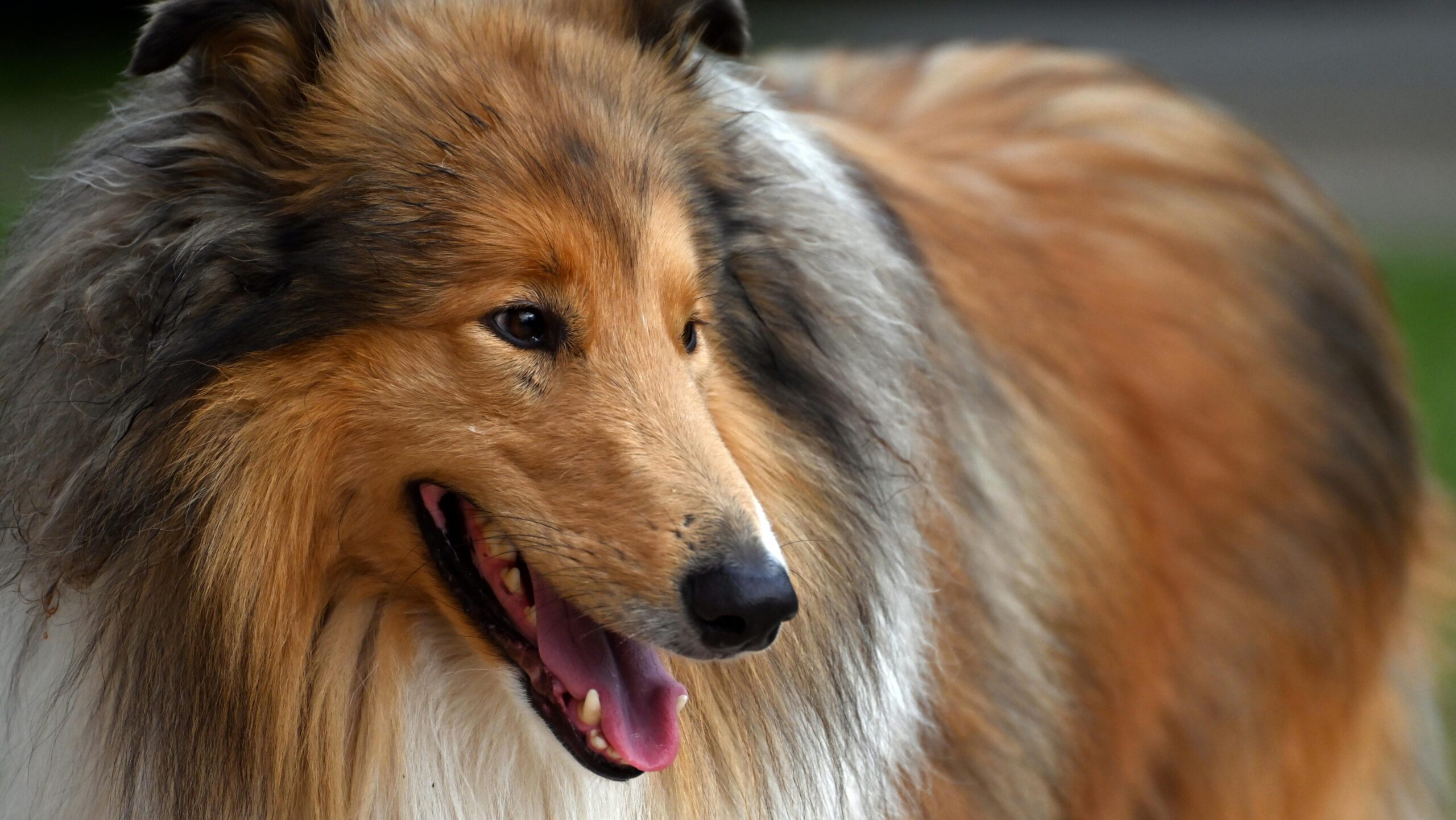
Ignoring dental pain does not make it go away. It allows the condition to worsen silently. Infections can spread, teeth can deteriorate, and pain can intensify.
Advanced dental disease often requires more invasive treatment, including extractions. These procedures could have been avoided or minimized with earlier intervention.
More importantly, living with untreated hidden dental pain affects your pet’s happiness. Pets may not cry or complain, but they still suffer. Preventing that suffering is part of responsible pet care.
Saying Goodbye
Dental pain in pets is often silent, subtle, and easy to overlook. Hidden dental pain does not always come with obvious warning signs, but it leaves clues in behavior, habits, and small physical changes.
Paying attention to these signals, maintaining regular dental care, and scheduling routine veterinary checkups can protect your pet from unnecessary pain. Oral health is not just about teeth. It is about comfort, longevity, and quality of life.