Gluten Intolerance in Dogs: Signs, Causes & Care Guide

Is your dog constantly scratching, dealing with mysterious digestive issues, or losing weight despite a healthy appetite? You might be surprised to learn that the culprit could be hiding in their daily kibble. While relatively uncommon, gluten intolerance in dogs affects a significant portion of our furry friends, with research indicating that among all canine allergies, 1 in 10 cases stems from food sensitivities, including gluten intolerance. This often-overlooked condition can silently impact your pet’s health, making it crucial for every dog owner to understand its signs and solutions.
In this article, let’s cover everything you need to know about gluten intolerance in dogs – the signs, causes and care guide.

Understanding Gluten and Dogs’ Gluten Sensitivity
Gluten is a protein naturally found in various grains, including wheat, barley, and rye. While most dogs can digest gluten without issues, some develop what’s known as gluten sensitivity or gluten intolerance. This condition affects approximately 10% of dogs with food allergies, making it important for pet owners to recognize its signs and symptoms.
Common sources of gluten in dog food include:
- Commercial dry kibble
- Many popular dog treats
- Table scraps containing bread or pasta
- Some medications and supplements
- Certain processed dog chews
Gluten Intolerance vs. Celiac Disease
It’s important to note that gluten intolerance in dogs differs from celiac disease. While celiac disease is an autoimmune condition that attacks the small intestine, gluten sensitivity is an adverse reaction to gluten that doesn’t involve an autoimmune response. This distinction is crucial for proper diagnosis and treatment. Some breeds, like Irish Setters, show a higher predisposition to gluten-related issues.
Signs and Symptoms of Gluten Intolerance in Dogs

Digestive Issues
Dogs with gluten intolerance often show various digestive symptoms:
- Chronic diarrhea or loose stools with mucus
- Vomiting, especially within 2-3 hours after meals
- Excessive gas and bloating that causes visible discomfort
- Unexplained weight loss despite normal or increased eating habits
- Changes in appetite (either increased or decreased)
- Gurgling stomach sounds
- Frequent bowel movements
Skin and Coat Problems
Gluten-sensitive dogs frequently experience:
- Poor coat condition with dull, lifeless fur
- Excessive shedding even outside normal shedding seasons
- Dry, flaky skin that becomes increasingly irritated
- Recurring hot spots that don’t respond to typical treatments
- Red, inflamed paw pads that may crack or bleed
- Chronic ear infections with dark, waxy buildup
- Skin rashes or hives
- Oily or greasy coat texture
Behavioral Changes
Watch for these behavioral indicators of gluten intolerance:
- Increased scratching and paw licking, especially after meals
- Restlessness or discomfort after eating
- Lethargy or decreased energy levels
- Changes in appetite or being overly picky with food
- Irritability or changes in temperament
- Excessive water consumption
- Frequent attempts to eat grass
Diagnosing Gluten Intolerance in Dogs
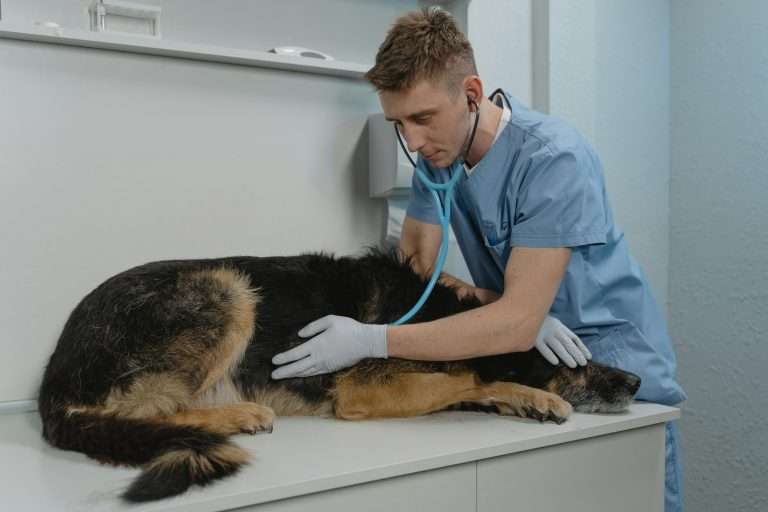
Professional Veterinary Assessment
Your veterinarian may recommend:
- Comprehensive physical examination
- Blood tests to check for nutritional deficiencies
- Complete blood count to rule out other conditions
- Fecal sample analysis for parasites or bacterial issues
- Skin tests if dermatological symptoms are present
- Endoscopy in severe cases
- Allergy testing panels
Elimination Diet Trial
The most effective way to diagnose gluten intolerance is through a carefully monitored elimination diet:
- Remove all gluten-containing foods from your dog’s diet for 8-12 weeks
- Keep a detailed diary of symptoms and improvements
- Document any changes in behavior or health
- Reintroduce gluten gradually to confirm diagnosis
- Note any recurring symptoms within 24-48 hours of reintroduction
Related reads:
Safe Human Foods for Dogs: Know What You Can Share
Treatment and Management of Gluten Intolerance
Dietary Changes
The primary treatment for gluten-sensitive dogs involves:
- Switching to certified gluten-free dog food
- Reading ingredient labels with extra care
- Avoiding treats containing wheat, barley, or rye
- Understanding hidden sources of gluten
- Implementing a rotation diet if recommended
- Regular monitoring of nutritional adequacy
Safe Food Options
Recommended ingredients for gluten-intolerant dogs include:
- High-quality rice and rice products
- Certified gluten-free quinoa
- White and sweet potatoes
- Fresh, lean meats without marinades
- Pure protein sources
- Fresh vegetables and fruits
- Legumes (if tolerated)
Transitioning to a New Diet
When switching to a gluten-free diet:
- Make the transition gradually over 7-14 days
- Start with 25% new food mixed with 75% old food
- Increase new food proportion every 2-3 days
- Monitor stool consistency and energy levels
- Keep detailed records of any reactions
- Have backup options ready if needed
Long-term Care and Prevention

Regular Monitoring
For dogs with gluten intolerance:
- Schedule quarterly veterinary check-ups
- Monitor weight and body condition monthly
- Watch for any return of symptoms
- Keep an ongoing food diary
- Track energy levels and behavior changes
- Regular blood work to check nutritional status
Living with a Gluten-Intolerant Dog
Success strategies include:
- Creating a support system with veterinarians and pet nutritionists
- Educating family members about dietary restrictions
- Preparing for emergencies with safe food options
- Having a backup plan for boarding or pet sitters
- Joining support groups for pet owners dealing with similar issues
Final Thoughts
Managing gluten intolerance in dogs requires dedication, attention to detail, and consistent monitoring. While the condition presents challenges, most dogs can lead healthy, happy lives with proper dietary management and care. Stay informed, work closely with your veterinary team, and remain patient during the adjustment period. Remember that every dog’s journey with gluten sensitivity is unique, and finding the right management strategy may take time.
Frequently Asked Questions About Gluten Intolerance in Dogs
Can puppies develop gluten intolerance?
Yes, puppies can develop gluten intolerance, although symptoms often emerge between 6 months and 3 years of age. It’s essential to monitor your puppy for any signs of digestive or skin issues as they grow. Early detection can lead to better management and a healthier life for your pet.
Is grain-free always gluten-free?
No, grain-free does not automatically mean gluten-free, as some grain-free products may still contain gluten from alternative sources. Always check ingredient labels carefully to ensure that the food is truly free of gluten. This vigilance is crucial for dogs with gluten sensitivity.
Will my dog need supplements on a gluten-free diet?
Possibly. Your veterinarian can recommend appropriate supplements based on your dog’s specific needs.
Can gluten intolerance resolve on its own?
No, gluten intolerance is a chronic condition that does not resolve on its own. However, with proper dietary management, symptoms can be effectively controlled. Adhering to a strict gluten-free diet is crucial for maintaining your dog’s health and well-being.

![Why Do Dogs Sleep So Much? [2024]](https://100dogbreeds.com/wp-content/uploads/2024/10/dog-sleep-featured-2-1-768x432.jpg)