The Ultimate First Time Dog Owner Checklist [2024]


Are you feeling overwhelmed at the thought of bringing home your first dog? You’re not alone. With pet ownership skyrocketing to 66% of U.S. households in 2024, millions of Americans are embarking on the thrilling—yet daunting—journey of first time dog ownership. But here’s the million-dollar question: are you truly prepared for the wagging tails, wet noses, and the whirlwind of responsibilities that come with it?
Fear not, aspiring dog parents! This comprehensive checklist for new dog owners is your secret weapon. From must-have supplies to crucial health tips, we’ve got you covered. Ready to transform from a nervous newbie to a confident canine companion? Let’s cover the ultimate first time dog owner checklist to make you a confident pet parent!

Before Bringing Your Dog Home
Research and Choose the Right Dog Breed
Before adopting or purchasing a dog, it’s crucial to research different breeds and their characteristics. Consider factors such as:
- Size
- Energy level
- Grooming needs
- Temperament
- Potential health issues
This research will help you choose a dog that fits well with your lifestyle and living situation.
Prepare Your Home and Yard
Dog-proofing your home is essential for your new pet’s safety. Here’s a quick checklist:
- Remove or secure toxic plants
- Hide electrical cords
- Store chemicals and medications out of reach
- Secure trash cans
- Remove small objects that could be choking hazards
If you have a yard, ensure it’s properly fenced to keep your dog safe.
Create a Dedicated “Dog Zone”
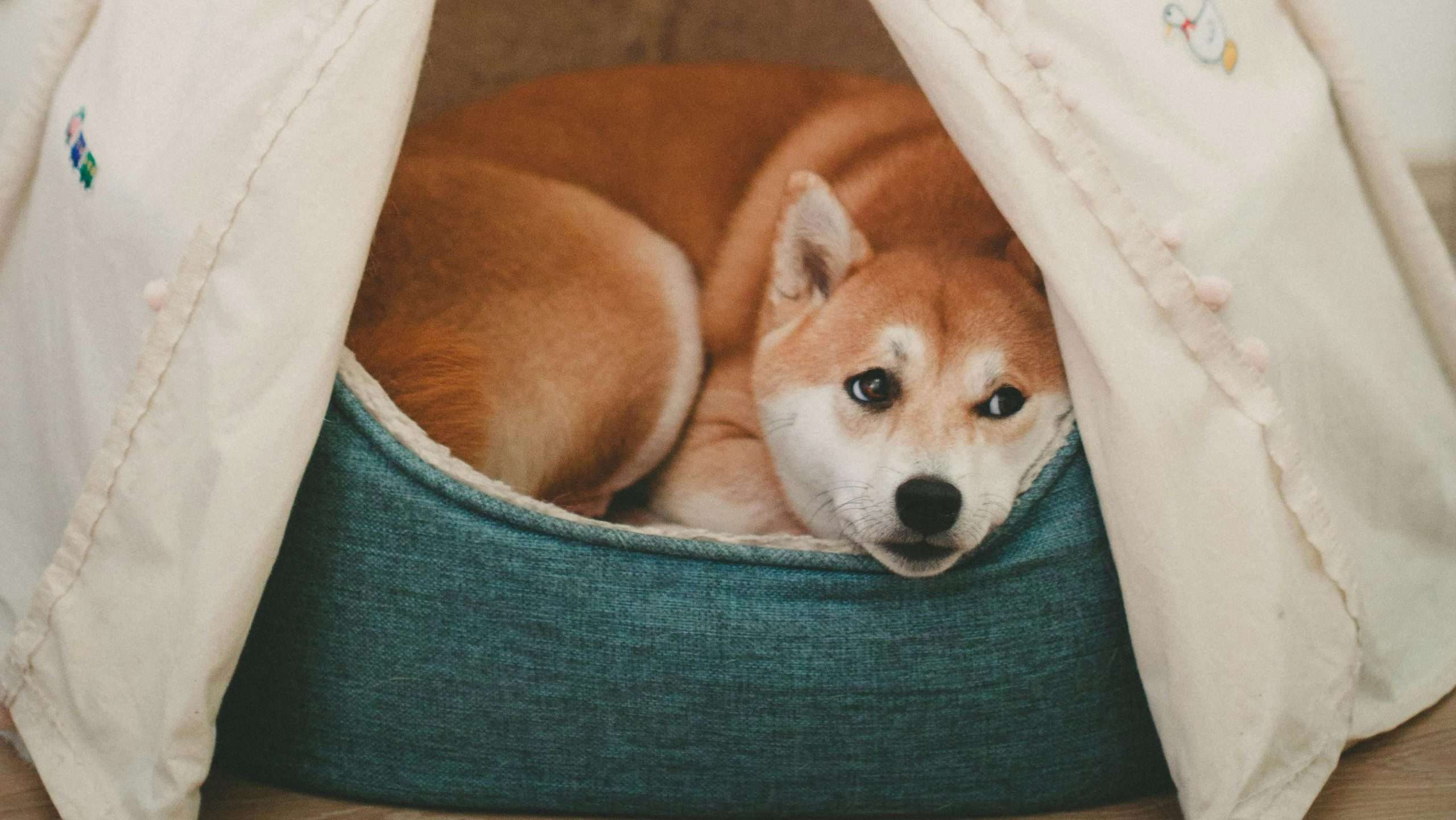
Set up a comfortable area in your home specifically for your new dog. This space should include:
- A crate or bed
- Food and water bowls
- Toys
- A baby gate (if needed)
First Time Dog Owner Checklist: Essential Supplies to Buy
Here’s a list of must-have items for your new dog:
- Collar and ID tag
- Leash
- Food and water bowls
- High-quality dog food
- Treats for training
- Chew toys and interactive toys
- Dog bed or crate
- Grooming supplies (brush, nail clippers, shampoo)
- Poop bags and cleaning supplies
Health and Wellness
Find a Reputable Veterinarian
Research and choose a veterinarian before bringing your dog home. Ask for recommendations from friends, family, or local pet owners. Schedule a meet-and-greet to ensure you’re comfortable with the vet and their practice.
Schedule Initial Health Check-up
Book an appointment for your dog’s first check-up within a week of bringing them home. This visit will help establish a baseline for your dog’s health and address any immediate concerns.
Vaccinations and Preventive Care
Work with your vet to create a vaccination schedule and discuss preventive care options, including:
- Core vaccinations
- Flea and tick prevention
- Heartworm prevention
- Deworming
First Time Dog Owner Checklist: Health Essentials
- Vet contact information
- Pet first aid kit
- Vaccination records
- Flea, tick, and heartworm preventatives
Nutrition and Feeding

Choose the Right Dog Food
Consult with your veterinarian to select an appropriate diet for your dog based on their age, size, and health needs. Consider factors such as:
- Dry kibble vs. wet food
- Puppy, adult, or senior formulas
- Any specific dietary requirements
Related reads:
Safe Human Foods for Dogs: Know What You Can Share
Establish a Feeding Schedule
Create a consistent feeding routine for your dog. Most adult dogs do well with two meals a day, while puppies may require more frequent feeding.
First Time Dog Owner Checklist: Feeding Supplies
- High-quality dog food
- Stainless steel or ceramic food and water bowls
- Measuring cup for portioning
- Treats for training and rewards
Training and Socialization
Basic Obedience Training
Start training your dog as soon as possible. Focus on essential commands such as:
- Sit
- Stay
- Come
- Leave it
- Walk nicely on a leash
Consider enrolling in a puppy training class or working with a professional dog trainer for guidance.
House Training
For puppies or adult dogs that aren’t house trained, establish a consistent routine for potty breaks. Be patient and use positive reinforcement to encourage good habits.
Socialization Tips
Expose your dog to various people, animals, and environments to help them become well-adjusted. Socialization is especially crucial for puppies during their first few months of life.
First Time Dog Owner Checklist: Training Tools
- Treats for positive reinforcement
- Clicker (if using clicker training)
- Training pads for house training puppies
- Long leash for recall training
Exercise and Play
Understanding Exercise Needs
Different dog breeds have varying exercise requirements. Ensure you can provide adequate physical activity for your dog’s breed and age. This may include:
- Daily walks
- Playtime in the yard
- Visits to the dog park
- Interactive games
Choosing Appropriate Toys
Select a variety of toys to keep your dog mentally and physically stimulated. Options include:
- Chew toys
- Puzzle toys
- Fetch toys
- Plush toys
First Time Dog Owner Checklist: Exercise and Play Items
- Leash and harness
- Variety of toys
- Portable water bowl for outings
- Ball launcher or frisbee
Grooming and Hygiene
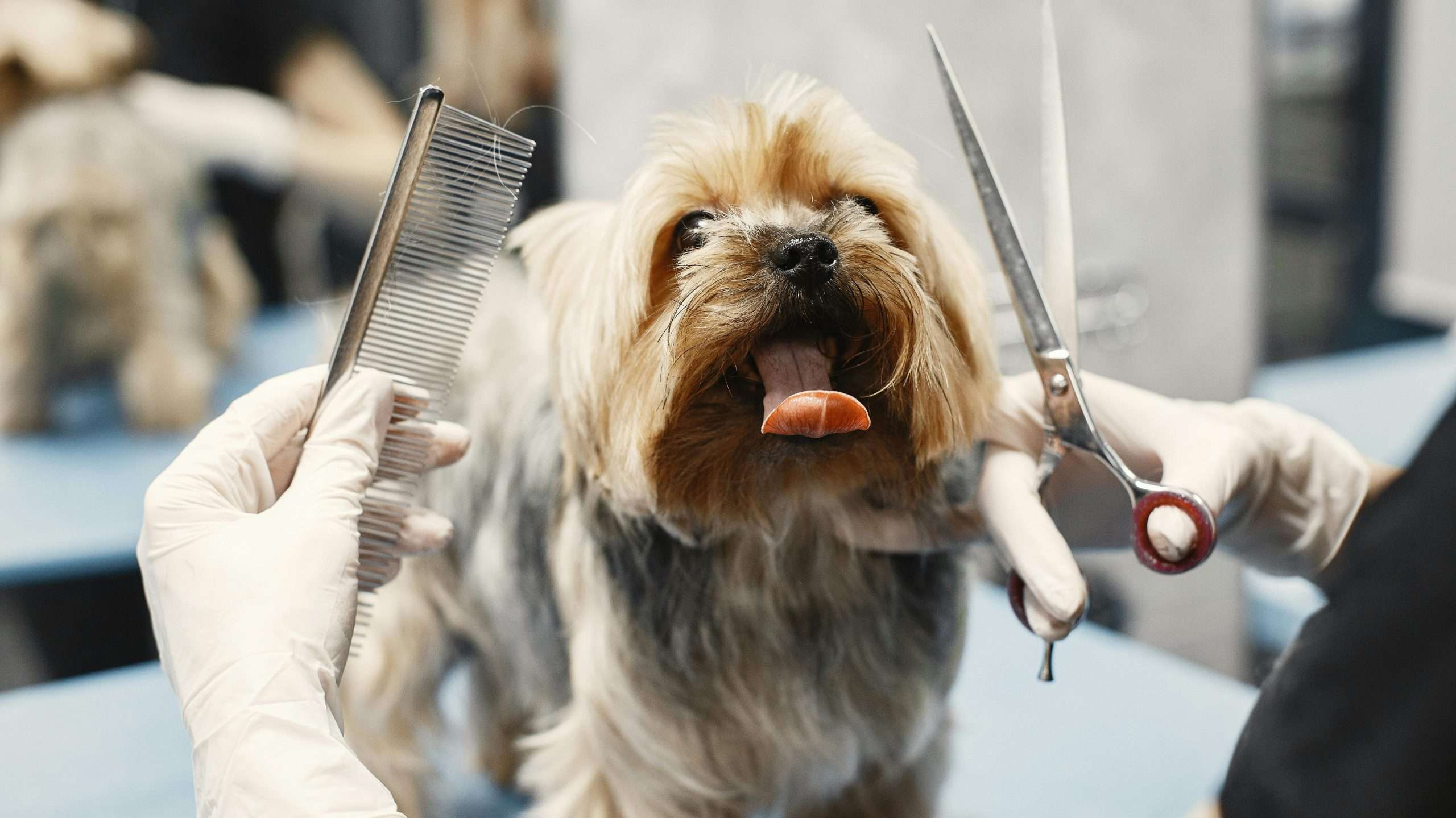
Establish a Grooming Routine
Regular grooming is essential for your dog’s health and comfort. Depending on your dog’s coat type, this may include:
- Brushing
- Bathing
- Nail trimming
- Ear cleaning
Dental Care
Dental hygiene is often overlooked but crucial for your dog’s overall health. Introduce tooth brushing gradually and consider dental chews or toys to help maintain oral health.
First Time Dog Owner Checklist: Grooming Supplies
- Dog-specific shampoo
- Brush or comb appropriate for your dog’s coat
- Nail clippers or grinder
- Toothbrush and dog-safe toothpaste
- Ear cleaner
Safety and Protection

Microchipping and Identification
Ensure your dog always wears a collar with ID tags containing your contact information. Consider microchipping as an additional form of identification in case your dog ever gets lost.
Pet Insurance Options
Research and consider purchasing pet insurance to help cover unexpected veterinary costs. Compare different plans and providers to find the best fit for your needs.
First Time Dog Owner Checklist: Safety Essentials
- Collar with ID tags
- Microchip information
- Pet insurance policy (if chosen)
- List of emergency contact numbers
Building a Routine
Creating a Daily Schedule
Establish a consistent daily routine for your dog, including:
- Feeding times
- Walks and exercise
- Playtime
- Training sessions
- Rest periods
Balancing Attention and Alone Time
While it’s important to bond with your new dog, also teach them to be comfortable when alone. Gradually increase the time they spend by themselves to prevent separation anxiety.
Happy Pet Parenting!
Becoming a first time dog owner is a rewarding experience that requires preparation and commitment. By following this comprehensive checklist for new dog owners, you’ll be well-equipped to provide a loving and nurturing home for your new canine companion. Remember, every dog is unique, so be patient and flexible as you both adjust to your new life together.
FAQs
How often should I take my new dog to the vet?
Puppies typically need monthly check-ups for vaccinations, while adult dogs should have annual wellness exams. Always consult your veterinarian for a personalized care schedule.
How long does it take to house train a puppy?
House training can take anywhere from a few weeks to several months, depending on the individual puppy and consistency of training.
What should I do if my dog shows signs of aggression or fear?
Consult with a professional dog trainer or behaviorist to address these issues early on. Never punish your dog for showing fear, as this can worsen the problem.
How much exercise does my dog need daily?
Exercise needs vary by breed, age, and individual dog. Generally, most dogs benefit from at least 30 minutes to 2 hours of activity per day, split into multiple sessions.
When should I start training my new dog?
Start basic training and socialization as soon as you bring your new dog home. For puppies, enroll in a puppy class once they’ve received their initial vaccinations.


![Why Does My Dog Stare At Me? 3 Common Reasons [With Tips]](https://100dogbreeds.com/wp-content/uploads/2024/11/dog-stare-featured-768x512.jpg)