Dog Vaccinations: Everything You Need to Know [2024]

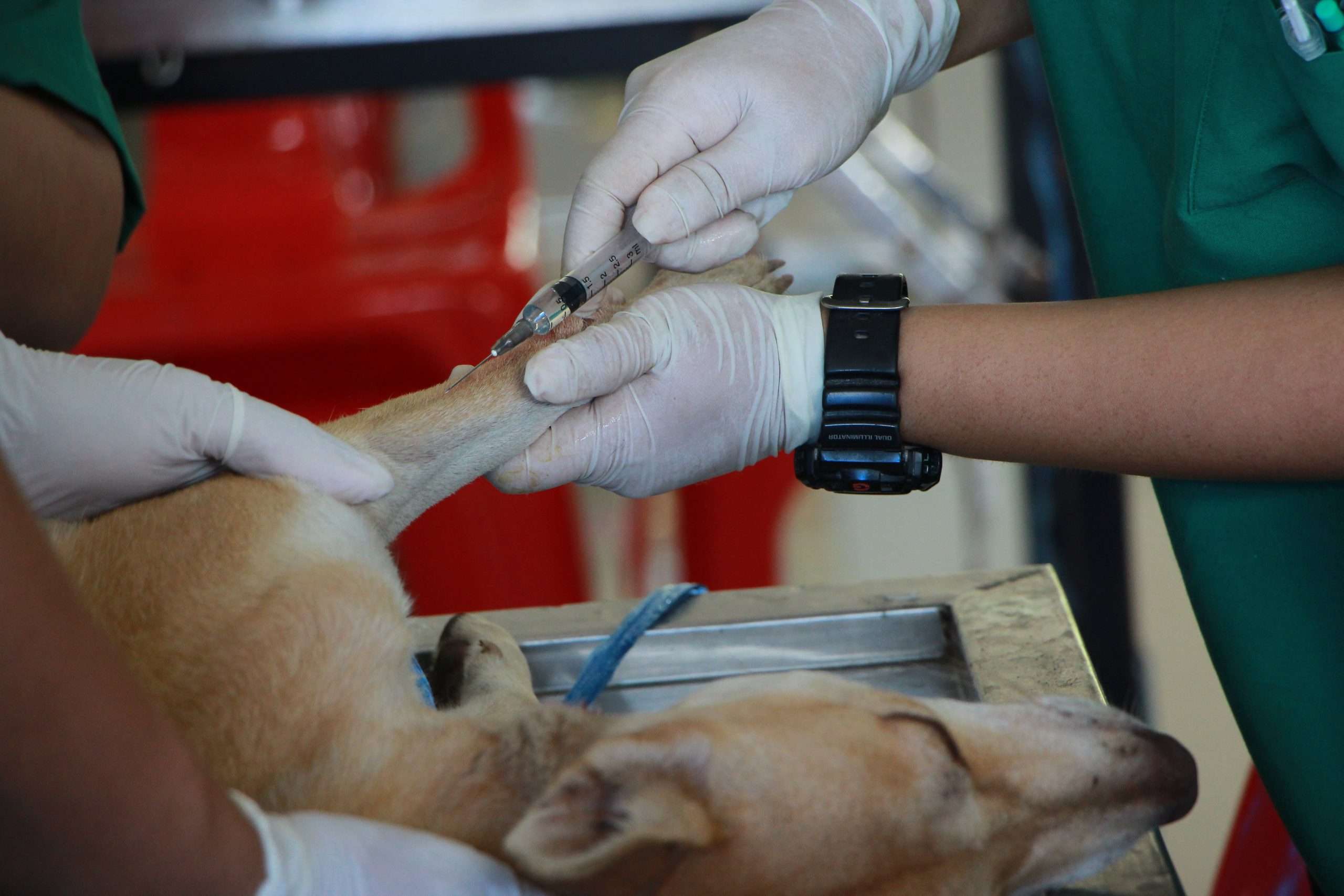
Are you worried about the rising costs of vet bills and the potential health risks your dog may face? The solution lies in prioritizing dog vaccinations. These essential preventative measures are the key to safeguarding your canine companion from a host of dangerous and potentially fatal diseases.
Keeping your dog up-to-date on their vaccinations is not only a responsible pet owner’s duty, but it also ensures your furry friend’s long-term well-being. In this comprehensive guide, we’ll explore the ins and outs of dog vaccinations, from the importance of core vaccines to the customized schedules for puppies and adults.

Let’s dive in and ensure your dog is protected from the moment they become a part of your family.
The Necessity of Dog Vaccines
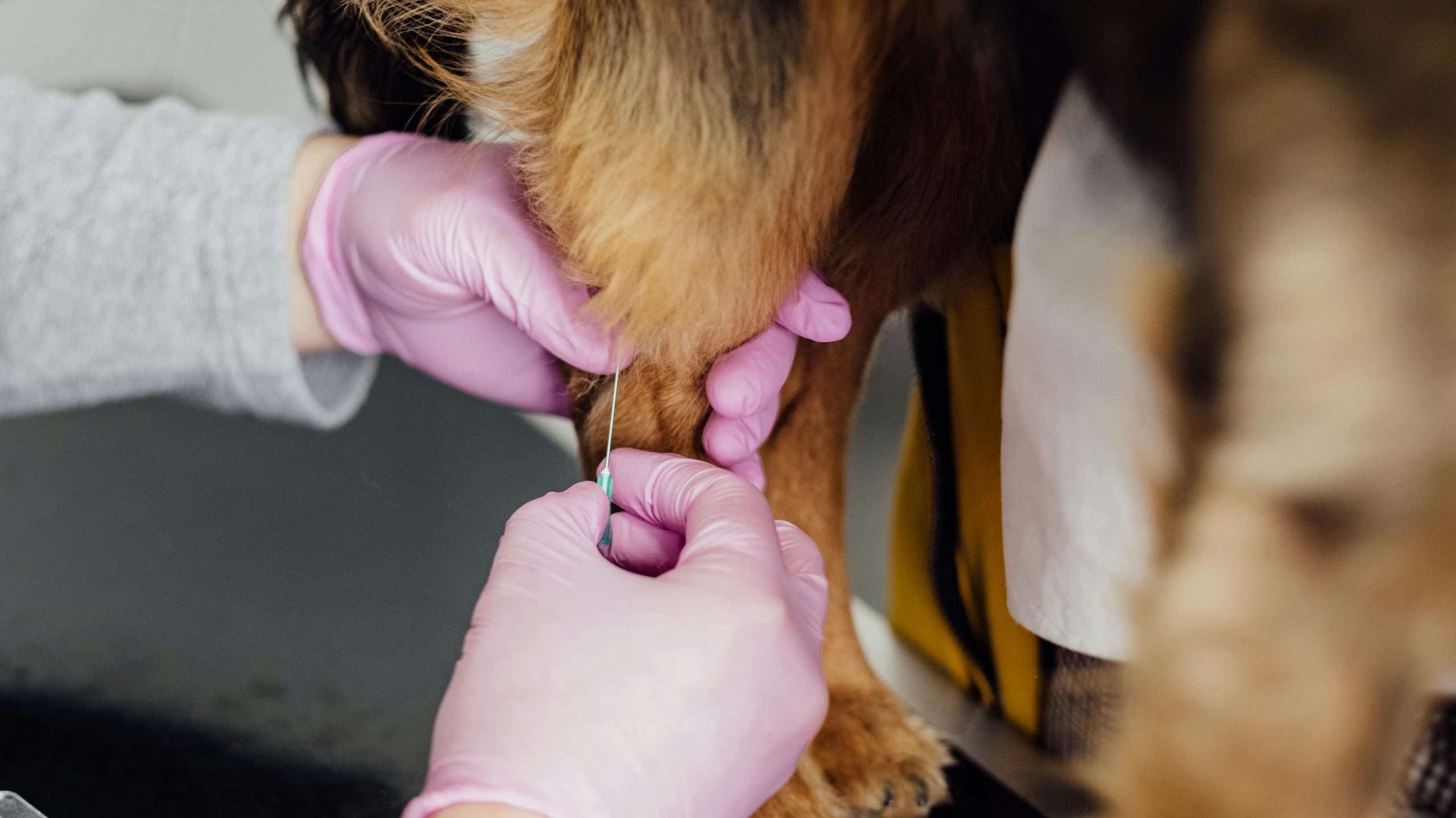
Vaccines work by training a dog’s immune system to recognize and respond to specific pathogens. When a dog is exposed to a weakened or inactivated form of a virus or bacteria, their body learns to identify and neutralize the threat. This way, if the dog ever encounters the real disease, their immune system is already equipped to mount a swift and effective defense, preventing severe illness or even death.
Without proper dog vaccinations, your canine companion is left vulnerable to a range of serious and contagious diseases, including:
- Rabies: A fatal viral infection that can be transmitted to humans and other animals.
- Canine Distemper: A highly contagious and often fatal viral disease affecting the respiratory, gastrointestinal, and nervous systems.
- Canine Parvovirus: A highly resistant and life-threatening virus that can cause severe vomiting, diarrhea, and dehydration.
- Canine Adenovirus (Hepatitis): A viral infection that can lead to liver failure, eye problems, and other serious complications.
Protecting your dog from these and other preventable diseases is not only vital for their well-being but also a legal requirement in many areas. Keeping your dog’s vaccinations up-to-date is essential for responsible pet ownership.
Related reads:
Fever in Dogs: Tips to Comfort Them [2024]
Core and Non-Core Dog Vaccinations
When it comes to dog vaccinations, there are two main categories: core vaccines and non-core vaccines.
Core Vaccines
Core vaccines are considered essential for all dogs, regardless of their lifestyle or location. These include:
- Rabies: Required by law in most states, the rabies vaccine protects against a fatal viral infection that can be transmitted to humans and other animals.
- Canine Distemper: This highly contagious viral disease can affect the respiratory, gastrointestinal, and nervous systems, often with fatal consequences.
- Canine Parvovirus: A resilient virus that can cause severe, potentially life-threatening gastrointestinal issues.
- Canine Adenovirus (Hepatitis): A viral infection that can lead to liver damage, eye problems, and other serious complications.

Non-Core Vaccines
Non-core, or “lifestyle,” vaccines are recommended based on a dog’s individual risk factors, such as their environment, activities, and exposure to other animals. These include:
- Bordetella (Kennel Cough): A highly contagious respiratory infection that can be particularly problematic in shared spaces like boarding facilities or dog parks.
- Canine Influenza: Also known as “dog flu,” this viral illness can cause coughing, nasal discharge, and fever in canines.
- Leptospirosis: A bacterial infection that can lead to kidney and liver failure and is transmissible to humans.
- Lyme Disease: A tick-borne illness that can cause fever, lethargy, and joint pain in dogs.
Your veterinarian will work with you to determine which non-core vaccines are necessary for your dog based on their individual needs and lifestyle.
Puppy Vaccination Schedule
Puppies are especially vulnerable to many infectious diseases, so it’s crucial to establish a proper vaccination schedule from a young age. Typically, the puppy vaccination schedule looks like this:
- 6-8 weeks: DA2PP (distemper, adenovirus, parvovirus, parainfluenza) and Bordetella
- 10-12 weeks: DA2PP, Leptospirosis, Lyme, Canine Influenza
- 14-16 weeks: DA2PP, Rabies, Leptospirosis, Lyme, Canine Influenza
It’s important to note that puppies should never receive more than two vaccines at a single appointment, as their immune systems may become overwhelmed. Your veterinarian will work with you to ensure your puppy’s vaccination schedule is tailored to their individual needs.
Adult Dog Vaccination Schedule
Once a dog has completed their initial puppy vaccination series, they will transition to an adult vaccination schedule. This typically involves:
- Annual booster shots for DA2PP, Rabies, and any non-core vaccines (e.g., Bordetella, Leptospirosis, Lyme, Canine Influenza)
- Rabies vaccine given every 1-3 years, depending on the vaccine type and local regulations
- Non-core vaccines given annually or as needed, based on your dog’s lifestyle and risk factors
Your veterinarian will work with you to determine the appropriate vaccination schedule for your adult dog, taking into account their age, health status, and exposure risks.
Potential Side Effects and Risks
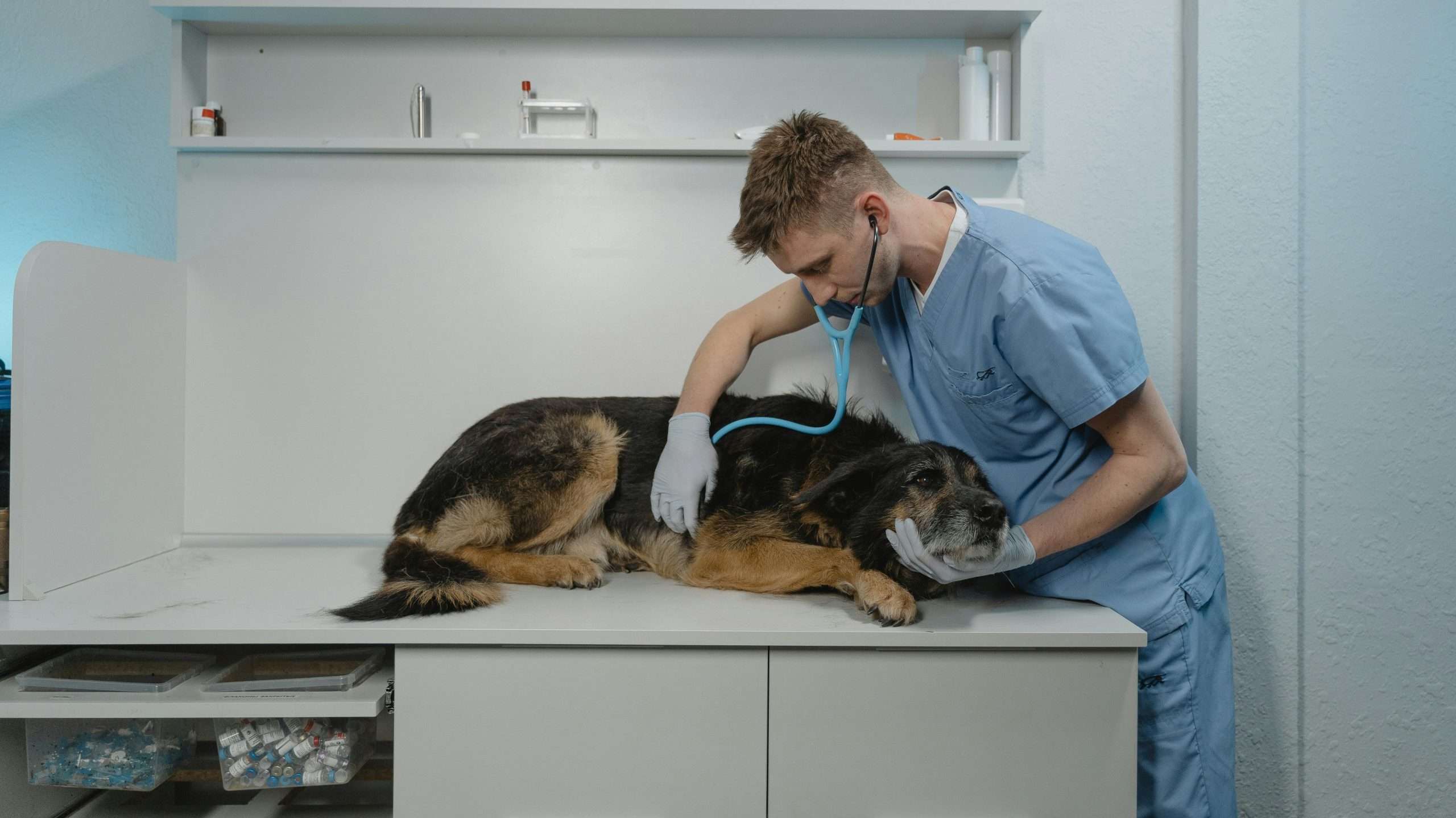
While dog vaccinations are generally safe and effective, there is a small risk of side effects. Mild reactions, such as temporary discomfort, swelling, or lethargy, are relatively common and usually resolve within a day or two. More severe reactions, such as vomiting, diarrhea, facial swelling, or difficulty breathing, are rare but require immediate veterinary attention.
It’s important to monitor your dog closely after they receive any vaccinations and to contact your veterinarian if you notice any concerning symptoms. Your veterinarian can also provide guidance on managing side effects and minimizing the risk of adverse reactions.
Final Thoughts
Keeping your dog up-to-date on their vaccinations is a crucial aspect of responsible pet ownership. By protecting your canine companion from a host of dangerous and potentially fatal diseases, you’re ensuring their long-term health and well-being. Remember to work closely with your veterinarian to develop a personalized vaccination schedule that aligns with your dog’s unique needs and lifestyle.
FAQs
What are the core dog vaccinations?
The core dog vaccinations are considered essential for all canines and include rabies, canine distemper, canine parvovirus, and canine adenovirus (hepatitis).
What are the non-core dog vaccinations?
Non-core dog vaccinations are recommended based on a dog’s lifestyle and risk factors. These include Bordetella (kennel cough), canine influenza, leptospirosis, and Lyme disease.
When should I start vaccinating my puppy?
Puppies should start their vaccination series as early as 6-8 weeks old, with booster shots given every 2-4 weeks until they reach 16 weeks of age or older.
How often do adult dogs need to be vaccinated?
Adult dogs typically receive annual booster shots for core vaccines like DA2PP and rabies. Non-core vaccines may be given annually or as needed, depending on your dog’s lifestyle and risk factors.
What are the possible side effects of dog vaccinations?
Mild side effects like temporary discomfort, swelling, or lethargy are common but usually resolve within a day or two. More severe reactions, such as vomiting, diarrhea, or breathing difficulties, are rare but require immediate veterinary attention.


![How to Choose Healthy Food for Your Dog [2024]](https://100dogbreeds.com/wp-content/uploads/2024/07/dog-healthy-food-768x512.jpg)