Dog Skin Allergies: Causes, Symptoms & Treatments

If your dog is constantly scratching, licking, or showing signs of skin irritation, dog skin allergies may be the culprit. Just like humans, dogs can experience allergic reactions that cause discomfort, inflammation, and even infections. Understanding the root cause of these allergies is the first step toward relief. In this article, we’ll explore what causes dog skin allergies, their symptoms, and the best treatment options to keep your pup happy and itch-free.
What Causes Dog Skin Allergies?
There are three primary causes of dog skin allergies: flea allergy dermatitis, food allergies, and environmental allergens. Identifying which of these triggers is affecting your dog will help you take the right steps toward treatment and prevention.

Flea Allergy Dermatitis
One of the most common forms of dog skin allergies is flea allergy dermatitis. Some dogs are highly sensitive to flea saliva, meaning that even a single flea bite can cause an intense allergic reaction. The most noticeable signs include excessive scratching, redness, and inflammation, particularly around the base of the tail and lower back. You may also notice small red bumps, hair loss, and even scabs caused by constant biting and scratching.
Preventing flea infestations is the best way to combat this type of allergy. A regular flea prevention routine, including medicated treatments, flea collars, and proper grooming, can keep your dog safe from flea-related allergies. Keeping your home and yard free from fleas by vacuuming frequently and using flea sprays can also help in controlling the problem.
Food Allergies in Dogs

Food allergies are another leading cause of dog skin allergies. Some dogs react negatively to certain proteins or grains found in commercial pet foods. The most common allergens include beef, chicken, dairy, wheat, and soy. Unlike flea allergies, which cause localized itching, food allergies often result in widespread itching, chronic ear infections, and gastrointestinal issues such as vomiting and diarrhea.
Diagnosing a food allergy requires patience. An elimination diet is the best way to determine which ingredient is causing the reaction. This involves feeding your dog a limited-ingredient diet that excludes common allergens. If symptoms improve, you can gradually reintroduce ingredients one by one to identify the trigger. Many pet owners find that switching to hypoallergenic dog food or a home-cooked diet recommended by a veterinarian significantly reduces symptoms.
Environmental Allergies
Environmental allergens, such as pollen, mold, dust mites, and grass, can also lead to dog skin allergies. These allergies are often seasonal, meaning symptoms worsen during specific times of the year. Dogs with environmental allergies may frequently lick their paws, scratch their ears, and experience red, irritated skin around their muzzle, belly, and armpits.
Since it’s impossible to completely eliminate environmental allergens, managing symptoms is key. Wiping your dog’s paws after walks, keeping indoor air clean with air purifiers, and using medicated shampoos can help reduce allergic reactions. Some dogs benefit from allergy shots (immunotherapy), which gradually help their immune system become less reactive to allergens over time.
Symptoms of Dog Skin Allergies
Recognizing the symptoms of dog skin allergies early can prevent complications and discomfort. While each dog may react differently, common signs of skin allergies include:
- Excessive licking, scratching, or biting
- Red, inflamed, or scaly skin
- Hair loss in affected areas
- Rubbing the face against furniture or carpets
- Chronic ear infections
- Scooting or excessive rubbing on surfaces
If left untreated, persistent scratching and irritation can lead to secondary bacterial or yeast infections, making the condition even more challenging to manage. Seeking veterinary advice as soon as symptoms appear can prevent further complications.
How to Treat Dog Skin Allergies
Once the cause of dog skin allergies is identified, there are several treatment options available to manage symptoms and prevent flare-ups.
Avoiding Triggers
The first step in treating dog skin allergies is to eliminate or reduce exposure to allergens. If fleas are the culprit, maintaining a strict flea prevention regimen is essential. For food allergies, transitioning to a hypoallergenic diet can significantly reduce symptoms. If environmental allergens are causing the reaction, limiting outdoor exposure during allergy seasons and regularly cleaning your home can help minimize symptoms.
Medications for Relief
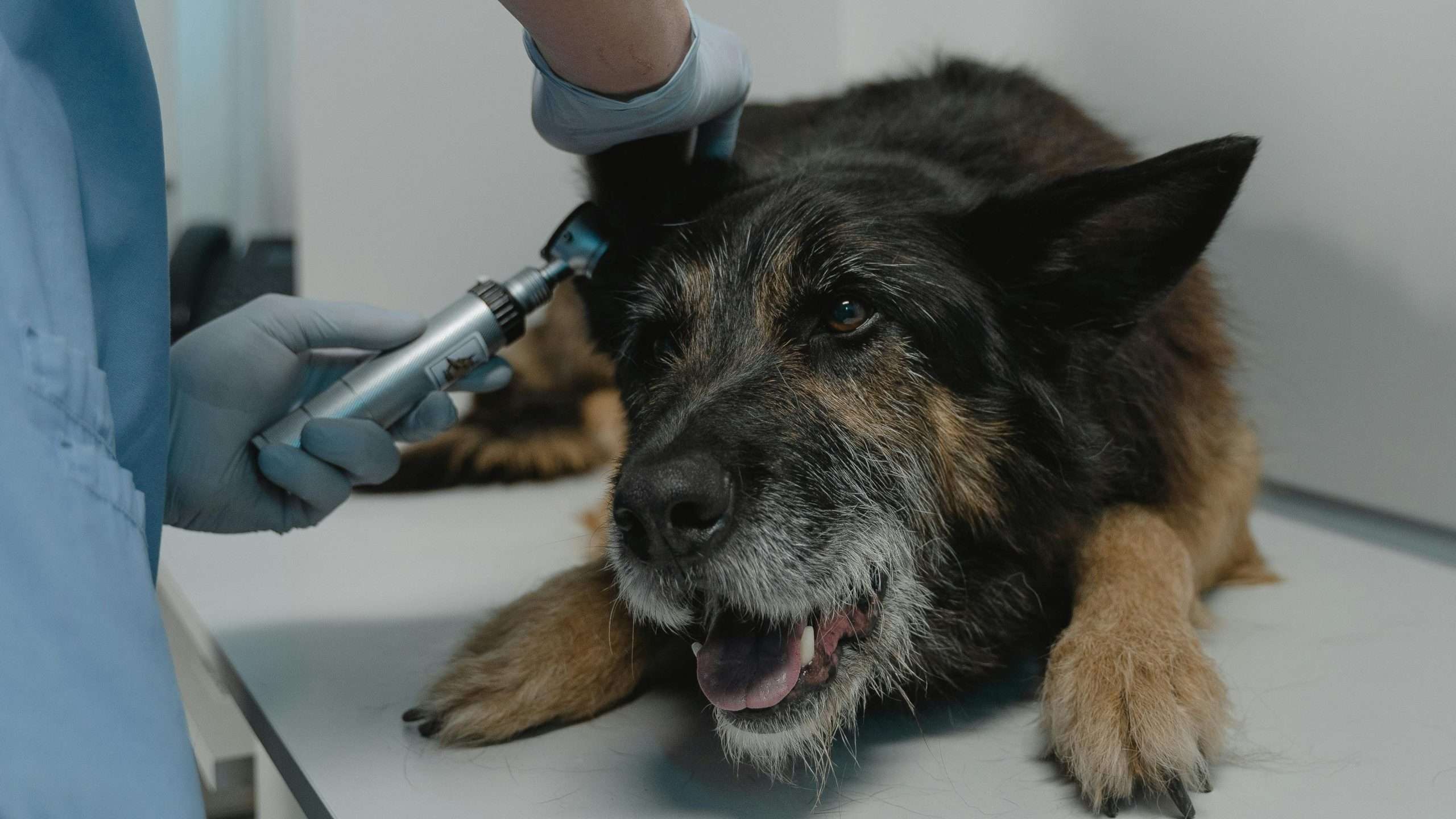
In some cases, medications may be necessary to provide relief. Antihistamines, corticosteroids, and anti-itch creams can help reduce inflammation and itching. However, these should only be used under a veterinarian’s guidance, as some medications have potential side effects. For severe cases, immunotherapy (allergy shots) can be a long-term solution to desensitize a dog’s immune system to specific allergens.
Skin Care and Home Remedies
Proper skin care plays a crucial role in managing dog skin allergies. Regular baths with hypoallergenic or medicated shampoos can soothe irritated skin and wash away allergens. Oatmeal-based shampoos and coconut oil can also provide natural relief from itching. Additionally, omega-3 fatty acid supplements can help improve skin health and reduce inflammation.
Also read:
First Aid for Dogs – Shock, Rescue Breathing, and CPR
Can Dogs Get Tested for Allergies?
Yes! Allergy testing can be done through skin tests or blood tests performed by a veterinarian. Intradermal skin testing, similar to human allergy tests, involves injecting small amounts of allergens under the skin to determine which ones trigger a reaction. Blood tests, on the other hand, detect antibodies associated with allergic reactions. While testing can be expensive, it may help pinpoint specific allergens and guide treatment strategies.

When to See a Vet
If your dog’s itching persists despite trying various treatments, or if symptoms worsen over time, it’s best to seek veterinary care. Persistent scratching can lead to open sores and infections, requiring antibiotics or specialized treatments. A vet can help identify the exact cause of dog skin allergies and develop a tailored treatment plan for your pet.
Final Thoughts
Dog skin allergies are a common but manageable condition. Identifying whether fleas, food, or environmental factors are triggering the allergies is the first step toward relief. With proper care, dietary adjustments, and possible medical treatments, you can help your dog lead a comfortable, itch-free life. If symptoms persist, consulting a veterinarian is always the best course of action to ensure your furry friend receives the care they need.
FAQs on Dog Skin Allergies
1. What is the most common cause of dog skin allergies?
Flea allergy dermatitis is the most common cause, followed by food and environmental allergies.
2. Can dog skin allergies go away on their own?
No, treatment is often necessary to manage symptoms and prevent complications.
3. Are certain dog breeds more prone to skin allergies?
Yes, breeds such as Bulldogs, Retrievers, and Terriers are more likely to develop skin allergies.
4. How can I tell if my dog’s itching is due to allergies or another condition?
If the itching is seasonal or linked to specific foods, it’s likely an allergy. A vet consultation can confirm the cause.
5. What is the best home remedy for dog skin allergies?
Oatmeal baths, coconut oil, and omega-3 supplements can help soothe itchy skin.




![Tips to Prevent Dehydration and Heat Stroke in Dogs [2024]](https://100dogbreeds.com/wp-content/uploads/2024/09/heat-stroke-in-dogs-768x512.jpg)