How a Dog’s Mind Really Works: Dog Psychology 101


For centuries, dogs have been our loyal companions, offering unwavering friendship and boundless energy. Behind those wagging tails and playful barks lies a complex psychological framework shaped by evolution and domestication. Understanding dog psychology is not just fascinating; it’s crucial for fostering a deep and meaningful bond with our dogs.
This article covers how a dog’s mind works, and goes into the fundamental aspects of canine cognition and behavior.

Understanding Dog Psychology
Sensory Perception and Instinct
Dogs experience the world through a heightened sensory awareness that far surpasses human capabilities in many ways. Their olfactory system is particularly remarkable, allowing them to detect scents imperceptible to humans. This keen sense of smell serves as their primary means of gathering information about their environment, identifying friends and foes, and even detecting illness or emotional states in humans.
In addition to their extraordinary sense of smell, dogs rely on acute hearing and sharp eyesight to navigate and interpret the world around them. These sensory abilities, combined with their innate instincts, form the foundation of canine behavior and play a crucial role in how they interact with their environment and with us.
Social Behavior and Communication
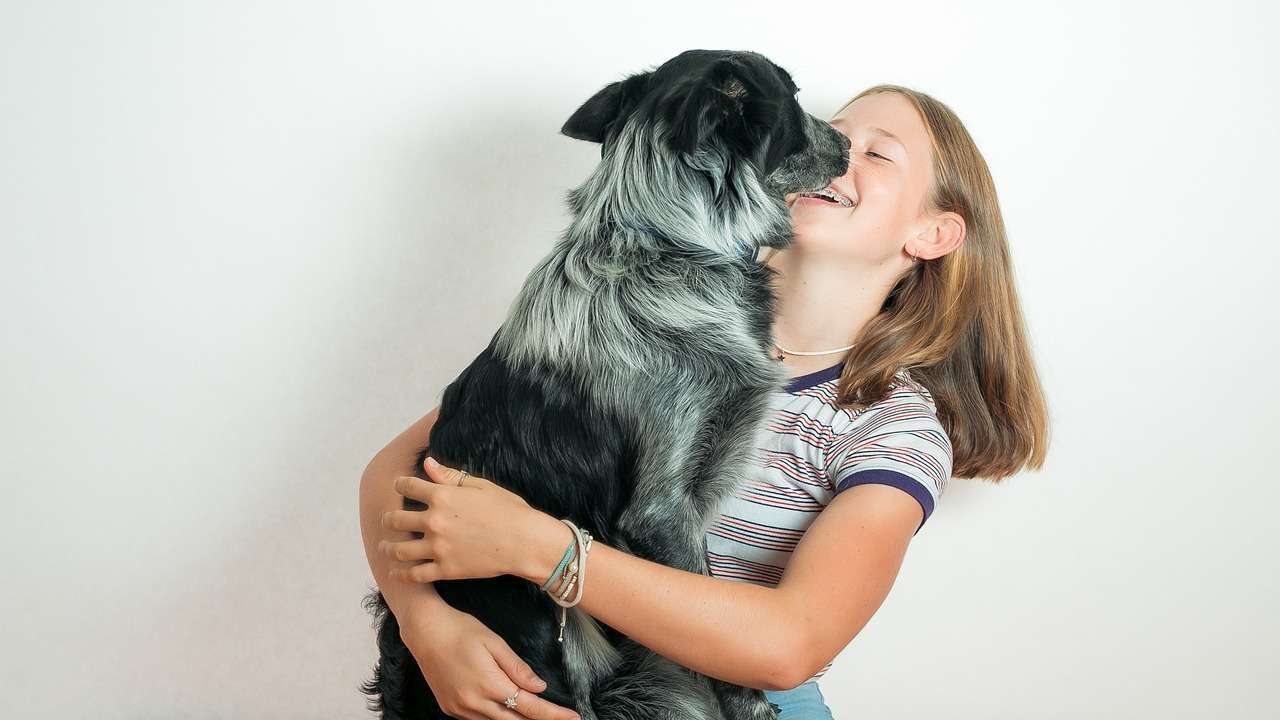
As descendants of pack animals, dogs are inherently social creatures. They form strong bonds with their human families, often viewing them as part of their pack. This social nature is deeply ingrained in their psychology, influencing how they interact with both humans and other dogs.
Canine communication is a sophisticated language comprising body postures, facial expressions, vocalizations, and even scent markings. Understanding and responding to these cues is essential for effective communication and bonding with our dogs. For instance, a wagging tail doesn’t always indicate happiness; the position and speed of the wag can convey various emotions from excitement to anxiety.
Learning and Cognitive Abilities
Dogs are intelligent beings capable of learning through observation, experience, and training. Their ability to form associations between actions and outcomes enables them to learn new behaviors and respond to commands. This aspect of dog psychology is particularly important when it comes to training and behavior modification.
Cognitive abilities in dogs vary across breeds and individuals, but generally, they exhibit problem-solving skills and memory retention. Engaging dogs in mentally stimulating activities, such as puzzle toys or interactive games, not only prevents boredom but also enhances cognitive development and keeps their minds sharp.
Theories in Dog Psychology
Pack Mentality and Dominance Theory
One of the earliest theories in dog psychology was based on the observation of wolf packs. This theory suggested that dogs, like wolves, operate within a strict hierarchical structure. While this theory has been influential, modern research has shown that domestic dogs’ social structures are more flexible and nuanced than originally thought.
Classical Conditioning (Pavlov’s Dog Psychology)
Ivan Pavlov’s famous experiments with dogs laid the groundwork for understanding how animals learn through association. This principle of classical conditioning is still relevant in dog training today, explaining how dogs can learn to associate certain cues (like the sound of a treat bag) with positive outcomes.
Operant Conditioning and Positive Reinforcement
B.F. Skinner’s work on operant conditioning has had a significant impact on modern dog training methods. This theory focuses on how consequences influence behavior. Positive reinforcement, which involves rewarding desired behaviors, has become a cornerstone of effective and humane dog training techniques.
The Role of Toys in Dog Psychology
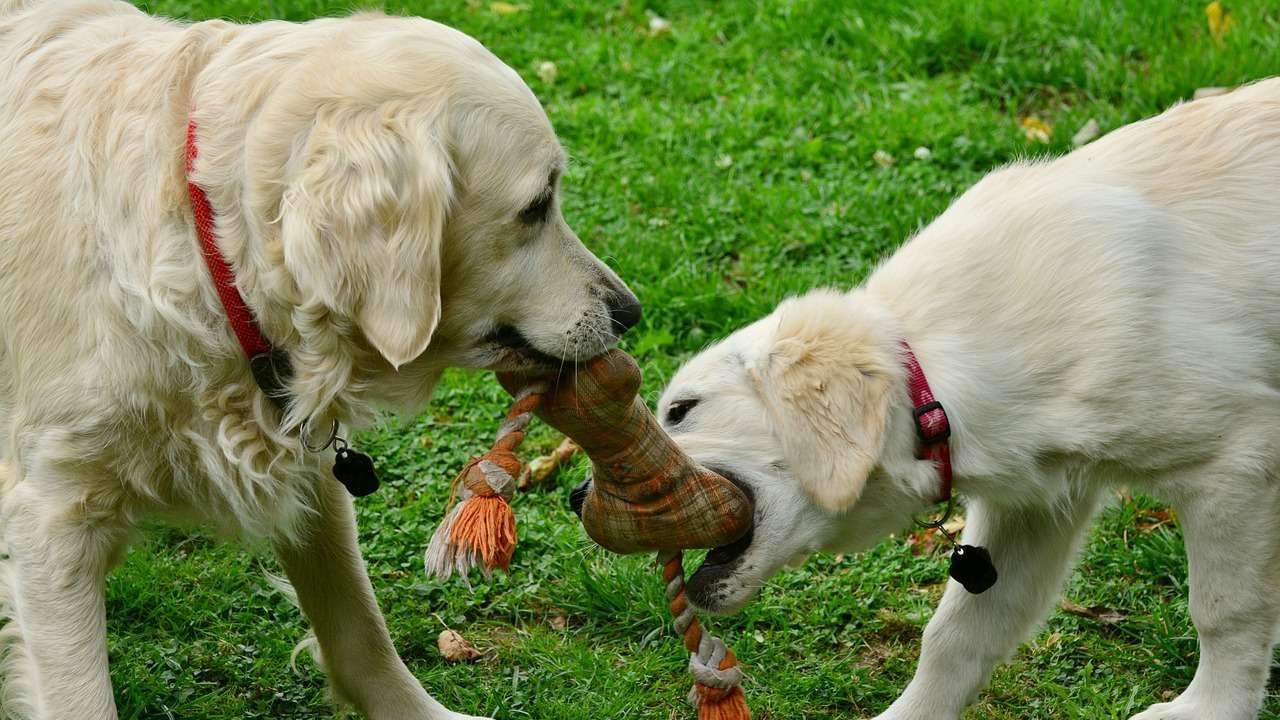
Toys play a crucial role in a dog’s mental and physical well-being, tapping into various aspects of their psychology.
Related reads:
DIY Dog Toys to Keep Them Busy [2024]
Squeaker Toys
Squeaker toys often mimic the sounds of prey, tapping into a dog’s predatory instincts. The high-pitched noise can trigger a dog’s attention and provide auditory stimulation, which is an important aspect of canine enrichment.
Puzzle Toys
Puzzle toys challenge a dog’s problem-solving abilities and provide mental stimulation. These toys often involve hiding treats or requiring manipulation to access rewards, engaging a dog’s cognitive skills and preventing boredom.
Tugging Toys
Tug-of-war games with appropriate toys can satisfy a dog’s natural instinct to pull and tug, rooted in their ancestral behaviors. When used correctly, these games can strengthen the bond between dogs and their human companions while providing physical exercise.
Practical Applications of Dog Psychology

Understanding dog psychology has numerous practical applications for pet owners and trainers alike.
Training Techniques Based on Psychological Principles
Modern dog training methods often incorporate principles of positive reinforcement and operant conditioning. By understanding how dogs think and learn, trainers can develop more effective and humane training techniques that work with a dog’s natural instincts rather than against them.
Addressing Behavioral Issues
Many common behavioral problems in dogs, such as separation anxiety or aggression, can be better understood and addressed through the lens of canine psychology. By identifying the root causes of these behaviors, pet owners and professionals can develop targeted strategies to modify them.
Strengthening the Human-Dog Bond
Perhaps the most important application of dog psychology is in strengthening the bond between humans and their canine companions. By understanding how dogs perceive the world, communicate, and form attachments, we can create more fulfilling relationships with our pets.
Happy Dog, Happy Us!
Delving into the world of dog psychology reveals the complexity and depth of our canine companions’ minds. From their acute senses to their social nature and cognitive abilities, dogs are truly remarkable creatures. By understanding the principles of canine cognition and behavior, we can not only train our dogs more effectively but also build stronger, more meaningful relationships with them.
As we continue to study and appreciate the intricacies of dog psychology, we open up new avenues for communication, companionship, and mutual understanding with our four-legged friends. Whether you’re a seasoned dog owner or considering bringing a furry friend into your life, taking the time to understand how a dog’s mind works is an investment that pays dividends in the form of a happier, healthier, and more harmonious human-canine relationship.
FAQs about Dog Psychology
What is the most effective way to train a dog based on dog psychology?
Positive reinforcement techniques that work with a dog’s natural instincts and learning processes are generally considered the most effective and humane training methods.
Can understanding dog psychology help with behavioral issues?
Yes, understanding the underlying psychological factors can help identify the root causes of behavioral issues and develop more effective strategies to address them.
How do dogs perceive human emotions?
Dogs are remarkably attuned to human emotions, often picking up on subtle cues in our body language, voice tone, and even scent changes associated with different emotional states.
Is a dog’s intelligence comparable to that of a human child?
While dogs have impressive cognitive abilities, their intelligence is different from human intelligence. Some studies suggest that the average dog’s cognitive abilities are comparable to those of a 2-3 year old human child in certain aspects.
How can I use dog psychology to strengthen my bond with my pet?
Understanding your dog’s communication style, respecting their instincts, and providing mental and physical stimulation based on their psychological needs can all help strengthen your bond.
![The Responsibility of Raising Kids and Dogs Together [2025]](https://100dogbreeds.com/wp-content/uploads/2025/04/pexels-jenny-uhling-2262740-17807527-768x512.jpg)