Dog Nose Prints: The Unique Identity Equivalent to Human Fingerprints

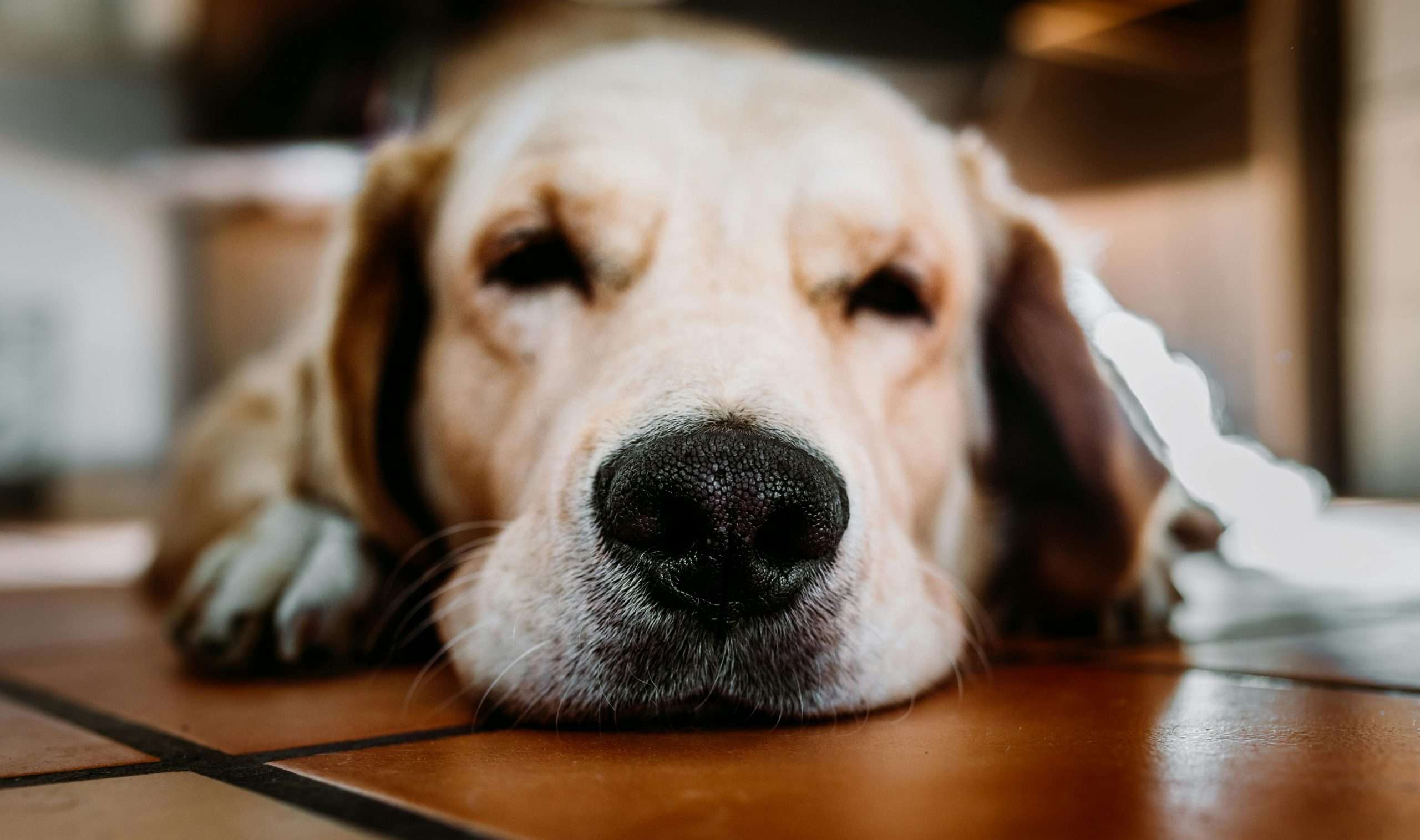
Every dog has its own personality, habits, and quirks that make it special. But did you know that your dog’s nose carries a pattern that is just as unique as your fingerprints? These patterns, called dog nose prints, are now being studied and used as a natural form of identification. Unlike collars that can fall off or microchips that may sometimes fail, a nose print is permanent and unchanging throughout a dog’s life. For many researchers and organizations, this makes dog nose prints the canine equivalent of human fingerprints.
What Are Dog Nose Prints?
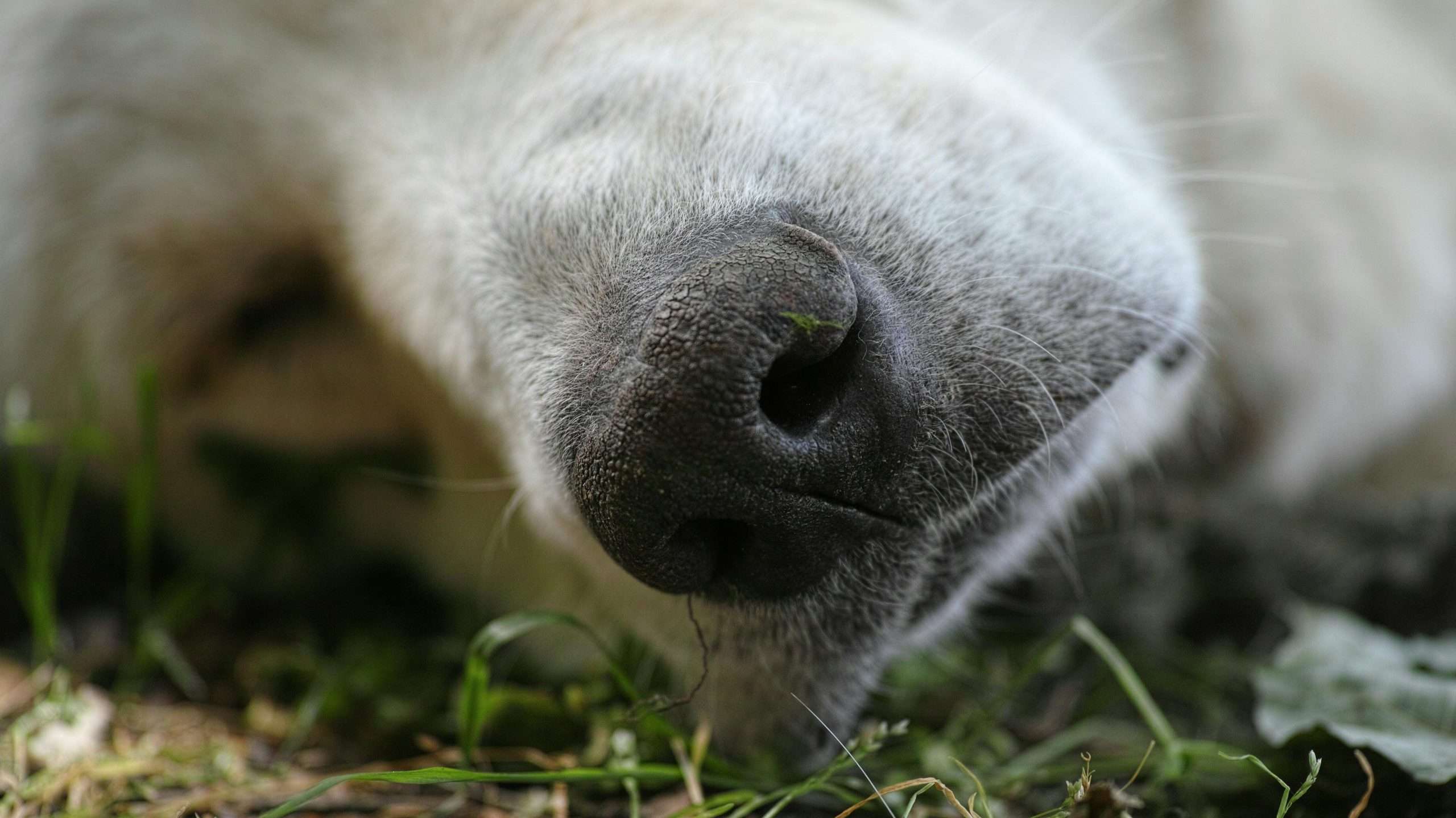
A nose print is the pattern found on the surface of a dog’s nose, specifically on the rhinarium, which is the bare skin at the tip. If you look closely, you will notice a mix of ridges, lines, dimples, and unique shapes around the nostrils. Together, these details create a design that is distinctive for every single dog. Much like fingerprints in humans, dog nose prints act as a natural biometric marker. They do not change over time and remain stable once the nose has fully developed.

Are Nose Prints Really Unique for Dogs?
The idea that nose prints of dogs are unique is not new. In fact, the Canadian Kennel Club has been accepting nose prints as proof of identity since 1938. They believed it was a reliable way to identify dogs, especially for lost and found cases. While many veterinarians and researchers have echoed this claim, the actual scientific evidence has been limited. Most early discussions about uniqueness came from studies on cattle nose prints rather than dogs.
Still, practical evidence has shown that nose prints are distinctive enough to separate one dog from another. Just as no two people have the same fingerprint, no two dogs share an identical nose pattern.
Scientific Evidence Behind Dog Nose Prints
For years, the claim about the uniqueness of dog nose prints was repeated without strong research. A short note published in 1994 mentioned that Doberman pinschers tested in one study had unique nose prints, but it was not widely explored further.
More recently, a team of Korean researchers studied two litters of beagles to see whether these nose prints form at a young age and whether they remain unchanged. Their findings were clear. By two months of age, the nose print pattern was already established. Follow-up testing over the first year showed that the prints did not change. The researchers also developed computer software that could identify each nose print successfully. This shows that if a large-scale database is created, dog nose prints could be used in the same way human fingerprint systems work in law enforcement.
Dog Nose Prints vs. Fingerprints in Humans
Fingerprints have long been accepted as the gold standard for human identification. The probability of two people sharing identical fingerprints is almost impossible. Similarly, dog nose prints provide a stable and unique pattern that can serve as the canine version of a fingerprint.
What makes this comparison even more interesting is that dog nose prints are not affected by injuries or scratches in the same way fingerprints are. Once the nose has healed, the underlying pattern remains the same. This means that even if a dog has a minor cut or scrape, the overall design of its nose print does not change.
Practical Uses of Dog Nose Prints
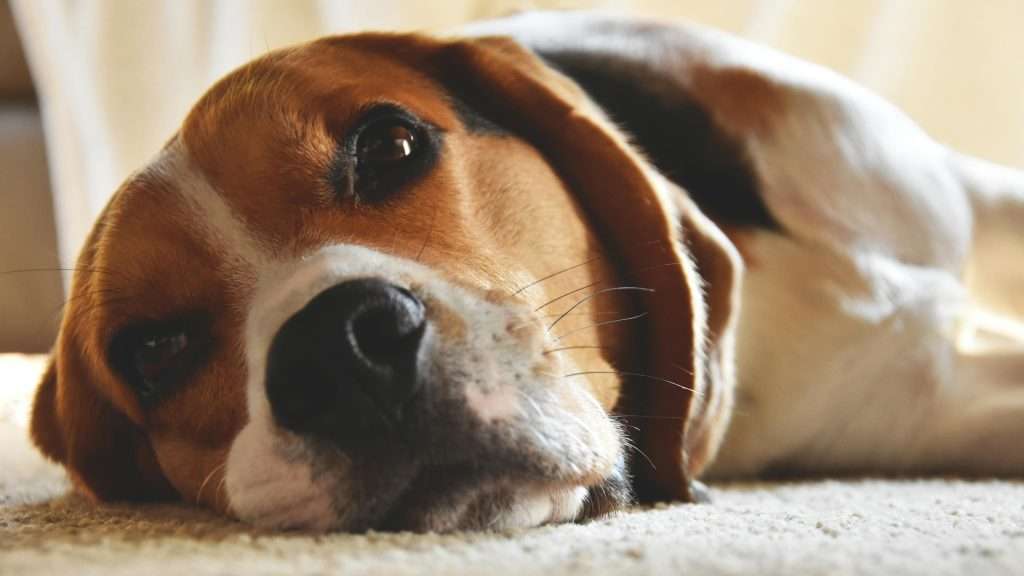
One of the most valuable uses of dog nose prints is identification. Losing a pet is a devastating experience for owners, and sometimes microchips are not enough. Tags on collars can break or get lost, while microchips require special scanners that may not always be available. Dog nose prints provide an alternative and more natural way to identify pets.
Some organizations and kennel clubs already accept nose prints as official proof of identity. In the future, a global database of dog nose prints could help reunite lost pets with their families more quickly. Mobile apps are also being developed that allow owners to register their dog’s nose print and use it like a digital ID.
How to Collect Your Dog’s Nose Print at Home
Even if you are not using it for identification, collecting your dog’s nose print can be a fun activity and a memorable keepsake. The process is simple:
- Gently blot your dog’s nose with a paper towel to dry it slightly.
- Use a piece of paper towel dipped in food coloring and dab it on your dog’s nose.
- Press a clean sheet of paper against the nose in a rolling motion from one side to the other.
- Repeat if necessary until you get a clear impression.
- Clean your dog’s nose immediately afterward.
Once you have a clear print, you can frame it as a personal memento. Since dog nose prints are unique, this keepsake is unlike any other.
Related reads:
Essential Grooming Tips for Long Haired Dogs
Limitations of Using Dog Nose Prints
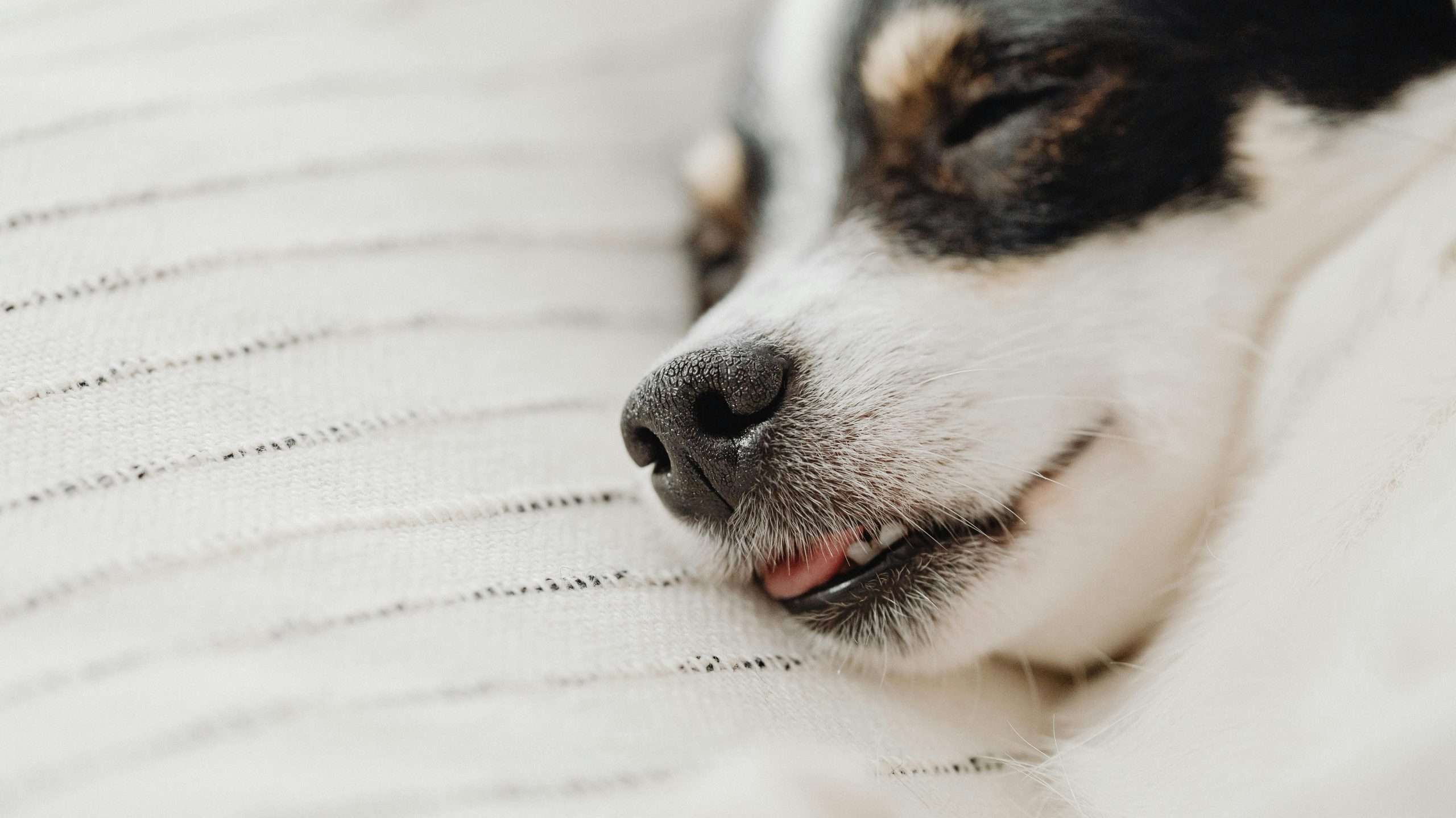
While the uniqueness of dog nose prints seems clear, there are still some limitations. Current studies have involved only small groups of dogs. More research with larger sample sizes is needed to prove absolute uniqueness beyond doubt. Another challenge is the lack of a centralized database. Without one, dog nose prints cannot yet be used widely in everyday identification.
Practical challenges also exist. Not every dog will stay still long enough to get a perfect nose print. For some dogs, especially squirmy puppies, the process may take several attempts.
The Future of Dog Nose Prints in Identification
The interest in biometric identification for pets is growing. With advances in technology, dog nose prints may soon become part of mainstream pet identification systems. Apps and veterinary databases could store nose prints, making it easier for shelters and clinics to confirm a dog’s identity instantly.
If these systems are adopted worldwide, dog nose prints may even become more reliable than microchips. They offer a non-invasive, permanent, and unique form of identification that does not rely on external devices.
Final Thoughts
Dog nose prints are more than just an interesting feature of your pet. They are unique, permanent, and reliable enough to serve as a natural identification method, just like fingerprints in humans. While research is still ongoing, the potential is clear. With proper databases and technology, dog nose prints could become the future of secure identification for dogs. For now, they remain both a fascinating scientific topic and a special keepsake for owners who want to capture their pet’s individuality forever.

![The Responsibility of Raising Kids and Dogs Together [2025]](https://100dogbreeds.com/wp-content/uploads/2025/04/pexels-jenny-uhling-2262740-17807527-768x512.jpg)