Dog Body Language Decoded: What Those Subtle Signals Really Mean

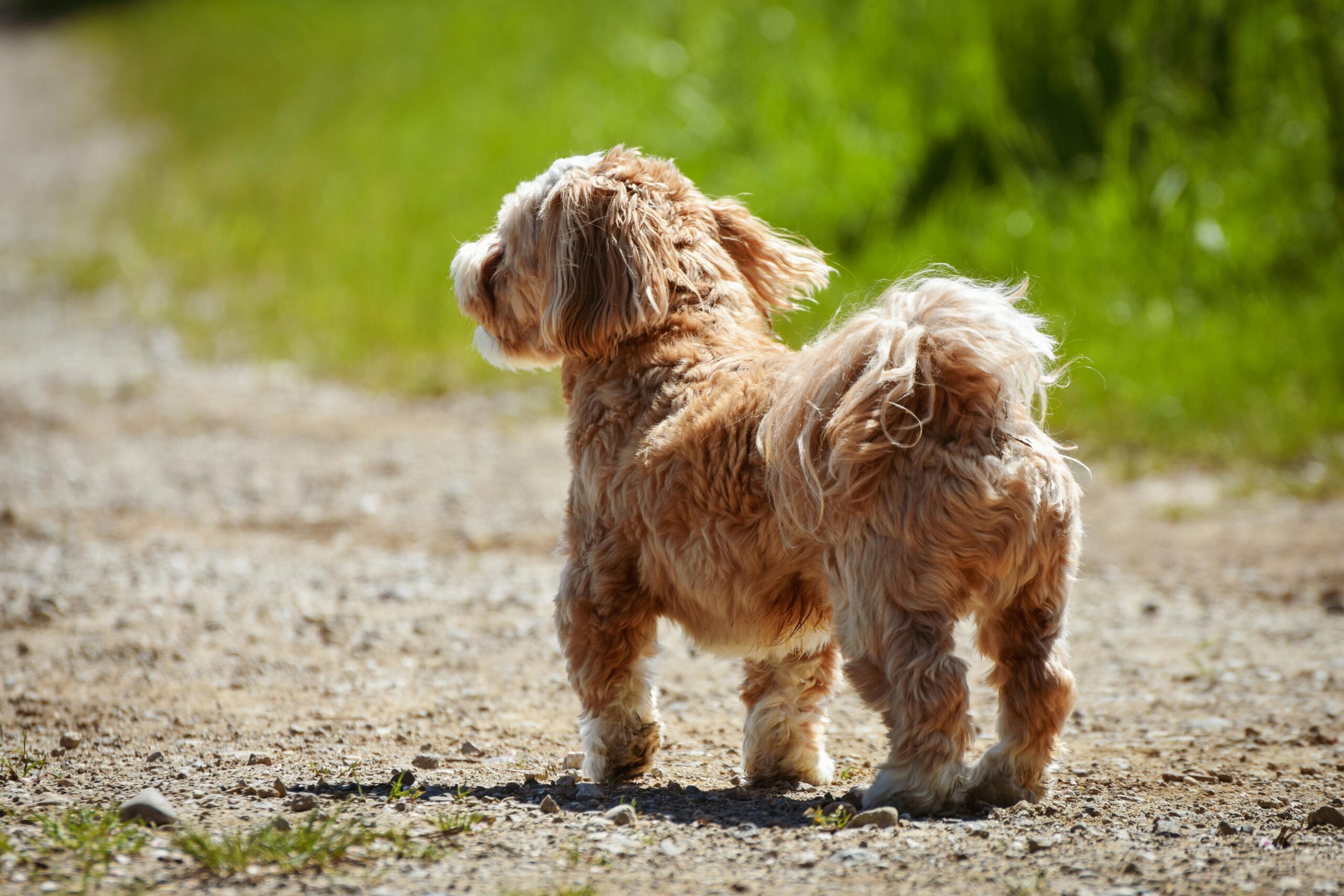
Dogs may not speak our language, but they are constantly communicating. Every head tilt, tail movement, and shift in posture carries meaning. The challenge is that many of these signals are subtle, easy to overlook, or often misunderstood. Learning to read dog body language helps you understand what your dog is feeling before they feel the need to bark, growl, or withdraw. It builds trust, improves safety, and deepens the bond between humans and dogs in everyday situations.
Understanding dog body language is not about memorizing isolated gestures. It is about observing patterns, context, and combinations of signals that tell a fuller story of a dog’s emotional state.

What Is Dog Body Language and Why It Matters
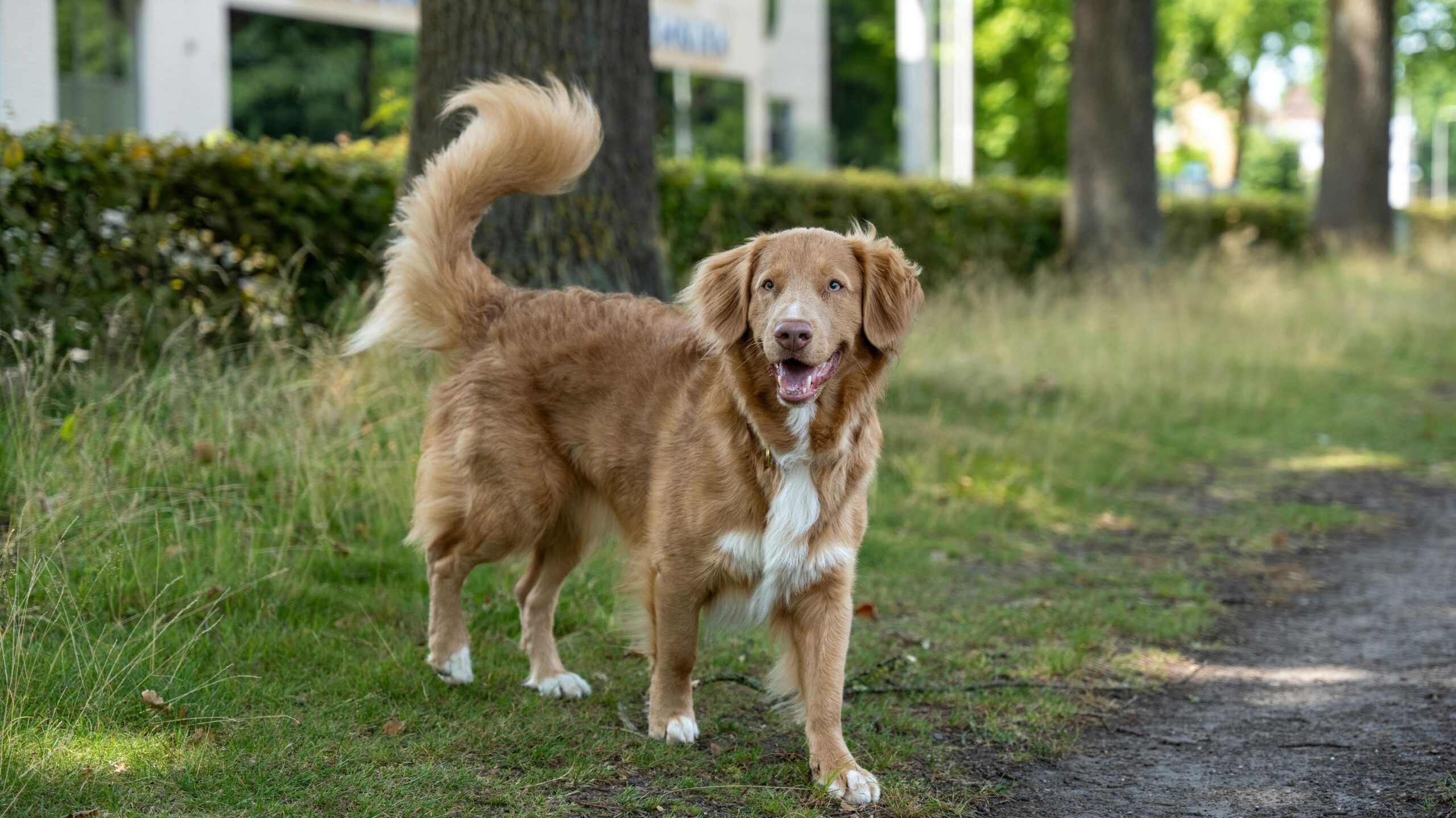
Dog body language is the way dogs communicate through physical cues rather than vocal sounds. These cues include posture, facial expressions, tail position, ear movement, eye shape, and even how a dog holds their weight.
Dogs evolved to rely heavily on body signals to avoid conflict and express intentions. When humans miss or misinterpret these signs, misunderstandings happen. A dog that appears calm may actually be stressed. A wagging tail may not always signal happiness. Recognizing dog body language allows owners to respond appropriately before tension escalates.
Another important aspect is safety. Many bites and behavioral incidents occur because warning signs were ignored or misunderstood. Dogs usually communicate discomfort long before they act on it.
How to Read Dog Body Language as a Whole
One of the most common mistakes people make is focusing on a single signal. True understanding of dog body language comes from reading clusters of signals together.
For example, a wagging tail combined with a stiff body, pinned ears, and a hard stare signals something very different from a loose wag paired with relaxed posture and soft eyes. Context also matters. The same signal can mean different things depending on environment, situation, and the dog’s past experiences.
Tail Movements in Dog Body Language
The tail is often the first thing people notice, but it is also one of the most misunderstood parts of dog body language.
Tail Position and Emotional State
A tail held high usually signals alertness or confidence. In some cases, it may also indicate arousal or tension. A tail held low or tucked between the legs is commonly associated with fear, anxiety, or insecurity.
A neutral tail position varies by breed. Some dogs naturally carry their tails higher or lower, which is why knowing your dog’s baseline is important.
Tail Wagging Does Not Always Mean Happy
A wagging tail simply means emotional engagement. Fast, stiff wags can signal agitation or overstimulation. Slow, wide wags paired with a relaxed body often indicate friendliness. Interpreting tail movement without considering the rest of the body can lead to incorrect assumptions about dog body language.
Ear Positions and What They Reveal
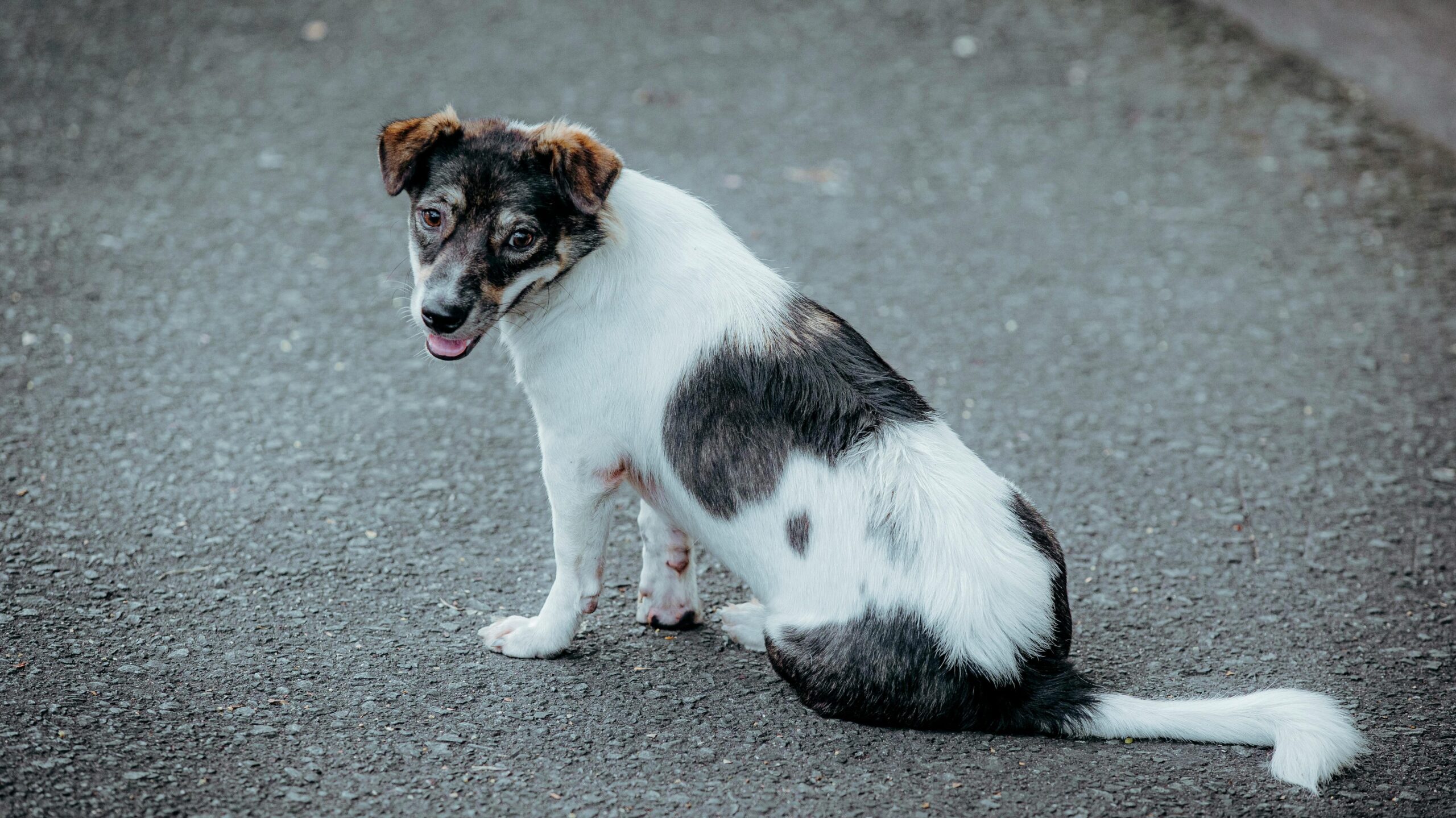
Ears are highly expressive and play a major role in dog body language, even in breeds with floppy ears.
Ears Forward
When a dog’s ears are forward, they are engaged and paying attention. This could be curiosity, interest, or alertness. It does not automatically mean aggression.
Ears Pinned Back
Ears pulled tightly back against the head often indicate fear, stress, or discomfort. In combination with other signals like lip licking or a lowered body, this is a clear sign the dog is uneasy.
Relaxed Ears
Neutral or gently moving ears usually suggest a calm and comfortable state. Understanding ear position alongside posture gives a clearer picture of dog body language.
Related reads:
7 Ways to Protect Your Dog’s Hearing
Eyes and Facial Expressions in Dog Body Language
A dog’s eyes can reveal a great deal about how they are feeling.
Soft Eyes Versus Hard Stare
Soft, relaxed eyes often indicate calmness and trust. A hard stare with little blinking can signal tension or a warning. Prolonged direct eye contact can be uncomfortable for dogs, especially in unfamiliar situations.
Whale Eye and Stress Signals
Whale eye occurs when the whites of the eyes become visible. This is a strong indicator of stress or anxiety. It often appears when a dog feels threatened but is trying to avoid confrontation. Recognizing this sign in dog body language can prevent escalation.
Body Posture and Weight Distribution
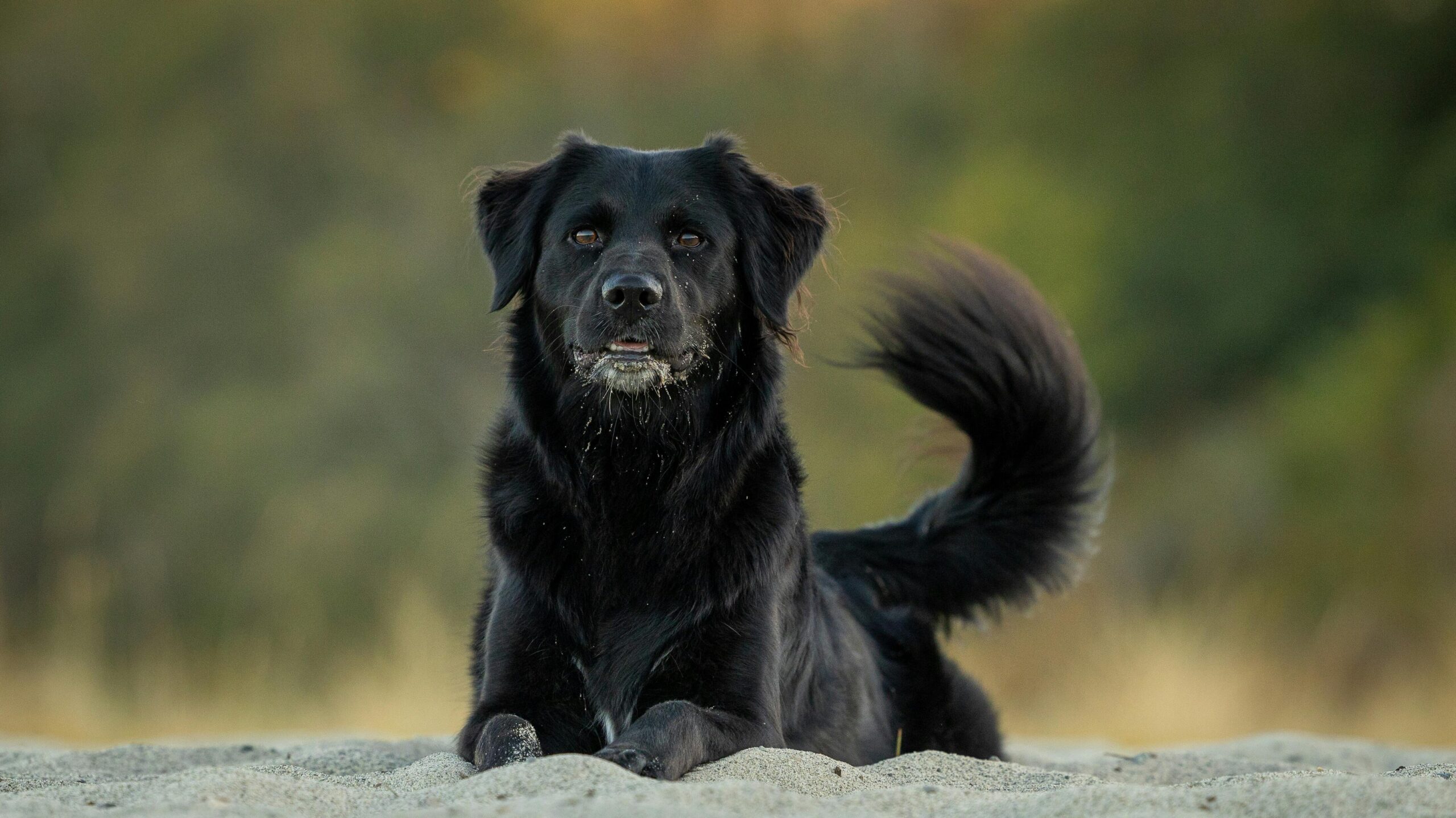
A dog’s posture is one of the clearest indicators of emotional state.
Relaxed Posture
A relaxed dog stands or lies comfortably with loose muscles. Movements are fluid rather than stiff. This posture usually accompanies calm or content emotions.
Tense or Stiff Posture
When a dog’s body becomes rigid, with weight shifted forward, it often signals heightened arousal. This could be excitement, fear, or potential aggression depending on the situation.
Submissive and Appeasement Postures
Lowered body posture, crouching, rolling slightly to the side, or turning the head away are appeasement behaviors. These are attempts to communicate non-threatening intentions within dog body language.
Mouth and Facial Movements
The mouth plays a subtle but important role in dog body language.
Relaxed Mouth Versus Tight Lips
A slightly open mouth with a relaxed jaw often indicates comfort. Tight lips or a closed mouth in situations where the dog is usually relaxed can indicate tension.
Yawning and Lip Licking
Yawning and lip licking are commonly misunderstood. While they can indicate tiredness or hunger, they are also calming signals used during stress. Dogs often display these behaviors during vet visits, training sessions, or unfamiliar interactions.
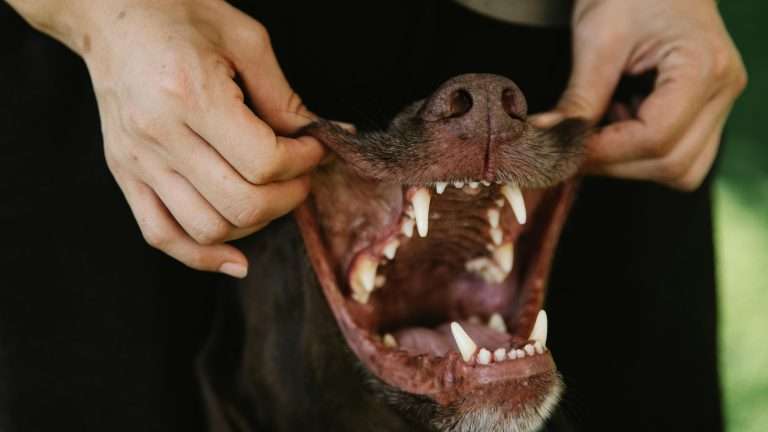
Showing Teeth
Not all teeth displays mean aggression. Some dogs show teeth in submissive grins, which appear different from warning snarls. The surrounding posture and facial tension help differentiate these signals in dog body language.
Subtle Signals That Are Easy to Miss
Some of the most important signals in dog body language are also the easiest to overlook.
Turning the head away, sniffing the ground, or suddenly becoming still can all be signs of discomfort. Raised hackles indicate heightened emotional arousal, which can stem from excitement, fear, or alertness.
Play bows, where the front of the body lowers while the rear stays raised, are clear invitations to play. These signals help dogs communicate intent and avoid misunderstandings with other dogs.
How Dogs Communicate With Other Dogs
Dog to dog interactions rely heavily on dog body language. Dogs use posture, movement, and facial cues to negotiate play, establish boundaries, and avoid conflict.
Healthy play often includes role reversals, pauses, and loose movements. Stiffness, prolonged staring, or lack of breaks can signal discomfort or rising tension.
Waving Goodbye
Dogs communicate constantly, even when they are silent. Learning to read dog body language allows you to understand your dog’s emotions, respect their boundaries, and respond with empathy. It strengthens trust, prevents misunderstandings, and creates a safer, more harmonious relationship.
With patience and observation, those subtle signals begin to make sense. Once you start noticing them, you will realize your dog has been communicating clearly all along.
![Do’s and Don’ts While Dealing with an Anxious Dog [2024]](https://100dogbreeds.com/wp-content/uploads/2024/07/anxious-dog-featured-768x513.jpg)