Understanding Dog Attacks: Causes, Prevention, and What to Do If It Happens


Dogs are often called man’s best friend, and rightly so. They’re loyal, affectionate, and can be wonderful companions. But like any animal, dogs can become aggressive under certain conditions. Dog attacks can be sudden, frightening, and even life-threatening. Understanding why these attacks happen, how to prevent them, and what steps to take if you or someone else is attacked can help reduce the risk and severity of such incidents.
Why Do Dog Attacks Happen?
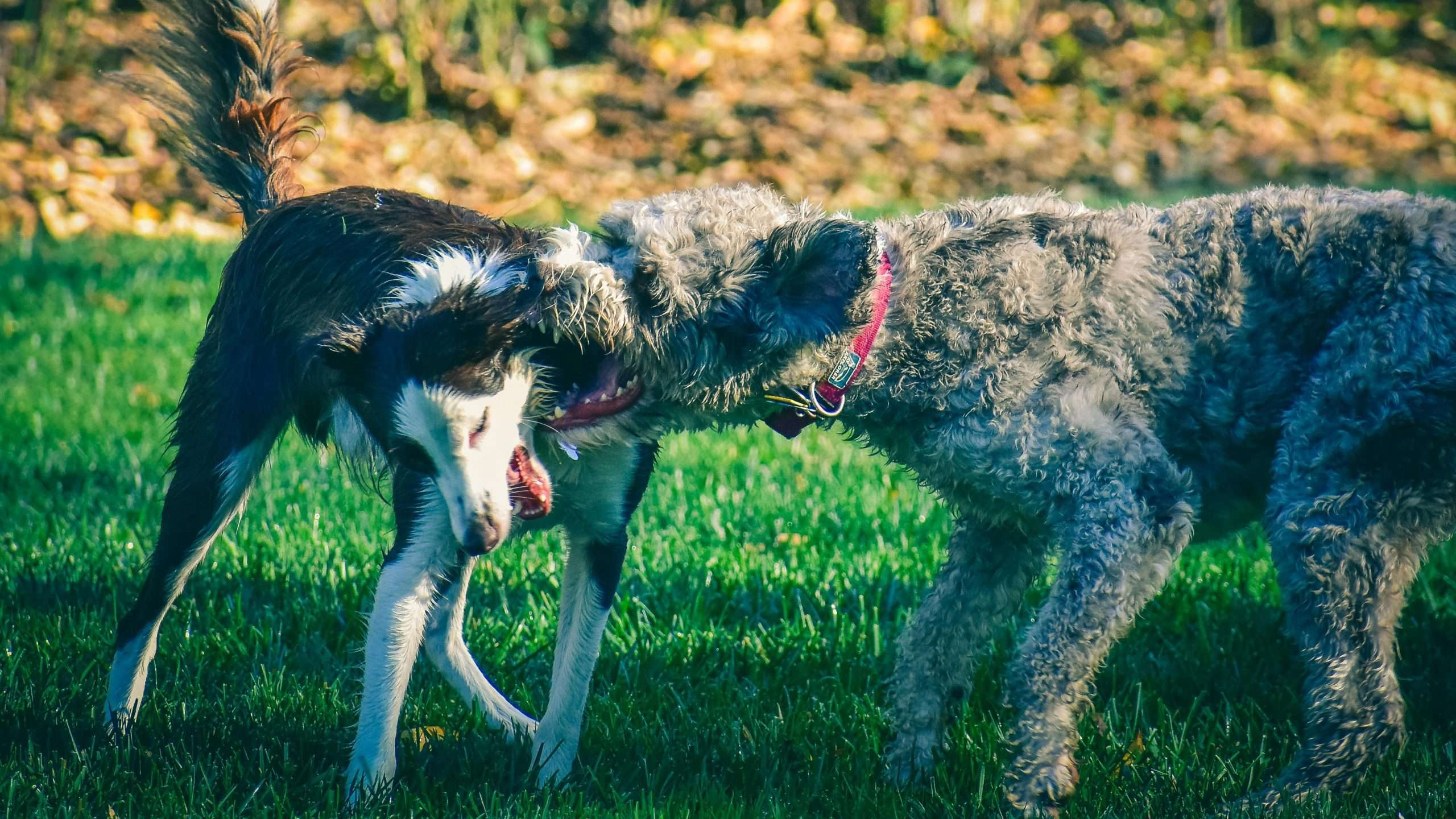
Dog attacks don’t typically happen without warning, although the signs may be subtle or misread. There are a number of reasons a dog might become aggressive:

- Fear or Anxiety: Dogs may lash out if they feel threatened, cornered, or scared. This is particularly common if a stranger approaches too quickly or in an unfamiliar environment.
- Territorial Behavior: Dogs are naturally territorial animals. If they perceive someone as a threat to their space, food, or family, they may become aggressive.
- Injury or Illness: A dog that’s hurt or not feeling well might bite as a defensive response. Pain can significantly alter a dog’s behavior.
- Lack of Socialization: Dogs that haven’t been properly socialized with people or other animals might react aggressively when faced with unfamiliar situations.
- Protective Instincts: A mother dog protecting her puppies or a dog trying to defend its owner might see any approaching person or animal as a threat.
Understanding these triggers is key to both avoiding and de-escalating potentially dangerous situations.
Are Certain Breeds More Prone to Dog Attacks?
There’s often debate around breed-specific aggression. While any dog can bite, some breeds are statistically more likely to be involved in dog attacks. This is typically due to a combination of size, strength, and historical breeding purposes (e.g., guarding or protection work).
Breeds like Pit Bulls, Rottweilers, German Shepherds, and Dobermans are frequently mentioned in bite statistics. However, it’s essential to recognize that environment, training, and upbringing play a much larger role than genetics alone. A well-trained dog of any breed can be safe, while a neglected or abused small breed can still bite.
It’s unfair and ineffective to label an entire breed as dangerous. Instead, responsible pet ownership and community education are much better tools to prevent dog attacks.
How to Prevent Dog Attacks
Avoiding dog attacks starts with education for dog owners and the general public. Here are practical steps you can take:

1. Teach Children How to Behave Around Dogs
Children are especially vulnerable to dog attacks, often because they don’t recognize a dog’s warning signs or boundaries. Teach them to:
- Always ask before petting a dog.
- Avoid disturbing a dog while it’s eating, sleeping, or caring for puppies.
- Never run from a dog or scream in its presence.
- Recognize signs of stress in dogs, such as growling, stiff posture, or raised hackles.
2. Don’t Approach Unfamiliar Dogs
It’s best to keep your distance from dogs you don’t know, especially if they’re off-leash or appear agitated. Let dogs come to you and sniff if they’re interested, and never reach over a fence or gate to touch a dog.
3. Secure Your Dog Properly
As a pet owner, you must ensure your dog is safely secured within your home or yard and leashed in public areas. Not only does this protect others, but it also prevents your dog from getting into trouble.
4. Socialize and Train Your Dog
Proper socialization from a young age helps dogs feel more comfortable around different people, animals, and environments. Basic obedience training also gives you control over your dog’s behavior and helps prevent problematic situations.
5. Spay or Neuter Your Dog
Studies suggest that spayed or neutered dogs are less likely to be aggressive, particularly males. It also prevents unwanted litters and promotes better behavior in general.
Related reads:
Dog bites: How to Prevent or Treat Them
What to Do During a Dog Attack
Even with precautions, dog attacks can happen. Here’s what to do if you or someone nearby is attacked:
1. Stay Calm and Avoid Eye Contact
Try not to scream or run. Sudden movements may escalate the aggression. Avoid direct eye contact, as it may be seen as a challenge.
2. Use an Object as a Barrier
If possible, place something between you and the dog—like a backpack, jacket, or even a bicycle. This can help prevent injury or minimize the attack.
3. Protect Vital Areas
If a dog knocks you down, curl into a ball with your hands over your head and neck. Try to remain as still as possible until the dog loses interest or help arrives.
4. Don’t Pull Away If Bitten
This may sound counterintuitive, but pulling away can worsen the injury. Try to remain still or use a distraction to get the dog to release its grip.
5. Seek Medical Help Immediately
Even minor bites can become infected. Rabies, tetanus, and other infections are serious risks. Always seek prompt medical attention after an attack.
After the Attack: Legal and Medical Steps
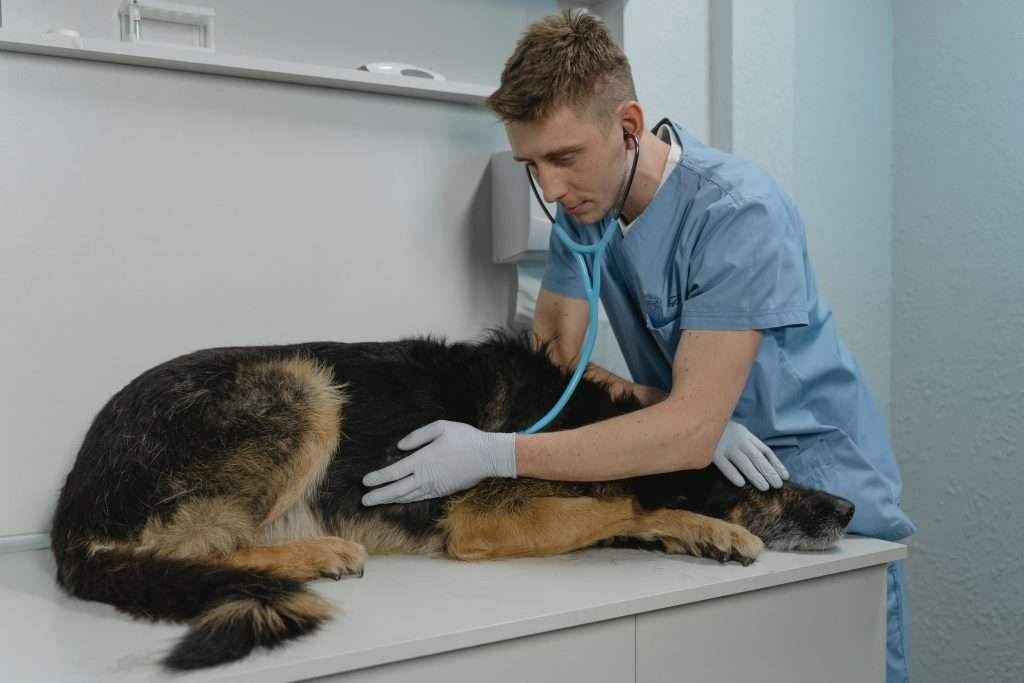
After the immediate danger has passed, here’s what to do next:
- Get Medical Treatment: Clean the wound thoroughly and get checked by a healthcare professional. Document the injuries with photos.
- Report the Attack: Contact animal control or local authorities. Provide details about the dog, the owner (if known), and the location of the attack.
- Identify the Dog: If possible, find out if the dog is vaccinated and if it has a history of aggression.
- Consider Legal Action: Depending on the severity, you may be entitled to compensation for medical bills, trauma, and lost income. Consult a lawyer if needed.
Emotional and Psychological Effects of Dog Attacks
Dog attacks can be traumatizing, especially for children. Victims may experience fear of dogs, anxiety, nightmares, and post-traumatic stress disorder (PTSD). It’s important to address the emotional impact alongside physical recovery. Talking to a counselor or psychologist may help.
For pet owners whose dogs were involved in an attack, guilt and fear of future incidents are also common. In some cases, working with a professional dog trainer or behaviorist is the best path forward.
Community Responsibility
Reducing the number of dog attacks is a community effort. Municipalities can support this by enforcing leash laws, offering affordable training programs, and educating the public on dog safety. Pet owners must take responsibility for their animals, and non-owners should know how to interact safely with dogs.
Some cities have implemented breed-specific legislation (BSL), but experts often argue that this is ineffective and discriminatory. A more productive solution lies in promoting responsible ownership, encouraging early training, and improving access to veterinary care.
Final Thoughts
While most dogs are friendly and non-aggressive, it’s important not to take that for granted. Dog attacks can and do happen, often when least expected. Whether you’re a dog owner, parent, or just someone who encounters dogs regularly, being aware of the risks and knowing how to respond can make a huge difference.
Preventing dog attacks isn’t about fear – it’s about respect, understanding, and preparation. With the right knowledge and a little caution, we can ensure that humans and dogs continue to coexist safely and happily.