Dog Anal Glands: Common Problems, Treatment, and Prevention

Many dog parents notice behaviors like scooting, excessive licking near the tail, or a sudden strong odor and feel confused or even embarrassed about what it means. In most cases, these signs point to issues with dog anal glands, a small but important part of canine anatomy that often goes unnoticed until something goes wrong. Understanding how these glands work, why problems occur, and how they can be treated or prevented can help you keep your dog comfortable and healthy.
This guide breaks down everything you need to know about dog anal glands, from their function to common health concerns and long term care.

What Are Dog Anal Glands and What Do They Do?
Dog anal glands, also called anal sacs, are two small sacs located just inside your dog’s anus, positioned roughly at the four o’clock and eight o’clock spots. These glands produce a thick, strong smelling fluid that plays a role in scent communication among dogs.
How Dog Anal Glands Work Naturally
In healthy dogs, dog anal glands empty naturally during bowel movements. When a dog passes firm stool, pressure builds against the glands, causing the fluid inside to release. This is why dogs can recognize each other through scent and why sniffing behavior is so common.
Why Dog Anal Glands Matter
Although they are small, dog anal glands support normal digestion and communication. When they function properly, most dogs never show signs of discomfort. Problems begin when the glands do not empty as they should.
Common Dog Anal Gland Problems
Issues with dog anal glands are fairly common, especially in small and medium sized dogs. These problems often develop gradually and worsen if left untreated.
Impacted Dog Anal Glands
Impaction happens when the fluid inside the glands becomes thick and cannot be released naturally. The glands slowly fill up, causing pressure and discomfort. This is one of the most common anal gland issues seen in dogs.
Infected Dog Anal Glands
When impacted glands are not emptied, bacteria can grow inside them. This leads to infection, swelling, pain, and redness around the anal area. Dogs with infected dog anal glands often show clear signs of distress.
Anal Gland Abscesses
An abscess occurs when infection progresses and pus builds up inside the gland. Abscesses can rupture through the skin, causing bleeding and open wounds. This condition is painful and requires immediate veterinary care.
Ruptured Dog Anal Glands
If pressure and infection continue unchecked, the gland can burst. Ruptured dog anal glands often appear as a sudden open sore near the anus and are extremely uncomfortable for the dog.
Anal Gland Tumors
Although rare, cancer of the anal glands can occur. These tumors may cause persistent swelling, changes in bowel movements, or unexplained weight loss. Early diagnosis is important in these cases.
Related reads:
Signs and Colors of an Unhealthy Dog Tongue
Signs Your Dog May Have Dog Anal Gland Issues
Dogs rarely hide discomfort related to dog anal glands, but many owners do not recognize the signs right away.
Common symptoms include:
- Scooting or dragging the rear across the floor
- Frequent licking or biting around the anus
- A strong fishy or metallic odor
- Difficulty sitting or sudden discomfort when sitting
- Swelling or redness near the anal area
- Changes in behavior such as irritability or restlessness
If these signs appear repeatedly, it is often linked to dog anal glands that are not functioning properly.
What Causes Dog Anal Gland Problems?
Several factors increase the risk of anal gland issues, and most cases involve more than one cause.
Diet and Stool Quality
Soft stools or chronic diarrhea reduce the pressure needed to empty dog anal glands naturally. Dogs on low fiber diets are especially prone to this issue.
Obesity and Poor Muscle Tone
Excess weight reduces muscle efficiency in the pelvic area, making it harder for dog anal glands to empty fully during bowel movements.
Breed and Body Structure
Smaller breeds such as Pugs, Chihuahuas, and Shih Tzus are more prone to dog anal gland issues. Their gland ducts tend to be narrower, increasing the risk of blockage.
Allergies and Skin Conditions
Food and environmental allergies can cause inflammation around the anus, which may affect how dog anal glands function over time.
Chronic Digestive Problems
Ongoing constipation or diarrhea interferes with normal gland expression and increases the risk of impaction or infection.
How Veterinarians Diagnose Dog Anal Gland Problems
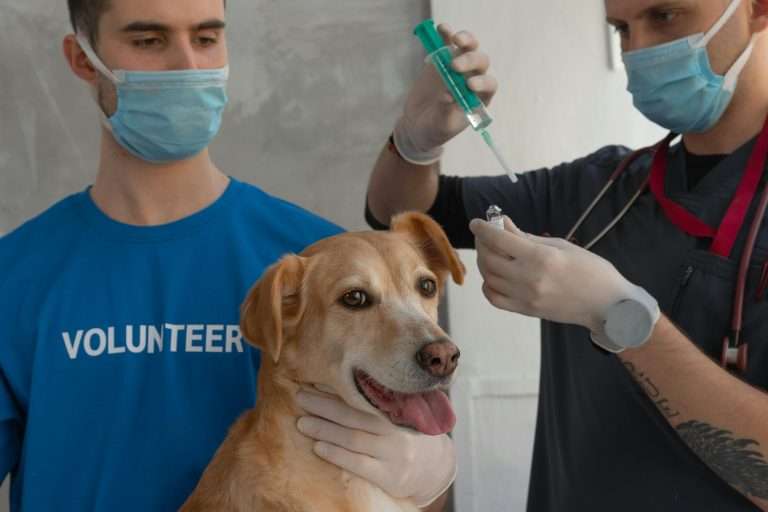
Diagnosis usually starts with a physical examination. A veterinarian gently palpates the area to assess the size, firmness, and sensitivity of the glands.
In more complex cases involving infection or recurring issues, additional steps may include:
- Expressing the glands to check fluid consistency
- Collecting samples if infection is suspected
- Imaging tests for deeper or chronic conditions
Early diagnosis of dog anal glands issues often prevents complications like abscesses or rupture.
Treatment Options for Dog Anal Gland Problems
Treatment depends on the severity of the condition and how frequently problems occur.
Manual Expression of Dog Anal Glands
For mild impaction, manual expression is often enough. This involves gently squeezing the glands to release built up fluid. It can be done by a veterinarian, trained groomer, or under professional guidance.
Medication for Infected Dog Anal Glands
Infections usually require antibiotics and anti inflammatory medication. Pain relief may also be prescribed to help your dog feel more comfortable during healing.
Treating Abscesses and Ruptures
Abscesses need professional drainage and thorough cleaning. In severe cases, dogs may require sedation, wound care, and follow up treatment to prevent recurrence.
Surgical Removal of Dog Anal Glands
Dogs with chronic, recurring issues or tumors may benefit from surgical removal of the glands. While surgery carries risks, it can significantly improve quality of life when other treatments fail.
Preventing Dog Anal Gland Problems
Prevention focuses on supporting digestion and overall health so the glands can empty naturally.
Diet Adjustments
A balanced diet with adequate fiber helps produce firm stools that support healthy dog anal glands function. Fiber supplements may be recommended in some cases.
Maintaining a Healthy Weight
Keeping your dog at an ideal weight reduces strain on the pelvic muscles and supports proper gland expression.
Regular Exercise
Daily activity improves digestion and muscle tone, both of which contribute to healthier dog anal glands.
Routine Vet Checkups
Regular veterinary visits help identify minor issues before they become painful or expensive problems.
Proper Grooming and Hygiene
Keeping the area around the anus clean reduces irritation and lowers the risk of infection in dog anal glands.
When to See a Vet for Dog Anal Glands
You should seek veterinary care if:
- Scooting continues despite dietary changes
- Swelling, bleeding, or discharge is visible
- Your dog shows pain, fever, or loss of appetite
- A strong odor persists after gland expression
Prompt treatment prevents complications and reduces discomfort related to dog anal glands.
Final Thoughts
While dog anal glands may seem like a minor topic, they play a meaningful role in your dog’s comfort and overall health. Most problems are manageable when caught early, and many can be prevented with proper diet, exercise, and routine care. Paying attention to subtle signs and seeking timely veterinary support ensures your dog stays happy, healthy, and pain free.