What Does a Discolored Dog Tooth Mean for Your Pet? A Complete Guide to Discolored Dog Teeth

Noticing a sudden color change in your dog’s tooth can be unsettling. One day everything looks normal, and the next, a tooth appears gray, pink, brown, or even black. While it may seem like a minor cosmetic issue, discolored dog teeth often point to something happening beneath the surface. In many cases, tooth discoloration is the body’s way of signaling pain, injury, or infection that your dog cannot express in obvious ways.
Dogs are experts at hiding discomfort, especially when it comes to dental pain. That is why understanding what discolored dog teeth mean and when to take action plays a big role in protecting your pet’s overall health.

This guide explains the types, causes, risks, and treatment options related to tooth discoloration in dogs, helping you make informed decisions before the problem worsens.
Understanding Discolored Teeth in Dogs
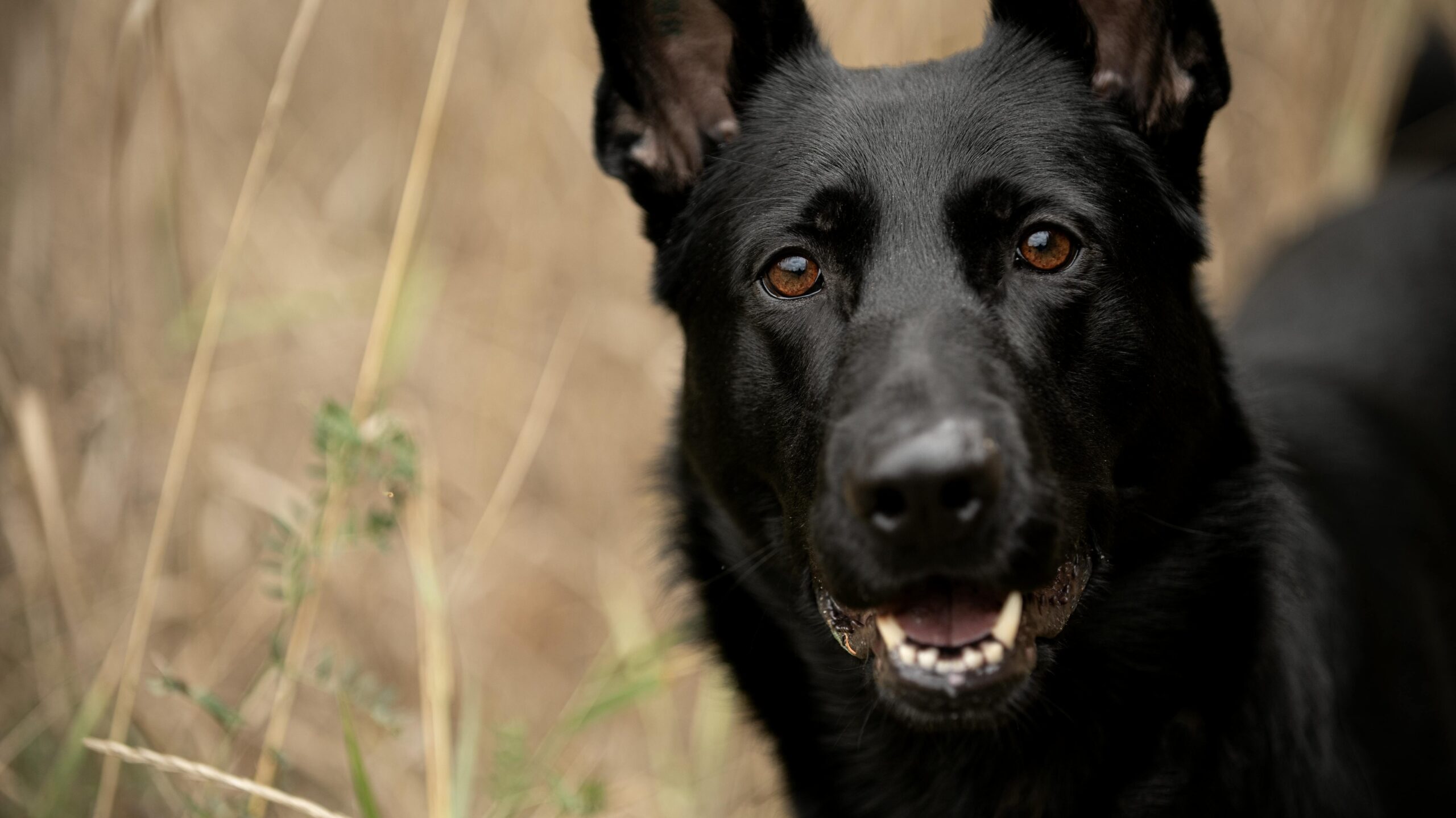
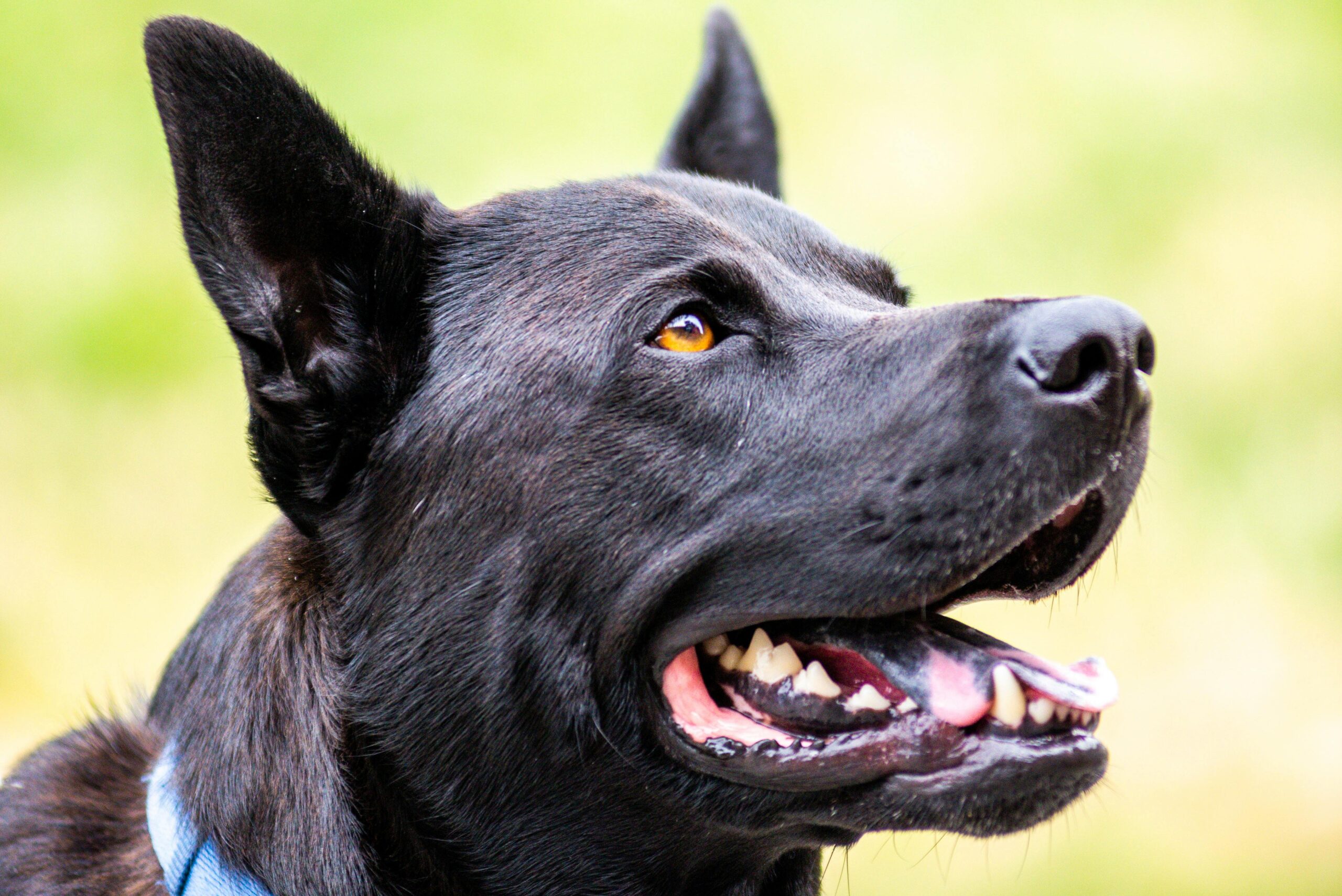
Tooth discoloration in dogs refers to any abnormal color change affecting one or more teeth. Healthy dog teeth are typically off-white. When a tooth turns yellow, brown, gray, pink, purple, or black, it is considered abnormal.
Discolored dog teeth can appear in dogs of any age. Puppies may develop discoloration due to developmental issues or early trauma, while adult and senior dogs often experience discoloration from plaque buildup, injury, or internal tooth damage.
What makes discolored dog teeth concerning is that the visible color change is often just the surface sign of a deeper problem. In many cases, the inner part of the tooth called the pulp is affected, leading to inflammation, infection, or even tissue death.
Types of Discolored Teeth: Intrinsic vs Extrinsic
Not all tooth discoloration means the same thing. Veterinarians generally divide discolored dog teeth into two categories based on where the problem starts.
Extrinsic and Surface Staining
Extrinsic discoloration affects the outside of the tooth. This type of discolored dog teeth is caused by substances that stain the enamel rather than damage the internal structure.
Common causes include plaque and tartar buildup, food and water stains, medications, and age-related changes. These stains usually appear yellow or brown and often develop gradually over time.
Extrinsic discolored dog teeth are usually less serious and may not be painful, though they can still lead to gum disease if left unaddressed.
Intrinsicand Internal Damage
Intrinsic discoloration originates inside the tooth. This form of discolored dog teeth is far more concerning because it often indicates injury or death of the pulp tissue.
Intrinsic discoloration typically appears as gray, pink, purple, blue, or black. Trauma is the most common cause, even if the tooth is not visibly fractured. Biting down on hard objects, accidental impact, or chewing inappropriate toys can damage the pulp without breaking the tooth.
Intrinsic discolored dog teeth almost always require veterinary attention.
What Different Tooth Colors Say About Discolored Teeth

The color of a discolored tooth can provide important clues about the underlying issue.
Yellow and Brown Discolored Teeth
Yellow or brown discolored dog teeth are most often caused by surface staining. Plaque that hardens into tartar can trap pigments from food, water, or medications. Over time, this buildup darkens and spreads.
While these stains may not always be painful, they create an environment where bacteria thrive. This increases the risk of gum disease, bad breath, and eventual tooth damage.
Pink, Gray, Purple, or Black Discolored Dog Teeth
These colors are strong indicators of intrinsic damage. Gray or purple discolored teeth often suggest pulp death following trauma. Pink discoloration can occur when blood seeps into the tooth after injury. Black discoloration usually signals advanced tissue death or infection.
Unlike surface stains, these color changes almost always mean the tooth is non-vital and painful, even if your dog shows no outward signs.
What Happens Inside a Tooth When Discolored Dog Teeth Turn Non-Vital
Inside each tooth is a pulp cavity containing nerves, blood vessels, and connective tissue. When trauma or infection damages this pulp, the tissue begins to die. This process is known as pulp necrosis.
As the pulp dies, inflammation spreads to the root tip, leading to damage in the surrounding bone. This condition may develop slowly, sometimes over months or even years. During this time, dogs experience ongoing discomfort that often goes unnoticed.
This is why discolored dog teeth should never be ignored, even if your dog continues eating and behaving normally.
Related reads:
Common Dental Problems in Dogs: Signs, Causes, and Prevention Tips
Common Causes Behind Discolored Dog Teeth
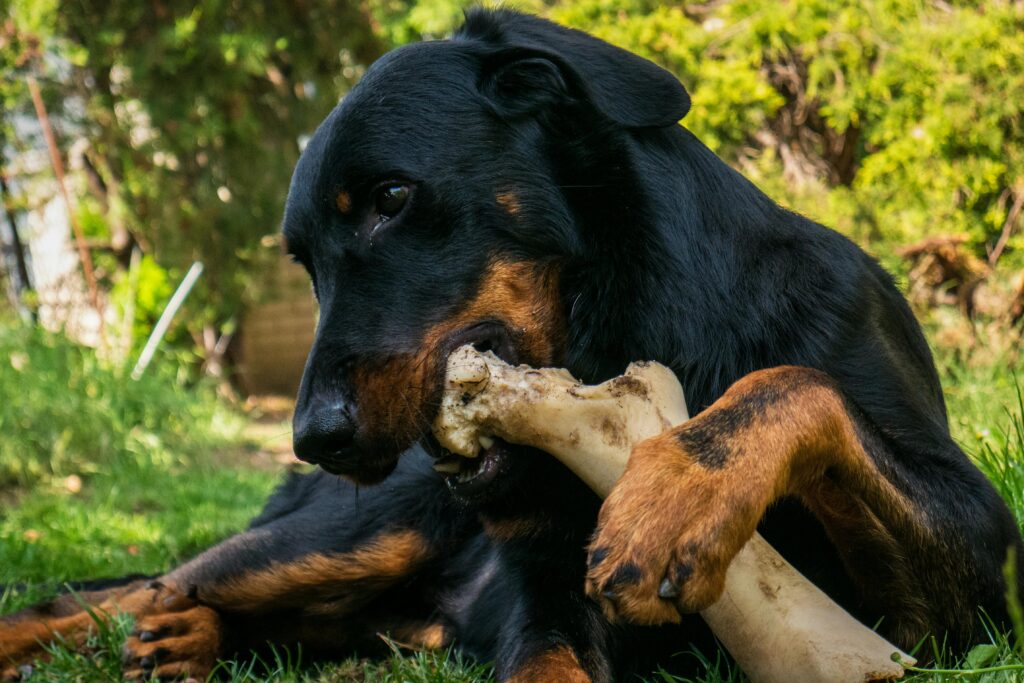
Several factors can contribute to tooth discoloration in dogs. Trauma remains the leading cause, particularly in dogs that chew hard objects like bones, antlers, or hard toys.
Other causes of discolored dog teeth include infections that affect tooth development, systemic illnesses that interfere with enamel formation, excessive bilirubin levels in the blood, and genetic enamel defects.
In some cases, discoloration occurs during tooth development in puppies due to illness or severe stress.
Are Discolored Dog Teeth Painful for Dogs?
Yes, in many cases they are. Intrinsic discolored teeth are considered painful because inflammation and infection develop deep within the tooth and surrounding bone.
Dogs rarely cry, limp, or refuse food due to dental pain. Instead, they adapt. They may chew on one side of the mouth, eat more slowly, or avoid certain toys. These subtle changes are easy to miss.
Even when pain is not obvious, untreated discolored dog teeth can significantly reduce a dog’s quality of life.
When Discolored Dog Teeth Might Not Be an Emergency
Not all discoloration signals a crisis. Mild yellowing or brown staining caused by plaque buildup may not require urgent treatment. In these cases, professional dental cleaning and improved home care may be sufficient.
However, it is impossible to determine the severity without proper examination. Even surface-level discolored teeth should be assessed to rule out deeper issues.
Treatment Options for Discolored Teeth
Treatment depends on whether the discoloration is extrinsic or intrinsic and how much damage has occurred.
Professional Cleaning for Surface Discolored Dog Teeth
When discoloration is limited to plaque and tartar, professional dental cleaning can restore tooth appearance and reduce bacterial buildup. This approach is suitable for non-painful extrinsic discolored dog teeth.
Root Canal Therapy for Discolored Dog Teeth
Root canal therapy is often recommended for intrinsic discoloration when the tooth structure is still intact. The procedure involves removing dead pulp tissue, cleaning the inner tooth, and sealing it to prevent reinfection.
This option preserves the tooth and is less traumatic than extraction. For many dogs, it is the preferred treatment for discolored dog teeth caused by pulp death.
Tooth Extraction for Severe Discolored Dog Teeth
When damage is extensive or infection has spread, extraction may be the safest option. Although more invasive, removing the tooth eliminates pain and prevents further complications.
Dogs typically recover well and adapt quickly after extraction of severely discolored dog teeth.
Tooth Restoration for Enamel-Related Discolored Dog Teeth
In cases involving enamel defects, restorative procedures may be used to protect exposed tooth structure. This approach helps prevent future infection and sensitivity.
Final Thoughts
Tooth discoloration is never something to brush off. While some cases of discolored dog teeth are harmless, many indicate pain, infection, or long-term damage hidden beneath the surface. Paying attention to subtle color changes and seeking timely veterinary care can spare your dog years of discomfort and protect their overall health.
When it comes to discolored dog teeth, early awareness makes all the difference.

![How to Choose Healthy Food for Your Dog [2024]](https://100dogbreeds.com/wp-content/uploads/2024/07/dog-healthy-food-768x512.jpg)
![Do’s and Don’ts While Dealing with an Anxious Dog [2024]](https://100dogbreeds.com/wp-content/uploads/2024/07/anxious-dog-featured-768x513.jpg)