How to Crate Train Your Dog or Puppy: A Comprehensive Guide


Are you tired of coming home to chewed-up shoes and mysterious puddles on the floor? Wondering how to keep your dpg safe and happy when you can’t be there? The solution might be simpler than you think. It’s time to crate train your dog. Yes, you read that right! Crate training is a powerful tool that can transform your dog’s behavior and your peace of mind.
Crate training your dog isn’t just about convenience; it’s a game-changer for both you and your canine companion. But what exactly is crate training, and how can it solve so many problems at once? In this comprehensive guide, we’ll walk you through the process of how to crate train your dog or puppy, from choosing the right crate to troubleshooting common issues.

Understanding Crate Training
Crate training is the process of teaching your dog to feel comfortable and secure in a crate or kennel. While it may seem counterintuitive to confine your pet, dogs are den animals by nature, and a properly introduced crate can become a safe haven for them.
Benefits of Crate Training Your Dog

- Aids in housebreaking
- Provides a safe space during travel
- Keeps your dog out of mischief when unsupervised
- Gives your dog a personal space to relax
Choosing the Right Crate
The first step in successful crate training is selecting the appropriate crate for your dog.
Types of Crates:
- Wire crates: Offer good ventilation and visibility
- Plastic crates: More den-like and great for travel
- Fabric crates: Lightweight and portable, but less durable
Selecting the Correct Size: The crate should be large enough for your dog to stand up, turn around, and lie down comfortably. However, it shouldn’t be so large that your dog can use one end as a bathroom and the other as a sleeping area. For puppies, consider a crate with a divider that can be adjusted as they grow.
Crate Location in Your Home: Place the crate in a central area of your home where your dog can feel part of the family action. Avoid putting it in isolated areas like basements or garages.
Essential Supplies for Crate Training

To make the crate a comfortable and inviting space, you’ll need:
- Bedding: A soft, washable bed or crate mat
- Treats: Small, high-value treats for positive reinforcement
- Toys: Durable toys to keep your dog occupied in the crate
How to Crate Train Your Dog: Step-by-Step Guide
To crate train your dog, follow these 5 steps below.
- Introducing Your Dog to the Crate: Start by placing the crate in a common area with the door open. Let your dog explore it at their own pace. Toss treats near and inside the crate to create positive associations.
- Creating Positive Associations: Make the crate an exciting place by hiding treats inside or feeding meals near it. Gradually move the food bowl closer to and eventually inside the crate.
- Feeding Meals in the Crate: Once your dog is comfortable entering the crate, start feeding their regular meals inside. This reinforces the idea that the crate is a positive space.
- Practicing with Closed Door: After your dog is eating comfortably in the crate, begin closing the door for short periods while they eat. Gradually increase the time the door stays closed after meals.
- Extending Crate Time Gradually: Start leaving your dog in the crate for short periods during the day. Begin with just a few minutes and slowly increase the duration. Always provide a toy or treat to keep them occupied.
Tips for Successful Crate Training
Proper Timing and Duration:
- Never use the crate as punishment
- Don’t leave your dog crated for too long (puppies can typically “hold it” for their age in months plus one hour, up to 8 hours)
- Always give your dog a potty break before and after crate time
Avoiding Common Mistakes:
- Don’t force your dog into the crate
- Don’t let your dog out when they’re barking or whining (unless it’s a potty emergency)
- Don’t make a big fuss when leaving or returning to reduce anxiety
Dealing with Whining or Barking: Ignore attention-seeking behavior, but respond to legitimate needs like bathroom breaks. Be consistent in your approach.
Crate Train Your Dog for Different Situations
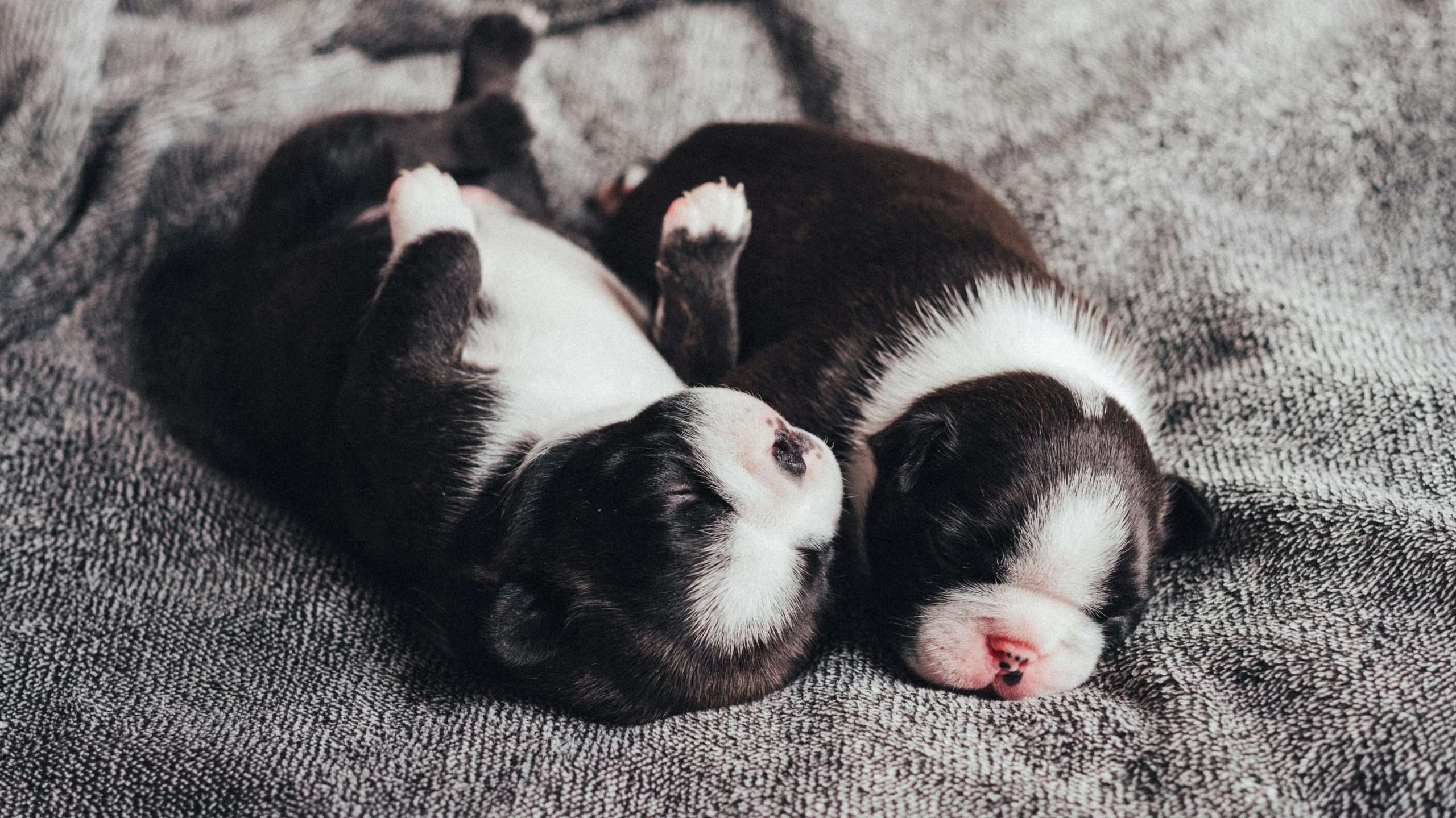
Crate Training Puppies vs. Adult Dogs: Puppies may require more frequent potty breaks and shorter crate sessions. Adult dogs might take longer to adjust if they’re not used to crates.
Nighttime Crate Training: Start with the crate in your bedroom to ease the transition. Gradually move it to its permanent location once your dog is comfortable.
Using the Crate for Travel: Introduce car rides gradually, starting with short trips to positive destinations.
Troubleshooting Crate Training Issues
Separation Anxiety: If your dog shows signs of severe distress, consult a professional trainer or behaviorist. Crate training alone may not solve separation anxiety.
Reluctance to Enter the Crate: Make the crate more inviting with special treats or toys. Never force your dog inside.
Accidents in the Crate: If accidents occur, reassess your crate size and schedule. Increase potty breaks and watch for signs your dog needs to go out.
Until Next Time!
Crate training your dog is a process that requires patience and consistency, but the long-term benefits are well worth the effort. A properly crate-trained dog will have a safe space to call their own, making life easier for both you and your furry friend. Remember, every dog is unique, so be prepared to adjust your approach based on your pet’s individual needs and personality.
As your dog becomes more comfortable with the crate and develops better house manners, you can gradually reduce crate time. However, many dogs continue to enjoy their crates as a retreat throughout their lives.
Hope this guide on how to crate train your dog or puppy was useful. Let us know your thoughts in the comment section below.
FAQs
How long does it take to crate train a dog?
The time can vary greatly depending on the individual dog, but most dogs can be crate trained within a few weeks to a couple of months.
Is it cruel to crate train a dog?
When done properly, crate training is not cruel. It provides dogs with a safe, den-like space and can reduce anxiety.
Can I crate train an older dog?
Yes, older dogs can be crate trained, although it may take more time and patience than with a puppy.
Should I cover my dog’s crate?
Some dogs prefer a covered crate as it feels more den-like. If you choose to cover the crate, ensure proper ventilation.
How often should I let my dog out of the crate?
Adult dogs shouldn’t be crated for more than 4-5 hours at a time during the day. Puppies need more frequent breaks based on their age.
![The Responsibility of Raising Kids and Dogs Together [2025]](https://100dogbreeds.com/wp-content/uploads/2025/04/pexels-jenny-uhling-2262740-17807527-768x512.jpg)