Caring For Your Dog In Snow And Freezing Temperatures

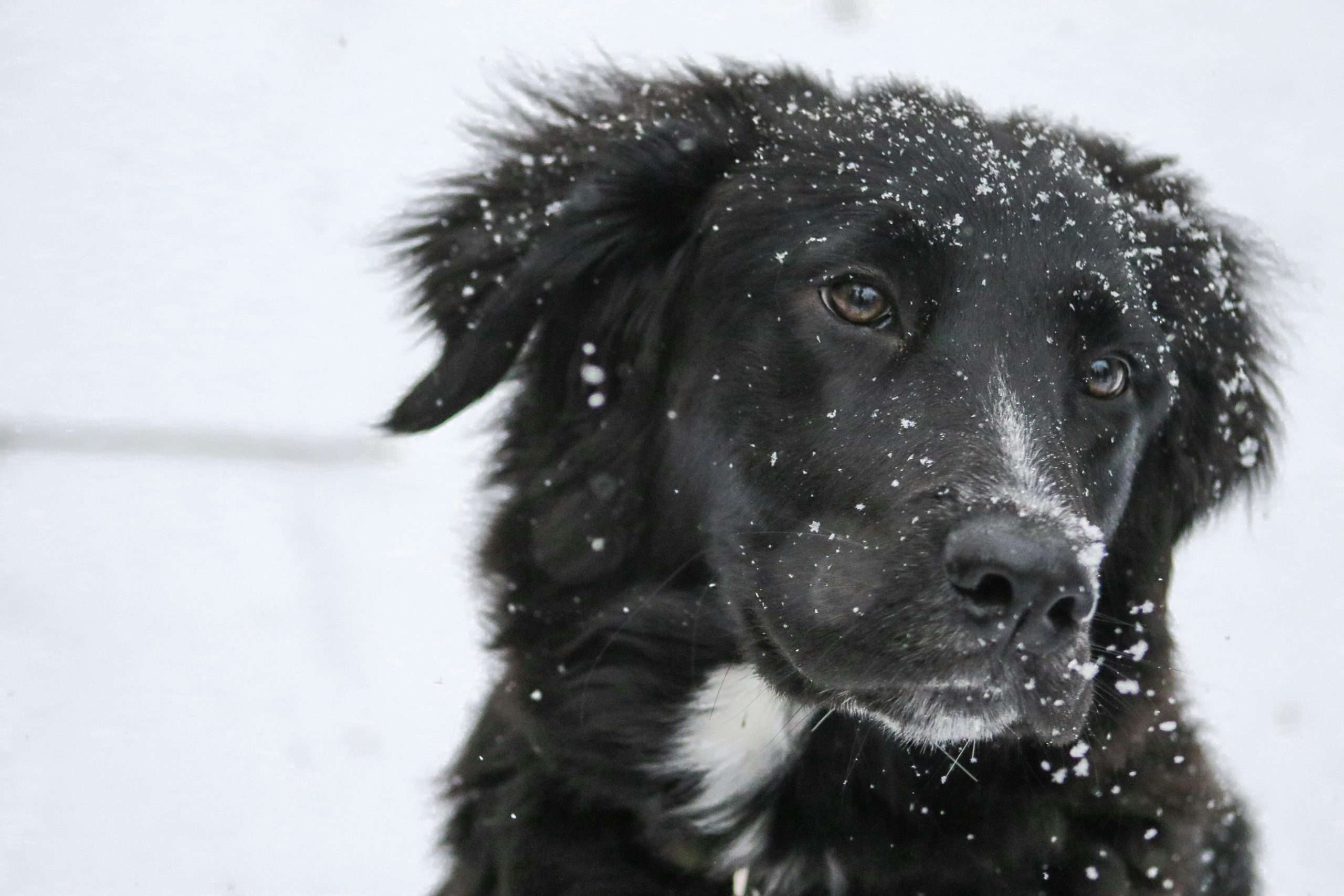
When winter blankets the world in a crisp, white layer, many dogs can’t wait to explore the magical dog in snow wonderland. However, as exciting as snowy adventures can be, pet owners must understand the unique challenges that cold weather presents to their furry companions. In this article, let’s cover how to care for your dog in snow and freezing temperatures.
Understanding Your Dog’s Winter Tolerance
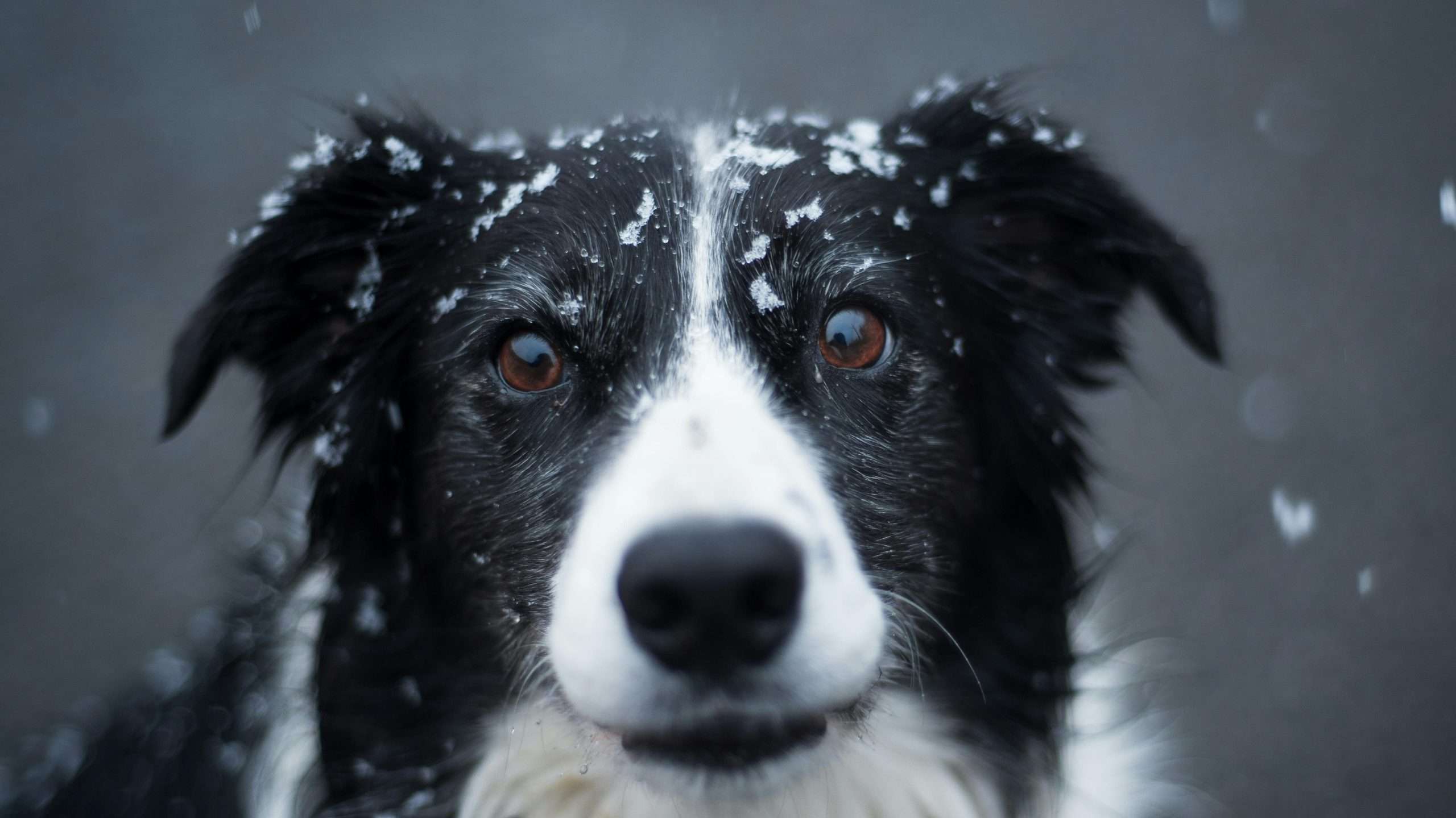
Not all dogs are created equal when it comes to dogs in snow. Some breeds, like Huskies and Malamutes, seem to thrive in freezing temperatures, while others, particularly short-haired or small breeds, may struggle to stay warm. A good rule of thumb is simple: if it’s too cold for you in a winter coat, it’s likely too cold for your dog.

Breed-Specific Considerations
Short-haired breeds like Chihuahuas, Greyhounds, and Whippets have minimal natural protection against cold. These dogs will benefit most from additional layers and limited outdoor exposure. On the other hand, breeds with thick double coats like Saint Bernards and German Shepherds have more natural insulation, but even they aren’t immune to winter’s harsh conditions.
Protecting Your Dog in Snow: Essential Gear and Preparation
When preparing for dog in snow adventures, investing in the right gear can make a significant difference. A well-fitting, waterproof dog coat is crucial for dogs with thin fur or those more susceptible to cold. Look for coats that:
- Cover the dog’s core body
- Allow free movement
- Are made from water-resistant material
- Provide warmth without bulk
Dog boots are another critical piece of winter equipment. These protect delicate paw pads from ice, salt, and freezing surfaces. When selecting boots, ensure they:
- Fit snugly but comfortably
- Provide good grip
- Are easy to put on and take off
Paw Care in Snowy Conditions
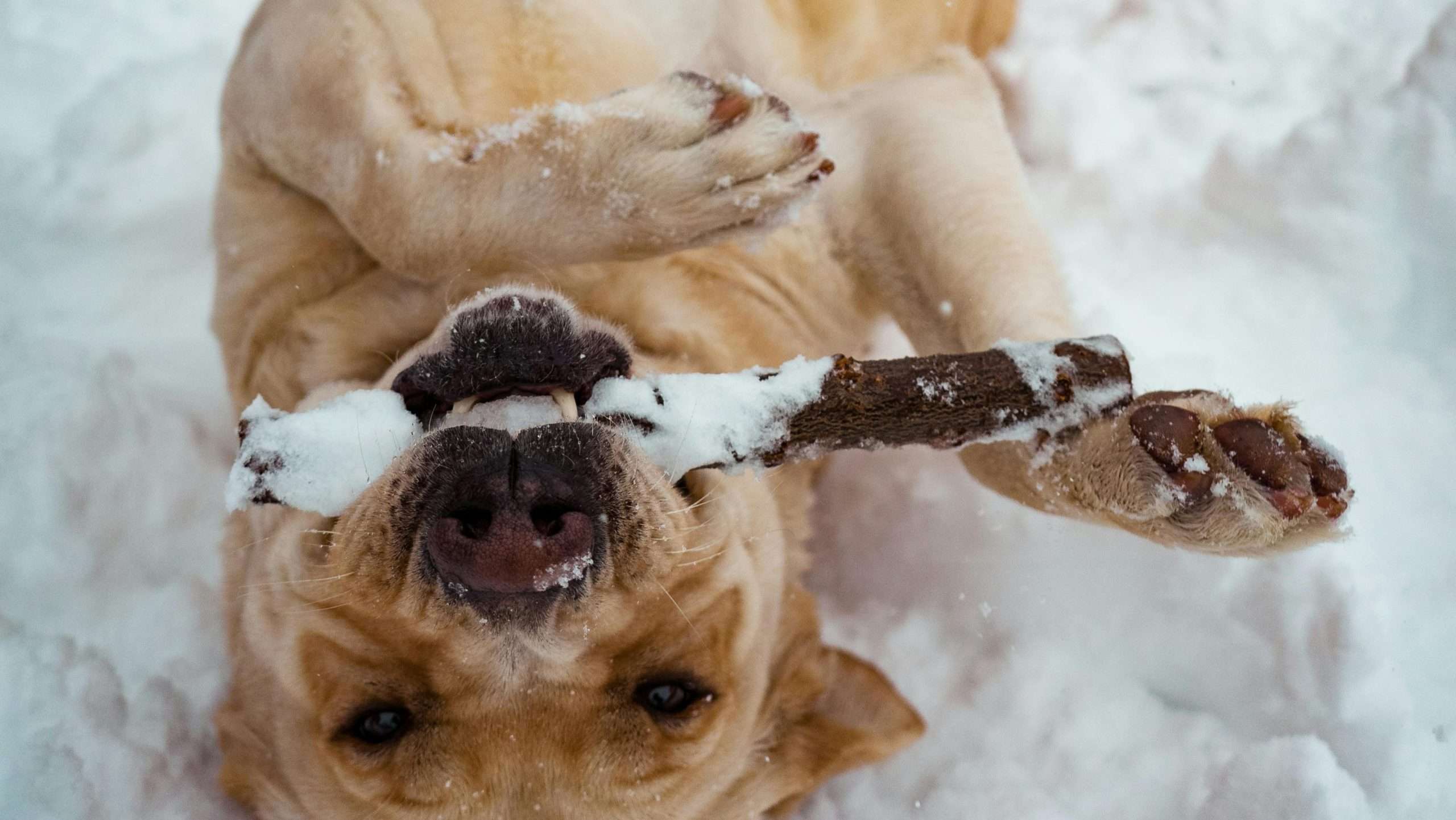
Dogs in snow frequently encounter hazards that can harm their sensitive paw pads. Rock salt and chemical de-icers can cause chemical burns and significant discomfort. Always wipe your dog’s paws thoroughly after walks, removing any salt or ice accumulation.
For dogs with longer fur between their paw pads, ice can easily form painful balls that cause discomfort and potential injury. Regular trimming around the paws can help prevent this issue. Consider using pet-safe paw balms to provide an extra layer of protection and moisture.
Health Risks to Watch in Freezing Temperatures
Hypothermia and frostbite represent two of the most dangerous winter threats for dogs in snow. Understanding these conditions is crucial for every responsible pet owner. Hypothermia occurs when a dog’s body temperature drops significantly below the normal range of 101 to 102.5 degrees Fahrenheit, potentially leading to life-threatening complications.
Hypothermia in Dogs
The progression of hypothermia can be subtle but devastating. In the early stages, a dog in snow may exhibit initial warning signs that are easy to miss. Violent shivering is often the first indication that your dog’s body is struggling to maintain its core temperature. This shivering is the body’s natural mechanism to generate heat, but it can quickly give way to more alarming symptoms.
As hypothermia advances, lethargy becomes pronounced. Your typically energetic companion may become unusually slow, reluctant to move, and appear increasingly weak. The weak pulse is particularly concerning, indicating that the body is conserving energy by reducing blood circulation to extremities. Decreased mental alertness follows, with the dog potentially becoming confused, unresponsive, or showing signs of significant disorientation.
Vulnerable Populations
Certain dogs in snow are at heightened risk and require extra precautions:
Puppies lack the developed thermoregulation mechanisms of adult dogs. Their small bodies lose heat rapidly, making them exceptionally vulnerable to cold temperatures. Senior dogs face similar challenges, with reduced muscle mass and potentially compromised immune systems making them less resilient to extreme cold.
Dogs with underlying health conditions such as diabetes, heart disease, or hormonal imbalances have additional challenges in regulating body temperature. Conditions like Cushing’s disease or thyroid problems can significantly impact a dog’s ability to stay warm, turning a simple winter walk into a potential health crisis.
Frostbite: The Silent Winter Threat
While less discussed, frostbite is equally dangerous for dogs in snow. It typically affects extremities like ears, tail, and paw pads. The skin may appear pale or bluish-white, feeling cold and potentially hard to the touch. In severe cases, tissue damage can occur, leading to potential tissue loss.
Outdoor Exercise and Dog in Snow Activities
While winter might seem limiting, dogs still need regular exercise. Short, frequent walks are better than long, prolonged exposure to cold. For dogs in snow, consider these engagement strategies:
Indoor Alternatives
- Puzzle toys
- Indoor fetch
- Training sessions
- Tug-of-war games
Related reads:
10 Fun Ways to Exercise Your Dog
Outdoor Snow Play Guidelines
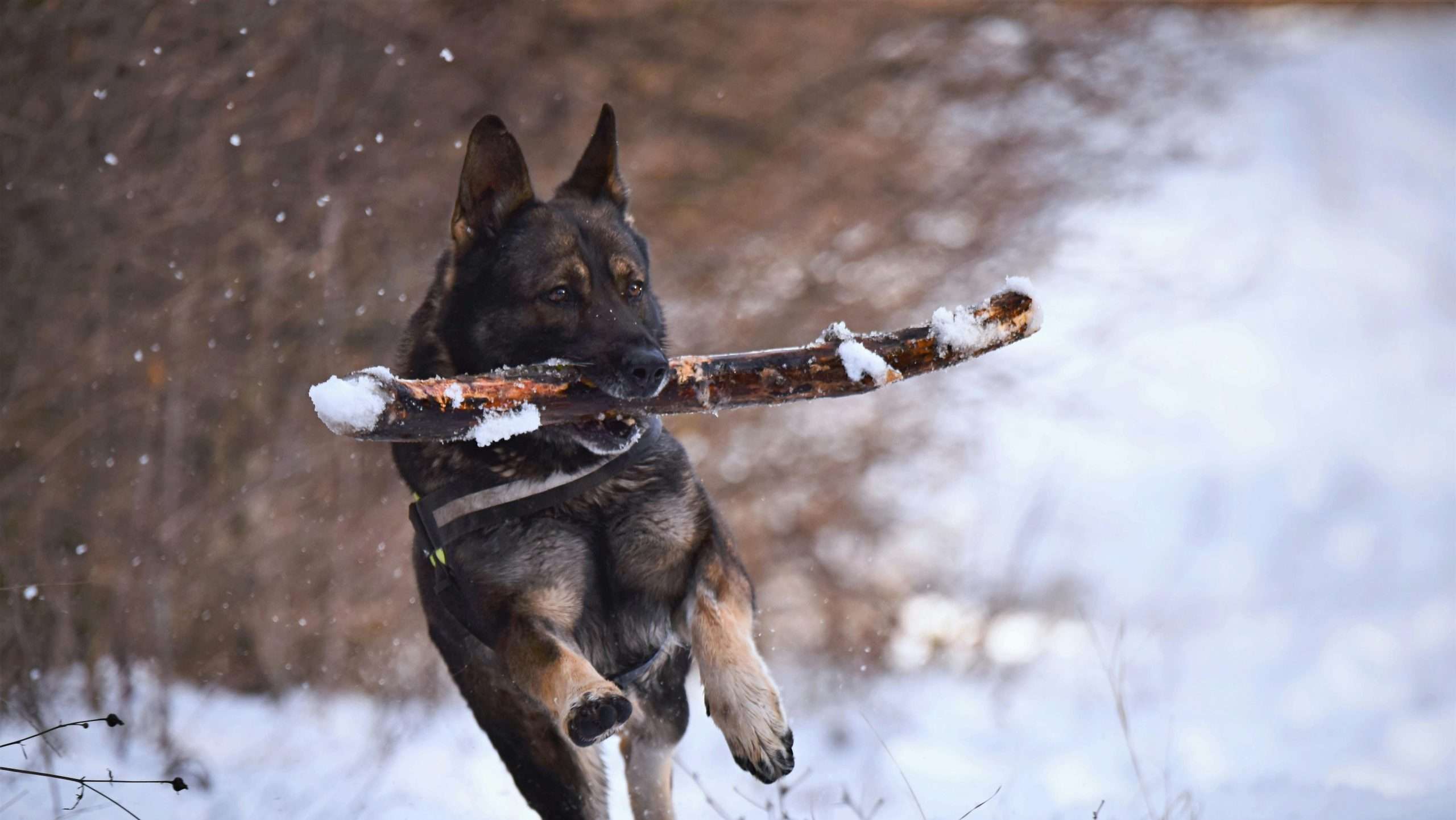
- Limit outdoor time in extremely cold conditions
- Watch for signs of discomfort
- Keep walks shorter and more frequent
- Dress appropriately with protective gear
Nutrition and Winter Care
Dogs burn more calories staying warm in cold weather. Consult your veterinarian about potentially increasing food intake, especially for dogs spending significant time outdoors. Ensure constant access to fresh, unfrozen water.
Emergency Preparedness
Creating a winter safety kit is more than just gathering a few items – it’s about being prepared for any potential winter-related emergency your dog in snow might encounter.
Essential Components of a Winter Safety Kit
- Protective Gear
A high-quality dog coat is more than just a fashion statement. Look for waterproof, insulated options that cover the dog’s core while allowing freedom of movement. Choose coats with adjustable straps and reflective elements for added safety during darker winter days.
- First Aid and Comfort
Extra towels serve multiple purposes. They can dry off a wet dog, provide warmth, or be used to wrap your pet in case of emergency. Opt for absorbent, quick-drying microfiber towels that are lightweight and easy to pack.
- Paw Protection
A good paw balm is crucial for dogs in snow. Look for products that:
- Protect against salt and chemical burns
- Provide moisture to prevent cracking
- Create a protective barrier against ice and cold
- Are made from natural, dog-safe ingredients
- Emergency Blankets
Choose blankets designed specifically for pets. Thermal emergency blankets can provide critical warmth in extreme situations. Some specialized pet blankets have reflective properties that help retain body heat.
- Critical Contact Information
Compile a winter emergency contact list including:
- Primary veterinarian’s contact details
- Emergency veterinary clinic information
- Local animal emergency services
- Poison control hotline
- Your personal contact information
Additional Recommended Items
- Portable water bowl
- High-energy treats
- Small first-aid kit
- Portable heat pack
- Quick-dry dog towel
- Small flashlight
- Extra collar and leash
Final Thoughts on Dogs in Snow
Winter doesn’t have to mean hibernation for your furry friend. With proper preparation, protective gear, and attentive care, your dog can safely enjoy the magical snowy landscape. Always monitor your pet, watch for signs of discomfort, and prioritize their safety and warmth.
Frequently Asked Questions
How cold is too cold for my dog?
Generally, temperatures below 32°F (0°C) pose risks. Smaller, short-haired, very young, or senior dogs are more vulnerable.
Can all dogs wear boots?
While not all dogs immediately adapt to boots, most can be gradually trained to wear them with patience and positive reinforcement.
How often should I wash my dog in winter?
Less frequently than in summer. Bathing too often can strip essential oils that help protect their skin in dry, cold conditions.