Can Dogs Swim? How to Teach Them : A Step-by-Step Guide

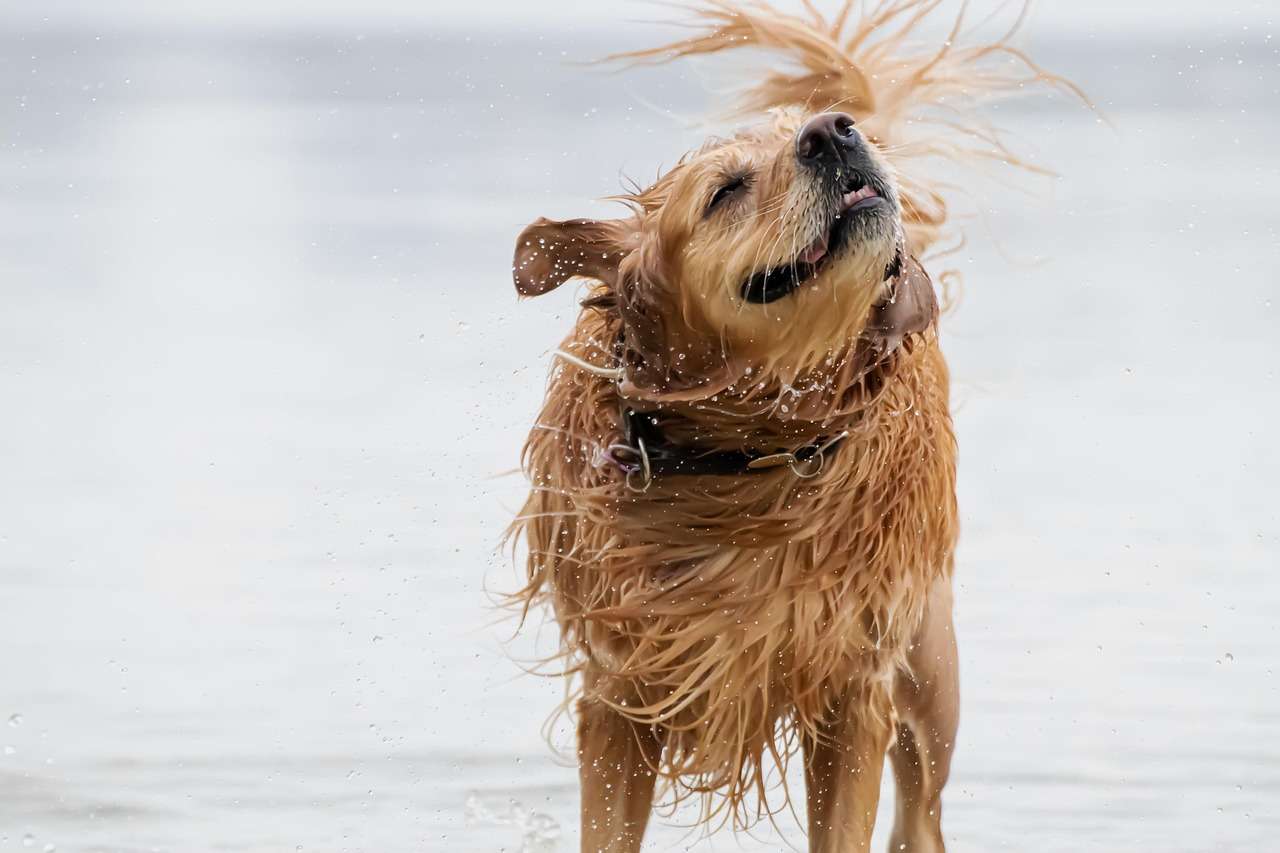
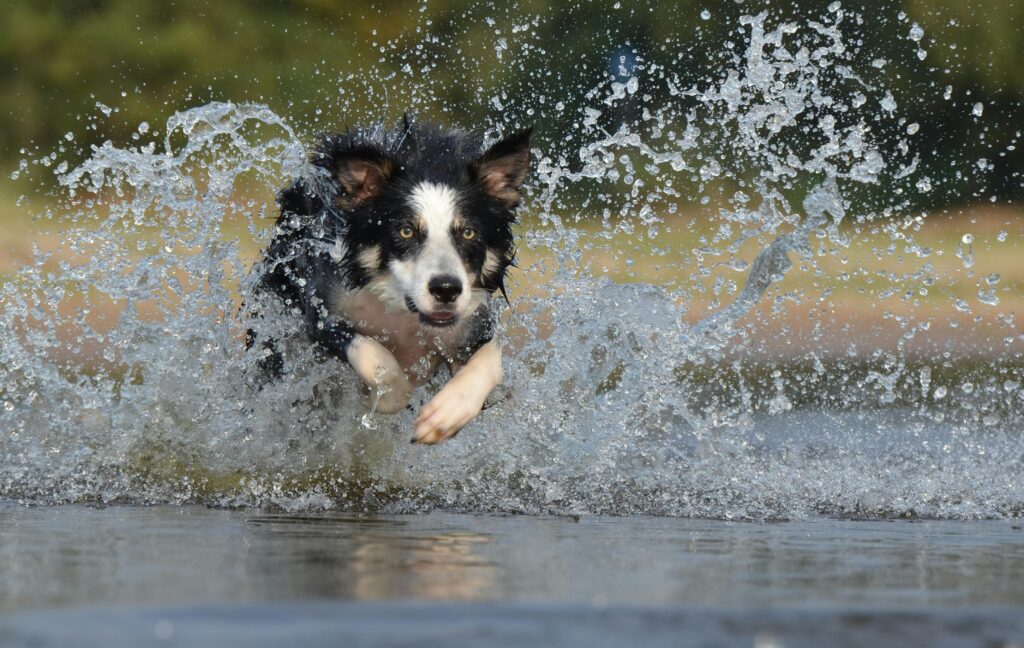
Many dog owners assume that all dogs swim naturally, but that’s not always the case. While some breeds like Labrador Retrievers, Newfoundlands, and Poodles take to water instinctively, others may struggle due to their body structure or temperament. Teaching your dog to swim can be a rewarding experience, ensuring they are safe and confident around water. Whether you are introducing a puppy to water or helping an older dog overcome fear, this guide on how to make dogs swim will walk you through the process step by step.
Can All Dogs Swim?
Not all dogs swim effortlessly. While some have webbed feet and water-resistant coats that make swimming easier, others have body types that make it difficult or even dangerous. Brachycephalic breeds (like Bulldogs and Pugs) and those with short legs (like Dachshunds) often find swimming challenging. Understanding your dog’s breed and limitations is crucial before introducing them to water. Even natural swimmers can panic without proper training, so never assume they’ll instinctively know what to do.

The Importance of a Dog Life Jacket
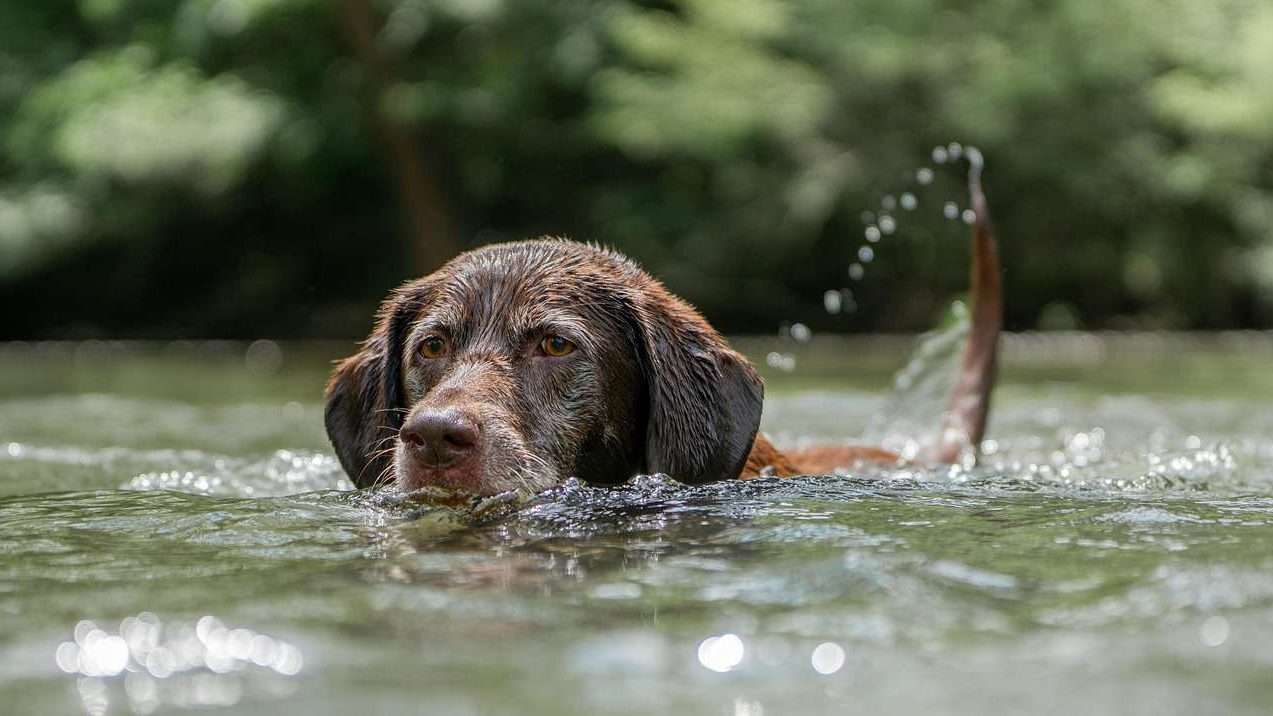
Before letting your dogs swim, investing in a well-fitted dog life jacket is essential. Here’s why:
- Buoyancy Support: Even strong swimmers can tire or get caught in currents.
- Confidence Building: A life jacket helps hesitant dogs feel more secure.
- Easy Retrieval: Most dog life jackets come with a handle, making it easier to lift your dog out of the water if needed.
- Enhanced Visibility: Bright colors and reflective strips ensure you can spot your dog quickly.
When choosing a life jacket, look for adjustable straps, a secure fit, and enough room for natural movement. Let your dog wear it on dry land first to get accustomed to the feel before introducing them to the water.
How to Teach Your Dog to Swim
Training your dogs swim skills should be a gradual process, filled with patience and encouragement. Follow these steps for a smooth introduction:
1. Start with Shallow Water
Choose a calm, shallow body of water such as a pool, lake shore, or a quiet beach. Avoid rough waves or strong currents. Let your dog walk in at their own pace, allowing them to get used to the sensation of water on their paws.
2. Use Positive Reinforcement
Bring treats, toys, and plenty of praise to make the experience enjoyable. If your dog associates water with fun and rewards, they’ll be more eager to participate. Avoid forcing them in, as this can create fear and resistance.
3. Guide Them with a Life Vest
If your dog is hesitant, hold onto the handle of their life jacket and guide them through the water. Keep sessions short at first, gradually increasing the time as they become more comfortable. Stay close, offering encouragement and support.
4. Let Them Observe Other Dogs
Many dogs learn by watching. If you have a confident swimmer in the family or know a friend with a water-loving dog, let your pup observe them having fun. Seeing another dog swim can boost their confidence and make them more willing to try.
5. Teach the Exit Strategy
Knowing how to get out of the water safely is just as important as learning to swim. If using a pool, show your dog the steps or a designated exit point. In natural bodies of water, guide them back to shore using clear paths.
Water Safety Tips for Dogs
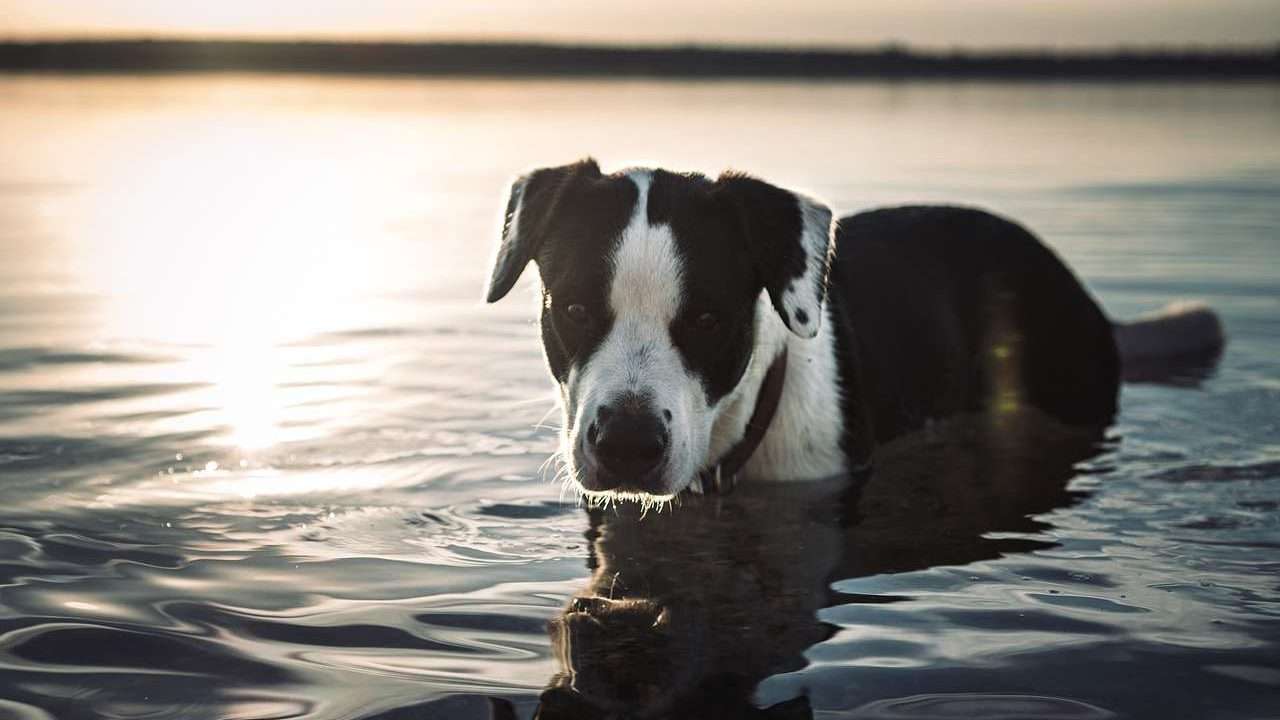
Swimming can be a great activity, but safety should always be a priority. Here are some crucial precautions:
- Monitor Water Conditions: Avoid areas with strong currents, deep waters, or unpredictable waves.
- Beware of Cold Water: Cold temperatures can cause hypothermia, even in strong swimmers. Keep an eye on shivering or signs of discomfort.
- Prevent Water Intoxication: Some dogs ingest large amounts of water while playing, which can lead to water toxicity. Take regular breaks.
- Protect Against Sunburn: Dogs with light or short fur can get sunburned. Consider pet-safe sunscreen if they’ll be outside for long periods.
- Always Supervise: Never leave your dog unattended in or near water, no matter how experienced they are.
Related reads:
Hiking With Dogs: 11 Tips For Hitting the Trail
Helping a Dog That Fears Water
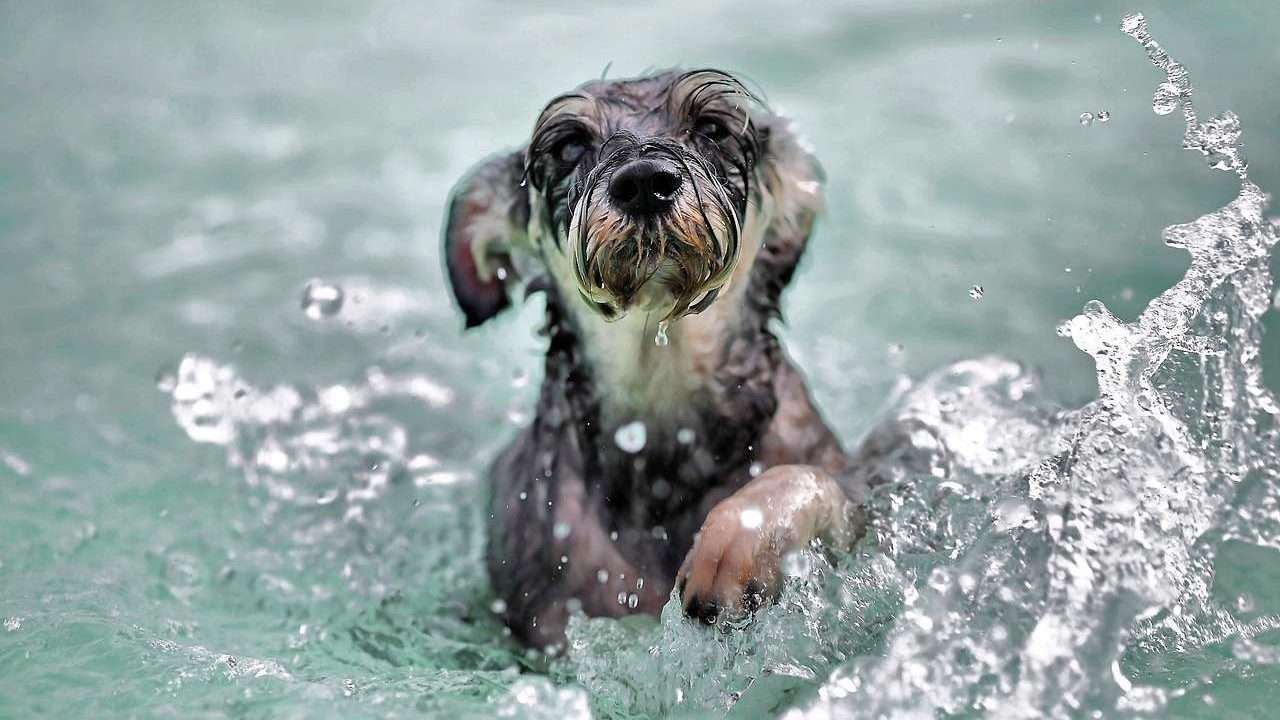
Some dogs swim naturally, but others may be anxious or fearful. If your dog is hesitant, try these techniques to ease their fears:
- Gradual Introduction: Let them explore water at their own pace. Start with a kiddie pool or shallow shoreline before progressing to deeper areas.
- Use Their Favorite Toys: Floating toys can encourage engagement and distract from their nervousness.
- Stay Calm and Encouraging: Dogs pick up on their owners’ emotions. If you’re confident and relaxed, they’ll be more likely to follow suit.
- Try Water Therapy: Some dogs benefit from hydrotherapy sessions with a professional trainer in a controlled environment.
If your dog continues to resist or shows extreme fear, respect their limits. Not all dogs enjoy swimming, and that’s okay. You can still find other ways to keep them cool and entertained during hot weather.
Final Thoughts
Teaching your dogs swim skills should be a fun and rewarding experience. By taking it slow, using positive reinforcement, and ensuring safety at every step, you’ll help build their confidence in the water. Always prioritize their comfort level, provide support when needed, and enjoy the process together. Some dogs will take to swimming instantly, while others may need more time—but with patience and encouragement, most can learn to enjoy a refreshing swim.
Whether your goal is exercise, cooling off in the summer, or simply bonding with your pup, swimming can be a great activity when done safely. So grab that life jacket, head to a safe water spot, and enjoy teaching your dog a valuable new skill!
FAQs
1. Can all dogs swim naturally?
No, not all dogs are natural swimmers. While some breeds, like Labradors and Newfoundlands, have strong swimming instincts, others, such as Bulldogs and Pugs, may struggle due to their body structure. It’s important to introduce your dog to water gradually and ensure their safety.
2. How can I help my dog feel comfortable in the water?
Start in shallow, calm water and let your dog explore at their own pace. Use positive reinforcement, such as treats and encouragement, to build their confidence. A dog life jacket can also provide extra support, especially for beginners.
3. What safety precautions should I take when letting my dog swim?
Always supervise your dog near water, avoid strong currents, and provide fresh drinking water to prevent them from drinking unsafe water. If swimming in a pool, teach them where the exit points are. A life vest is a great safety measure, especially for dogs new to swimming.