10 Tips for Adopting a Disabled Dog

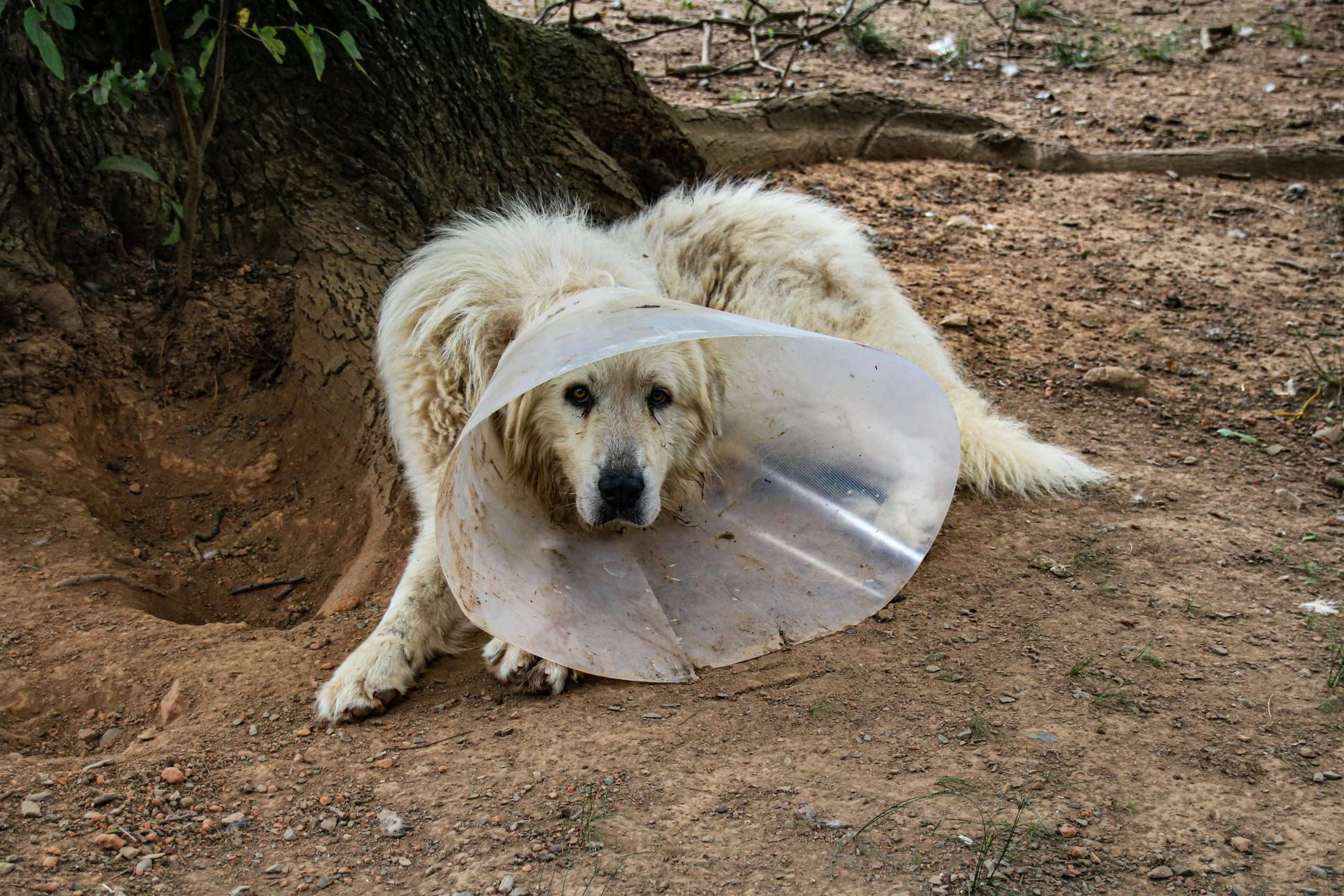
Opening your home to a dog with special needs is a deeply compassionate and rewarding decision. Whether the dog you’re considering has a physical, sensory, or neurological disability, understanding how to support them is key to building a meaningful life together. This guide offers practical insights and emotional guidance for adopting a disabled dog, helping you prepare for the journey ahead.
What Does It Mean to Be a Disabled Dog?
Before diving into tips, it’s essential to understand what qualifies as a disability in dogs. Some may be born with impairments, while others may develop them due to accidents, illness, or aging. Disabilities may include:

- Blindness or low vision
- Deafness or hearing loss
- Missing or non-functional limbs
- Neurological conditions
- Chronic illnesses
- Mental health disorders like anxiety or OCD
Each dog’s experience of disability is unique, and while their needs may vary, their capacity to love and be loved is just as strong.
Related reads:
Do’s and Don’ts While Dealing with an Anxious Dog [2024]
1. Prepare Your Household Beforehand
The first step in adopting a disabled dog is making sure your household people and pets alike is ready. Dogs with disabilities often require more structure, predictability, or physical accommodations. Children should understand how to interact gently and respectfully. If you have other pets, ensure their routines remain consistent so they don’t feel displaced.
Give your new dog a quiet, safe space to decompress. Transitioning into a new home is stressful for any dog, and more so for one who may already be navigating the world differently.
2. Understand the Financial Commitment
One of the most overlooked realities of adopting a disabled dog is the potential cost. Some conditions require ongoing medication, special diets, mobility equipment, or frequent vet visits. For example, a dog with degenerative joint disease may need hydrotherapy, or a blind dog might require regular eye exams.
Start by researching the dog’s condition. Then create a realistic pet care budget that includes a cushion for emergencies. Some pet insurance providers offer coverage for pre-existing or chronic conditions; just read the fine print.
3. Build a Relationship with an Experienced Vet
You’ll need a veterinarian who’s not only skilled but also understanding of your dog’s condition. Ask whether they’ve treated dogs with similar disabilities. If not, are they willing to research and collaborate with specialists?
For example, if your dog has epilepsy or a neurological disorder, a vet experienced in managing such cases will make a significant difference. Remember, having a vet you trust is crucial in adopting a disabled dog and providing lifelong care.
4. Make Practical Home Modifications
Your living space may need adjustments depending on your new dog’s condition. Ramps instead of stairs can help dogs with limb differences or arthritis. Textured rugs can guide a blind dog through your home. Sound cues, motion sensors, or vibrating collars may assist deaf dogs.
Even small changes like non-slip mats, elevated feeders, or blockades for hazardous areas can create a more accessible, stress-free environment.
5. Educate Yourself and Keep Learning
Knowledge is your best tool when adopting a disabled dog. Learn as much as you can about their specific condition. Ask questions like:
- What are the symptoms or triggers?
- How do they adapt to new environments?
- What signs indicate discomfort or pain?
Use a mix of expert veterinary advice, real pet-parent experiences, and reliable online resources. Being informed enables you to make better decisions, offer more empathy, and communicate effectively with professionals.
6. Establish Clear and Calm Routines
Disabled dogs thrive on consistency. Predictable schedules offer a sense of safety and control. Regular feeding times, structured walks, and a stable sleeping spot can go a long way.
This is especially important if your dog has sensory disabilities. A blind dog, for example, will learn your home’s layout faster if things stay in the same place. A dog with anxiety will feel more secure with a familiar daily rhythm.
7. Choose Tools That Support Their Needs
From mobility aids to training gear, the right tools make life easier for both of you. A few examples include:
- Harnesses with handles for support
- Orthopedic beds for joint comfort
- Diapers for incontinence issues
- Leash sleeves that indicate the dog is blind, deaf, or reactive
While not every dog needs special equipment, having the right items can significantly improve their quality of life. When adopting a disabled dog, it’s worth researching what accessories may help based on their condition.
8. Plan for Public Outings and Socialization
Your dog may attract attention during walks or public visits. Prepare for questions and sometimes unwanted interactions. Training a few polite phrases to explain your dog’s condition will help others understand why your pup may need space or calm handling.
Also, gradually introduce your dog to new environments. Go slowly, reward progress, and never force interactions. Socializing a disabled dog is completely possible, but it often requires more patience and planning.
9. Care for Your Emotional Well-Being
Caring for any dog is a big responsibility, but adopting a disabled dog can come with additional emotional demands. Feelings of frustration, guilt, or sadness are normal – especially during challenging days.
You are not alone. Talk to others who’ve adopted special needs pets, join online communities, or speak with a counselor if needed. Practicing self-care helps you be a more patient, present caregiver.
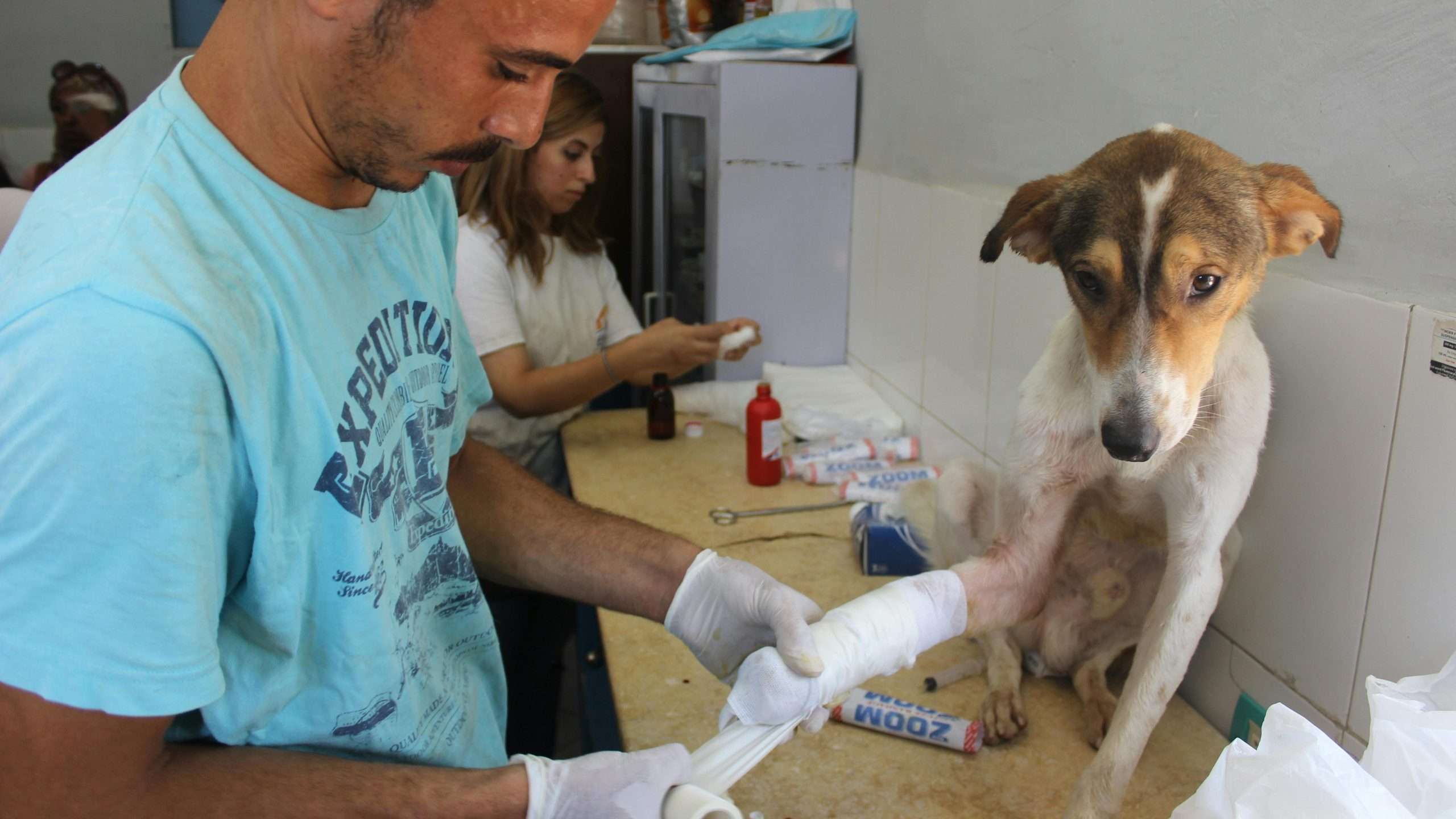
10. Build a Strong, Trusting Bond
At the heart of everything is the relationship between you and your dog. Don’t let their disability define your connection. Focus on what they can do, how they express love, and how you can grow together.
Play, train, snuggle; do all the things that strengthen your bond. If possible, enroll in a positive reinforcement class, even if it’s just for fun. These shared experiences deepen your relationship and build confidence on both sides.
When you choose the path of adopting a disabled dog, you’re choosing patience, compassion, and mutual growth. Your dog may have limitations, but with your support, they’ll experience a life filled with love, dignity, and joy.
Final Thoughts on Adopting a Disabled Dog
It’s not always easy, and it’s not always straightforward – but it is incredibly worthwhile. Dogs with disabilities are just as capable of living happy, fulfilling lives. They might need a bit more time, care, and creativity, but they give back with unwavering loyalty and love.
By preparing thoughtfully and approaching the experience with empathy, you won’t just be giving a dog a home – you’ll be giving them a new life.
![Can Dogs Eat Salt? Symptoms & Prevention [2025]](https://100dogbreeds.com/wp-content/uploads/2025/03/pexels-vero-andrade-10716903-12027296-768x512.jpg)