Why Your Dog Follows You Everywhere (And When It’s a Problem)

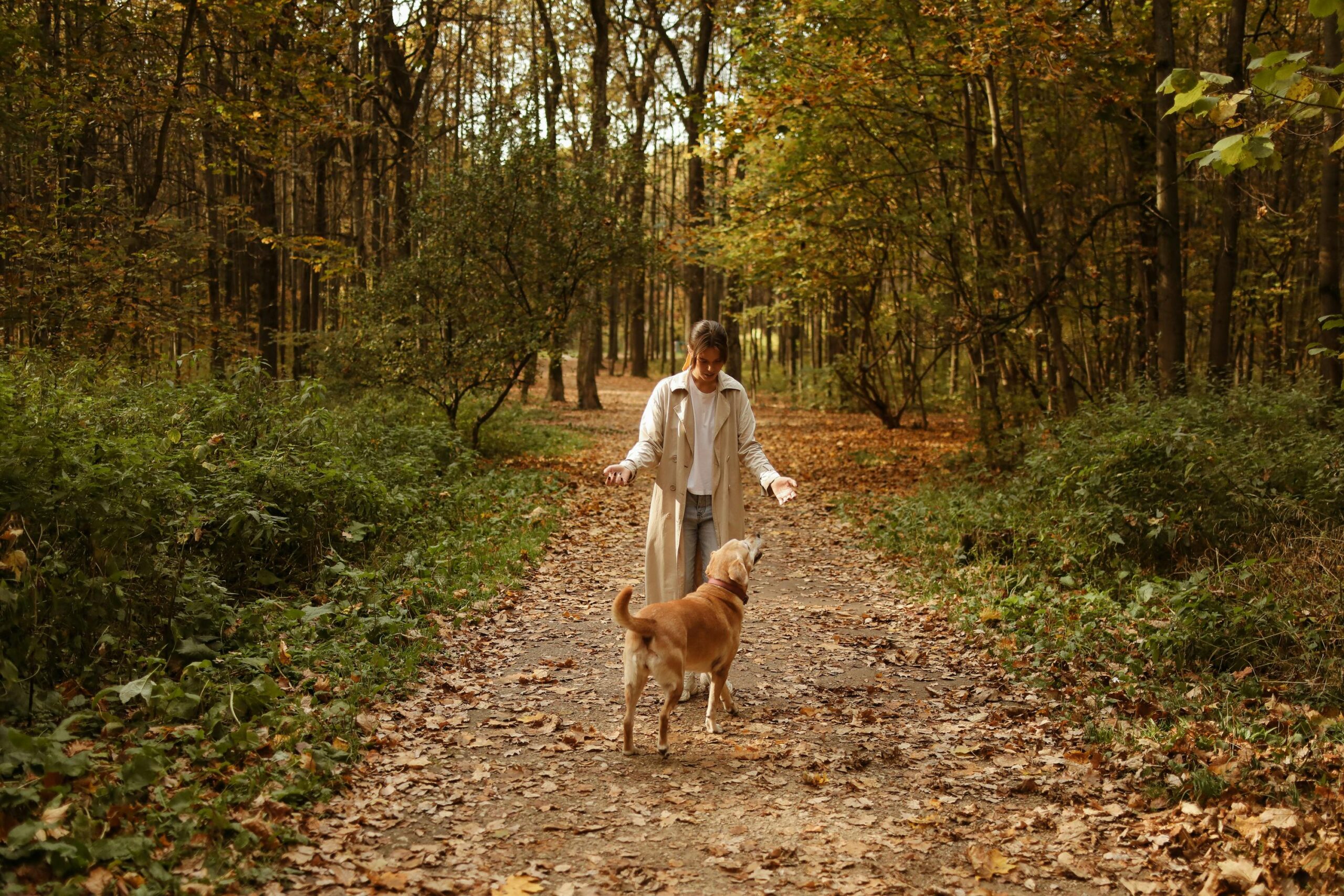
You stand up to grab a glass of water, and there they are. You move from the couch to the bedroom, and soft paws trail right behind you. For many dog parents, this quiet shadow behavior feels sweet, funny, or even reassuring. But when a dog follows you everywhere, it naturally raises questions. Is this normal affection, learned habit, or something deeper?
Understanding why your dog does this matters, not just for curiosity, but for their emotional well-being. While following is often harmless and rooted in love, there are situations where it signals stress or anxiety that needs attention.

This guide breaks down why a dog follows you, when it is completely normal, when it becomes a concern, and how to support healthy independence without damaging your bond.
What It Means When Your Dog Follows You Everywhere
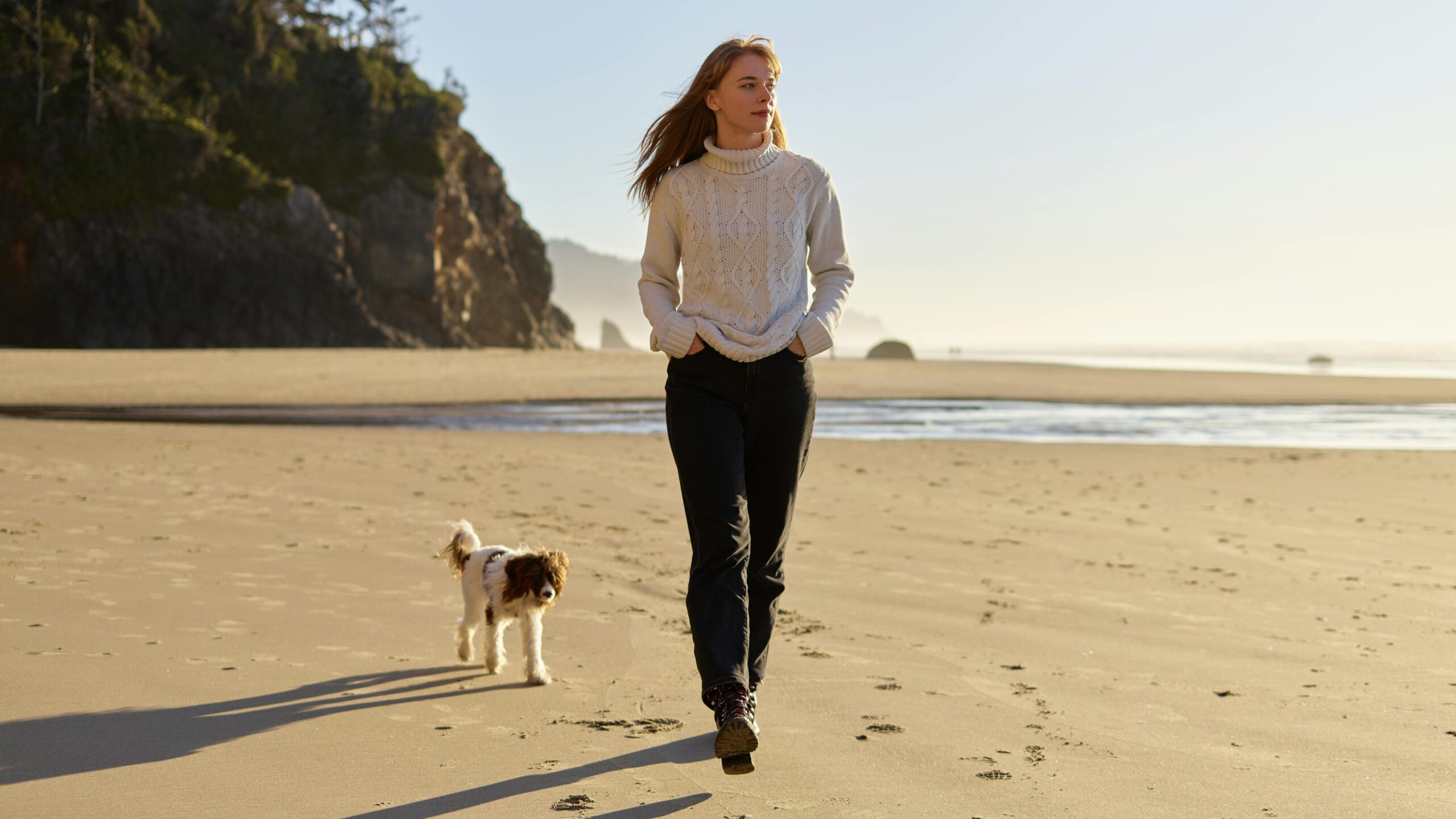
Dogs are social animals. Long before they became family companions, their survival depended on staying close to their group. That instinct did not disappear with domestication. When a dog follows you, it is often an extension of this deep-rooted social wiring.
For your dog, you are not just an owner. You are their source of food, safety, routine, affection, and guidance. Staying near you feels natural, predictable, and comforting. In many cases, following is simply your dog choosing companionship over solitude.
However, context matters. The meaning changes depending on intensity, timing, and emotional response when separation happens.
The Most Common Reasons a Dog Follows You Around
Social Bond and Emotional Attachment
One of the most straightforward reasons a dog follows you is attachment. Dogs form strong emotional bonds with their primary caregiver. If you feed them, walk them, train them, and spend the most time with them, you become their safe base.
Following you is not clinginess by default. It is often your dog’s way of staying connected and feeling secure.
Pack Instinct and Leadership
Even in modern homes, dogs still operate with a pack mindset. When a dog follows you, they may see you as their leader and feel comfortable staying close to guide their own behavior. This does not mean dominance in a harsh sense. It reflects trust and social structure.
Dogs naturally prefer being near the individual who provides direction and consistency.
Learned Behavior and Positive Reinforcement
Sometimes, a dog follows you simply because it has worked before. If following leads to attention, petting, treats, or conversation, the behavior gets reinforced.
Dogs are excellent observers. They learn quickly that sticking close often results in good things.
Predicting Routines and Rewards
Dogs thrive on routine. If your dog knows that you standing up often leads to food, walks, playtime, or car rides, following becomes a way to stay involved and not miss out.
In this case, a dog follows you out of anticipation rather than emotional need.
Curiosity and Mental Engagement
Dogs are naturally curious creatures. They want to know what you are doing, where you are going, and whether it involves something interesting. Following allows them to stay mentally engaged with their environment.
This is especially common in intelligent or high-energy breeds that crave stimulation.
Breed and Age Differences When a Dog Follows You
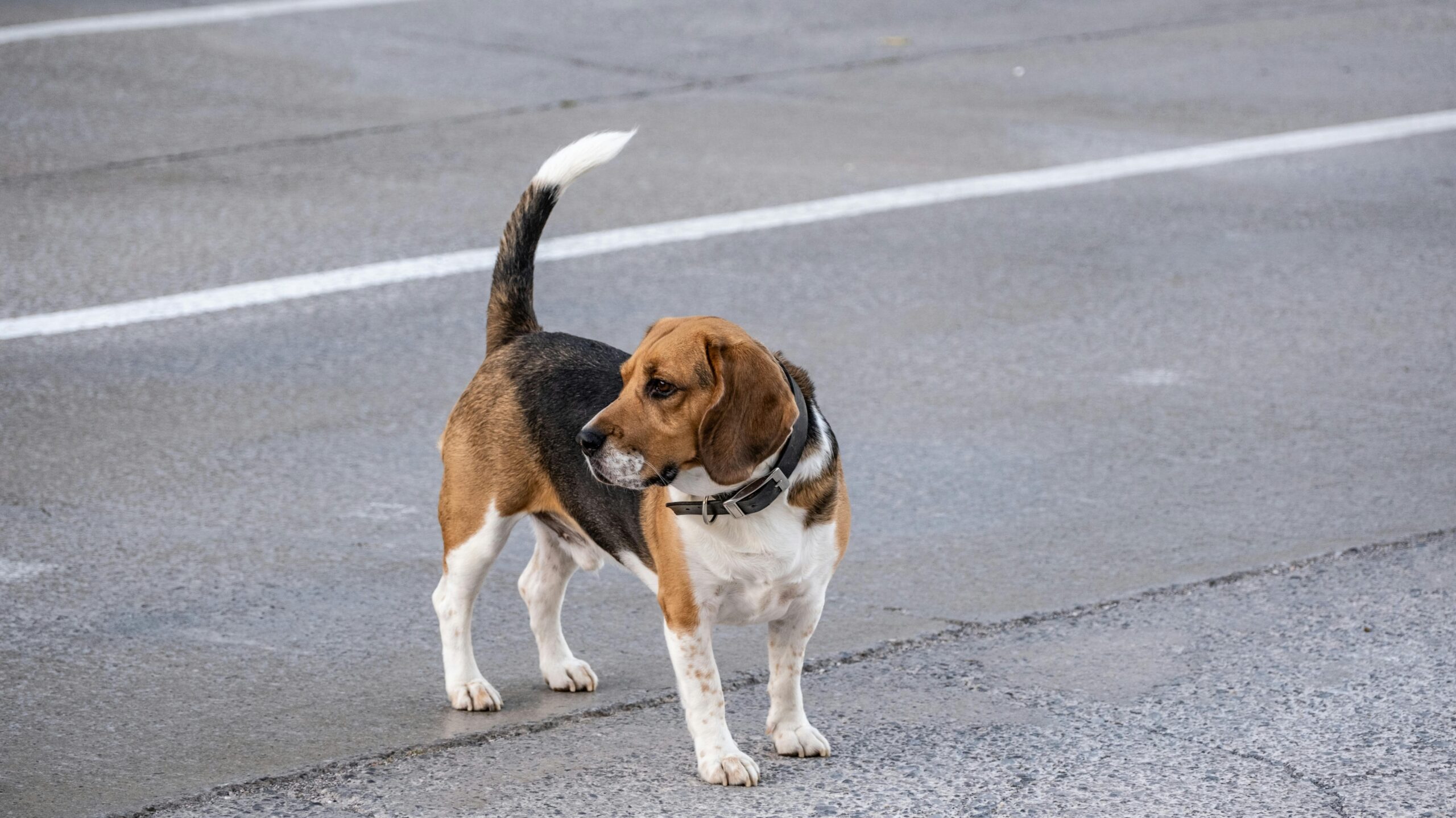
Some dogs are more likely to shadow their humans due to genetics. Herding breeds, companion breeds, and working dogs often show stronger following behavior because they were bred to stay close and respond to human cues.
Age also plays a role.
Puppies often follow constantly because they are learning about the world and seeking reassurance. Adult dogs may follow out of habit and bonding. Senior dogs may follow more closely due to reduced confidence, hearing loss, or vision changes.
If a dog follows you more than before later in life, it is worth observing whether physical or cognitive changes are contributing.
When a Dog Follows You Is Completely Normal
In most households, following behavior is healthy and harmless. It is normal when:
- Your dog remains calm when you leave the room
- They can relax independently when needed
- There is no panic, whining, or destructive behavior
- The following feels relaxed rather than frantic
In these cases, a dog follows you because they enjoy your company, not because they fear being alone.
When a Dog Follows You Becomes a Problem
Following crosses into concerning territory when it is driven by anxiety rather than choice.
Signs to watch for include constant pacing, inability to settle, distress when separated even briefly, excessive vocalization, or destructive behavior when you are out of sight.
If a dog follows you and shows panic when you close a door or leave the house, this may point to separation anxiety or underlying stress.
Sudden changes also matter. If your dog never followed closely before and now does so obsessively, it could indicate emotional discomfort, medical pain, or cognitive changes.
Why Your Dog Follows You Into Every Room Including the Bathroom
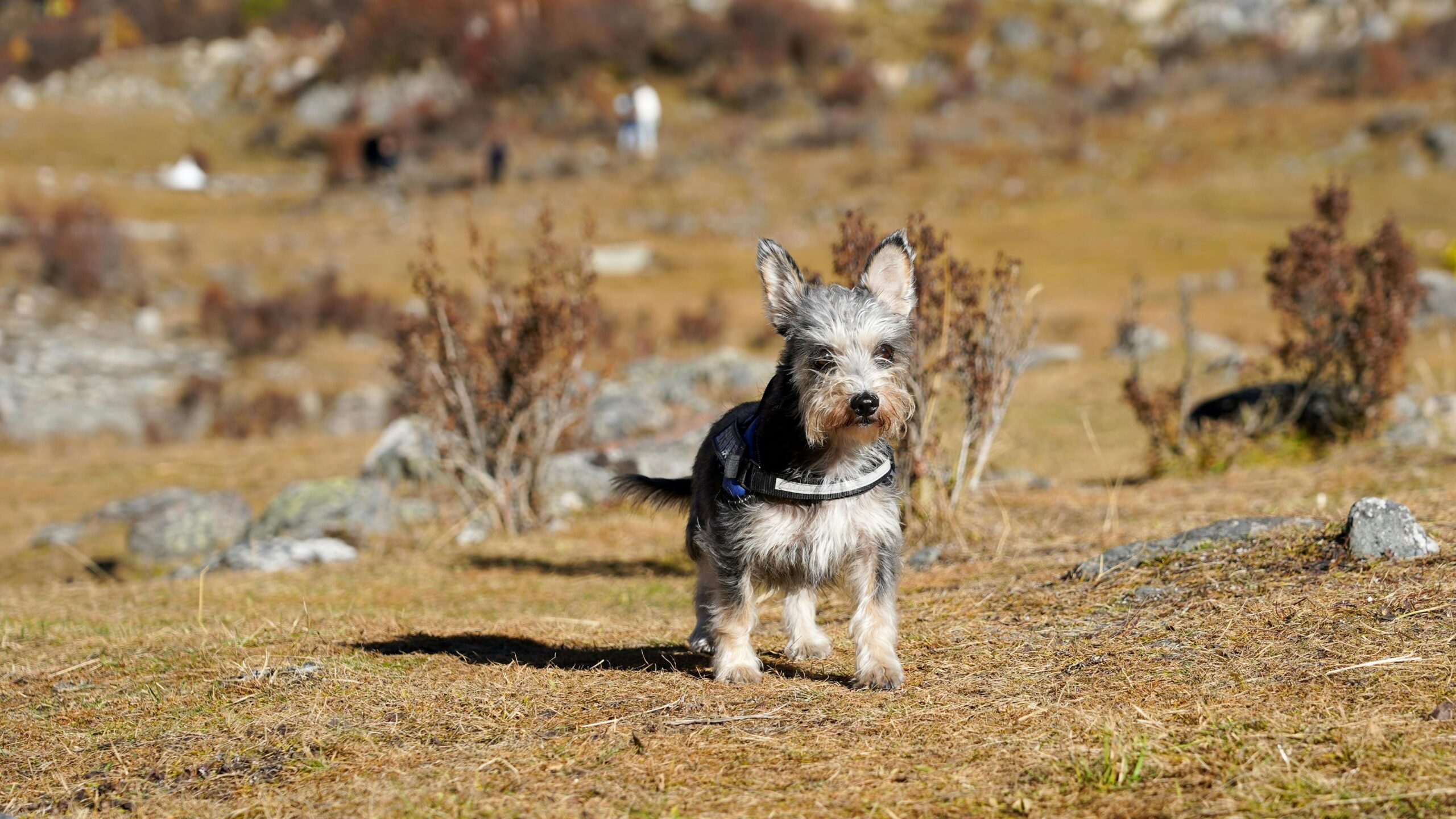
This is one of the most common experiences dog owners talk about. Dogs follow into bathrooms because they do not share human concepts of privacy. Small enclosed spaces also intensify scents and familiarity, which dogs find comforting.
For many dogs, bathroom following is a mix of curiosity, habit, and bonding. On its own, it is rarely a red flag.
It only becomes concerning if your dog follows you with visible distress or refuses to stay alone even for seconds.
Related reads:
Fun Tricks and Games to Bond With Your Dog: A Complete Guide
How to Respond When Your Dog Follows You Everywhere
Encourage Calm Independence
Independence does not mean emotional distance. It means teaching your dog that being alone is safe and temporary.
You can start by encouraging your dog to settle in a comfortable spot while you move around the house. Reward calm behavior when they choose to rest instead of follow.
Avoid Accidentally Reinforcing Anxiety
If a dog follows you anxiously, constant reassurance can sometimes reinforce fear. Instead, model calm behavior. Move naturally without making departures dramatic.
Reward relaxed independence rather than constant shadowing.
Provide Enough Mental and Physical Stimulation
A tired and mentally satisfied dog is more comfortable being alone. Regular walks, play sessions, training, and puzzle toys help reduce boredom-driven following.
In many cases, a dog follows you simply because they need more engagement.
Seek Professional Support When Needed
If following behavior is intense, sudden, or paired with distress, consulting a veterinarian or certified behaviorist can help identify the root cause. Anxiety is treatable, and early support makes a big difference.
The Emotional Side of Why a Dog Follows You
At its core, following behavior reflects connection. Dogs are not seeking independence the way humans do. They are seeking safety, predictability, and companionship.
Understanding why a dog follows you helps you respond with empathy rather than frustration. The goal is not to stop the behavior entirely, but to ensure it comes from comfort, not fear.
Saying Goodbye
When a dog follows you everywhere, it is usually a sign of trust and attachment. In most cases, it means your dog enjoys your presence and feels secure by your side.
The key is paying attention to how your dog behaves when you are apart. Calm independence is healthy. Panic is not.
By understanding the reasons behind this behavior and responding thoughtfully, you can maintain a strong bond while supporting your dog’s emotional balance.