Why Do Dogs Sleep So Much? [2024]

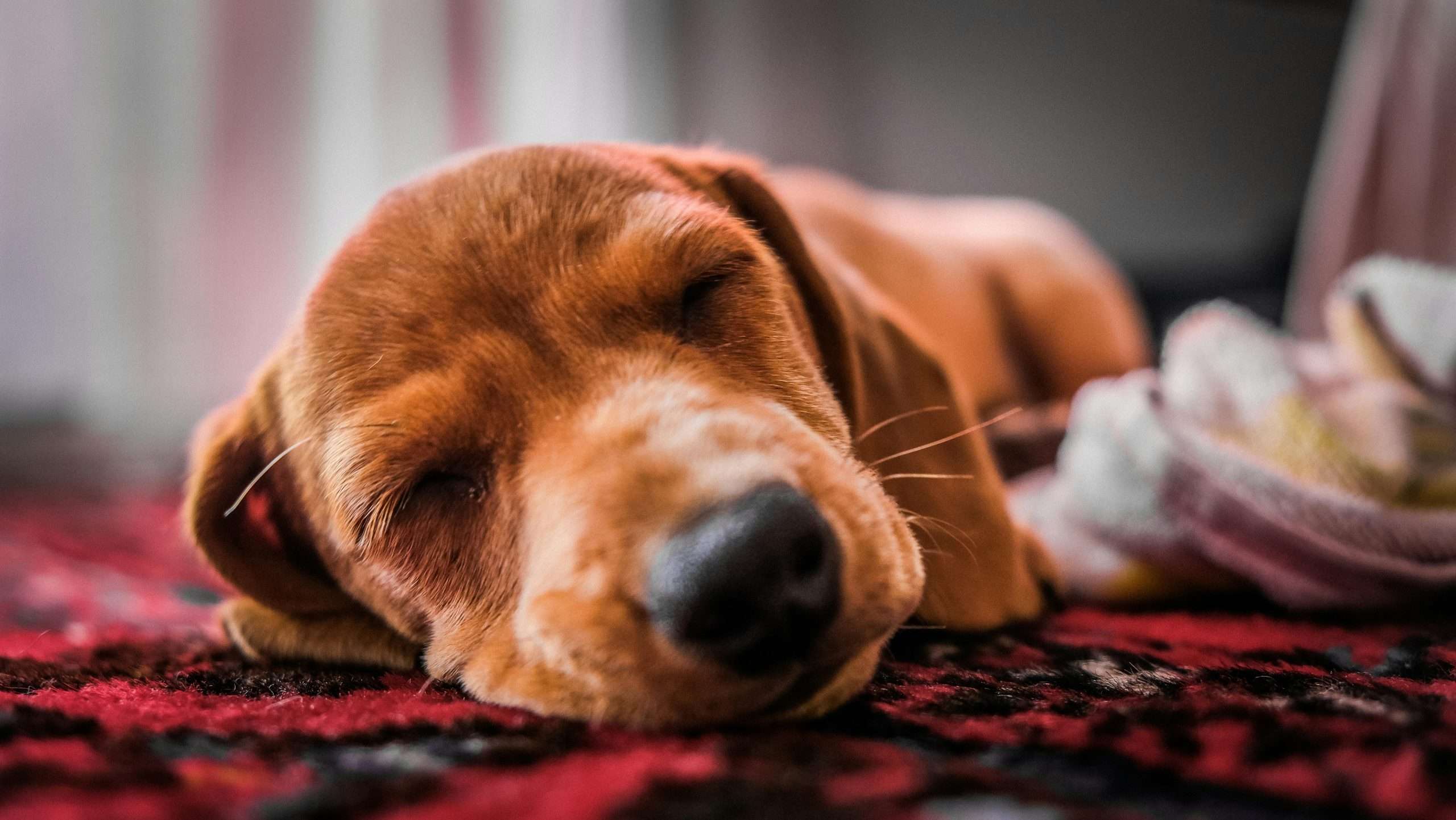
Have you ever watched your furry friend curl up and doze off, only to wonder, “Why does my dog sleep so much?” It’s a common question among pet owners, as dogs tend to spend a significant portion of their day napping and snoozing.
While it may seem excessive compared to our own sleeping habits, the amount of time dogs spend asleep is a normal and essential part of their daily routine. Understanding the reasons behind your canine companion’s slumberous tendencies can help you ensure they’re getting the rest they need to stay happy and healthy.

Let’s explore the curious question of “why do dogs sleep so much” in this blog.
How Long Do Dogs Sleep?
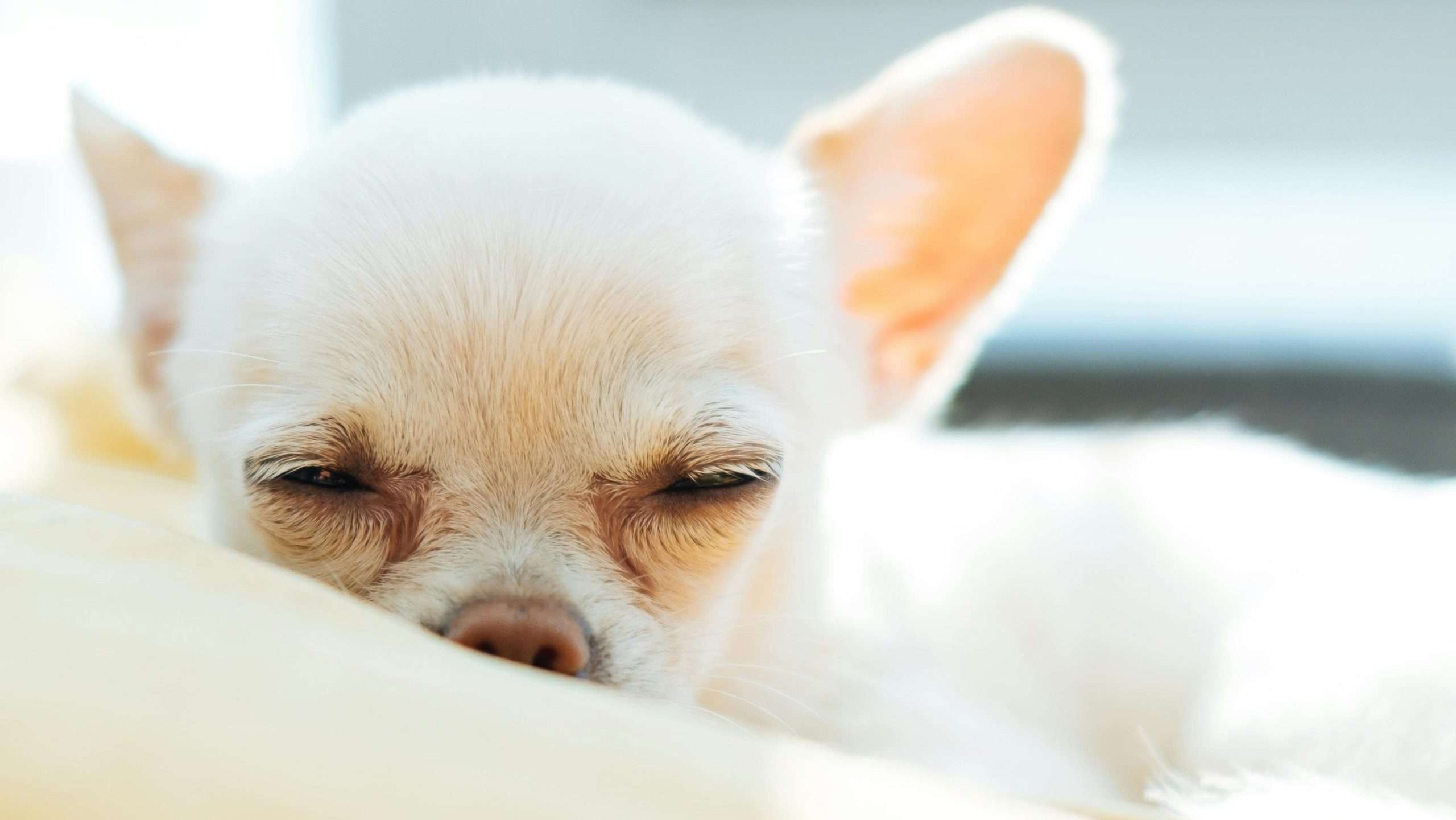
On average, dogs sleep approximately 12 to 14 hours per day. However, this can vary quite a bit depending on several factors, including the dog’s age, breed, and activity level.
Puppies and senior dogs tend to sleep the most, often clocking in around 18 to 20 hours of sleep per day. This extended sleep duration is necessary for their bodies to focus on growth, development, and recuperation.
Conversely, active working dogs or those in good health may sleep less, averaging around 10 to 12 hours of sleep daily. Their higher energy levels and increased daytime activity mean they require fewer hours of rest.
“It’s important to remember that dogs, unlike humans, have a different sleep-wake cycle,” explains Dr. Joshua Montgomery, a veterinarian at BetterVet. “They tend to take multiple naps throughout the day rather than one long stretch of sleep at night.”
Reasons Why Dogs Sleep So Much
There are several key reasons why dogs sleep so much compared to their human counterparts. Understanding these factors can help provide insight into your dog’s unique sleeping habits.
- Age and Life Stage
Puppies: Young pups expend a tremendous amount of energy exploring their new environments and growing rapidly. This energy expenditure leaves them in a near-constant state of fatigue, leading them to sleep up to 20 hours per day.
Senior Dogs: As dogs advance in age, they often experience a natural decline in energy levels and activity. Older dogs tend to sleep more, sometimes up to 18 hours a day, as their bodies require more rest and recovery time.
- Breed Characteristics
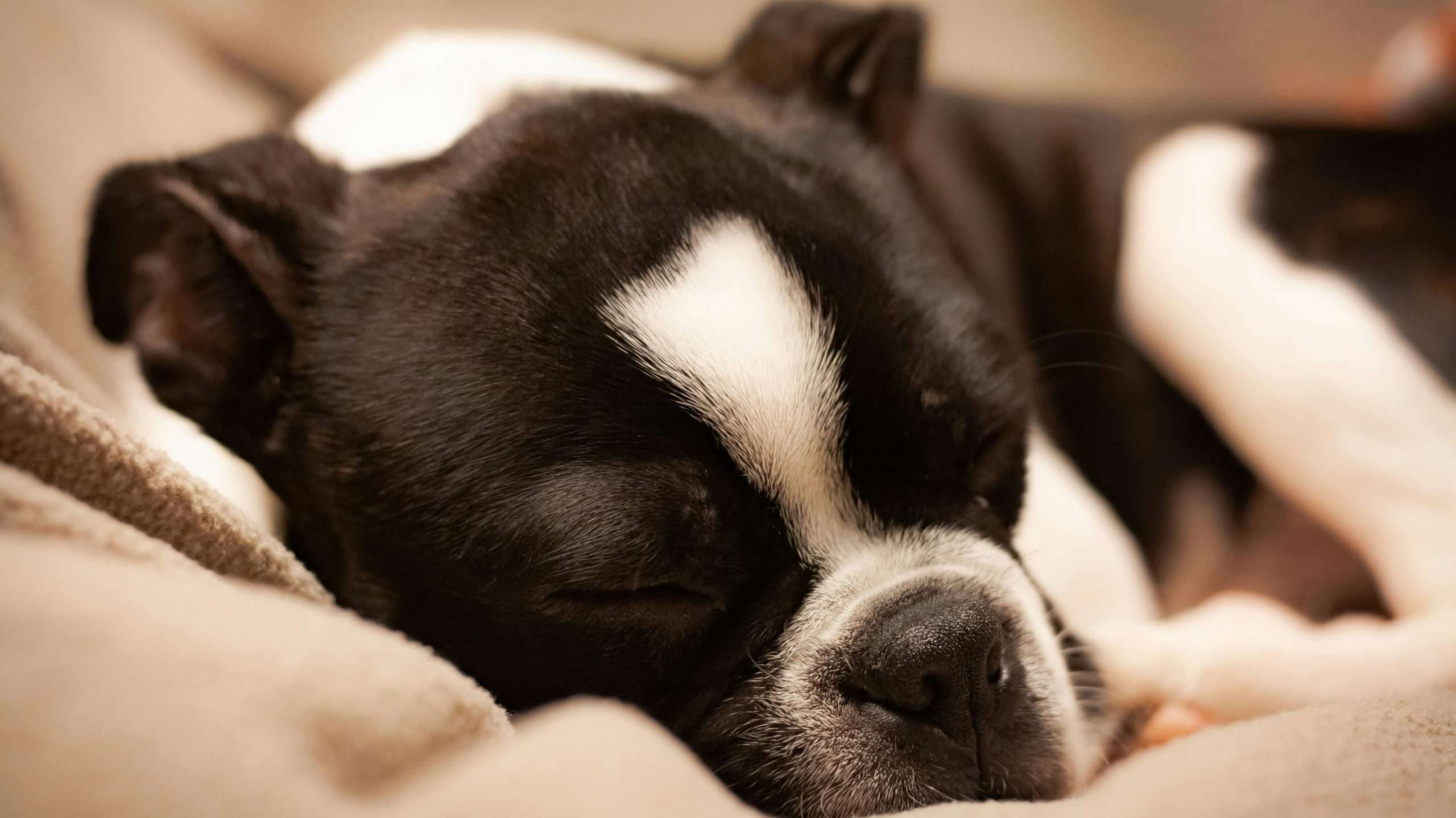
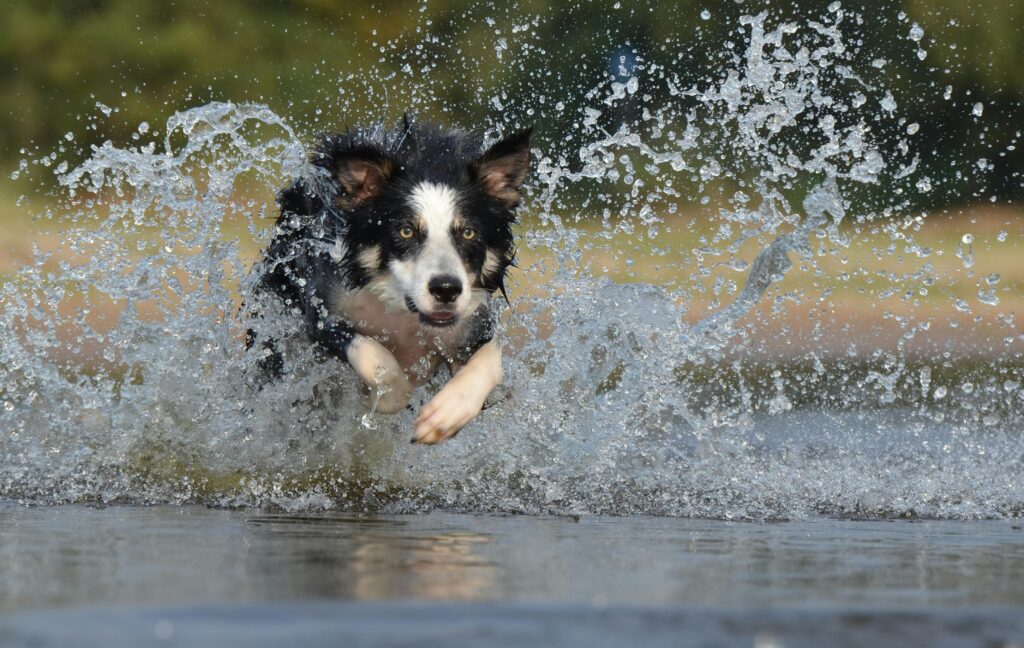
Certain dog breeds are simply more prone to sleeping than others. Larger, heavier breeds, such as Saint Bernards and Mastiffs, are known to be more sedentary and sleep for longer periods compared to more active, high-energy breeds like Collies or Border Collies.
- Health Conditions
Dogs with underlying health issues or recovering from illness or surgery may sleep more than their healthy counterparts. Conditions like arthritis, chronic pain, or neurological disorders can leave a dog feeling fatigued and in need of extra rest.
- Activity Levels
A dog’s daily activity level has a significant impact on their sleep patterns. Dogs that engage in vigorous exercise, such as working dogs or those that participate in sports, tend to sleep less than more sedentary dogs.
- Diet and Nutrition
A dog’s diet and overall nutritional status can also play a role in their sleep habits. A diet lacking in essential vitamins, minerals, and nutrients can leave a dog feeling sluggish and in need of more rest.
Related reads:
How Often Should You Bathe Your Dog?
When to Worry About Excessive Sleeping in Dogs
While it’s normal for dogs to spend a significant portion of their day napping, there are certain situations when excessive sleeping may be a cause for concern.
“If you notice a sudden, significant change in your dog’s sleeping patterns, it’s always a good idea to consult your veterinarian,” advises Dr. Montgomery. “Excessive sleeping, combined with lethargy or other behavioral changes, could be a sign of an underlying health issue.”
Some key indicators that your dog’s sleeping habits may warrant a closer look include:
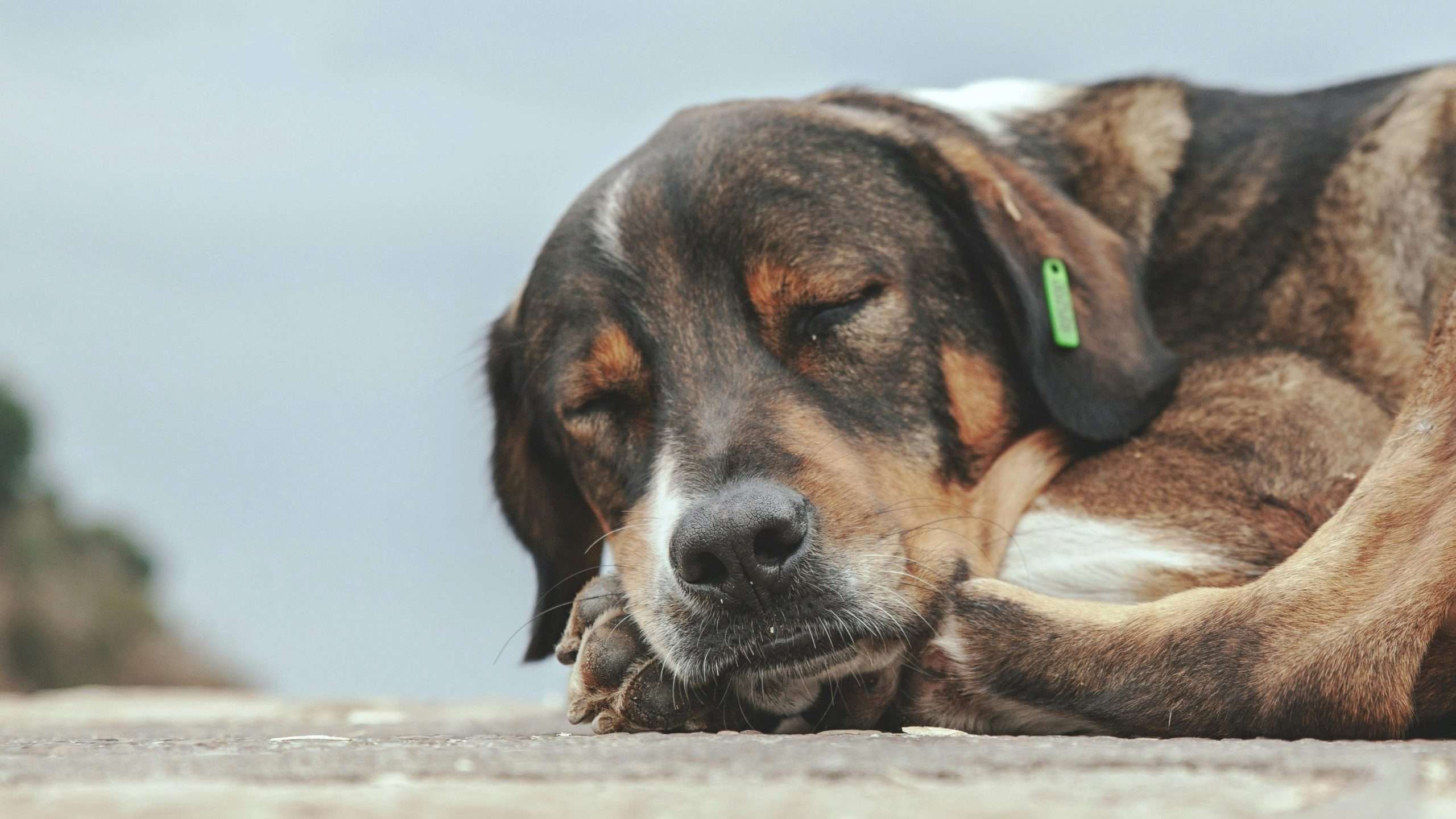
- Sudden Changes in Sleep Patterns
If your dog suddenly starts sleeping much more or much less than their usual routine, it’s important to investigate the cause.
- Lethargy and Lack of Energy
If your dog seems excessively tired and disinterested in their normal activities when they are awake, it could be a sign of a problem.
- Other Behavioral or Physical Changes
Shifts in appetite, unexplained weight changes, signs of discomfort, or abnormal behavior can all accompany changes in dog sleep patterns and warrant a veterinary evaluation.
Final Thoughts
Dogs sleep a lot, but that’s not necessarily a bad thing. Their slumberous tendencies are a normal and essential part of their daily routine, allowing their bodies to recharge, grow, and recover.
By understanding the reasons behind your canine companion’s sleeping habits, you can ensure they’re getting the rest they need to stay happy and healthy. Remember, if you ever notice a significant, sudden change in your dog’s sleep patterns, it’s always best to consult your veterinarian to rule out any underlying health concerns.
Ultimately, dog sleep is a fascinating and complex topic, but one that is crucial to your pet’s overall well-being. By being an attentive and informed pet owner, you can help your furry friend get the z’s they need to thrive.
Frequently Asked Questions about Dogs Sleeping Habits
Is it normal for my dog to sleep all day?
Yes, it’s perfectly normal for dogs to spend a significant portion of their day sleeping, often up to 12-14 hours. Factors like age, breed, and health can all influence a dog’s sleep needs.
Do dogs get bored sleeping all day?
Unlike humans, dogs don’t typically experience boredom from sleeping. Their sleep-wake cycles are different, with multiple short naps throughout the day and night. However, it’s important to provide dogs with enough physical and mental stimulation when they are awake to prevent potential boredom or anxiety.
Do dogs dream while sleeping?
Yes, research suggests that dogs do experience REM (Rapid Eye Movement) sleep, which is associated with dreaming in both humans and animals. You may notice your dog twitching, whimpering, or moving their paws while asleep, indicating they are likely dreaming about their daily experiences, such as chasing a ball or playing with their family.
Why do dogs circle before lying down?
This behavior is an instinctive remnant from a dog’s wild ancestors. Circling the spot where they plan to rest served several purposes, such as flattening grass or snow to create a comfortable bed, driving away any small critters, and checking the area for safety. Even though domesticated dogs have cozy beds, this ancestral trait persists, unless it becomes excessive or obsessive, in which case a veterinary consultation may be warranted.
What does it mean if my dog snores?
Snoring in dogs is generally not a cause for concern and can be quite common. Factors like sleeping position, obesity, certain breeds with shorter snouts, allergies, or blocked airways can all contribute to dog snoring. However, if the snoring is unusually loud, happens every time the dog sleeps, or is accompanied by difficulty breathing, it’s best to consult a veterinarian, as this could signal a health issue such as sleep apnea or a respiratory condition.