Why Do Dogs Pant? What To Know About Dogs and Panting

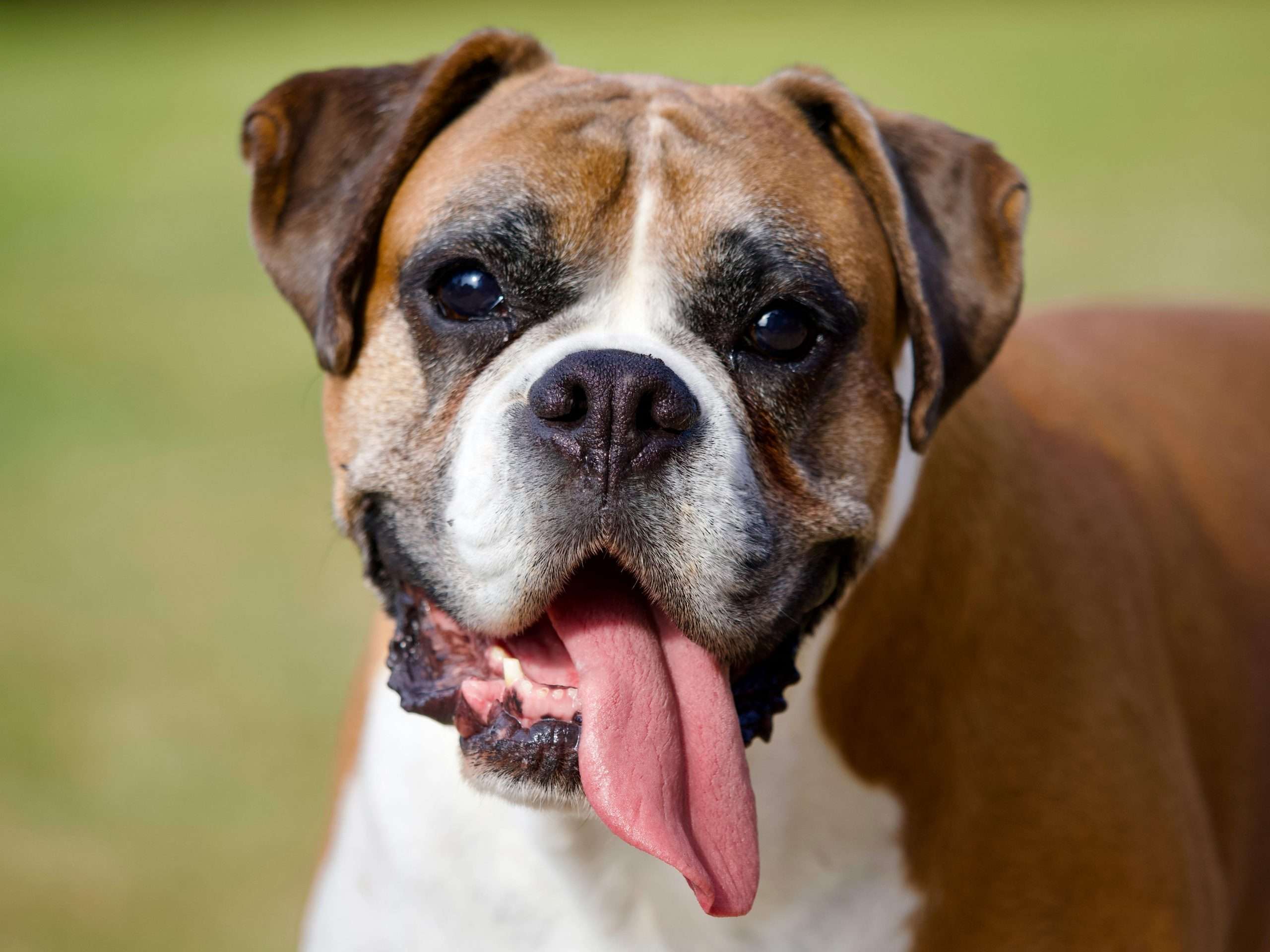
Panting is one of the most common behaviors in dogs. Pet parents often see it after playtime, a long walk, or on a hot afternoon. In many cases, it is completely normal and nothing to worry about. However, sometimes panting can be a sign that something is wrong. Understanding why do dogs pant can help you know when to relax and when it may be time to contact your veterinarian.
This article will guide you through the normal reasons dogs pant, the situations where it may signal a health problem, and what to do if you notice your dog panting excessively.

Why Do Dogs Pant?
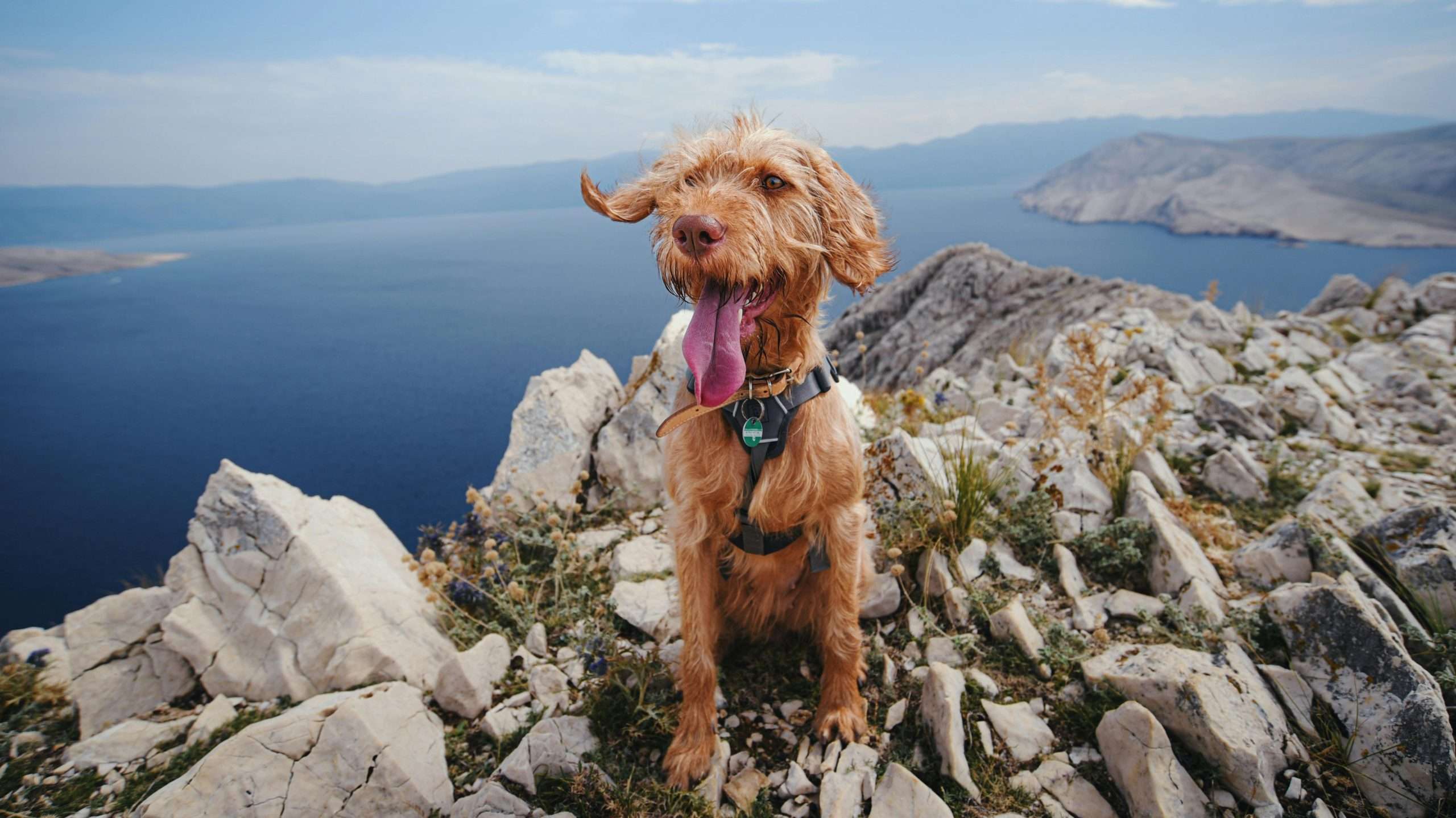
The first step in answering why do dogs pant is recognizing that panting is a natural cooling system for dogs. Unlike humans, dogs do not sweat all over their bodies. They sweat a little through their paw pads, but this is not enough to regulate their body temperature. Instead, they rely on panting to move air rapidly through their respiratory system, allowing water to evaporate and cool their bodies from the inside.
Cooling Down and Heat Regulation
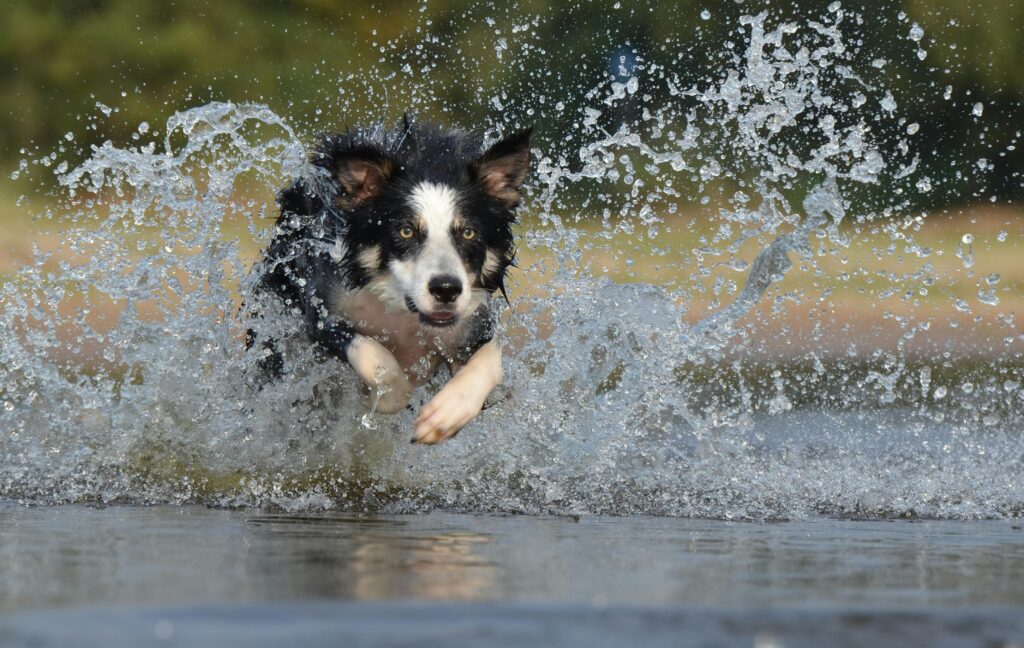
One of the main reasons why do dogs pant is to regulate their temperature when they get too warm. Whether it is after a game of fetch or on a hot summer day, panting helps them release heat efficiently. Rapid breathing allows moisture from the tongue, mouth, and lungs to evaporate, creating a cooling effect.
Pet parents should always ensure fresh water is available, especially during warm weather or after exercise. Shade, rest, and cooling mats can also help prevent overheating.
Related reads:
Tips to Prevent Dehydration and Heat Stroke in Dogs [2024]
Excitement and Happiness
Another answer to why do dogs pant is simple joy. Many dogs pant when they are excited or happy. This could be when greeting you at the door, anticipating a favorite treat, or going for a car ride. This type of panting is usually light, rapid, and harmless. It often comes with wagging tails and bright eyes.
Stress and Anxiety
Panting is not always linked to heat or happiness. Dogs also pant when they are stressed or anxious. You may notice this during thunderstorms, fireworks, or visits to the vet. If your dog is panting along with pacing, yawning, or avoiding eye contact, stress may be the cause. Identifying the trigger and making your dog feel safe can reduce this kind of panting.
Why Is My Dog Panting So Much?
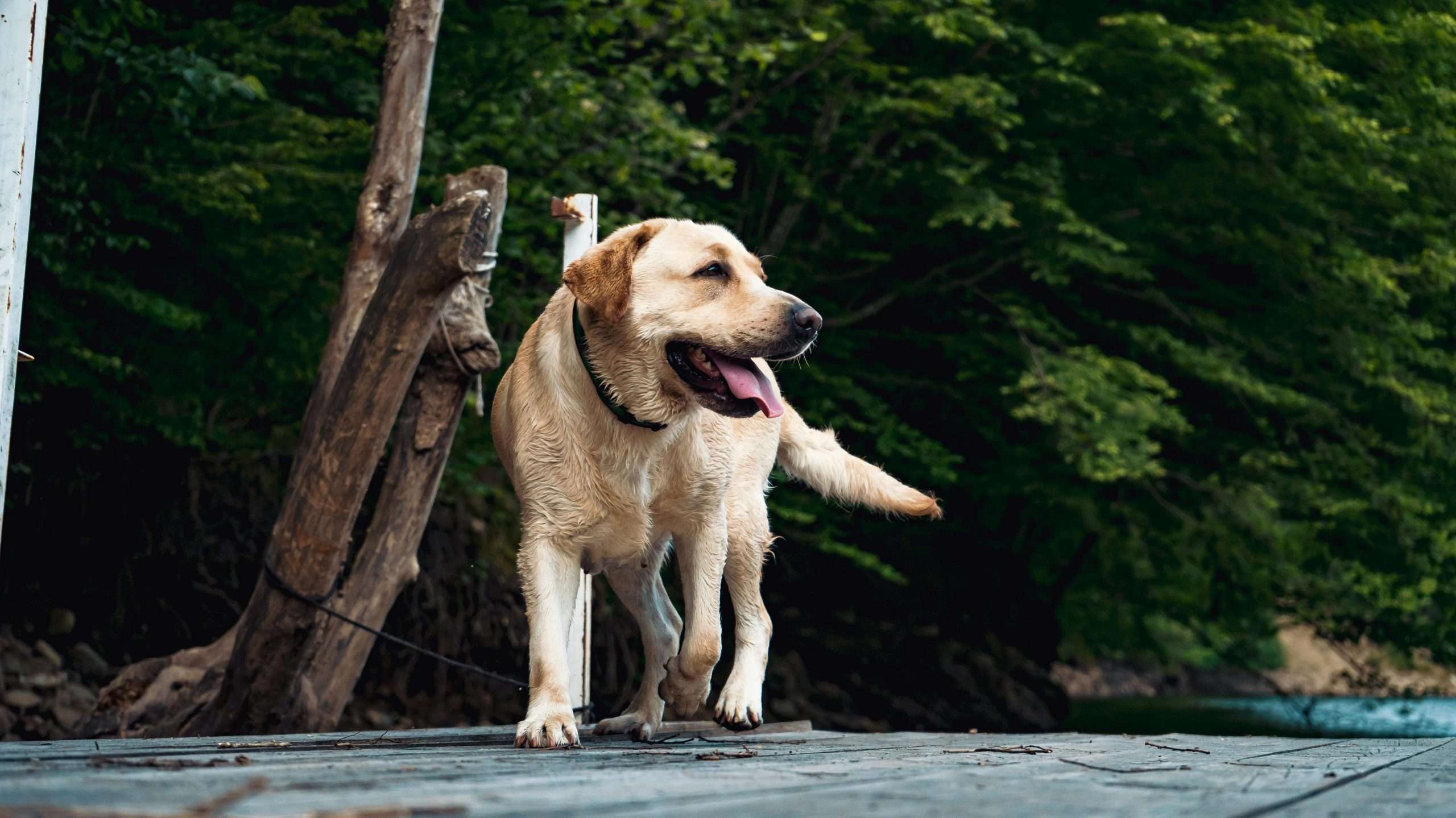
Normal panting is expected, but when it becomes heavy, prolonged, or occurs without an obvious reason, it may point to a problem. Many pet parents ask, “why do dogs pant so much even when it is not hot or after exercise?” The answer may lie in underlying health issues or medical side effects.
Pain or Discomfort
Dogs cannot tell us when they are hurting, so they often show it through behaviors like panting. Excessive panting may indicate pain, nausea, or discomfort. Conditions such as arthritis, injuries, or internal illness can all lead to abnormal panting. A veterinarian can run tests to confirm if pain is the cause.
Medication Side Effects
Another reason why do dogs pant excessively is due to medication. Certain drugs, particularly steroids like prednisone, list panting as a common side effect. If you notice your dog panting more than usual after starting medication, check in with your vet for advice.
Heatstroke Risk
Perhaps the most urgent reason why do dogs pant heavily is heatstroke. Dogs can quickly overheat in hot weather, especially if left in cars or exercised too hard in high temperatures. Signs include very heavy panting, drooling, restlessness, or collapse. Heatstroke is life-threatening and requires immediate veterinary care. Short-nosed breeds like Pugs, Bulldogs, and Shih Tzus are at much higher risk.
Underlying Health Conditions
Certain illnesses can also explain why do dogs pant abnormally. Heart disease, respiratory issues like pneumonia, or endocrine disorders such as Cushing’s disease may all lead to persistent panting. If panting is frequent and unexplained, it is best to have your dog examined by a veterinarian.
How To Tell if Panting Is Normal or a Warning Sign
Pet owners often wonder when panting is fine and when it is a sign of trouble. While every dog is different, there are clear ways to evaluate whether panting is normal.
Context Matters
The first step in understanding why do dogs pant is looking at the context. Panting after exercise, play, or time in the sun is expected. Panting while sleeping, resting indoors, or in cool weather can be abnormal.
Other Symptoms to Look For
Watch for other changes that go along with panting. If your dog is shaking, lethargic, refusing food, or showing gum color changes (blue, gray, or bright red), it may mean something serious. Panting paired with coughing, collapse, or unusual behavior is a reason to call your vet.
Unusual Panting Sounds
The sound of panting also matters when asking why do dogs pant differently. Some breeds like Labradors and Golden Retrievers are prone to laryngeal paralysis, which causes a raspy or harsh panting noise. Flat-faced breeds such as Bulldogs and Pugs may snort or struggle due to their airway structure. These dogs are at higher risk for heatstroke because their airways cannot cool them efficiently.
Trusting Your Instincts
As a pet parent, you know your dog’s behavior best. If panting seems unusual or makes you uncomfortable, it is always safer to consult your veterinarian.
What To Do if Your Dog Is Panting Heavily
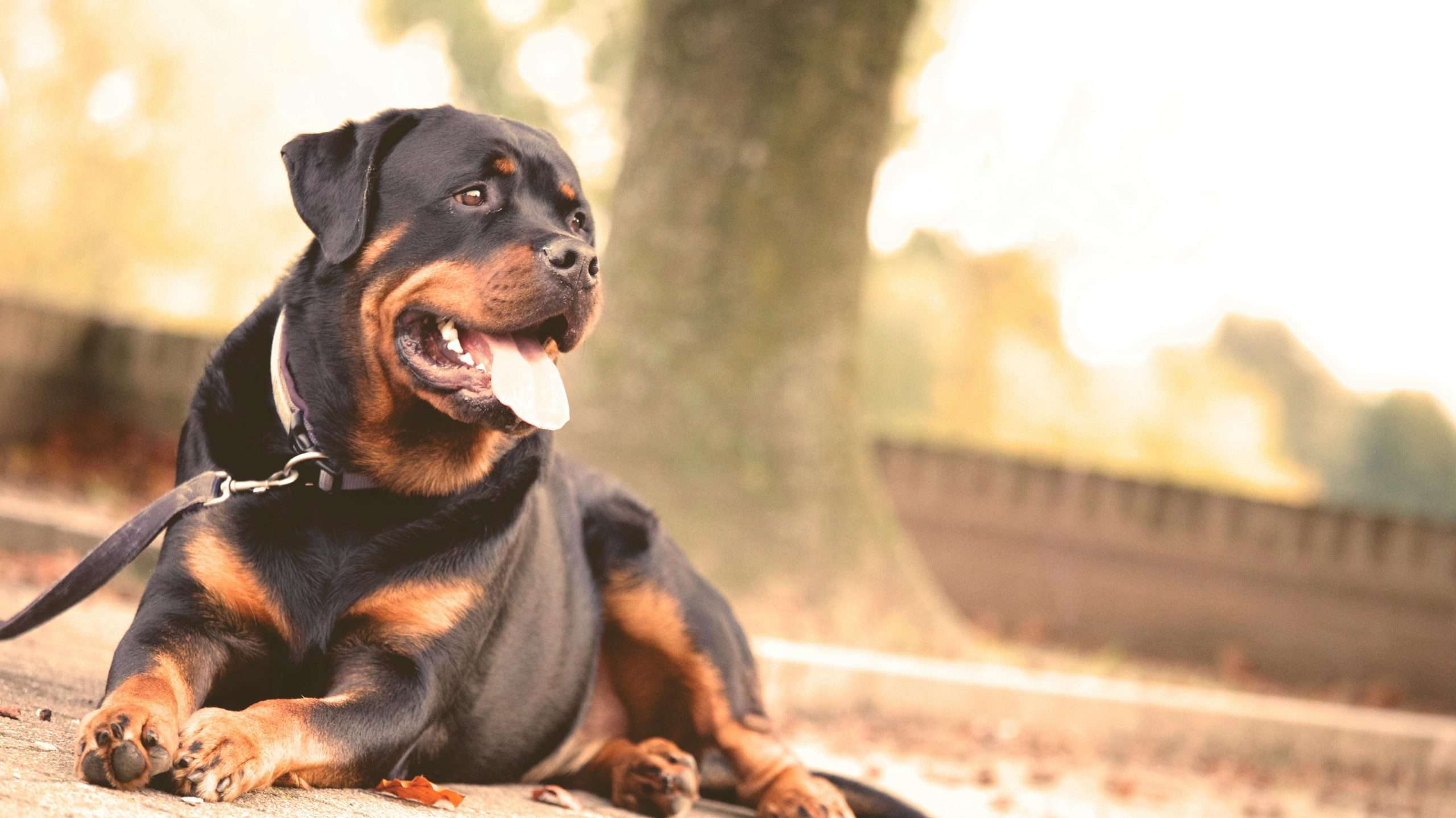
If your dog’s panting worries you, the steps you take can make all the difference.
If Your Dog Is Overheating
Overheating is one of the most urgent situations where you need to act fast. Move your dog to a shaded or cool indoor space, offer small amounts of water, and wet their coat with cool (not ice-cold) water. Run the air conditioner in your car if transporting them to a veterinary hospital. Heatstroke can damage organs quickly, so contacting a vet right away is essential.
If Panting Comes With Other Symptoms
When panting is paired with symptoms like weakness, shaking, or coughing, schedule a veterinary exam as soon as possible. Your vet may order blood tests, X-rays, or other diagnostics to determine the cause. Treatments may include fluids, medications, or hospitalization depending on the diagnosis.
Final Thoughts
Panting is one of the most natural behaviors in dogs, yet it can also be a sign of something more serious. The key to answering why do dogs pant is context. Dogs pant for cooling, excitement, and stress, but they may also pant from pain, illness, or dangerous overheating.
Knowing the difference between normal and abnormal panting helps you protect your dog’s health. When in doubt, trust your instincts and call your veterinarian. After all, understanding why do dogs pant is not just about knowing your pet’s behavior, but also about ensuring they stay safe, comfortable, and healthy.