Why Do Dogs Eat Grass? 7 Ways to Stop Them


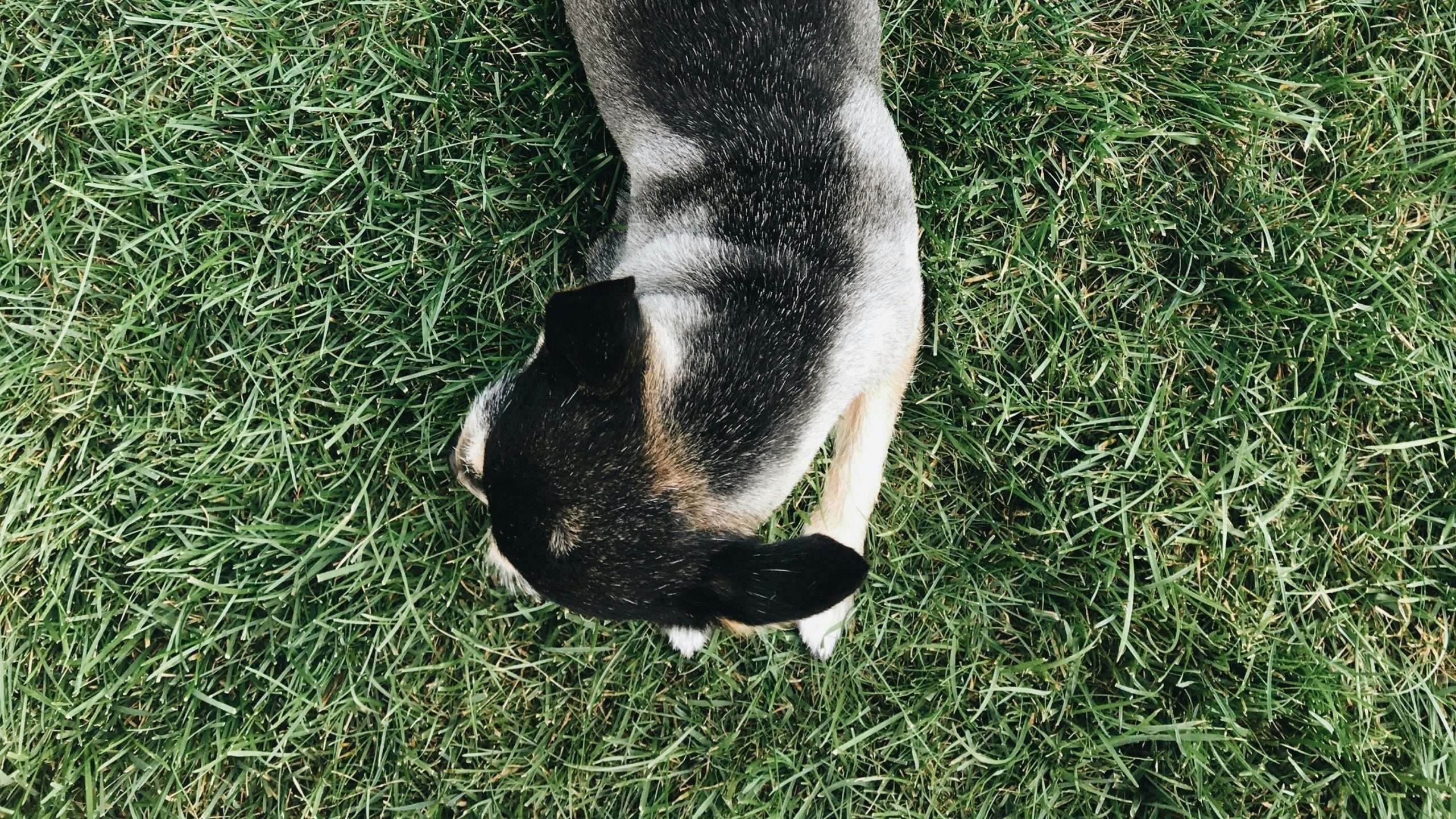
If you’ve ever caught your dog munching on your lawn, you’re not alone. This peculiar habit of dogs eating grass has left many pet owners scratching their heads. Is it a sign of illness? A dietary deficiency? Or just a canine quirk?
A recent survey showed that 68% out of surveyed dogs (1,571) ingested plants on a daily or weekly basis. This seemingly odd behavior is more common than you might think, and it’s sparked countless theories among pet owners and veterinarians alike.

From instinctual urges to potential health benefits, the reasons behind why dogs eat grass are as varied as our dogs themselves. In this article, we’ll explore the reasons behind this behavior, its potential effects, and when you should be concerned.
Understanding the Grass-Eating Habit
Dogs eat grass for a variety of reasons, and it’s important to understand that this behavior is generally considered normal. However, the frequency and intensity of grass consumption can provide insights into your dog’s health and well-being.
7 Reasons Why Dogs Eat Grass
1. Upset Stomach
One common belief is that dogs eat grass to alleviate an upset stomach. Some dogs may instinctively consume grass to induce vomiting when they’re feeling nauseous. However, research shows that less than 25% of dogs vomit after eating grass, and only 10% show signs of illness beforehand. This suggests that an upset stomach may not be the primary reason for grass consumption in most cases.
2. Seeking More Fiber
Dogs eating grass may be trying to increase their fiber intake. Grass is a readily available source of fiber, which can help with digestion and regular bowel movements. If your dog’s diet is low in fiber, they might turn to grass as a natural supplement.
3. Nutritional Deficiency
In some cases, dogs eat grass to compensate for a nutritional deficiency in their diet. If your dog isn’t receiving a balanced diet with all the necessary nutrients, they may instinctively seek out grass to fill the void.
4. Anxiety and Stress
Just like humans, dogs can develop coping mechanisms for anxiety and stress. Some dogs may turn to grass-eating as a self-soothing activity when they’re feeling anxious or overwhelmed.
5. Boredom or Attention-Seeking
Dogs eating grass might simply be a way to combat boredom or seek attention from their owners. If your dog notices that they receive more attention when eating grass, it can quickly become a learned behavior.
6. Enjoyment of Taste or Texture
Some dogs may genuinely enjoy the taste or texture of grass, especially young, fresh grass in the spring. This preference can vary among individual dogs and may change with the seasons.
7. Pica
In rare cases, excessive grass consumption may be a sign of pica, a condition characterized by the persistent chewing and consumption of non-nutritional substances. If you suspect your dog has pica, it’s important to consult with a veterinarian.
Is Eating Grass Bad for Dogs?
Generally, dogs eating grass is not a cause for concern. Most of the time, this behavior doesn’t lead to any negative health effects. However, there are some potential risks to be aware of:
- Pesticides and herbicides: If the grass has been treated with chemicals, it can be harmful to your dog.
- Parasites: Grass can harbor parasites that may infect your dog if ingested.
- Toxic plants: Your dog might inadvertently consume toxic plants while eating grass.
- Choking hazard: Large amounts of grass can potentially cause choking or intestinal blockage.
Related reads:
How to Choose Healthy Food for Your Dog [2024]
Effects of Grass Eating on Dogs

While dogs eating grass is usually harmless, it can sometimes lead to certain effects:
GI Irritation
Excessive grass consumption can cause gastroenteritis, leading to symptoms such as gas, bloating, abdominal pain, diarrhea, and vomiting.
Allergic Reactions
Some dogs may experience allergic reactions to certain types of grass, resulting in symptoms like swelling, inflammation, and itching of the skin, ears, and eyes.
Parasite Infections
If your dog frequently eats grass in areas where other animals defecate, they may be at risk of contracting parasites.
Intestinal Blockage
In rare cases, consuming large amounts of grass can lead to intestinal blockages, which can be life-threatening if left untreated.
How to Stop Your Dog from Eating Grass

If you’re concerned about your dog’s grass-eating habit, here are some strategies to help curb this behavior:
Improve Their Diet
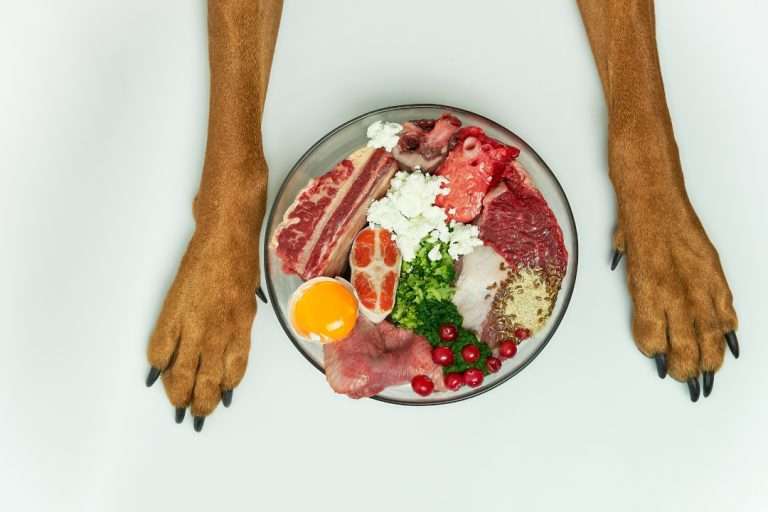
Ensure your dog is receiving a balanced, nutritious diet. Consult with your veterinarian to determine if your dog’s current food meets all their nutritional needs.
Increase Fiber Intake
Add dog-safe, high-fiber foods to your pet’s diet. This can include fruits and vegetables like pumpkin, sweet potatoes, and green beans.
Limit Access to Grass
When on walks, try to avoid grassy areas or keep your dog on a shorter leash to prevent grass consumption.
Use a Basket Muzzle
For dogs with a strong grass-eating habit, a basket muzzle can prevent them from accessing grass while still allowing them to breathe and drink comfortably.
Treat Underlying Medical Conditions
If your dog’s grass-eating is related to an underlying health issue, addressing that condition may help reduce the behavior.
Create a Designated Grazing Area
If your dog simply enjoys eating grass, consider creating a safe, chemical-free area in your yard where they can safely graze.
When to Call the Vet
While dogs eating grass is usually not a cause for alarm, there are situations where you should consult your veterinarian:
- Excessive or obsessive grass consumption
- Repeated vomiting or diarrhea lasting more than 24 hours
- Signs of lethargy or depression
- Inability to keep water down
- Blood in stool or vomit
- Loss of appetite
- Unusual behavior changes
FAQs
Can eating grass harm my dog?
In most cases, eating grass is harmless. However, grass treated with chemicals or contaminated with parasites can potentially cause health issues.
Do dogs eat grass to make themselves vomit?
While some dogs may eat grass to induce vomiting when feeling nauseous, studies show that less than 25% of dogs actually vomit after eating grass.
How can I tell if my dog is eating grass due to a nutritional deficiency?
If you suspect a nutritional deficiency, consult with your veterinarian. They can perform tests to determine if your dog’s diet needs adjustment.
Is it normal for puppies to eat grass?
Yes, it’s normal for puppies to explore their environment by tasting different things, including grass. However, excessive grass consumption should be monitored.
Can grass eating be a sign of a serious health problem?
While rare, persistent grass eating combined with other symptoms like vomiting, diarrhea, or lethargy could indicate a more serious health issue. Always consult your vet if you’re concerned.
Conclusion
Dogs eating grass is a common behavior that often doesn’t warrant serious concern. However, understanding the potential reasons behind this habit can help you better care for your furry friend. By ensuring your dog receives a balanced diet, plenty of exercise, and regular veterinary check-ups, you can help minimize excessive grass consumption and promote overall health and well-being.
Remember, every dog is unique, and what’s normal for one may not be for another. If you’re ever in doubt about your dog’s grass-eating habits or any other behavior, don’t hesitate to consult with your veterinarian. They can provide personalized advice based on your dog’s specific needs and health status.

![Dog Vaccinations: Everything You Need to Know [2024]](https://100dogbreeds.com/wp-content/uploads/2024/10/dog-vaccinations-featured-768x512.jpg)
![Understanding and Preventing Hip Dysplasia in Dogs [2024]](https://100dogbreeds.com/wp-content/uploads/2024/07/Hip-Dysplasia-in-Dogs-768x512.jpg)