Why Do Dogs Bury Things? 5 Common Reasons


Have you ever caught your dog in the act of burying a prized bone or toy in the backyard? Or perhaps you’ve found your slippers mysteriously hidden under a pile of laundry? If so, you’re not alone. Dog burying behavior is a common and often perplexing habit that many pet owners encounter. In this article, we’ll dive deep into the reasons behind this instinctual behavior, explore its implications, and provide guidance on how to manage it effectively.
The Ancestral Roots of Dog Burying Behavior
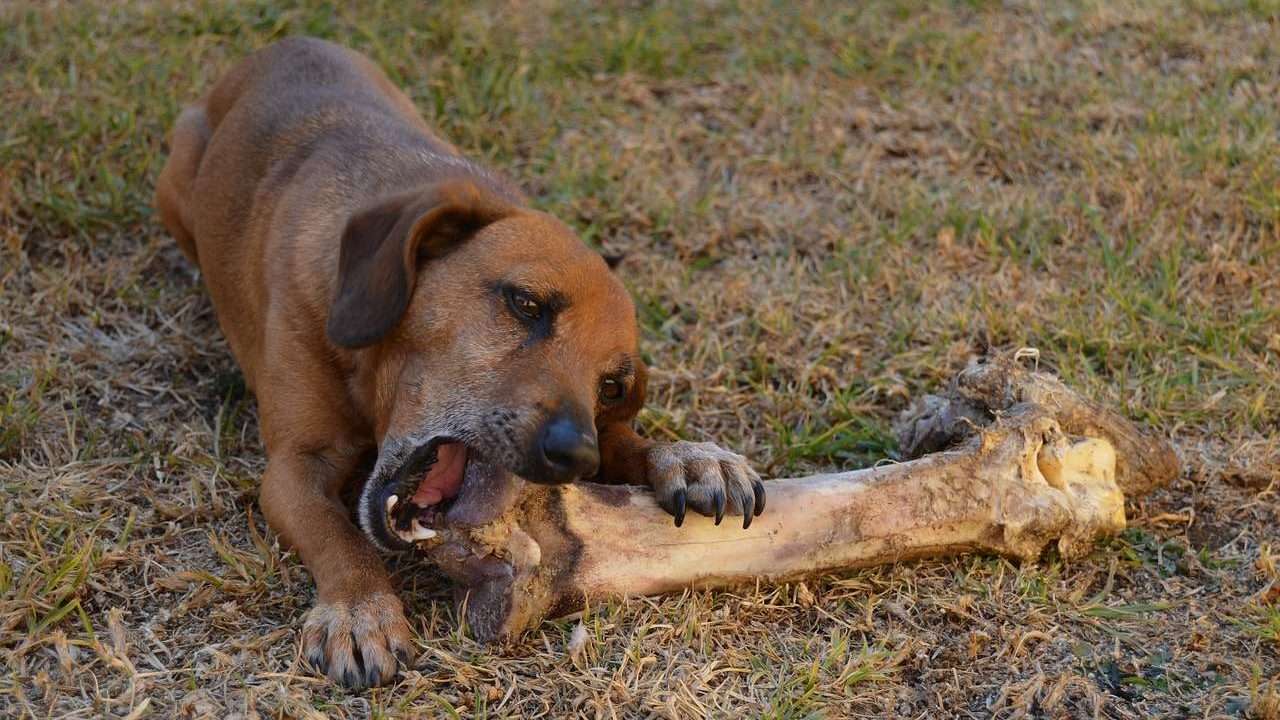
To understand why our domesticated companions bury things, we need to look back at their wild ancestors. Dogs’ burying instincts can be traced directly to their wolf forebears. In the wild, food was not always readily available, and when a hunt was successful, it was crucial to preserve any excess for leaner times.

Burying food served multiple purposes for wild canines:
- Food preservation: The cool earth acted as a natural refrigerator, helping to keep meat fresher for longer periods.
- Protection from scavengers: Burying excess food hid it from other predators and competitors.
- Creating a food cache: This allowed wolves to return to their hidden stashes when hunting was unsuccessful.
While our pet dogs no longer need to hunt for survival, this deeply ingrained instinct remains a part of their behavioral repertoire.
Common Reasons Why Dogs Bury Things
While ancestral instincts play a significant role, there are several modern-day reasons why your dog might engage in burying behavior:
1. Instinctual Behavior
Even though domesticated dogs don’t need to bury food for survival, the instinct remains strong. This is particularly true for breeds with a strong prey drive or those originally bred for hunting small game.
2. Resource Guarding
Some dogs bury items as a form of resource guarding. This behavior can stem from a perceived scarcity of resources or competition from other pets in the household. By burying their prized possessions, dogs are essentially “saving them for later” and keeping them safe from potential thieves.
3. Anxiety and Stress
For some dogs, burying can be a coping mechanism for anxiety or stress. The act of digging and hiding items can be soothing and provide a sense of control over their environment.
4. Overfeeding
Ironically, abundance can also trigger burying behavior. If a dog receives more food than they can eat in one sitting, they may instinctively bury the excess for later consumption.
5. Breed-Specific Tendencies
Certain dog breeds are more prone to burying behavior than others. Terriers, dachshunds, and beagles, for example, were bred to hunt small prey and often retain strong digging and burying instincts.
What Do Dogs Bury?
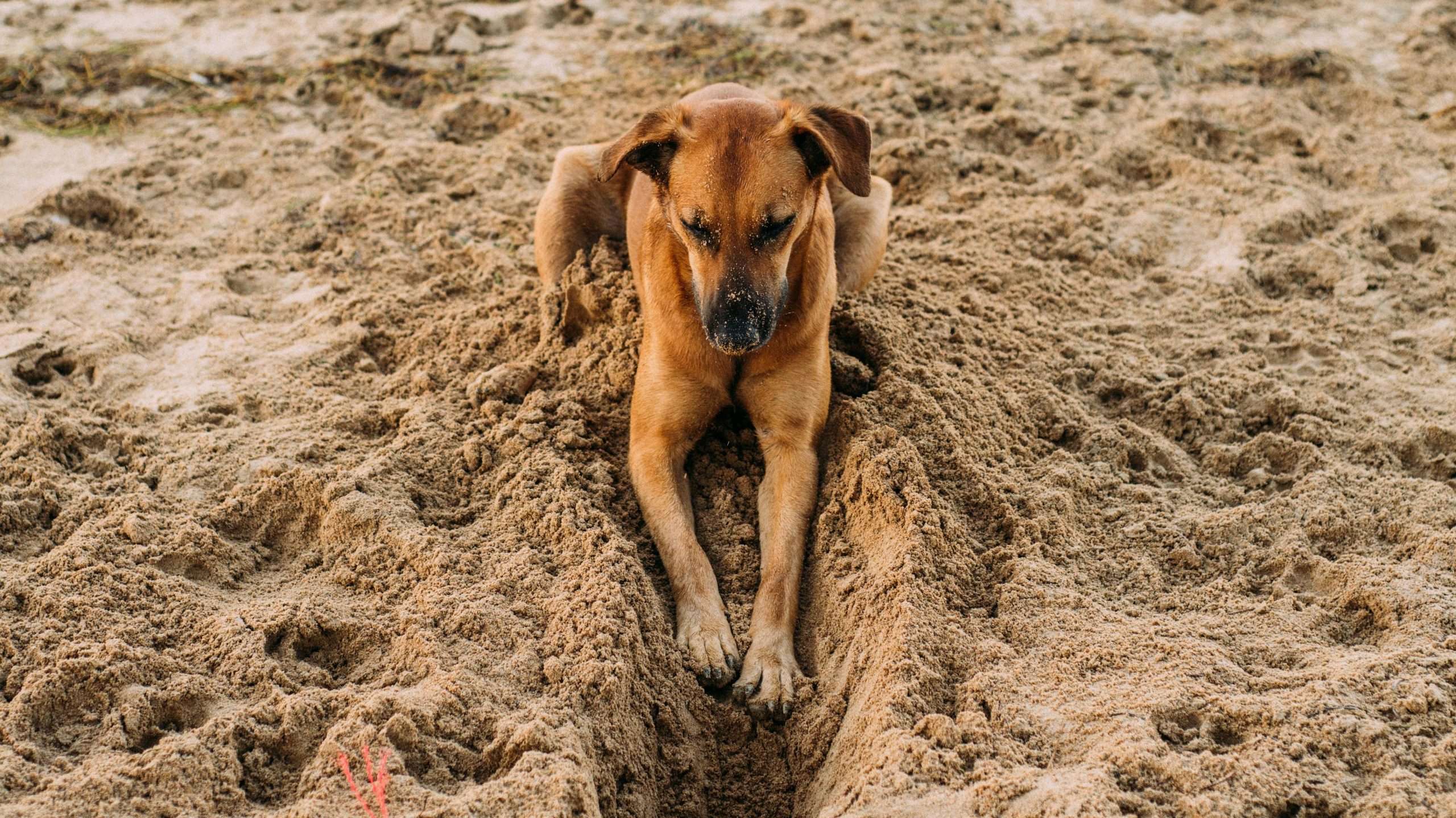
Dogs don’t limit their burying activities to food alone. Common items that dogs bury include:
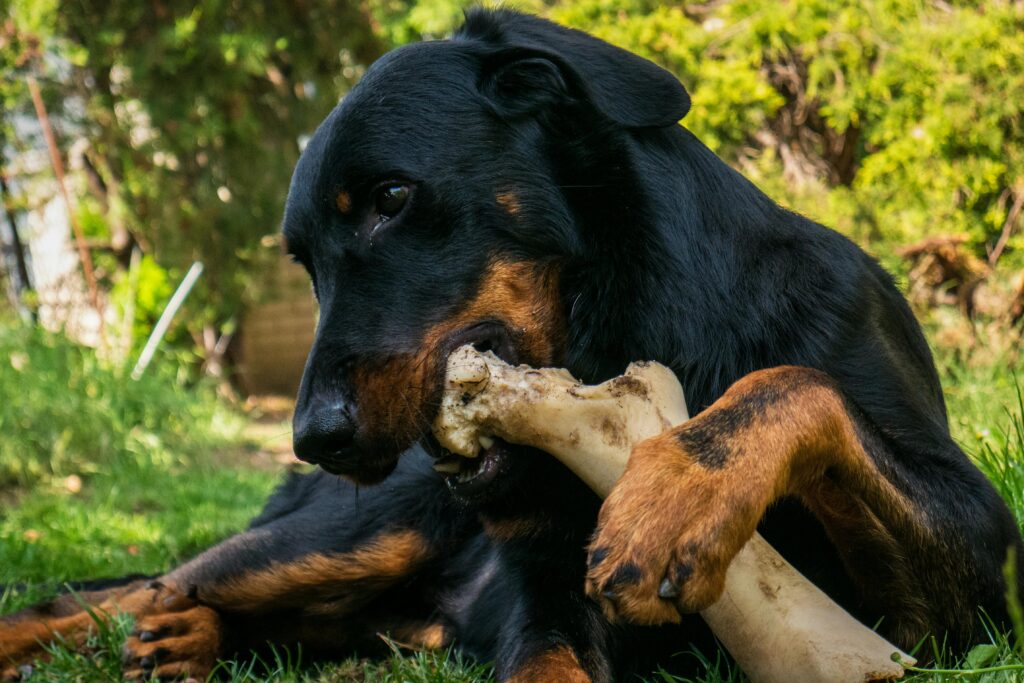
- Bones and treats
- Favorite toys
- Household items (shoes, remote controls, etc.)
- Even intangible things like their faces (in blankets or pillows)
The Burying Process: How Dogs Hide Their Treasures
The burying process can vary depending on the environment and the individual dog. Outdoors, dogs typically use their paws to dig a hole, place the item inside, and then use their nose to cover it with dirt or leaves. Indoors, dogs may “bury” items in piles of laundry, under furniture, or between couch cushions.
Potential Problems with Dog Burying Behavior
While burying is a natural behavior for dogs, it can sometimes lead to issues:
- Health risks: Burying food outdoors can lead to the consumption of spoiled food or ingestion of harmful bacteria or parasites.
- Property damage: Excessive digging can damage lawns, gardens, and even indoor flooring or furniture.
- Lost items: Important household items may become lost or damaged when buried by enthusiastic pups.
Related reads:
How to Teach Your Dog Not to Bark at Strangers: 7 Tips
Managing Your Dog’s Burying Habit
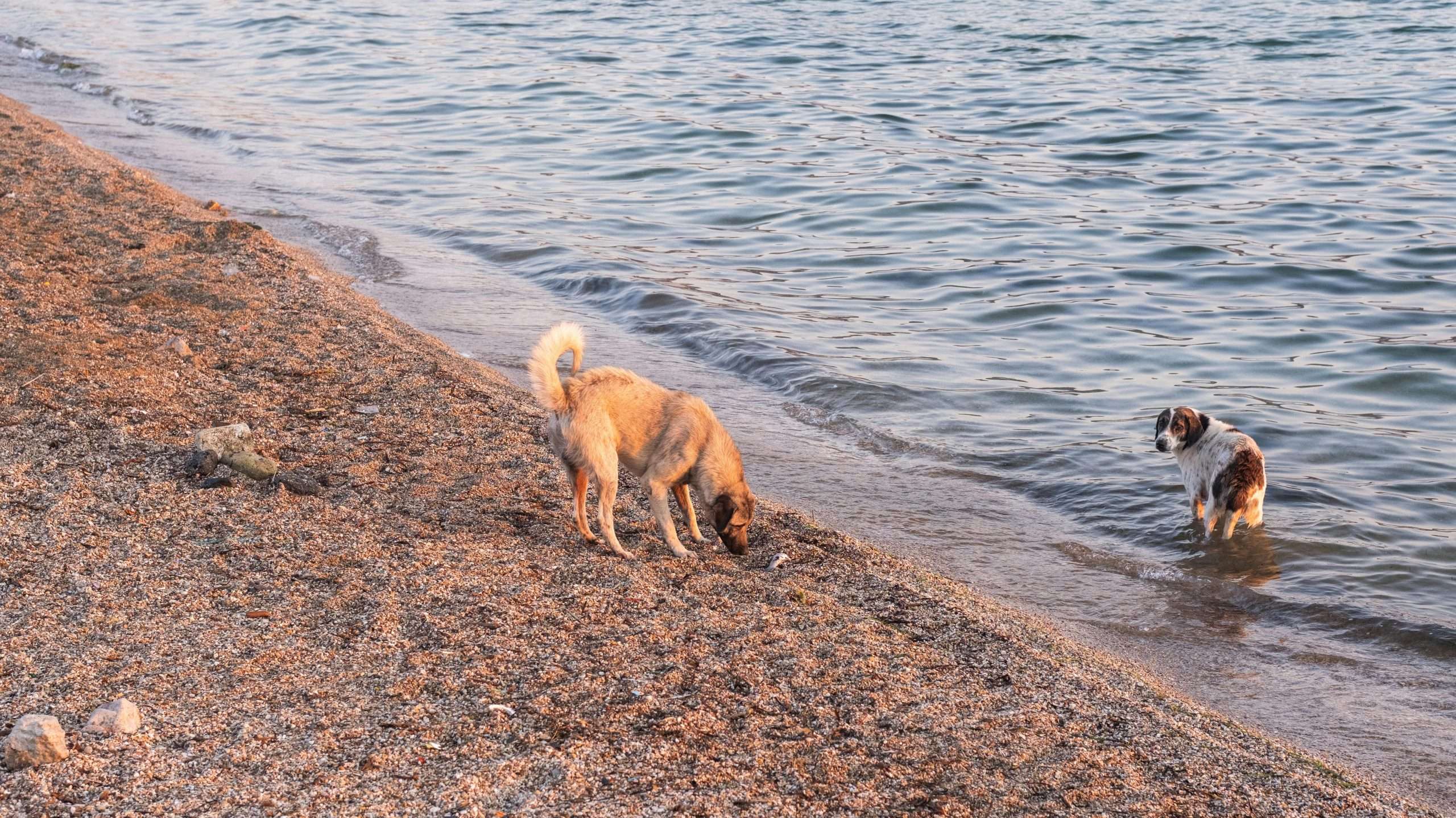
If your dog’s burying behavior is becoming problematic, consider these management strategies:
- Provide appropriate outlets: Designate a specific area in your yard where your dog is allowed to dig and bury items.
- Adjust feeding routines: Ensure you’re not overfeeding your dog, which can lead to excess food burying.
- Address anxiety: If stress is the root cause, work on creating a calm environment and consider consulting with a veterinary behaviorist.
- Increase mental stimulation: Bored dogs are more likely to engage in excessive burying. Provide plenty of exercise and interactive toys to keep your dog mentally engaged.
- Training techniques: Teach your dog the “leave it” command to prevent them from burying inappropriate items.
When to Seek Professional Help
While burying is generally normal behavior, excessive or compulsive burying may indicate underlying issues. Consult a professional if:
- Your dog’s burying behavior suddenly increases or becomes obsessive
- The behavior is accompanied by other signs of anxiety or stress
- Your dog becomes aggressive when you attempt to retrieve buried items
Embracing Your Dog’s Burying Instincts
Understanding why dogs bury things can help us better appreciate and manage this natural behavior. While it may sometimes be inconvenient, remember that burying is deeply ingrained in canine DNA and serves important instinctual purposes.
By providing appropriate outlets for this behavior and addressing any underlying issues, you can ensure that your dog’s burying habits remain harmless and even entertaining. After all, there’s something undeniably charming about watching our domesticated companions act out the survival instincts of their wild ancestors – even if it means occasionally finding a soggy tennis ball in your flower bed.
Remember, every dog is unique, and what works for one may not work for another. Pay attention to your pet’s individual needs and behaviors, and don’t hesitate to seek professional advice if you’re concerned about excessive burying or other behavioral issues.
Ultimately, our dogs’ quirky behaviors – burying included – are part of what makes them such beloved companions. By understanding and gently guiding these instincts, we can strengthen our bonds with our furry friends and ensure they lead happy, healthy lives, whether they’re burying bones or simply cuddling up for a nap.
Hope you found this article on “Why do dogs bury things?” helpful. Do check out our other blogs too!
FAQs
Is it normal for dogs to bury bones?
Yes, burying bones is a natural instinct for many dogs. It’s a behavior rooted in their ancestral need to preserve food.
How can I stop my dog from burying things in the house?
Provide plenty of mental stimulation, ensure your dog isn’t overfed, and create designated areas where burying behavior is allowed. Consistent training can also help redirect this behavior.
Why does my dog bury its head?
Dogs may bury their heads in blankets or pillows for comfort, to block out light or noise, or as a form of play. If this behavior is excessive, it could indicate anxiety or an attempt to self-soothe.