Why Your Dog Keeps Licking Lips: 7 Common Causes

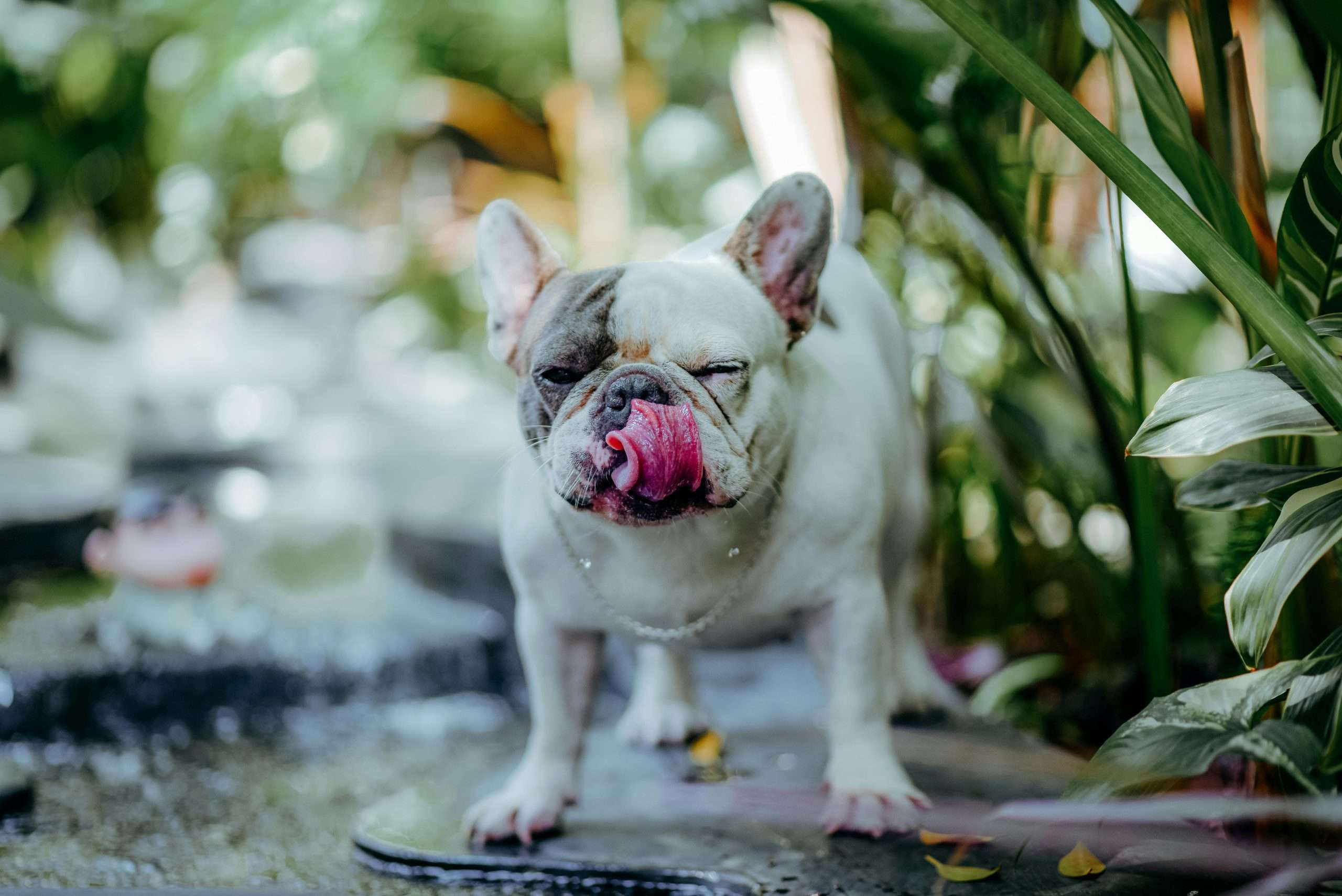
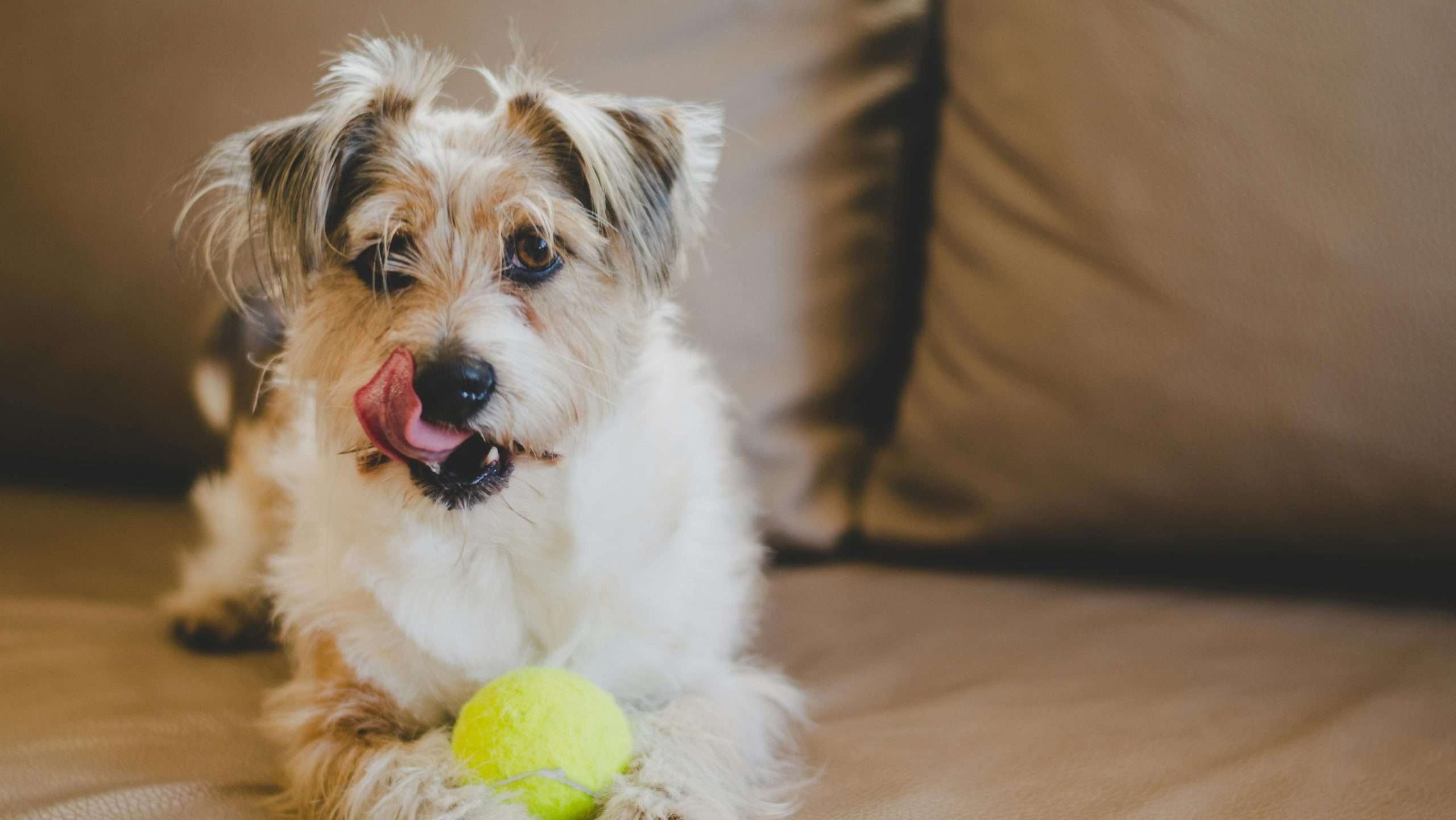
As a dog owner, you notice all the little things your pet does — the tail wags, the head tilts, the occasional goofy zoomies. But sometimes, a behavior like excessive lip licking can stand out and make you wonder if something is wrong. If your dog keeps licking lips constantly, it could be a signal worth paying attention to.
Lip licking is normal to some extent. Dogs lick their lips after eating, drinking, or sometimes during stressful moments. However, when your dog keeps licking lips repeatedly without an obvious reason, it might hint at deeper issues — either physical or emotional. Let’s break down the most common causes behind this behavior and when you should consider a vet visit.

Normal Reasons Why Your Dog Keeps Licking Lips
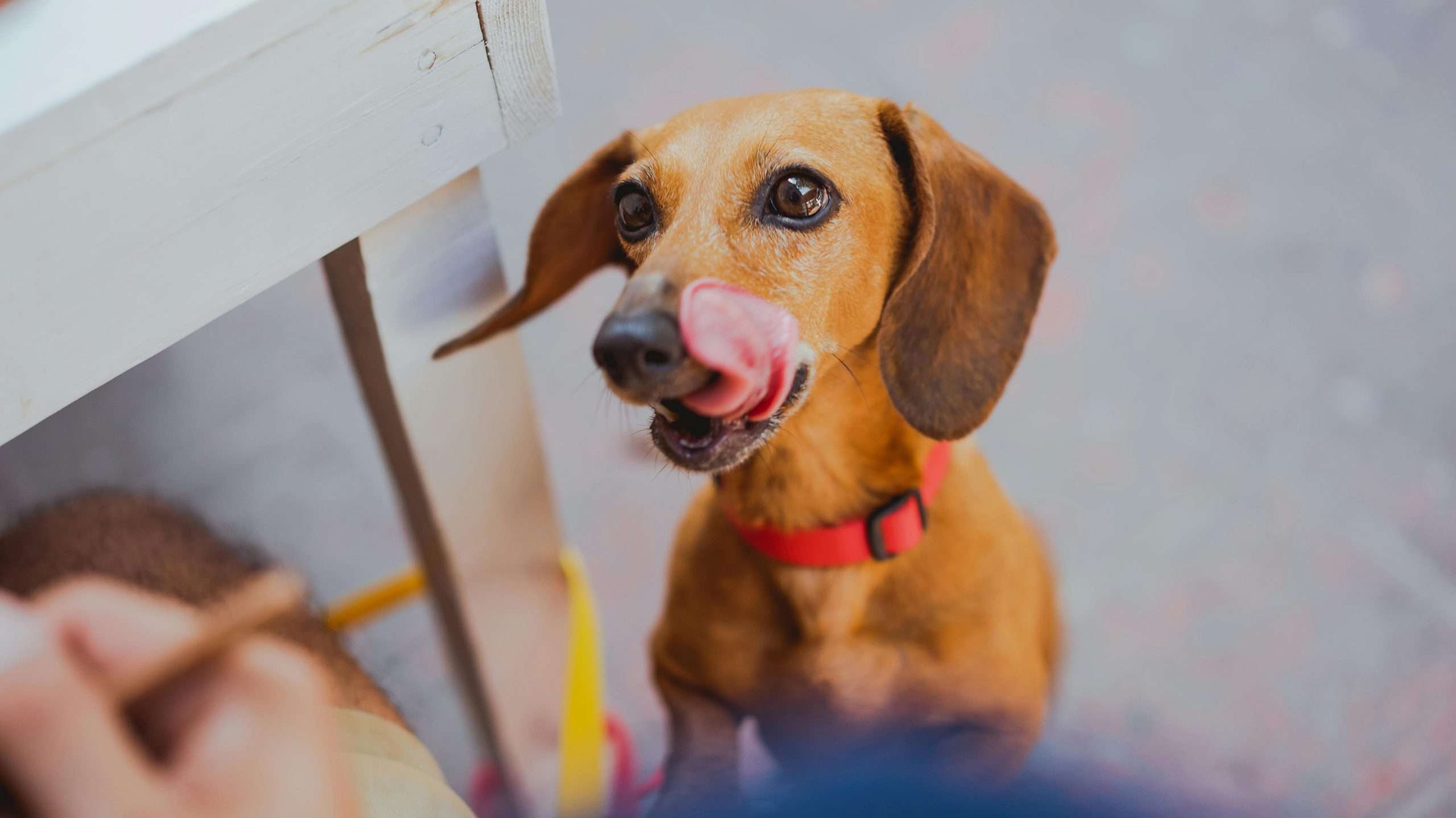
Not every case of lip licking is cause for concern. In fact, if your dog keeps licking lips right after mealtime, it’s usually just a sign of leftover food or a way to clean their muzzle. Similarly, dogs may lick their lips when they are anticipating a treat, feeling excited, or even when they are trying to communicate non-aggressively with humans or other animals.
Here are some harmless reasons you might notice the behavior:
- After eating or drinking
- Smelling or tasting something interesting
- Expecting food or a treat
- Showing calmness or submission in social situations
If you can easily connect the lip licking to one of these situations, there’s usually nothing to worry about. However, if your dog keeps licking lips when there’s no clear trigger, it might be time to look closer.
Possible Medical Causes
Persistent lip licking can sometimes point to underlying medical issues. When a dog keeps licking lips frequently and obsessively, it might be a sign of discomfort, irritation, or even pain.
Here are some medical reasons why dogs lick their lips excessively:
1. Nausea and Gastrointestinal Upset
Dogs often lick their lips when they feel nauseous. If your dog keeps licking lips along with drooling, swallowing repeatedly, or acting restless, it might indicate an upset stomach. Sometimes, dogs with acid reflux, pancreatitis, or gastritis display these behaviors.
2. Dental Problems
A sore tooth, inflamed gums, or other dental issues could make a dog keep licking lips. If there’s pain in the mouth, your dog may instinctively try to soothe it by licking.
Look for other signs like:
- Bad breath
- Drooling
- Difficulty eating
- Pawing at the mouth
A dental exam by your vet can quickly identify if this is the problem.
3. Oral Injuries or Foreign Objects
If your dog keeps licking lips suddenly and obsessively, check their mouth. They might have something stuck between their teeth or an injury inside their mouth or tongue.
Common culprits include:
- Small sticks
- Bones
- Pieces of toys
Always inspect gently or have a vet examine your dog to avoid accidental bites if your dog is in pain.
Related reads:
Proper Dog Hygiene: 5 Do’s and Don’ts
4. Dehydration or Dry Mouth
When dogs are dehydrated, they may lick their lips often to try to moisten their mouth. If your dog keeps licking lips and seems lethargic or has sunken eyes, dehydration could be at play. This can quickly become serious, so prompt veterinary attention is important.
5. Allergies and Skin Irritations
Environmental allergies, food sensitivities, or contact dermatitis could cause a dog’s face or lips to feel itchy or irritated. If your dog keeps licking lips, scratching, or rubbing their face against surfaces, allergies might be the reason.
Behavioral Reasons for Lip Licking
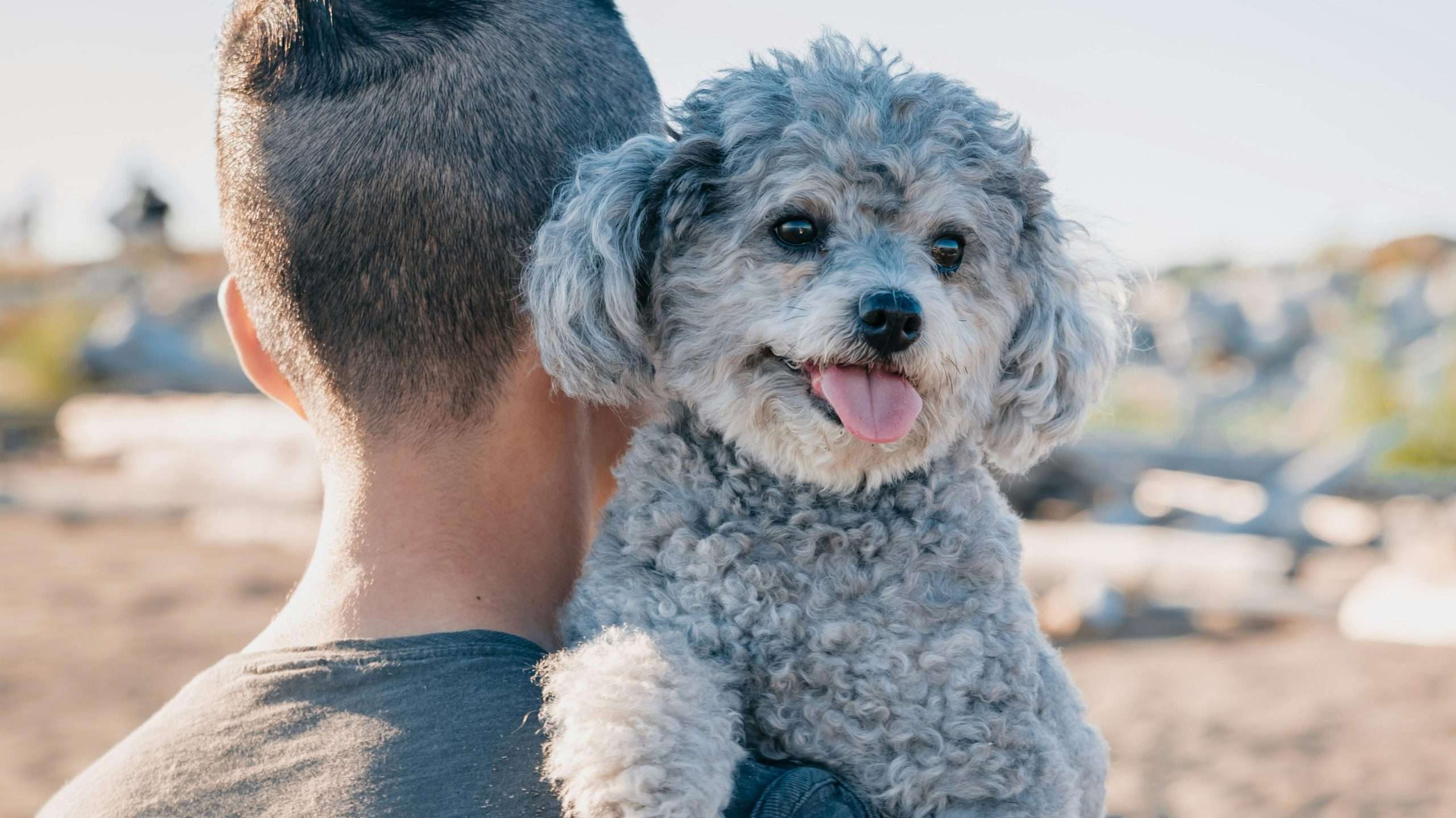
Sometimes, when no physical cause is found, the reason your dog keeps licking lips might be emotional. Dogs use lip licking as a calming signal – a way to communicate stress, anxiety, or discomfort.
1. Anxiety and Stress
If your dog keeps licking lips during thunderstorms, when meeting new people, or while visiting unfamiliar places, it could be their way of coping with nervousness. Dogs display many signs of anxiety, and repetitive lip licking is one of them.
Other common signs include:
- Pacing
- Whining
- Hiding
- Yawning
If stress is frequent, working with a trainer or a vet specializing in behavior can help manage it.
2. Obsessive-Compulsive Behavior
In rare cases, repetitive behaviors like lip licking can become compulsive. If your dog keeps licking lips even when relaxed, without any triggers, and if it interferes with daily life, it might have crossed into obsessive behavior.
Compulsive behaviors are complex and usually need professional intervention, including behavioral therapy and sometimes medications.
When Should You Worry?
It’s important to pay attention to how often and in what situations your dog keeps licking lips. Occasional lip licking tied to meals or mild excitement is normal. But if the behavior is frequent, seems uncontrollable, or is accompanied by other worrying signs like vomiting, drooling, coughing, or changes in appetite, it’s time to consult your veterinarian.
Here’s when you should definitely seek professional help:
- Lip licking is persistent and new
- Accompanied by vomiting or diarrhea
- Signs of pain or mouth injuries
- Behavior changes such as hiding, growling, or avoiding touch
Early diagnosis can make a big difference if there’s an underlying health issue.
What You Can Do at Home
If your dog keeps licking lips, start by gently inspecting their mouth for any obvious issues, like stuck food or visible injuries. Ensure your dog has plenty of fresh water available and maintain a consistent feeding schedule with easily digestible food if stomach upset seems possible.
Observe the situations when the licking happens. Keeping a simple journal noting time, environment, recent meals, and any interactions can help you and your vet identify patterns more easily.
Reducing environmental stress can also help if anxiety is the cause. Try to:
- Maintain a calm, predictable routine
- Offer comforting toys or treats
- Use pheromone diffusers designed to help soothe anxious pets
Training methods that use positive reinforcement can help build your dog’s confidence if anxiety is a recurring problem.
Final Thoughts
Watching your pet carefully is part of being a responsible and loving dog owner. When your dog keeps licking lips, it might simply be a passing behavior or it could be their way of asking for help. Tuning in to the small signals your dog sends allows you to respond early and ensure they stay happy, healthy, and comfortable.
If you’re ever unsure, it’s always better to check with your veterinarian. After all, nobody knows your dog better than you do and noticing when something’s off could make all the difference.