Why Are Dogs So Loyal to Humans?


Dogs have earned the title of “man’s best friend” for a reason. They stay by our side through thick and thin, offering unconditional love, companionship, and even protection. But why are dogs so loyal? Is it simply because we provide them with food and shelter, or does their devotion go deeper than that?
The answer lies in a mix of history, science, and emotional connection. Dogs have evolved alongside humans for thousands of years, forming bonds that go beyond basic survival. Let’s dive into the reasons behind their remarkable loyalty.

A Deep-Rooted History of Loyalty

To understand why are dogs so loyal, we need to look at their past. Dogs are descendants of wolves, which are highly social animals that thrive in packs. Early humans and wolves began forming a mutually beneficial relationship – humans provided food, and wolves offered protection.
Over time, this partnership led to domestication, and loyalty became a natural trait. Dogs learned that sticking close to humans increased their chances of survival. As we selectively bred them for companionship, loyalty became even more deeply ingrained in their nature.
Do Dogs Love Their Owners or Just Depend on Them?
One theory suggests that dogs are loyal because they associate their owners with food and shelter. In a way, this makes sense—dogs naturally bond with the person who feeds and cares for them. However, this explanation only scratches the surface.
Studies show that dogs experience emotions similar to humans. Research using brain scans has revealed that when a dog smells its owner, the pleasure centers in its brain light up, just as they would in humans experiencing love. This suggests that dogs don’t just stay with us for survival—they genuinely care for us.
Pack Mentality: A Key to Loyalty
Dogs are pack animals by nature, which means they thrive in social groups. In the wild, a pack relies on teamwork and trust to survive. This instinct carries over to domesticated dogs, who see their human families as their pack.
Loyalty within a pack is essential. It ensures cooperation, safety, and survival. That’s why dogs often follow their owners from room to room, protect them from perceived threats, and even experience anxiety when separated. To a dog, loyalty isn’t just about love – it’s about belonging.
How Dogs Express Loyalty
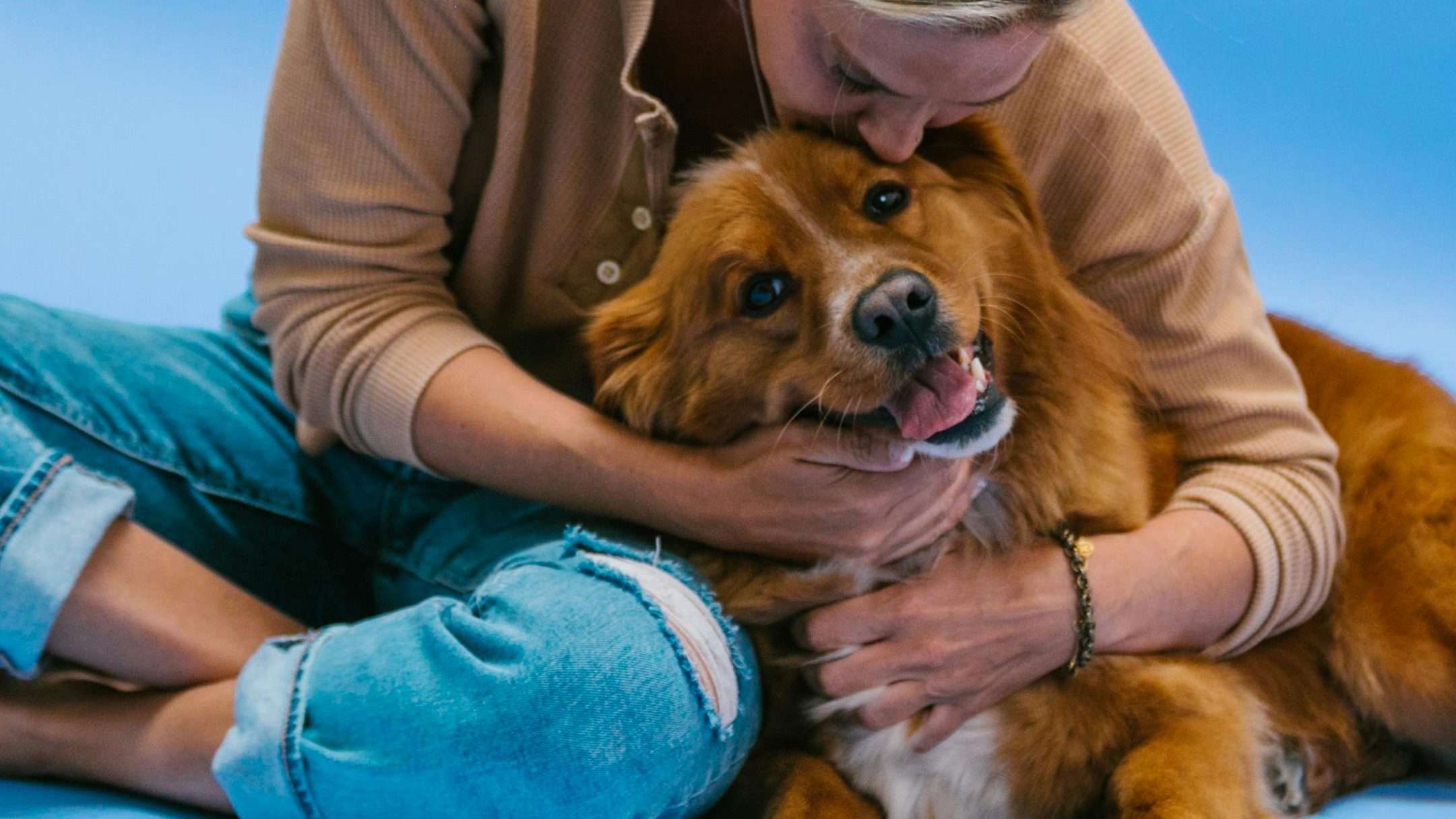
The ways dogs show loyalty can vary, but some common behaviors include greeting their owners enthusiastically, following them around, and staying close by even when they’re not interacting. Some dogs demonstrate loyalty through protective instincts, standing between their owners and potential threats. Others show it through affection, such as cuddling, licking, or bringing gifts like toys.
In extreme cases, loyalty can lead to separation anxiety, where a dog becomes overly dependent on its owner’s presence. This can result in stress, destructive behavior, or excessive barking when left alone. While a strong bond is a good thing, it’s also important to help dogs develop confidence and independence.
Also Read:
Why Does My Dog Stare At Me? 3 Common Reasons [With Tips]
Are Some Breeds More Loyal Than Others?
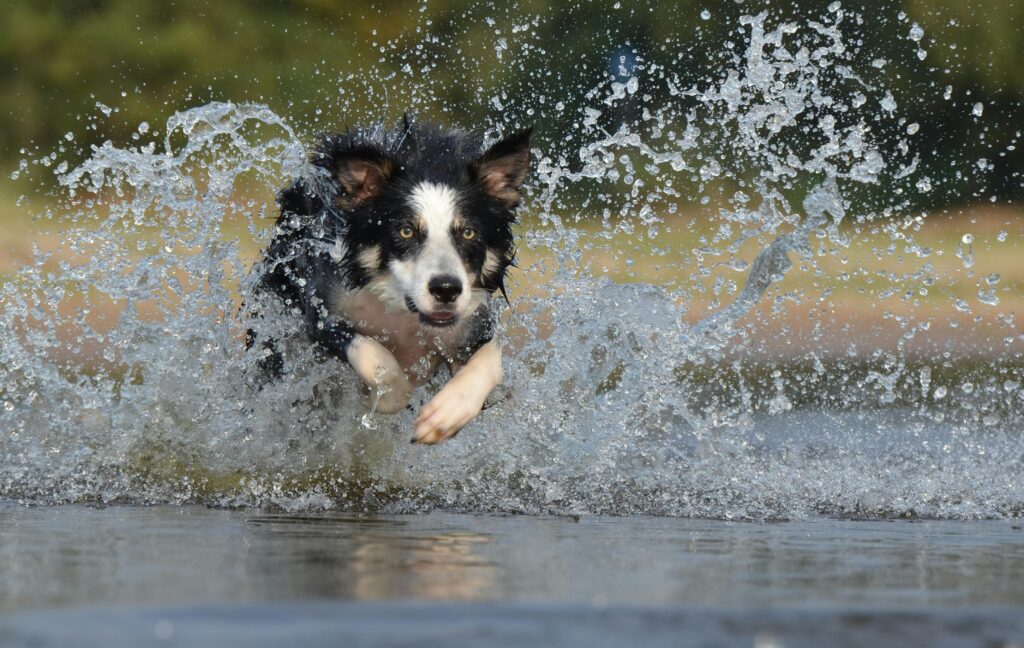
While all dogs have the capacity for loyalty, some breeds are known for their deep devotion. German Shepherds, Labrador Retrievers, Border Collies, and Akitas, for example, have a strong reputation for loyalty. This is partly due to their history of working closely with humans, whether as herding dogs, service animals, or guardians.
That said, loyalty isn’t just about breed. A dog’s personality, training, and life experiences all play a role in shaping their bond with their owner. Even the most independent breeds can form unbreakable connections when given love and care.
The Science Behind a Dog’s Loyalty
Scientists have studied why are dogs so loyal and have found that it’s not just about survival or training—it’s also biological. Dogs produce oxytocin, the same hormone responsible for human bonding, especially between mothers and their babies. When a dog interacts with its owner, oxytocin levels increase, reinforcing their attachment.
This hormonal response explains why dogs look to their owners for comfort, trust them in unfamiliar situations, and remain loyal even after long periods of separation. It’s a bond that goes beyond simple conditioning—dogs are emotionally connected to their humans.
Why Do Some Dogs Stay Loyal Even in Bad Situations?
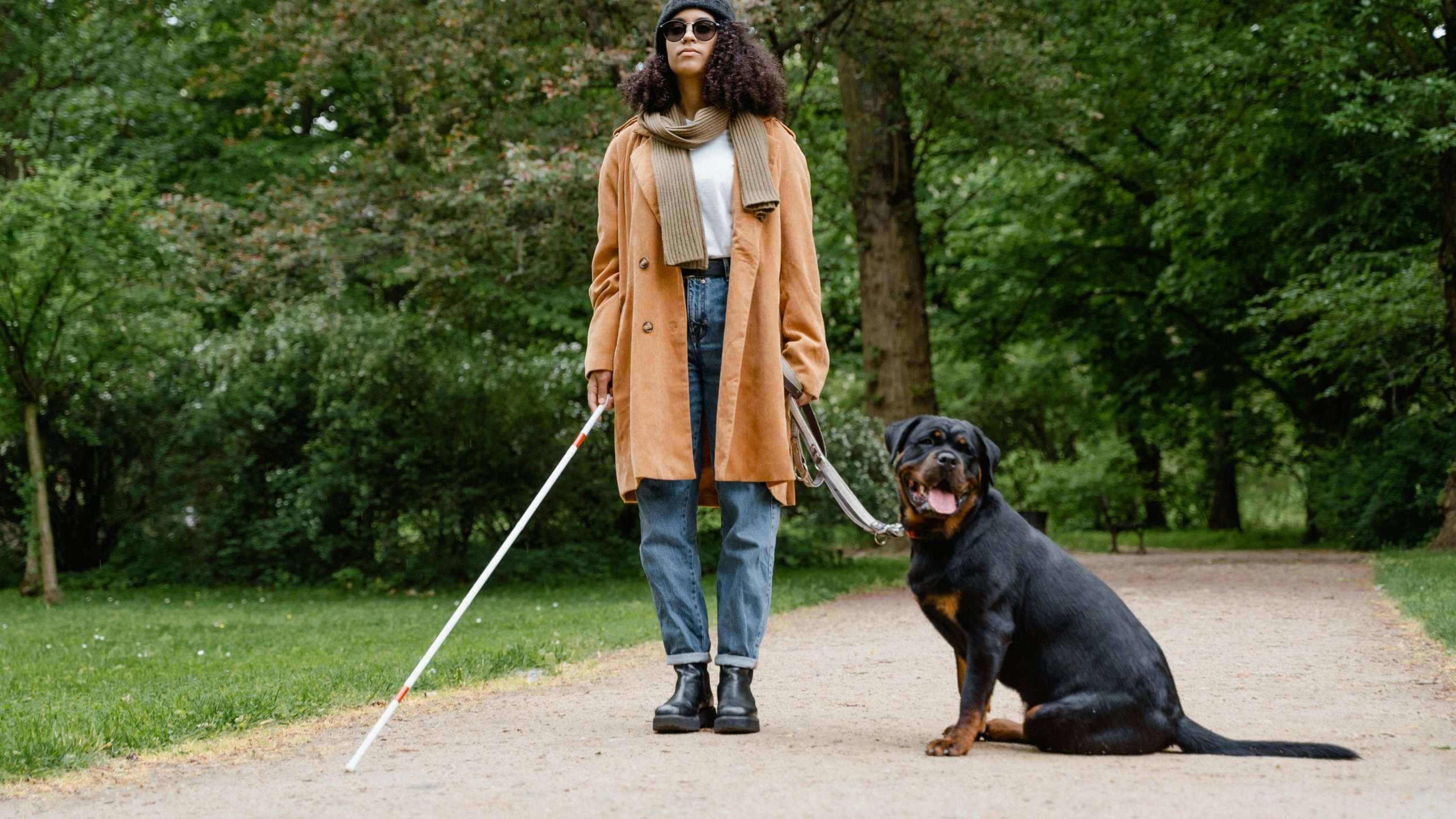
One heartbreaking question is why are dogs so loyal even to owners who mistreat them. Unfortunately, some dogs remain devoted to people who don’t treat them well. This is often due to a combination of fear, habit, and their deep-rooted need to belong.
Dogs in abusive situations may continue seeking approval and affection, hoping for positive reinforcement. Unlike humans, they don’t have the ability to rationalize leaving or understanding that they deserve better. Their loyalty is instinctive, making them vulnerable to mistreatment.
Final Thoughts
So, why are dogs so loyal? Their devotion is a mix of history, biology, and emotion. From their wolf ancestors to modern domesticated pets, dogs have evolved to form deep bonds with humans. They don’t just stay by our side for food or shelter—they genuinely love and trust us.
Understanding a dog’s loyalty helps us appreciate the unique connection we share with them. Whether it’s through companionship, protection, or unconditional love, dogs continue to prove why they deserve their title as our most loyal friends.
FAQs About Why Dogs Are So Loyal
1. Why do dogs follow their owners everywhere?
Dogs follow their owners as a sign of trust, love, and attachment. It can also be due to past reinforcement (e.g., receiving treats or attention when they follow you).
2. Do dogs really love their owners, or is it just food-based loyalty?
Research suggests that dogs do feel love. Their brains release oxytocin, the “love hormone,” when they interact with their humans.
3. Why are dogs so loyal compared to other animals?
Unlike many other domesticated animals, dogs have evolved alongside humans for thousands of years, creating a strong genetic and emotional bond.
4. Can a dog’s loyalty become unhealthy?
Yes, excessive attachment can lead to separation anxiety or overprotectiveness. Proper training and socialization can help maintain a balanced relationship.
5. Are some dog breeds naturally more loyal?
Yes, breeds like German Shepherds, Labrador Retrievers, and Border Collies are known for their strong loyalty. However, individual personality and training also play a big role.